JacketFlap connects you to the work of more than 200,000 authors, illustrators, publishers and other creators of books for Children and Young Adults. The site is updated daily with information about every book, author, illustrator, and publisher in the children's / young adult book industry. Members include published authors and illustrators, librarians, agents, editors, publicists, booksellers, publishers and fans. Join now (it's free).
Login or Register for free to create your own customized page of blog posts from your favorite blogs. You can also add blogs by clicking the "Add to MyJacketFlap" links next to the blog name in each post.
Blog Posts by Tag
In the past 7 days
Blog Posts by Date
Click days in this calendar to see posts by day or month
Viewing: Blog Posts Tagged with: rhyming, Most Recent at Top [Help]
Results 1 - 25 of 119
How to use this Page
You are viewing the most recent posts tagged with the words: rhyming in the JacketFlap blog reader. What is a tag? Think of a tag as a keyword or category label. Tags can both help you find posts on JacketFlap.com as well as provide an easy way for you to "remember" and classify posts for later recall. Try adding a tag yourself by clicking "Add a tag" below a post's header. Scroll down through the list of Recent Posts in the left column and click on a post title that sounds interesting. You can view all posts from a specific blog by clicking the Blog name in the right column, or you can click a 'More Posts from this Blog' link in any individual post.
You’ve really got to love a recording artist who has a very popular kids’ CD titled, Meltdown! and another called Not Naptime. The album titles alone are enough to bring a smile to a weary parent’s face. So, I wanted to think that The Smallest Girl in the Smallest Grade was terrific.
And, I do think it is a good book but, there are ways it could have been better.
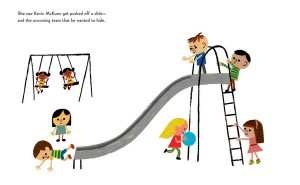
Sally McCabe is both young and small. She is in the lowest grade at her school and she is the smallest child in the class. Kudos to the illustrator for depicting a racially diverse group of children in the classroom and at the playground. It would have been excellent to see similar diversity in terms of mobility (perhaps one child in a wheelchair or using crutches, for example).
Sally is unusually observant. She notices a kite that is tangled in a tree and she notices that the janitor’s ring has twenty-seven keys. Unfortunately, this is where my evaluation of the book begins to drop: one illustration of the janitor’s ring only shows seven keys and another shows five keys. I completely understand that twenty seven may have been essential to the rhyme BUT the illustrations should be true to the story. If the ring has twenty seven keys – the illustration of the ring should show us each one of them! Young children will pick up on this sort of disparity. They will want to know where the other twenty or twenty two keys are and the omission will detract from the important antibullying message the author is attempting to share.
When a bully pushes Sally’s classmate, the story tells us that he begins to cry but in the illustration, he is dry-eyed. These seemingly minor disparities really do make a difference and discerning young readers will notice them.
Adults may understand the (metaphorical) significance of wildflowers tipping toward light and cats meeting together in a parking lot but I doubt that, without guidance, young children will see any connection between the cats or the flowers and Sally’s story.
Essentially, Sally, observes bullying on the playground, in the hallway at school, in the classroom and in the school cafeteria. Eventually, she speaks up. She announces, “I’m tired of seeing this terrible stuff. Stop hurting each other! This is enough!”
This prompts all of Sally’s classmates and school staff members to point their fingers in the air in solidarity. Soon the school is a much more harmonious place. A somewhat “magical solution” to bullying? Yes, but, this is story that could be used to initiate discussions about bullying and social responsibility.
Author Tish Rabe does more than read her board book Love You, Hug You, Read to You, she sings it on Read Out Loud! Rabe is a trained opera singer who frequently sings with her family.Love You, Hug You, Read to You, is about a parent’s promise to always do three important things for their child; love them, hug them, and read to them. Each page includes questions a parent can ask a child to further engage them in the story. A bilingual version of the book (see below) is available too.
Love You, Hug You, Read to You! Written by Tish Rabe, illustrated by Frank Enderby
Published by Random House Books for Young Readers, Board Books
There are three things I’ll always do … love you, hug you, read to you. The simple promise of togetherness offered in this board book is enhanced by interactive prompts throughout, encouraging parents to engage with their child while reading. Studies show that asking questions, like the ones in this book, helps children learn to read faster than if they just listen to a story. Love and literacy are gifts we can give to our children every day Also available as bilingual (Spanish and English) edition entitled ¡Te amo, te abrazo, leo contigo!
¡Te amo, te Abrazo, Leo Contigo!/Love You, Hug You, Read to You! is a bi-lingual book written in both Spanish and English. Studies have shown that asking children’s questions about what’s happening in a book helps them learn to read faster than if they just sit and listen to a story so this book features interactive questions in both languages. It also offers the opportunity for Spanish speakers to learn English and English speakers to learn Spanish!
ABOUT TISH RABE
Wish Rabe has written over 160 children’s books for Sesame Street, Disney, Blue’s Clues, Curious George, Huff and Puff and many others. In 1996 — five years after the death of Dr. Seuss — she was selected by Dr. Seuss Enterprises to create The Cat in the Hat’s Learning Library, a new line of rhyming science books for early readers. A television series based on these books, The Cat in the Hat Knows a Lot About That, airs daily on PBS Kids.
Ms. Rabe also wrote the popular Dr. Seuss book for parents-to-be Oh the Places You’ll Go to be read in Utero! and created her own character, The I Believe Bunny, which won a Mom’s Choice Award for Best Picture Book – Gold. She also wrote scripts for children’s television series including “Clifford”, “Clifford’s Puppy Days” and was the Head Writer for “I Spy!” for Scholastic Entertainment and HBO family.
In 1982, she traveled to China with Jim Henson’s Muppets to produce “Big Bird in China”, which won the Emmy for Best Children’s Special for NBC. Later that year, she became Senior Producer of a new science series for kids on PBS called “3-2-1 Contact”. During the five seasons of the show, Ms. Rabe wrote scripts as well as lyrics for songs including “What Does Your Garbage Say?”, “Electricity is the Power” and “People are Mammals Too”.
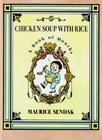
KidLit TV host Rocco Staino reads Maurice Sendak’s Chicken Soup with Rice on Read Out Loud. The rhyming book can be found on its own, or as a part of Sendak’s classic Nutshell Library which contains three additional titles; Alligators All Around, One Was Johnny, and Pierre.
Collected in this charming book are twelve lilting rhymes and illustrations for the twelve months of the year, with chicken soup as their universal theme. Although the book starts in the middle of winter — presumably the best time for chicken soup — a case is made for the presence of chicken soup in every season. Even in the peak of the sultry summer: In August / it will be so hot / I will become / a cooking pot / cooking soup of course / Why not? / Cooking once / cooking twice / cooking chicken soup / with rice.
In this tiny volume, first published in 1962, the inimitable Maurice Sendak demonstrates his famous ear for language, rhythm, and word play and anticipates the strengths of his later children’s classics such as Where the Wild Things Are and In the Night Kitchen. Likewise, his illustrations here in Chicken Soup with Rice are, as always, playful and witty. Each rhyme is introduced with a decorative bar, framing the name of each month like a calendar. And by the “year’s end,” readers are convinced that all seasons / of the year / are nice / for eating / chicken soup / with rice!
An excellent read-aloud, demonstrating the progression of the year, seasons, and the power of poetry.
ABOUT MAURICE SENDAK
Illustrator and writer Maurice Sendak was born in Brooklyn, New York, on June 10, 1928. As a boy, Sendak and his older brother used to write stories. They then illustrated them and bound them into little books.
Sendak went to art school for a short time. But he mainly learned about his profession on his own. As a teen he spent many hours sketching neighborhood children as they played. These children were represented in A Hole Is to Dig (1952), a book by Ruth Kraus that brought Sendak his first fame.
Sendak’s ability to remember the sounds and feelings of particular childhood moments were demonstrated in his best-known work, Where the Wild Things Are (1963). He won the 1964 Caldecott Medal for this book. He later wrote and illustrated two companion books: In the Night Kitchen (1970) and Outside Over There (1981). The latter received a 1982 American Book Award. Sendak has said the three works are about “how children manage to get through childhood…how they defeat boredom, worries and fear, and find joy.”
Sendak has illustrated some ninety children’s books. In 1970, he won the international Hans Christian Andersen Medal for the body of his illustrated work. He was the first American to receive this highest honor in children’s book publishing. In 1996, U.S. president Bill Clinton presented Sendak with the National Medal of Arts
Rocco is the charismatic host of StoryMakers, our interview show. A captivating and important figure in the book community, he is a prominent librarian, a contributing editor at School Library Journal,a contributing writer at TheHuffington Post, and the Director of the Empire State Center for the Book, which administers the New York State Writers Hall of Fame. Rocco has interviewed such luminaries as Beverly Cleary, Judy Blume, and Jean Craighead George.
Ok Rocco can read to me anytime
I remember that book as a kid and loved it and I still love it
Thanks for bringing back my childhood memories Rocco
GOOD READING!
patte
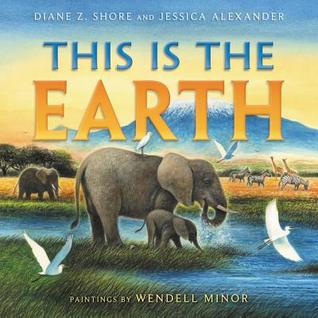
This is the Earth by Diane Z. Shore and Jessica Alexander illustrated by Wendell Minor HarperCollins Children's Books, 2016 review copy provided by the publisher
If you just read the visuals in this gorgeously illustrated book, you will trace the historical impact Americans* have had on the earth. In the first spread, there are no humans, in the second, a single canoe on a wild river. The sky dominates the third spread, but there is a group of teepees in the lower left corner. European settlers, railroads, steamships and airplanes appear in rapid succession, then modern cities, smoking landfills and waste spewing into the ocean. Before our eyes, a rainforest is leveled and glaciers melt into the ocean as polar bears look on. Just in the nick of time, we see recycling, commuters on bikes, a community garden, sea turtles being helped across the sand to the ocean, trees being planted, reusable grocery bags being carried. Finally, humans become a small part of the big picture again, as a group of four hike across a mountain meadow while alpine wildlife look on. Any grade level with a standard that teaches students to attend to the tone or mood created by the visuals in the media could use this book to spark rich discussions.
The text is rhyming, with the pattern, "This is the..." Mirroring the images, the book begins with "This is the earth..." then "This is the river..." and "This is the sky..." before changing to "This is the spike..." and This is the steamer..." and "This is the plane..."
Here is a sampling from the hopeful ending of the book:
"This is the Earth that we treat with respect, where people and animals interconnect, where we learn to find balance between give and take and help heal the planet with choices we make."
Linda is hosting the Poetry Friday roundup at TeacherDance.
*I originally typed "humans," but then realized that this story is predominantly that of the United States' impact on the environment. We're not the only ones, but we're huge, and if this giant would take a positive stand to make sweeping changes, we could lead the way toward a healing and healthy Earth.
0 Comments on Poetry Friday -- This is the Earth as of 1/1/1900
There Was an Old Dragon Who Swallowed a Knight is author Penny Parker Klostermann’s debut picture book. There Was an Old Dragon Who Swallowed a Knight is based on the children’s song “There Was an Old Lady Who Swallowed a Fly.” Penny’s tale follows a dragon who knows nothing of moderation or patience. However, thanks to the handiwork of Penny and illustrator Ben Mantle, the old dragon seems to know comedic timing. He swallows a noble night, a steed who runs at too fast a speed, and many other objects in the land — living or not. Something tells us this dragon is going to learn a lesson, today.
We all know that there was an old lady who swallowed lots of things. Now meet the old dragon who swallows pretty much an entire kingdom Will he ever learn a little moderation? This rollicking rhyme is full to bursting with sight gags, silly characters, and plenty of burps Parents and kids alike will delight in Ben Mantle’s precisely funny illustrations and in Penny Parker Klostermann’s wacky rhymes.
Click here to download the There Was an Old Dragon Who Swallowed a Knight activity guide from Random House.
Click here to download additional activities from Penny Parker Klostermann’s site!
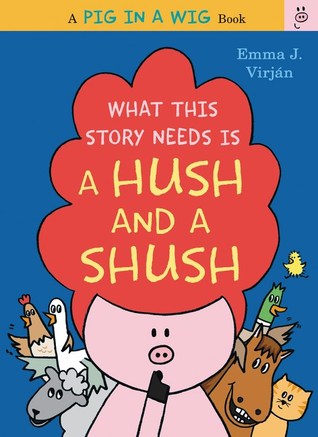
This time, Pig in a Wig is trying to get ready for bed and fall asleep, but all of the farm animals pile noisily into bed with her (making their entrance through the window to cue young readers with a visual for the animal's sound). And the farm animals can not settle down, so Pig delivers the signatuer (title) line, and all the animals take their animal noises and go snuggle in a pile in the barn.
That's not quite the end of it, but this book is as perfect as the first in adding a twist.
Fun times for the youngest readers!
Next up later in 2016 -- What This Book Needs is a Munch and a Crunch. YAY! A picnic lunch!
0 Comments on Pig in a Wig as of 2/4/2016 7:10:00 AM
Bear Snores On is the first book in Karma Wilson’s series about Bear; a huggable and loyal friend, connoisseur of popcorn, and avid swimmer. It’s that time of the year and Bear has gone to sleep for a long time. What happens when several of his woodland friends happen upon his warm lair?
Bear Snores On is a great book you can use to teach young readers about seasons, hibernation, friendship, and sharing. There are so many big lessons in one small book!
Karma Wilson’s reading of Bear Snores On was filmed during Angie Karcher’sRhyming Picture Book Revolution Conference (RPBC). The purpose of the RPBC is to educate and support authors who write rhyming picture books.
KidLit TV’s Read Out Loud series is perfect for parents, teachers, and librarians. Use these readings for nap time, story time, bedtime … anytime!
Parents and Educators: Click here to download free Bear Snores On activities! Explore books written by Karma Wilson including more books about Bear!
ABOUT BEAR SNORES ON
Bear Snores On(Illustrated by Jane Chapman) – One by one, a whole host of different animals and birds find their way out of the cold and into Bear’s cave to warm up. But even after the tea has been brewed and the corn has been popped, Bear just snores on! See what happens when he finally wakes up and finds his cave full of uninvited guests — all of them having a party without him.
Karma Wilson grew up an only child of a single mother in the wilds of North Idaho. Way back then (just past the stone age and somewhat before the era of computers) there was no cable TV and if there would have been Karma could not have gotten it. TV reception was limited to 3 channels, of which one came in with some clarity. Karma did the only sensible thing a lonely little girl could do…she read or played outdoors.
Playing outdoors was fun, but reading was Karma’s “first love” and, by the age 11 she was devouring about a novel a day. She was even known to try to read while riding her bike down dirt roads, which she does not recommend as it is hazardous to the general well being of the bike, the rider, and more importantly the book. Her reading preference was fantasy (C.S. Lewis, Terry Brooks, etc…) and historical fiction (L.M. Montgomery, Laura Ingalls Wilder, etc…). Those preferences have not changed much.
Karma never considered writing as a profession because her mother was a professional writer which made it seem like boring and mundane work. At the age of 27 she realized that she still loved well written children’s books of all kinds, from picture books to young adult novels. By that time Karma was a wife and the mother of three young children. Trips to the library with her children were a combination of emotions…when they got a good book there was fun to be had by all, but so many of the books weren’t what her children wanted to listen to.
Ten Zany Birds Written by Sherry Ellis Illustrated by Charu Jain Createspace 5/16/2015 978-1-49740458-4 42 pages Ages 3—5 Ten zany birds, singing in a tree, dance at a party, happy as can be. Five with stripes, fours with spots, one with purple polka dots. “When ten little birds get together, it’s …
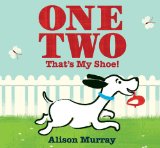
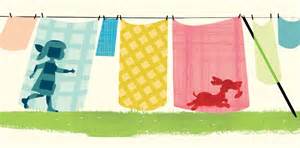
A delightful, cheery picture book, One Two That’s My Shoe by Alison Murray will have tremendous appeal for toddlers, preschoolers and older children. Beautiful illustrations feature a lovely palette and direct readers to notice numbers and what is to be counted in each two-page spread. Very well-suited to a classroom or a library read aloud session, the illustrations are bold and large enough for a group to enjoy.
Georgie Dog picks up one of Grace’s shoes and within minutes a chase ensues. Georgie jumps over three teddy bears and races past four wooden blocks. Soon after, he rushes outside and into the garden. Grace chases after him. This is a playful pup with a winning personality. He is clearly having fun until he encounters ten upset chickens.
One Two That’s My Shoe is a special delight and highly recommended.
Young readers may recognize Georgie Dog and Grace from Apple Pie ABC
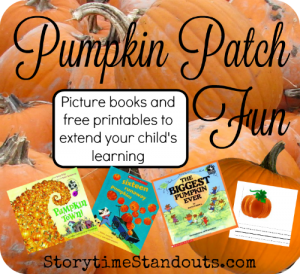
We live very near to several pumpkin patches. At this time of year, the leaves have died away to reveal gorgeous orange fruit. If you and your family have an opportunity to trudge through muddy fields to select just the right pumpkin, be sure to extend your child’s learning with pumpkin theme picture books and printables.
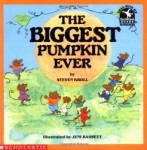
Clayton and Desmond each fall in love with the same pumpkin and are soon working night and day to water and fertilize it. Before long, it is absolutely enormous! One night, as they work to protect the pumpkin from frost, the two young mice meet and discover that they have both been working on the same pumpkin project. Before long, it is time for a pumpkin contest and, together, the new friends enlist the help of dozens of field mice to transport the pumpkin into town.
With only a brief reference to carving a smiling jack-o-lantern face, this story is primarily about caring for the growing pumpkin, discovering a new friend and working cooperatively together. The Biggest Pumpkin Ever
is a great opportunity to explore the life cycle of a pumpkin. It will be enjoyed by preschool, kindergarten and early primary age children.
José’s family grows pumpkins and usually they are very careful to only grow the best. One day José and his five brothers discard some ‘lesser’ seeds carelessly. The seeds are blown into town and land on straw roofs and in soil. When spring arrives, the seeds began to grow. Soon intrusive vines push through windows and heavy pumpkins threaten to drop out of trees and off rooftops. José and his family are blissfully unaware of the problem until the brothers venture into town.
Acknowledging their mistake, the boys set about harvesting the pumpkins and returning the town to normal. Observant readers will accurately predict the impact of rewarding the brothers’ hard work by giving them watermelons to eat.
Very good fun for preschool, kindergarten and early primary age children. No reference to Halloween.
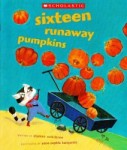
Sixteen Runaway Pumpkins Rhyming, counting picture book about harvesting pumpkins written by Dianne Ochiltree and illustrated by Anne-Sophie Lanquetin
Sam Raccoon is confident when she heads out to the pumpkin patch. She pulls a large blue wagon behind her and she is soon filling it with big, lumpy pumpkins. At last the wagon is stacked with sixteen bright orange pumpkins that wiggle and wobble as she pulls it down the bumpy road. Soon, the pumpkins tumble out of the wagon and roll and bounce down the hill to the farmhouse.
Sam runs after the tumbling pumpkins and is disappointed when some are cracked but Grandpa knows exactly what to do with cracked pumpkins. The family gets to work and soon enjoy a delicious dessert.
Engaging illustrations, rollicking rhymes and the chance to count along will have great appeal for preschool, kindergarten and early primary age children.
Here are some new books that feature the first day of school.
(if you cannot access the slide show, reviews are below)
First Grade, Here I Come! by Tony Johnston
A playfully rambunctious boy plans his first day of first grade, "For show-and-tell, no teddy bears. I'll bring my snake - oh joy! My friends will hold my boa up. (I call him Huggy Boy.)" For this scene, the playful illustrations show the teacher standing atop her desk while the kids hoist Huggy Boy. Cheerful, silly fun!
Bob and Flo by Rebecca Ashdown
It's Flo's first day at preschool. Not only does she find her missing bucket, she finds a friend. Cute.
ABC School's for Me! by Susan B. Katz
"Eating snack around the rug, Friends who share a hello hug." A cute, rhyming, and encouraging ABC book. Dad's First Day Mike Wohnoutka Here's a twist on "first day of school" books - it's Oliver's dad who has the first day of school jitters! (Picture Oliver's teacher carrying Oliver's crying dad outside.) "The teacher walked Oliver's dad outside." "Bye, Daddy!" But don't worry ... it all turns out OK.
Monkey: Not Ready for Kindergarten by Marc Brown
In crayon-inspired illustrations, Marc Brown tells the story of a monkey worried about his first day at school. "What if his teacher doesn't like him? What if he gets on the wrong bus? What if he can't find the bathroom? ..." With time and patient help from his parents and friends, Monkey slowly gets ready for Kindergarten.
Rosie Goes to Preschool by Karen Katz
Rosie's not worried about her first day of preschool. In fact, she'll tell you all about it! Happy, simple, and multicultural - this is a classic Karen Katz book.
Not This Bear: A First Day of School Story by Alyssa Satin Capucilli
In this story of a bear's first day at school, author Alyssa Satin Capucilli shows that going to school does not mean giving up one's individuality. Bear clings to some familiar things and habits from home, but still fits in and enjoys himself at school. An interesting and reassuring take on "first day at school" books.
Ally-saurus & the First Day of School by Richard Torrey
Is there room for a dinosaur girl in a school filled with princess girls? Of course there is! "Taking off her favorite dinosaur pajamas, Ally-saurus dressed in her brand-new first-day-of-school outfit. "Your pants are on backward," said Father. "That's so my dinosaur tail can stick out," explained Ally-saurus. Let's wear our pants the right way," said Father. "ROAR!" said Ally-saurus."
Eva and Sadie and the Best Classroom EVER! by Jeff Cohen
Big sister Sadie tries to help Eva get ready for Kindergarten - but teaching her math and reading may not be the best way to help!
0 Comments on Picture Book Roundup - First Day of School Books as of 7/20/2015 8:42:00 AM
Every classroom teacher has a special tradition that gets pulled out each holiday season. In devising my own tradition, I fell back on what I know: Dr. Seuss. I spent my senior year of college becoming a Seuss-ologist (a term coined by my now-fiancé) while working on a research project that explored the language use in Dr. Seuss books. One of the primary take-aways from that project was that poetry has a special power to captivate kids, especially when it is shared orally.
And so, for my holiday tradition, I decided to memorize the entirety of How the Grinch Stole Christmas! and then recite it to my students to kick off a day of Grinch-related literacy events.
When the Grinch-Day arrived last year, I was nervous that all of those rhymes I’d spent months memorizing would jumble together in my head. Instead, what happened was that my worries evaporated as my students and I reveled in the wonder of word play and language together. Even my most fidgety kids sat still while I shared the story; they hung on every word, despite the fact that most of them already knew the story quite well. No one interrupted, no one turned to talk to a neighbor – it was one of the most engaged moments we experienced in my classroom all year.
And, I don’t think it had much to do with the fact that I had worked so hard to memorize the story. If I had to sum up their captivation, it was 10% “Wow, my teacher is pretty cool!” and 90% “What’s that Grinch up to now?” or “That’s really fun to say!”
Kids seem to have an intrinsic interest in language and words – that’s one reason why I think the Dr. Seuss stories, which epitomize language play, continue to be so popular with readers of all ages. My students always love when our read-aloud is a Dr. Seuss tale, but their reaction to this recitation experience was on a completely different level than their typical responses.
With no pictures to take some of their attention off the words, I believe that my students could focus on the sheer delight of rhythm, alliteration, and all of those other literary devices poets so aptly incorporate into their work. It also allowed them a chance to use their own imaginations to picture the story unfolding, rather than having an illustration present them with “the way the story looks.”
And was it a fluke what happened in my classroom that day? / Well, I repeated the exercise this year in the same way, / to an audience of students who all sat bolt upright, / with expressions on their faces nothing short of sheer delight.
So teachers and parents, here’s a New Year’s challenge for you: memorize a piece of poetry (it doesn’t matter how long) and then recite it to a child you know. Be sure to share your results. As for me? I’ve started memorizing The Lorax.
So many rhyming animals (up to and including a panda in a blouse) join the pig on her boat that she finally sends them all away, which leaves her blissfully, and then forlornly, alone. Until...surprise ending!
A book with not too many words needs to have interesting pictures that help the reader and add to the story, like when the goat on the log performs a balancing act, or when the rat trades its top hat for a swimming cap when pig sends them all off the boat. And not only does this book have a pig in a wig, it has lots of hidden pig snout shapes to look for.
This book is kid-tested and kid-approved. With no prompting, kindergarteners began rhyming along with the book (although they did have to ask what a blouse was). And they loved the author's picture (she's wearing a drawn-on red wig and a pig nose).
Looking forward to more books in this fun series!
Margaret has the Poetry Friday roundup today at Reflections on the Teche. Next week we'll start building the July-December schedule!
0 Comments on Poetry Friday -- Probably Not Poetry, But a Darn Cute Rhyming Book as of 5/29/2015 6:59:00 AM
My newest picture book for children is here! "Miss Emma Ant" tells the story of talented, hard-working Emma, the architect for her colony's anthills. Ants in the colony, not recognizing their own special skills, grow jealous of Emma, and taunt her until she quits her job. Chaos ensues! Will pleas from apologetic ants convince Emma to return to work? Vibrant, expressive illustrations and fun
0 Comments on Miss Emma Ant as of 3/9/2015 4:17:00 AM
I've been goofing off for a few weeks, enjoying some family time while my oldest were home from college for the holidays. Now it's time to get back to business.
I tried something new today. I put my favorite, rhyming Valentine's Day books for story time in a Riffle list that should allow for scrolling. I'll put my favorite Valentine's Day rhymes and songs below. Enjoy!
"A Kiss" (a fingerplay, prop story, felt board, or song)
There's something in my pocket, Could it be a moose? Could it be a train with a bell and a caboose? Could it be a snake or some sticky glue? Right here in my pocket is a KISS from me to you! (blow kiss)
I have a photo of a moose glued to a popsicle stick, a train whistle, a bell, a plastic, jointed snake, and glue. I pull them all out at the appropriate times. Credit: King County Library System
A Valentine fingerplay:
Show children how to put the "heels" of their palms together and then curve fingers around , meeting on top to form a heart. The rhyme goes like this:
"I put my hands together, this is how I start; I curve my fingers right around and I can make a Heart!"
What a wondrous time for the kidlets; so much sparkle, magic, excitement and curiosity in the air. Christmas time is about bringing families together, and what better way to get close to your ‘little’ loved ones than to snuggle up with some adorable books. Here we count through three delightful books that foster a love […]
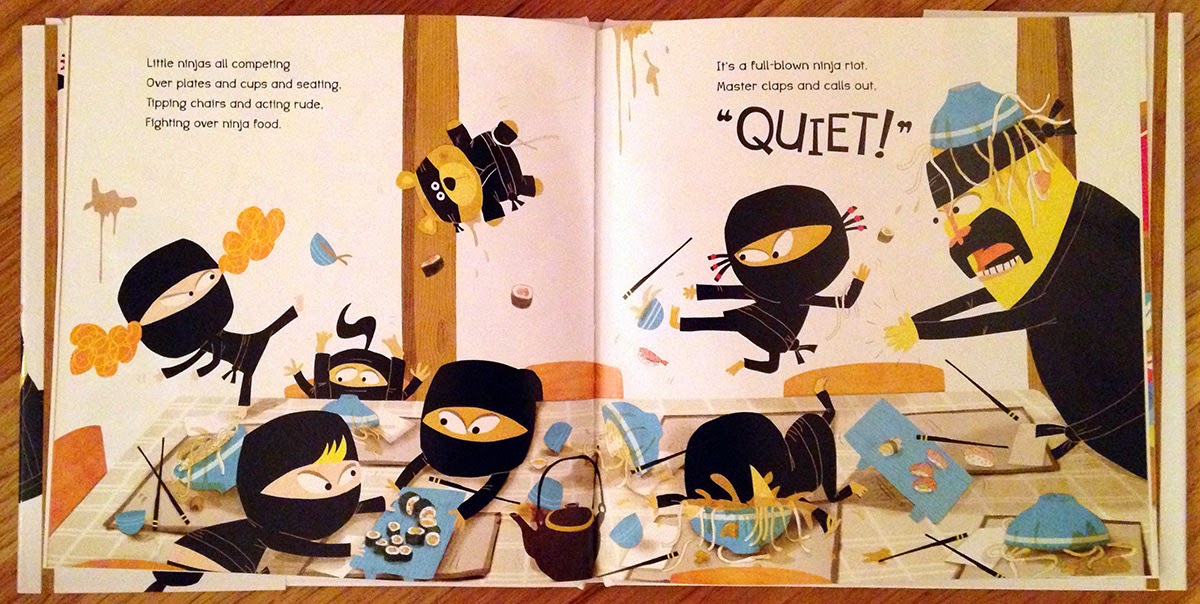
I've been meaning to share this gem of a picture book for some time. Dojo Daycare, written and illustrated by Chris Tougas is published by Owlkids Books.
There is so much to love in this smart, modern, and funny rhyming picture book. It is paced beautifully and you can feel the tempo pick up and then settle down for the ending. I found the framework of the dojo daycare and sympathetic storyline toward the 'master' really inventive. My kids (5 and 3 years old) love rereading to follow the smaller details and mini-plots.
You can track each ninja and their ninja pets at home, the bear as he gets pulled apart (and see where he ends up!), and my kids' favorite part - see the little green fluff coming from one little ninja. Yup. It's a silent but HILARIOUS surprise when you figure out how that last fight starts.
I was given a review copy by the publisher, but my words and opinions are my own.
0 Comments on Book Review: Dojo Daycare as of 10/22/2014 7:39:00 PM
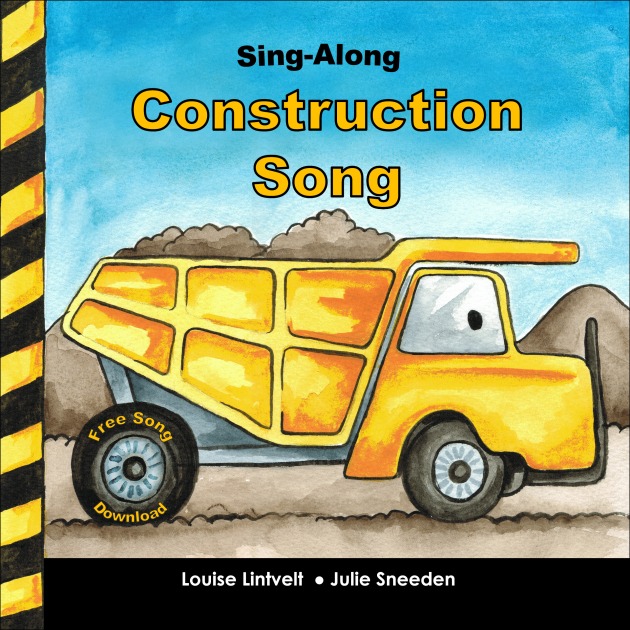
We really enjoyed this tale about various construction vehicles and the job they do. Each vehicle describes their function and then happily sings a song set to the tune of “London Bridge” about their work. At the end they all sing together about how they work as a team to get the job done. Great message for young children about having a positive attitude and teamwork. You can purchase this ebook for $2.99 at Amazon or get it for FREE using Kindle Unlimited which is a new subscription service by Amazon to read up to ten books at a time for a monthly fee of $9.99. They are currently offering free 30-day trials if you want to check it out. As always all of our children’s books are available in the Kindle Unlimited program as well.
**We received a free copy of this book in exchange for an honest review.**
Title: The Cat Who Lost His Meow | Author: Angela Muse | Illustrator: Helen H. Wu | Publication Date: June 1, 2014 | Publisher: Independent | Pages: 32 | Recommended Ages: 3+
Summary: Chester the lazy calico cat has suddenly lost his meow. He’s looking everywhere, but can’t seem to find his voice. When Chester puts himself in a frightening situation he not only finds his voice return, but he also finds his courage. This experience makes Chester appreciate things a little bit more than he had before.
Priced at only $.99 during this promotion.
About the Author: Angela Muse
Angela Muse
Angela Muse was born in California to a military family. This meant that she got used to being the “new kid” in school every couple of years. It was hard trying to make new friends, but Angela discovered she had a knack for writing. In high school Angela began writing poetry and song lyrics. Expressing herself through writing seemed very natural. After becoming a Mom in 2003, Angela continued her storytelling to her own children. In 2009 she wrote and published her first rhyming children’s book aimed at toddlers. Since then she has released several more children’s picture books and released her first young adult romance series, The Alpha Girls, in 2012.
Prize: $50 Amazon Gift Card or PayPal cash (winner’s choice)
Contest ends: July 29, 11:59 pm, 2014
Open: Internationally
How to enter: Please enter using the Rafflecopter widget below.
Terms and Conditions: NO PURCHASE NECESSARY TO ENTER OR WIN. VOID WHERE PROHIBITED BY LAW. A winner will be randomly drawn through the Rafflecopter widget and will be contacted by email within 48 hours after the giveaway ends. The winner will then have 72 hours to respond. If the winner does not respond within 72 hours, a new draw will take place for a new winner. Odds of winning will vary depending on the number of eligible entries received. This contest is in no way sponsored, endorsed or administered by, or associated with Facebook. This giveaway is sponsored by the author, Angela Muse and is hosted and managed by Renee from Mother Daughter Book Reviews. If you have any additional questions – feel free to send and email to Renee(at)MotherDaughterBookReviews(dot)com.
The Great Big Green by Peggy Gifford illustrated by Lisa Disimini Boyds Mills Press, 2014 review copy provided by the publisher
Readers who know and love Peggy Gifford's Moxy Maxwell series of chapter books will be surprised to read this rhyming riddle book. In years to come, readers who know The Great Big Green will be delighted to discover Moxy Maxwell!
The Great Big Green describes every possible shade of green and many green things, both living and non-living. You might guess what The Great Big Green is...if I tell you that where it's not green, it's blue!
The detailed multi-media collage illustrations are worthy of child-in-lap explorations to find and name as many green things as possible.
0 Comments on Picture Book Surprises, part 1 as of 6/18/2014 7:21:00 AM
7 Rhyming Picture Books about Animals from the US and Australia.
FUN as well as educational!
About ten years ago I had this series published in eBook format by Writers Exchange.This was an Australian publisher.CEO Sandy Cummins was wonderful to work with - helpful, supportive and open to suggestions.However, at that time eBooks were a novelty, and the eReaders of today were still a glint in their designers' eyes. The series received terrific reviews, but sales were dismal.
Now, thanks to Sandy allowing me to offer the series to Guardian Angel Publishing, a publisher that specializes in child friendly and educational picture books, my Wild and Wonderful series is being published in soft cover, and will be available on Amazon and other sites: Guardian Angel Publishing, + my website. YEA!!!
I am absolutely THRILLED that my Wild and Wonderful series is finally being published in soft cover. It has been a long wait, but well worth the time and the effort.
<!--[if gte mso 9]>Normal0falsefalsefalseEN-USX-NONEX-NONEMicrosoftInternetExplorer4<![endif]-->My “Dreamtime Man” is taking shape
A rhyming picture book for grades 4 and up
Illustrator, Ioana Zdralea, did an awesome job of interrupting this wild and mysterious Dreamtime land. I am thrilled!! This is the illo she sent me for the first two verses. The verses describe the harshness of where the Australian aboriginals had to scratch out a living,
OUCH! SUNBURN!by
Donna J. Shepherd
A Wings of Faith Children's Book
Author: Donna J. Shepherd
Illustrations: Kevin Scott Collier
ISBN: 1-933090-60-X
ISBN 13: 9781933090603
Scroll down to see a video!
From the Publisher: Donna J. Shepherd’s snappy rhymes along with the 15 colorful and fun illustrations by Kevin Scott Collier help children see the need to protect their skin in
5 Comments on Trailer: Ouch! Sunburn!, last added: 6/12/2013
OK, silly title. And if anyone under 30 reads this post, they’re not gonna get the reference to Moon River.
But heck, I like it, so off we go…
Many kidlit writers hear “don’t rhyme” from picture book editors. It’s not that editors hate rhyme (well, maybe SOME do), it’s just that they see badly-executed rhyme so often in the slush, it’s easier to discourage it. Common rhymes like “me, see” and “you, two” and other one-syllable predictability can kill the joy of a story.
Remember “Celebrity Apprentice” when the men’s team gleefully authored “I know my A, B, C’s and my 1, 2, 3′s” as if it hadn’t been regurgitated in a googolplex of board books? They thought it was a rhyme worthy of victory and publication. Well, they did win the challenge, but the book Trump promised to publish was released by a vanity press, not a traditional publisher. No publisher was gonna touch it, ten foot pole or not.
Editors also see a lot of rhyme with flawed meter. Meter is a tricky thing. There’s stressed and unstressed syllables, plus the lilt of natural speech patterns that can render your meter more choppy than Zoanette Johnson’s drumming. If you read your own rhyme aloud, you might not even hear how off it is, because you are forcing yourself to follow the pattern you created.
Then there’s the near-rhyme mistake, when the words don’t really rhyme at all, unless you twist your tongue or alter your accent. Like “hat” and “what” or “hat” and “back”. Once or twice and you can maybe get away with it. More than that and the editor may assume you need the WaxVac.
Moreover, writers can find their story dictated by rhyme, getting trapped in nonsensical situations simply because “dishwasher” rhymes with “impostor” (almost). It’s obvious when a plot decision has been forced based upon one word.
For these reasons, editors will advise, “don’t rhyme”.
For these reasons, author Lane Fredrickson created RhymeWeaver.com.
Lane is the author of WATCH YOUR TONGUE, CECILY BEASLEY, a rhyming picture book with a joyfully jaunty rhyme. Remember as a child when you stuck out your tongue and a parent warned, “It will get stuck that way!” Well, Cecily finds herself in that very predicament. Hilarity ensues when a bird takes up residence on Cecily’s perfect pink perch. What’s Cecily to do?
Knowing the difficulty of rhyme for picture book writers, Lane created RhymeWeaver.com to teach the bard-challenged the complexities of rhyming well.
Lane, your rhyme is perfection! How did you get to be so good at it?
Ha. Thank you, Tara.
The short answer would be: a gnawing question and a genetic glitch.
But there is also the long answer. When I first joined SCBWI, everybody seemed to be telling everyone else NOT to write in rhyme, like there was a disease associated with it. You know, literary sarcoma or writer’s blockjaw. You almost didn’t want to admit you were a rhymer lest they sit in some quarantined section and slap a scarlet R on your forehead. The other thing I kept hearing was that a person’s rhyme had to be PERFECT. I wanted to write PERFECT rhyme, but I could never get a really good answer as to what PERFECT rhyme was. This is the kind of scenario that drives a slightly obsessive-compulsive person to behaving obsessively compulsive. So I googled around and studied my Seuss and found a website that offered critiques for $50. The critique, although well-intentioned, was just plain bad advice involving “counting syllables.” And don’t get me wrong, I’ve definitely given bad advice (but I’m pretty sure it was free when I did it). I totally get that sometimes bad advice seems good because it comes from multiple sources, but “counting syllables” is not the way to perfect meter and I had (being slightly obsessive compulsive) already figured that out. So I went back to school thinking I’d take a poetry class and clear up the PERFECT meter issue. But the thing about college is they don’t tell you what you want to know, they tell you whatever they want to tell you. So it took a BA in English and healthy stab at an MA in British Lit to figure it out that meter is a lot of things, but PERFECT is rarely one of them (I only stabbed at the MA, I haven’ t killed it yet).
What inspired you to put all your rhyming knowledge into a website?
I watched a lot of people go through exactly what I went through: trying to figure out the rules, trying to decide if writing in rhyme was worth the stigma, trying to find complete resources that explained everything. I have a degree in psychology, where I focused on cognition and development (which is the opposite of those people who ask you to talk about your problems). Cognitive and developmental psychologists look at how people think and how they grow, mature, and learn. I knew that I could show meter in a way that’s visual and image-based. I knew that I could break it down into constituent parts in a way that I had never seen done. I knew that I could make it easier to grasp. But I wanted it to be free because I’m trying to improve the status of rhyme in the literary world and the more people who rhyme well, the less it looks like I have a disease.
Lane’s website has already helped this ruined rhymer who can’t hear meter even if I got whacked upside the head with it. So I encourage you to pay RhymeWeaver.com a visit, Pin it, share it, study it, LIVE IT. Children deserve better rhyming picture books like CECILY BEASLEY.
And hey, you can WIN CECILY! Just leave a comment telling me about the most interesting thing you learned at RhymeWeaver.com. A winner will be picked randomly in a week (or knowing me and prize distribution, two weeks).
So don’t hesitate, get out there and rhyme, oh Kate! (Sorry if your name isn’t Kate. I had to end on a rhyme.)
12 Comments on RhymeWeaver, Wider than a Smile (plus a giveaway!), last added: 2/27/2013
I love the ideas on that site! I just now enjoyed reading about syllables — stressed and unstressed — and pondering how to present it to my kindergartner. I’d love to be entered in the giveaway.
Rita Antoinette Borg said, on 2/27/2013 9:35:00 AM
I learned that you could learn about meter and rhyme and it doesn’t have to come naturally. Will read this site over and over again until i understand it completely.
The Truth about Rhyme in Books for Children | One said, on 2/27/2013 9:36:00 AM
[...] RhymeWeaver, Wider than a Smile (plus a giveaway!) | Writing for Kids (While Raising Them). [...]
donnashepherd said, on 2/27/2013 9:37:00 AM
I just clicked on the tab for “Double Rhymes” and learned more about Masculine and Feminine endings. Bookmarked and plan to share. Thanks!
Miranda Paul said, on 2/27/2013 9:39:00 AM
The judges at Rate Your Story thank you for posting this! Writers need to hear it.
Tamson said, on 2/27/2013 9:45:00 AM
What a smart idea for website! And how cleverly you present the information. You’re right–meter is an elusive skill. And its important to point out that there is a degree of subjectivity to it. While we can often agree on which syllables are stressed, sometimes people just have a quirky way of pronouncing things and sometimes people will emphasize different words in a string of monosyllabic words. Also, a certain amount of variation in meter helps add interest or make a particular point in your verse. While you must work to nail down the meter as clearly as you can, you’ll never be able to control it completely. Live readings will always bring variations.
julie rowan zoch said, on 2/27/2013 10:00:00 AM
Pinned, shared, studied…scared! That meter thang! Can hear it when it’s off, don’t notice when it’s on (good thing, right?), but figuring it can feel like learning tango steps without a partner! Since I am not done with all the goodies at RhymeWeaver, I’ll just mention here how I like learning about ‘almost rhymes’ – slanted, sloping, sloppy…not!
Madeline Barr (@MadelineBarr) said, on 2/27/2013 10:06:00 AM
Another great post, Tara. Both you and Lane made me chuckle and, once again, provided some excellent information.
Lane’s site looks excellent! I love the pages on stressed and unstressed syllables. I’m seeing words a little differently now. The graphics seem to help the little light bulb in my head, not only turn on, but shine bright.
Thanks for posting about this site. I can’t wait to go through the whole thing.
Madeline
MJ Pinkstone said, on 2/27/2013 10:29:00 AM
I have always enjoyed rhymes in children’s stories and now there is a source of information which will help perfect my own rhyming. Thank you, Lane for creating RhymeWeaver.com and thank you, Tara for bringing it to our attention!
Kim MacPherson said, on 2/27/2013 10:29:00 AM
Great post! And I love the new site… and I always knew about meter, but never saw it expressed as a function of stressed and unstressed syllables, metrical feet, and metrical lines. This will be a way cool site to explore!
Jennifer Young said, on 2/27/2013 10:33:00 AM
Very helpful website Tara! And easy to navigate. I learned that rhymes ending on an unstressed syllable, are called Feminine Endings. Thanks for sharing
Donna L. Sadd said, on 2/27/2013 10:43:00 AM
Great post Tara. I found Lane’s site a few weeks ago while trying to smooth out a rhyming PB story for 12×12. I hate that negativity exists in the publishing world with regard to rhyming stories (because I love them so much and I believe children do as well), but instead of trashing the piece, I sought ways to make it ‘perfect.’ It’s an extremely elusive concept to grasp, but Lane’s visual approach helped greatly. I’m happy I found RhymeWeaver.com and just know I’ll be popping in all the time. Thanks Lane; I would love to win Cecily!
Yes, it's January and the temperatures have been in the teens, but soon catchers and pitchers will report to spring training, and on February 21, Spring Training games will begin.
Here are two new books for the littlest of fans:
Kawa, Katie. 2013. My First Trip to a Baseball Game. New York: Gareth Stevens. (part of the My First Adventures series)
In three very simple chapters, this little book introduces children to a baseball game, offering information on the park, the food and the game. From the chapter, "At the Baseball Park,"
My dad holds our tickets. They tell us where to sit. We get food to eat. My mom and dad get hot dogs.
The illustrations are simple cartoon-style depictions of a family's trip to the game with a heavy focus on the family's activities. If just a little bit of baseball is what you're seeking, this will do fine. A Table of Contents, Index, and Words to Know make this one perfect for school use, however, it's also suitable for adding a little nonfiction to storytime.
Reading Level: Grade K Fountas & Pinell: C Dewey: 796.357 Specifications: 7 5/8" x 7 1/8", 24 pages Lexile Level: 130
Less perfunctory and more enjoyable is Goodnight Baseball.
Dahl, Michael. 2013. Goodnight Baseball. N. Mankato, MN: Capstone. (Illustrated by Christina Forshay)
The great big stadium is outside of town. Fans and friends come from miles around.
and ending with a nod to Margaret Wise Brown's Goodnight Moon,
Goodnight, popcorn boxes under the stands
Goodnight, mascot and goodnight, fans! Goodnight, friends. Goodnight, cars. Goodnight, stadium, under the stars ...
Goodnight Baseball takes the reader on a baseball outing with a small boy and his father. Snacks, caps, and even a foul ball are part of a winning day. Brightly colored full-bleed illustrations offer a broad view of the game, the fans, and the park with a focus not on the boy and his dad, but rather, on their place in the larger context of the day. Expressive faces show the myriad expressions seen during a day at the park - excitement, determination, surprise (no sadness here - the home town wins). Creative endpapers evoke the Green Monster, the boy's favorite team, and tickets stuffed in the pocket of denim jeans. Goodnight Baseball is a hit. (Due on shelves March 1, 2013)



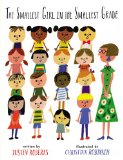 The Smallest Girl in the Smallest Grade written by Justin Roberts and illustrated by Christian Robinson
















 is a great opportunity to explore the life cycle of a pumpkin. It will be enjoyed by preschool, kindergarten and early primary age children.







.jpg?picon=696)





 Remember “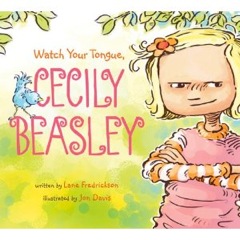
 What inspired you to put all your rhyming knowledge into a website?


Ok Rocco can read to me anytime
I remember that book as a kid and loved it and I still love it
Thanks for bringing back my childhood memories Rocco
GOOD READING!
patte