new posts in all blogs
Viewing: Blog Posts Tagged with: List, Most Recent at Top [Help]
Results 1 - 25 of 110
How to use this Page
You are viewing the most recent posts tagged with the words: List in the JacketFlap blog reader. What is a tag? Think of a tag as a keyword or category label. Tags can both help you find posts on JacketFlap.com as well as provide an easy way for you to "remember" and classify posts for later recall. Try adding a tag yourself by clicking "Add a tag" below a post's header. Scroll down through the list of Recent Posts in the left column and click on a post title that sounds interesting. You can view all posts from a specific blog by clicking the Blog name in the right column, or you can click a 'More Posts from this Blog' link in any individual post.

By: Shelley Workinger,
on 10/28/2016
Blog:
But What Are They Eating?
(
Login to Add to MyJacketFlap)
JacketFlap tags:
List,
Halloween,
Horror,
Best,
Top 10,
Shirley Jackson,
Reads,
Clive Barker,
Shelley Workinger,
FoodFic,
Children of the Dark,
Haunting of Hill House,
Hellbound Heart,
Jonathan Janz,
Kea Wilson,
We Eat Our Own,
Add a tag
Happy Spooky Book Season, Hungry Readers!
Instead of just filling you up with the details of what I've devoured this delicious month, I've decided to give you a menu from which you can make your own selections.
I can't tell you what foods you will encounter in each title, but rest assured that in every one of these works of horror, someone is eating...or being eaten. ;)
Feel free to add any tasting notes below! Shelley W.
TOP 10 HORROR BOOKS OF 2016* 1.
Children of the Dark,
Jonathan Janz 2.
The Consultant,
Bentley Little 3.
The Doll-Master,
Joyce Carol Oates 4.
The Fireman,
Joe Hill 5.
The Gods of H.P. Lovecraft,
Aaron J. French
6.
Mr. Splitfoot,
Samantha Hunt 7.
My Best Friend's Exorcism,
Grady Hendrix 8.
Pressure,
Brian Keene 9.
Security,
Gina Wolsdorf10.
We Eat Our Own,
Kea WilsonTOP 10 HORROR CLASSICS** 1.
Haunting of Hill House,
Shirley Jackson 2.
Rosemary's Baby,
Ira Levin 3.
The Call of Cthulhu,
H.P. Lovecraft 4.
It,
Stephen King 5.
Horns,
Joe Hill
6.
Hell House,
Richard Matheson 7.
Ghost Story,
Peter Straub 8.
Frankenstein,
Mary Shelley 9.
Don't Look Now,
Daphne Du Maurier10.
The Hellbound Heart,
Clive Barker *Compiled by
Booklist**Complied by
The Lineup
The truth is, I’m kind of a fake introvert. On those ubiquitous personality tests I hover right on the line between the two extremes. Nonetheless, a big social event like a SCBWI national conference can be overwhelming, and all the networking can push a pseudo-introvert like me to the point of social burnout. I’ve collected some tips below that have helped me have the best possible experience at one of these events. (If you want to learn more about what a SCBWI conference is, click here.)

Promo postcards and portfolio page, ready to go.
1. Homework
The seeds of a great experience are sown long before you get to the conference.
- Try to read at least one book by every speaker. It makes their keynote more illuminating.
- To be a real overachiever, come up with a question or two you’d want to ask each faculty member. If you ever end up sharing a table with them or in a Q&A session, you’ll be ready to participate.
- If you’ve been to prior conferences, go through the contacts you made back then and refresh your memory. For extra credit, check out their websites to see what new stuff they’ve been up to. There’s nothing worse than introducing yourself to someone only to hear “um, we met last year.” (Sorry about that, Rodolfo.)
- If you’re attending sessions with assignments, make sure to do your homework ahead of time.
2. Stuff you should probably bring with you
In addition to your underwear and toothbrush and so forth, don’t forget the following:
- Your portfolio/dummy books/whatever.
- Postcards and/or business cards.
- A sketchbook/notebook and something to write with.
- A copy of any of your recently published books that you want to show to your friends.
- Copies of other people’s books that you want to get signed.
- Warm things (it’s ALWAYS cold in the hotel. Plus it’s New York in February.)
- Earplugs for sleeping if you’re sharing a room with friends.
- Sleep mask (ditto to above.)
3. Networking tips for introverts, or something
I probably shouldn’t be giving advice at all in this area.
- Try to avoid looking at your feet while talking to people.
- Resist the urge to apologize for your work.
- Be genuinely interested in other people.
- Don’t be afraid to introduce yourself.
- Don’t be one of those annoying, pushy people who stalk the faculty members.
- Sit in the front. You can see so much better. Actually, never mind. DON’T sit in the front, because I want to sit there.
4. Chilling Out
For an introvert, a big conference in New York City is remarkably taxing. While the whole point of the conference is to network and go to keynotes blah blah blah, it’s okay to take some time to get away from it all in order to survive.
- Use the gym or pool if there is one to get away from people for a little while.
- Have your own room if you can afford it. This helps a ton, but it’s like $400 a night so I get it.
- Skip a keynote if you have to. Or two.
- Leave the hotel and go somewhere else. Cafes are good.
Have you been a national conference or book fair? What tips would you suggest? Feel free to share in the comments!

By:
Monica Gupta,
on 5/31/2015
Blog:
Monica Gupta
(
Login to Add to MyJacketFlap)
JacketFlap tags:
products,
list,
Cartoons,
market,
rate,
vegetable,
costlier,
increased,
List of products to get costlier from June 1,
service tax,
Add a tag
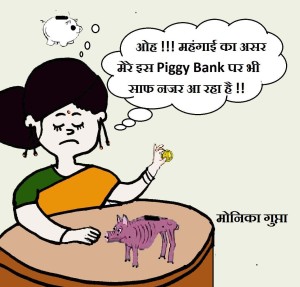
महंगाई महंगाई महंगाई !!!! आम आदमी के लिए जीना मानो दूभर होता जा रहा है … कोई बचत करे तो तब करे जब कुछ बचे … यहां तो सैलरी आते ही… इसका बिल उसका बिल, दूध, बिजली, पानी, पैट्रोल , फीस, आदि भरते भरते जेब खाली हो जाती है… बेचारे पिगी बैंक का हाल आप देख ही रहे हैं
मध्यम वर्ग की लगभग आधी आबादी ने फलों पर किए जाने वाले खर्च का कम कर दिया है या फलों का उपभोग छोड दिया है। जी हां, ऎसा इसलिए हो रहा है कि क्योंकि बेमौसम बरसात के कारण पैदावार घटने से पर्याप्त आपूर्ति नहीं होने और बिचौलियों की बढती भूमिका के कारण बाजार में इस वर्ष आम, केला, अंगूर और सेब जैसे फलों की कीमतों में पिछले वर्ष के इसी सीजन की तुलना में 45 फीसदी तक की बढोतरी हुई है जिसके कारण मौसमी फल आम जनता की पहुंच से दूर हो गए हैं.
news vegetable and fruit rates high in market must read
Read more…
List of products to get costlier from June 1
नई दिल्ली। हर महीने की एक तारीख का लोगों को बेसब्री से इंतजार रहता है। 1 तारीख का आमतौर पर मतलब होता है तनख्वाह आना। लेकिन, 1 जून यानी सोमवार को आपकी जेब भारी नहीं हल्की होगी। ऎसा इसलिए क्योंकि आपको मंहगाई का झटका लगने वाला है। सर्विस टैक्स की बढी दरें एक जून से लागू हो जाएंगी। सोमवार से 14 प्रतिशत सर्विस टैक्स देना होगा। इसमें एजुकेशन सेस भी शामिल होगा। अभी सर्विस टैक्स 12 प्रतिशत है। एजुकेशन सेस मिलाकर यह 12.36 प्रतिशत होता है। लेकिन एक जून से होटल में रूकना-खाना, गाडियां, मूवी टिकट की ऑनलाइन बुकिंग, मैरिज वेन्यू, केबल सर्विस, रेल और हवाई यात्रा समेत कई सेवाएं महंगी हो जाएंगी। निगेटिव लिस्ट में शामिल एग्रीकल्चर, मेडिकल, समेत 16 सेवाओं की कीमत में बदलाव नहीं होगा। इससे सरकार की कमाई में 25 फीसदी तक बढोतरी होगी। इस साल 2.09 लाख करोड रूपये मिलेंगे। पहले 1.68 लाख करोड कमाई का अनुमान था। ये सब भी होंगे महंगे-होटल में रूकना-खाना। -वाहन खरीदना। -मूवी टिकट की ऑनलाइन बुकिंग। – मैरिज वेन्यू। -केबल सर्विस। -कुरियर, एप बेस्ड कैब सर्विस। -ब्यूटी पार्लर-सैलून में मसाज। -प्लास्टिक बैग, बोतलबंद पानी। -म्यूजिक कंसर्ट, थीम पार्क। -इंश्योरेंस प्रीमियम भी होगा महंगा। -रेल और हवाई यात्रा समेत कई सेवाएं होगी महंगी। जानें, कितना पडेगा असर-1000 का टिकट 5 रूपए महंगा होगा। -1000 के खाने पर 49 रू. ज्यादा लगेंगे। -1000 रू. के मोबाइल बिल पर 16 रू. ज्यादा। List of products to get costlier from June 1 Read more…
कुल मिला कर इस महंगाई का कोई न कोई समाधान जरुर निकलना चाहिए अन्यथा …
The post महंगाई appeared first on Monica Gupta.

By: Kathy Temean,
on 1/6/2015
Blog:
Writing and Illustrating
(
Login to Add to MyJacketFlap)
JacketFlap tags:
Tips,
list,
inspiration,
Advice,
Process,
revisions,
article,
How to,
demystify,
Alik Arzoumanian,
12 Tips to Help Prevent Reader Boredom,
Add a tag
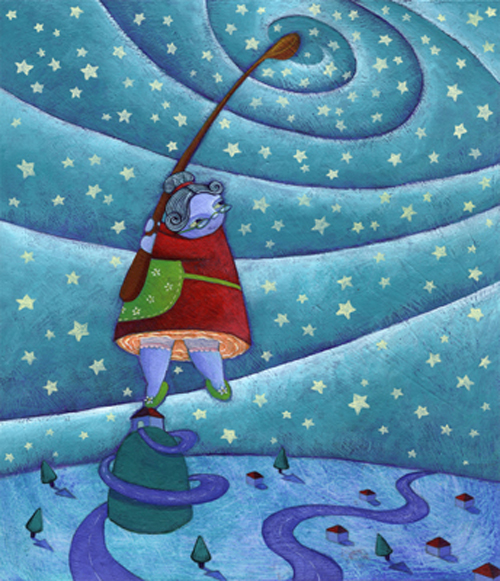
I thought the above illustration was a good fit with today’s post. Since I feel that this post will help you stir up you manuscript to keep your readers reading, just like illustrator Alik Arzoumanian did letting her cute lady stir up the sky. (Note: I am looking for artwork to show off)
Alik received her BFA in Illustration from the Massachusetts College of Art and Design in Boston in 2004. The first children’s book “Tunjur! Tunjur! Tunjur! A Palestinian Folktale” by Margaret Read MacDonald received an ALA Notable Book Award in 2007. She was also featured on Illustrator Saturday.
Hope these tips help you stir up your manuscript:
1. Keep solving problems and adding new ones. Mix up the problems by using physical, logistical, and ones with other people.
2. Make your MC be in a worse place than before the last problem.
3. Beware of the “one Darn Thing After Another” Syndrome. You don’t want your MC to always be stuck dealing with things that don’t change their circumstances.
4. Deliberately shorten your sentences in tense scenes.
5. If you keep your chapters short, you will lore the reader into reading a little more before taking a break.
6. Stun your protagonist with a negative surprise that comes out of the blue. Shock your hero and you will shock your reader into reading more by ramping up the tension.
7. Delay revealing important information to ratchet up the tension. Let your readers worry about unanswered questions.
8. Contract you protagonists universe by making sure their are consequences for each choice. Lost opportunities add tension. When he chooses one option, he will no longer be able to purse the other good things he might have bee able to do.
9. Make an ally into an oppositional character with a conflicting goal.
10. Use dialogue to imply thing that are not directly said. Add in ironic statements to keep the reader wondering.
11. Make sure all the actions are built upon, leading to something. Look for places in your story that are dead ends.
12. Each scene must have a purpose – pointless events – excessive explanations – backstory. You might want to note the purpose after the first draft to remind you why you included it. This will make it easier to see if you need to eliminate it in later revision.
Do you have any other things you do to avoid reader boredom?
Talk tomorrow,
Kathy
Filed under:
Advice,
article,
demystify,
How to,
inspiration,
list,
Process,
revisions,
Tips Tagged:
12 Tips to Help Prevent Reader Boredom,
Alik Arzoumanian 

By: Kathy Temean,
on 1/4/2015
Blog:
Writing and Illustrating
(
Login to Add to MyJacketFlap)
JacketFlap tags:
2014 books Read,
books to read in 2015,
list,
Book,
Internet,
Young Adult Novel,
Middle Grade Novels,
Diana Gabaldon,
Outlander,
Veronica Rossi,
Add a tag
2014 Books Read
Adult Books
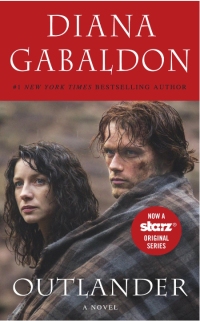 Diana Gabaldon wrote the first book of her eight book Outlander Series in the early 90’s, so I am sure many of you have already read these books by now. But if you haven’t read them I highly recommend that you do. The first book sat on my book shelf for two years before I picked it up to read in October. This series is hands down the Best Adult book(s) I read this year! The only problem is that each book is at least 1100 words in length, so each one is like reading three YA novels.
Outlander – Book 1
Dragonfly In Amber – Book 2
Voyager – Book 3
Drums Of Autumn – Book 4
Gone Girl by Gillian Flynn – Great voice
Influx by Daniel Suarez – Has anyone read this book. I am almost half way through reading and I haven’t started to enjoy it yet. Does it get better?
YA Novels
Into the Still Blue by Veronica Rossi – The third book of one of my favorite series.
Deep Betrayal by Anne Greenwood Brown – The third book of one of my favorite series.
Pretties by Scott Westerfeld – The second book of the Uglies Series – one of my favorite series
Specials by Scott Westerfeld – The third book of the Uglies Series – one of my favorite series.
Infinite Sea by Rick Yancey – second book in 5th Wave Series
Contemporary YA Standalone Novels
We Were Liars by E Lockhart – Great voice
Pandemic by Yvonne Ventresca - thoroughly enjoyed this book
Panic by Lauren Oliver – Love everything she writes.
Before I Fall – by Lauren Oliver – Love everything she writes.
Flat Out Love by Jessica Park – Jessica proves that self-published books can be great.
Life As We Knew It by Susan Beth Pfeffer
Giver by Lois Lowry – 1994 Newbery Medal winner
Middle Grade Novels
Wheels of Change by Darlene Beck-Jacobson – Hits all the things that people look for in a perfect middle grade book.
The Junction of Sunshine and Lucky by Holly Schindler – on Darlene Beck Jacobson’s recommendation – another well-written and enjoyable book.
Cirque du Freak: Vampire Mountain by Darren Shan – Book Four – This series is great for kids who love to be scared. 12 books to this series.
Lined up on my nightstand for 2015 so far
The Young Elites by Marie Lu – bought this book because I loved her legend series.
Atlantia by Ally Condie - bought this book because I enjoyed her Matched Series.
Paradox by Ammi Joan Paquette – bought this book because I wanted to read something written by Joan.
Fangirl by Rainbow Rowell – bought because of the reviews.
Eleanor & Park by Rainbow Rowell – bought because of the reviews.
Where’d You Go Bernadette? by Maria Semple – bought because of the reviews.
Ocean at the End of the Lane by Neil Gaiman – bought because it was written by Neil
The light Between Oceans by M.I. Stedman – bought because of the reviews.
The Goldfinch by Donna Tartt – bought because it won the Pulitzer Prize.
The Martian by Andy Weir – bought because of Goodreads reviews.
Red Rising by Piece Brown – Bought because of reviews.
End of Days by Susan Ee – Coming out May 12th 2015 – Pre-ordered because it is the third book in the Angel Series, which I loved.
Proof of Forever by Lexa Hillyer – Coming out June 2nd 2015. Pre-order because it is written by Lexa.
Do you have a book that you thoroughly enjoyed? I’d love to hear about the book and why you loved it.
Talk tomorrow,
Kathy
Filed under:
Book,
Internet,
list,
Middle Grade Novels,
Young Adult Novel Tagged:
2014 books Read,
books to read in 2015,
Diana Gabaldon,
Outlander,
Veronica Rossi 

By: Kathy Temean,
on 12/31/2014
Blog:
Writing and Illustrating
(
Login to Add to MyJacketFlap)
JacketFlap tags:
list,
Book,
success,
Happy New Year,
Holiday,
illustrating,
Wendy Wahman,
Top 10 Fiction Books of 2014,
Best Wishes for 2015,
Top 10 Non-Fiction Books of 2015,
Add a tag
Top 10 Fiction of 2014
1. All the Light We Cannot See, Anthony Doerr (20)
2. Station Eleven, Emily St. John Mandel (18)
3. A Brief History of Seven Killings, Marlon James (15)
Redeployment, Phil Klay
5. Lila, Marilynne Robinson (13)
The Paying Guests, Sarah Waters
7. The Bone Clocks, David Mitchell (11)
8. Euphoria, Lily King (10)
9. We Were Liars, E. Lockhart (9)
10. Dept. of Speculation, Jenny Offill (8)
Top 10 Nonfiction of 2014
1. Can’t We Talk About Something More Pleasant?, Roz Chast (15)
2. Being Mortal, Atul Gawande (11)
The Empathy Exams, Leslie Jamison
4. On Immunity, Eula Biss (10)
The Sixth Extinction, Elizabeth Kolbert
In The Kingdom Of Ice, Hampton Sides
7. The Short and Tragic Life of Robert Peace, Jeff Hobbs (9)
8. Bad Feminist, Roxane Gay (6)
Flash Boys, Michael Lewis
What if?, Randall Munroe
Capital, Thomas Piketty
Just Mercy, Bryan Stevenson
Sources:
These are the 53 sources counted so far — and from each we take only their most selective lists (e.g. the NYT’s Top 10, not their 100 “notable” books).
Awards (Good Reads; National Book Awards; Booker Award; Kirkus Awards; Giller Prize; Governor General’s Awards; FT McKinsey Award) Critics (Maureen Corrigan; Dwight Garner; Michiko Kakutani; Janet Maslin; Sarah Weinman; James Wood) Magazines (Entertainment Weekly; Newsweek; New York Magazine; Oprah Magazine; People Magazine; Time; Village Voice) Newspapers (Boston Globe; Chicago Tribune; Christian Science Monitor; Guardian; Houston Chronicle; Minneapolis Star Tribune; New York Times; Newsday; Seattle Times; Wall Street Journal; Washington Post) Online publications (BuzzFeed; Daily Beast; Gawker Review of Books; Grantland; Huffington Post; Slate) Other Distinctions/Lists (Monthly Indie Next No. 1 picks; monthly Library Reads No. 1 picks; BEA Buzz Panel books; PL Buzz Books titles; top Google searches) Retailers (Amazon; Amazon Canada; Barnes & Noble; BookPage; Hudson Booksellers; iBooks Store; Indigo; Kobo) Trade publications (Library Journal; Publishers Weekly; Shelf Awareness)
Talk tomorrow,
Kathy
Filed under:
Book,
Holiday,
illustrating,
list,
success Tagged:
Best Wishes for 2015,
Happy New Year,
Top 10 Fiction Books of 2014,
Top 10 Non-Fiction Books of 2015,
Wendy Wahman 


This illustration was sent in by Michelle Kogan to help get us in the festive mood for the New Year. Michelle teaches art, and in the summers spends a good amount of time painting plien air in gardens and nature venues in the Chicago area, including the Chicago Botanic Garden, Lurie Garden in Millennium Park, and the Lincoln Park Conservatory. http://www.michellekogan.com
As reported by Publishers Marketplace: Trade book sales as measured by the AAP turned significantly negative for the first time all year in September, ratifying concerns that the lack of new breakout hits might weigh on consumer traffic and sales during the most important months of the year. Total trade sales of $618 million were down $44 million (or 7 percent), compared to $662 million a year.
Adult sales, which have been soft all year, accounted for all of the decline and then some, down $58.5 million (or 12 percent). Once again, hardcover sales — or weak frontlist — fell the most, down $41.3 million. Children’s and YA sales continued to gain though less so than in previous months, up $15 million (or 9 percent), to $183 million. (Those gains will likely be moderate for the rest of the year, as comparisons will get more difficult versus Veronica Roth’s breakout in late 2013.)
eBook sales also followed their pattern from previous months: Adult ebook revenues were flat at $106 million, as children’s ebook sales gained $3.7 million, to $17 million.
Trade sales are still in positive territory for the year, up 3 percent, though current indications point towards finishing 2014 flat or down slightly.
Here is our cumulative comparison chart for the year so far:
| Month |
Adult Sales |
Change vs. 2013 |
Children’s/YA Sales |
Change vs. 2013 |
eBook Sales |
Change vs. 2013 |
| January |
$362 million |
+$10 million |
$144 million |
+$44 million |
$137 million |
+$15.5 million |
| February |
$325 million |
+$6 million |
$137 million |
+$35 million |
$134 million |
+$6 million |
| March |
$316.5 million |
-$23.5 million |
$133 million |
+$22 million |
$108.5 million |
-$7.5 million |
| April |
$363 million |
-$20 million |
$128 million |
+$24 million |
$138.5 million |
+$19.5 million |
| May |
$371 million |
-$37 million |
$154 million |
+$39 million |
$120 million |
+$3 million |
| June |
$367.5 million |
-$3 million |
$129 million |
+$18.5 million |
$129 million |
+$11 million |
| July |
$367 million |
+$13 million |
$133 million |
+$15 million |
$127 million |
+$6.5 million |
| August |
$415 million |
+$8 million |
$179 million |
+$29 million |
$124.5 million |
+$2.5 million |
| September |
$435 million |
-$58.5 million |
$183 million |
+$15 million |
$123 million |
+$4 million |
Talk tomorrow,
Kathy
Filed under:
list,
Publishing Industry Tagged:
2014 Book Sales,
Adult book Sales Comparison,
Children's and YA Sales growth,
Comparison Book Sales Chart,
Ebook Sales and Growth,
Publishers Marketplace 

By: Kathy Temean,
on 12/28/2014
Blog:
Writing and Illustrating
(
Login to Add to MyJacketFlap)
JacketFlap tags:
Tips,
list,
reference,
inspiration,
Advice,
Process,
authors and illustrators,
demystify,
Kendra Shedenhelm,
Best of Writing and Illustrating 2014,
Add a tag
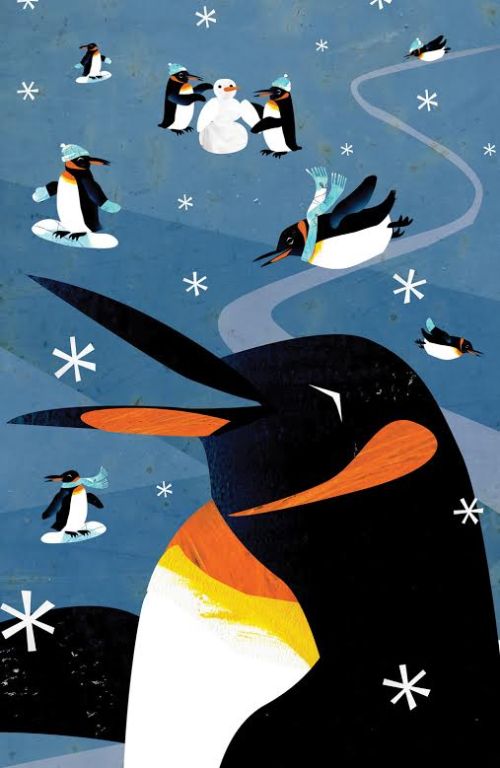
Kendra Shedenhelm sent this illustration in for us to enjoy. It makes me think of the song that was out a year ago titled, “What does the Fox say.” Must be Tee Hee Hee. The fourth book she has illustrated, “You, the Magician,” was released in November 2014, and can be viewed at http://www.youthemagician.com. http://www.kendrashedenhelm.com/
HERE ARE THE LINKS TO HELPFUL ARTICLES POSTED IN 2014
WORLD BUILDING TIPS
TIPS ON WRITING ENDINGS
THE MANUSCRIPT IN THE DRAWER
SELF PUBLIHING – GETTING YOUR BOOK READY
REVISIONS
TRACKING SUBMISSIONS
PRICING STRATEGIES FOR ILLUSTRATING
MORE SHOWING LESS TELLING
AGENT/AUTHOR REVISION TIPS
RESEARCHING AGENTS
PUTTING WORDS ON PAPER
CREATING SYMPATHIC CHARACTERS
AMAZON RANKING vs. DAILY BOOK SALES
WORKING OUT THE DETAILS
TEN DREADED MANUSCRIPT ERRORS
PITCH IS CONCEPT
STATE OF THE CHILDREN’S PUBLISHING MARKET
STATE OF THE MARKET PART TWO
STATE OF THE MARKET PART THREE
ATTACKING A CONFERENCE
WHEN DO WRITERS STOPW WRITING
MATCHMAKING FOR WRITERS CRITIQUE PARTNERS
SEVEN WAYS TO MAKE YOURSELF AN EASY AUTHORS TO WORK WITH
AMAZON SALES STRATEGIES
AMAZON STATEGIES – LOOK INSIDE
AMAZON STRATEGIES – SALES PAGE
LITERARY vs. COMMERCIAL FICTION
RIGHT TO WRITEPICTURE BOOK CHARACTER DEVELOPMENT
90 THINGS TO KNOW ABOUT YOUR CHARACTER
HOW TO SPOT A GREAT PICTURE BOOK
RESEARCHING FICTION
BEFORE STARTING A THRILLER NOVEL
ROMANTIC BODY LANGUAGE
NEVER SAY HE THOUGHT/SHE THOUGHT
CRITIQUING SECRETS
MASTERING KID SPEAK
LETS TALK POV
RIGHT TO WRITE
GRAMMAR NAZI
FIVE WAYS TO FOLLOW UP WITH AN EDITOR OR AGENTS
OUTLINING YOUR NOVEL
BEFORE THE SALE – BOOK APPEAL
FORMAT YOUR BOOK FOR CREATESPACE
THREE TRICKS FOR SHOWING RATHER THAN TELLING
DEALING WITH REJECTION
CRITIQUING SECRETS
WRITING WORKSHEETS
7 POINT STOR STRUCTURE SYSTEM
Talk tomorrow,
Kathy
Filed under:
Advice,
authors and illustrators,
demystify,
inspiration,
list,
Process,
reference,
Tips Tagged:
Best of Writing and Illustrating 2014,
Kendra Shedenhelm 

By: Kathy Temean,
on 12/21/2014
Blog:
Writing and Illustrating
(
Login to Add to MyJacketFlap)
JacketFlap tags:
Tips,
list,
Advice,
chapter books,
article,
opportunity,
Mira Reisberg,
Free critique,
Hillary Homzie,
Critiquing Secrets,
Free Chapter Book Webinar,
Add a tag
Interested in writing a Chapter Book? Don’t miss this FREE WEBINAR with Hillary Homzie and Mira Reisberg on Friday January 2nd 2015 at 5.30pm PST! They are also going to give some late holiday presents for some lucky folks that include a free critique with Hillary or Mira and some free signed books. Wahoo! See more at: http://www.childrensbookacademy.com/free-novel-writing-webinar.html#sthash.aEum3YJW.dpuf
 Mira is my Guest blogger for today’s post. Here’s Mira:
Critiquing Secrets by Mira Reisberg
First of all, thank you Kathy for having me on your fabulous blog. This site has been such a great resource for our community for a long time and I feel honored to be here. As we come to the end of the year, it seems like a good time to reflect on what we did to better our craft and improve our skills as people who create children’s books. Personally, I think it comes down to three things: take courses (i.e. study and improve your craft and keep revising), join the Society of Children’s Book Authors and Illustrators, and join and participate in a critique group. For this post, I’d like to talk a little about critiquing and then share some critiquing secrets.
Over the past 26 years as an illustrator, author, editor, art director and former literary agent, I’ve learned that although your work is uniquely your own, you can’t exist in a vacuum. Receiving criticism from fellow writers or illustrators, and peers is a must have regular part of your creative process.
So let’s talk about the secrets of critiquing for plot-driven books.
After struggling with a piece, if you can, let it percolate for a while and then come back not only with a fresh eye, but with fresh sets of eyes. Other eyes may see what you have missed, offer a different perspective, and question what you have taken for granted.
While you may be tempted to have your mother, your significant other, or best friend critique your work, they should not be your only ‘eyes’. They’re not trained to critique, may not understand your work, and may try to protect your feelings, regardless of their true opinion.
So what are some great critique techniques? For plot-driven writers the main things you need to look for are:
• How enticing is the hook or beginning?
• Do we care or are we intrigued by the character(s) enough to want to find out more about them and their journey?
• Does the tension build as the main character faces challenges and obstacles along the way?
• Do they solve the problem themselves?
• Is the climax and resolution satisfying with a twist at the end?
• Is each character different with their own distinct voice?
• What makes this particular story memorable?
• Does it have any underlying universal themes that are meaningful for kids?
• How can the drama, humor, pathos, or whatever key feeling the story has, be amplified?
• Does the pacing move at a good speed or does it slow down anywhere? Is there redundancy or excess?
• And finally does the language sparkle with techniques like alliteration and assonance, rhythm and repetition where appropriate?
All of these suggestions will help you in the critiquing process to get to the core and heart of your story to make it stronger, sweeter, funnier, or whatever its essence more appealing and thus more marketable.
Finally, for tender newer critique groups or critiquing partners who are vulnerable, remember to use the hamburger technique of starting and ending with something positive and getting to the meat of what needs help in the middle. As creatives, we tend to be a little thin skinned and starting with something positive will make it easier for the person being critiqued to hear the more challenging suggestions.
BIO: Mira Reisberg Ph.D. has worn many hats in the industry including being a university professor teaching children’s literature and now as the Director of the Children’s Book Academy. Mira has taught and mentored many successful authors and illustrators.
Her next interactive e-course, for beginners to award winners, the Chapter Book Alchemist, co-taught by former comedian and award-winning chapter book author Hillary Homzie, promises to be a once-in-a-lifetime adventure with potential life and career changing benefits starts January 12th!
Click here to find out more: http://www.childrensbookacademy.com/the-chapter-book-alchemist.html
The course includes optional critique groups, weekly live webinar critiques, and the option for critiques with Mira or Hillary among other goodies!
Mira, thank you for taking the time to share your expertise with all of us. Good luck with the webinar!
Talk tomorrow,
Kathy
Filed under:
Advice,
article,
chapter books,
list,
opportunity,
Tips Tagged:
Critiquing Secrets,
Free Chapter Book Webinar,
Free critique,
Hillary Homzie,
Mira Reisberg 

By: Kathy Temean,
on 12/21/2014
Blog:
Writing and Illustrating
(
Login to Add to MyJacketFlap)
JacketFlap tags:
Critiquing Secrets,
Free Chapter Book Webinar,
Tips,
list,
Advice,
chapter books,
article,
opportunity,
Mira Reisberg,
Free critique,
Hillary Homzie,
Add a tag
Interested in writing a Chapter Book? Don’t miss this FREE WEBINAR with Hillary Homzie and Mira Reisberg on Friday January 2nd 2015 at 5.30pm PST! They are also going to give some late holiday presents for some lucky folks that include a free critique with Hillary or Mira and some free signed books. Wahoo! See more at: http://www.childrensbookacademy.com/free-novel-writing-webinar.html#sthash.aEum3YJW.dpuf
Mira is my Guest blogger for today’s post. Here’s Mira:
Critiquing Secrets by Mira Reisberg
First of all, thank you Kathy for having me on your fabulous blog. This site has been such a great resource for our community for a long time and I feel honored to be here. As we come to the end of the year, it seems like a good time to reflect on what we did to better our craft and improve our skills as people who create children’s books. Personally, I think it comes down to three things: take courses (i.e. study and improve your craft and keep revising), join the Society of Children’s Book Authors and Illustrators, and join and participate in a critique group. For this post, I’d like to talk a little about critiquing and then share some critiquing secrets.
Over the past 26 years as an illustrator, author, editor, art director and former literary agent, I’ve learned that although your work is uniquely your own, you can’t exist in a vacuum. Receiving criticism from fellow writers or illustrators, and peers is a must have regular part of your creative process.
So let’s talk about the secrets of critiquing for plot-driven books.
After struggling with a piece, if you can, let it percolate for a while and then come back not only with a fresh eye, but with fresh sets of eyes. Other eyes may see what you have missed, offer a different perspective, and question what you have taken for granted.
While you may be tempted to have your mother, your significant other, or best friend critique your work, they should not be your only ‘eyes’. They’re not trained to critique, may not understand your work, and may try to protect your feelings, regardless of their true opinion.
So what are some great critique techniques? For plot-driven writers the main things you need to look for are:
• How enticing is the hook or beginning?
• Do we care or are we intrigued by the character(s) enough to want to find out more about them and their journey?
• Does the tension build as the main character faces challenges and obstacles along the way?
• Do they solve the problem themselves?
• Is the climax and resolution satisfying with a twist at the end?
• Is each character different with their own distinct voice?
• What makes this particular story memorable?
• Does it have any underlying universal themes that are meaningful for kids?
• How can the drama, humor, pathos, or whatever key feeling the story has, be amplified?
• Does the pacing move at a good speed or does it slow down anywhere? Is there redundancy or excess?
• And finally does the language sparkle with techniques like alliteration and assonance, rhythm and repetition where appropriate?
All of these suggestions will help you in the critiquing process to get to the core and heart of your story to make it stronger, sweeter, funnier, or whatever its essence more appealing and thus more marketable.
Finally, for tender newer critique groups or critiquing partners who are vulnerable, remember to use the hamburger technique of starting and ending with something positive and getting to the meat of what needs help in the middle. As creatives, we tend to be a little thin skinned and starting with something positive will make it easier for the person being critiqued to hear the more challenging suggestions.
BIO: Mira Reisberg Ph.D. has worn many hats in the industry including being a university professor teaching children’s literature and now as the Director of the Children’s Book Academy. Mira has taught and mentored many successful authors and illustrators.
Her next interactive e-course, for beginners to award winners, the Chapter Book Alchemist, co-taught by former comedian and award-winning chapter book author Hillary Homzie, promises to be a once-in-a-lifetime adventure with potential life and career changing benefits starts January 12th!
Click here to find out more: http://www.childrensbookacademy.com/the-chapter-book-alchemist.html
The course includes optional critique groups, weekly live webinar critiques, and the option for critiques with Mira or Hillary among other goodies!
Mira, thank you for taking the time to share your expertise with all of us. Good luck with the webinar!
Talk tomorrow,
Kathy
Filed under:
Advice,
article,
chapter books,
list,
opportunity,
Tips Tagged:
Critiquing Secrets,
Free Chapter Book Webinar,
Free critique,
Hillary Homzie,
Mira Reisberg 
By: Kathy Temean,
on 12/3/2014
Blog:
Writing and Illustrating
(
Login to Add to MyJacketFlap)
JacketFlap tags:
list,
Book,
picture books,
inspiration,
YA Books for Adults,
Goodreads,
Young Adult Novel,
Middle Grade Novels,
authors and illustrators,
2014 Goodreads Best Books,
Adult Book for YA Lovers,
Add a tag
As writers and illustrators the holiday season provides an opportunity to support the publishing industry by buying a few books as gifts for friends and family.
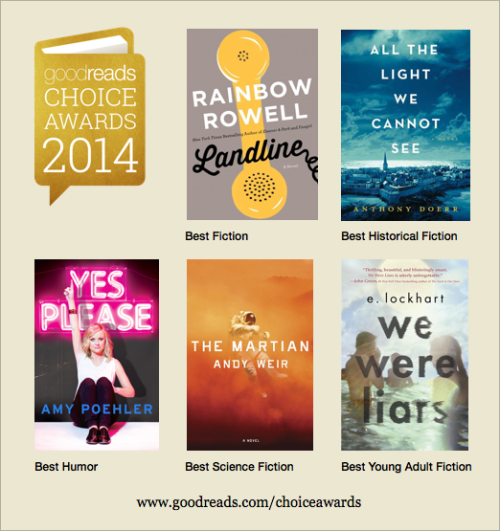
Goodreads announced their 2014 Readers Choice Awards. Click the picture below to review the nominees and the winners in all categories.
Here are 25 YA books that Epic Reads suggests for Adults. How many have you read?
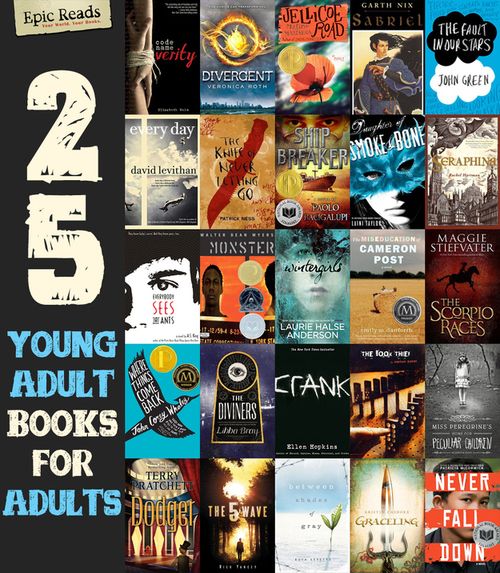
Out of the books pictured above I have read 7 and have 4 bought and ready to be read.
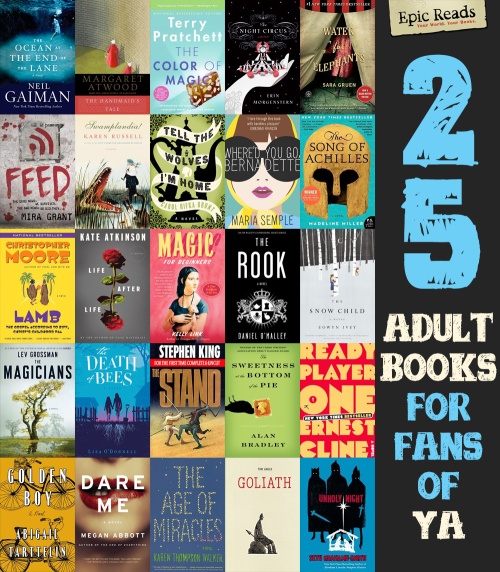
Out of the 25 Adult Books for Fans of YA I have read 4 and 3 are waiting to be read.

From the books pictured above, I have read 23 and 12 are bought and waiting.
There are so many more wonderful books I have read this year. How many of these books did you read? Did you have a book that was your favorite? It doesn’t have to be pictured. I’d love you to share.
Oh, don’t forget the picture books: Each time you buy a picture book you support an illustrator and a writer with your purchase and the book you buy might be the book that puts a child on the path to enjoying books for the rest of their life.
Talk tomorrow,
Kathy
Filed under:
authors and illustrators,
Book,
inspiration,
list,
Middle Grade Novels,
picture books,
Young Adult Novel Tagged:
2014 Goodreads Best Books,
Adult Book for YA Lovers,
Goodreads,
YA Books for Adults 


By:
rgarcia406,
on 10/14/2014
Blog:
The Open Book
(
Login to Add to MyJacketFlap)
JacketFlap tags:
list,
halloween,
diversity,
Joseph Bruchac,
Native American,
Science Fiction/Fantasy,
African/African American Interest,
Multiracial,
Tu Books,
Teens/YA,
Asian/Asian American,
Latino/Hispanic/Mexican,
Diversity in YA,
Lee & Low Likes,
Diversity, Race, and Representation,
Book Lists by Topic,
Add a tag
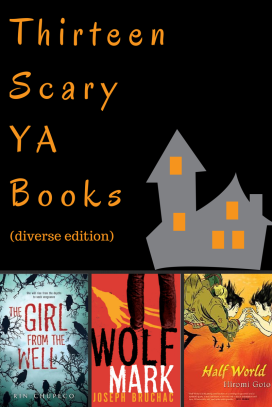
Halloween is right around the corner. There’s no better way to celebrate than by reading books that will scare you to pieces! Here’s a lucky thirteen list of our favorites (all featuring diverse characters or by diverse authors):
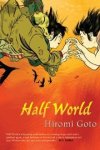 Half World by Hiromi Goto – Melanie Tamaki lives with her mother in abject poverty. Then, her mother disappears. Melanie must journey to the mysterious Half World to save her.
- Vodnik by Bryce Moore – Sixteen-year-old Tomas moves back to Slovakia with his family and discovers the folktales of his childhood were more than just stories.
- The Immortal Rules by Julie Kagawa – Allie Sekemoto survives by scavenging for food by day. She hates the vampires who keep humans like cattle for their food. Until the day she dies and wakes up as a vampire.
- Liar by Justine Larbalestier – Micah is a liar; it’s the only thing she’ll tell you the truth about. But when her boyfriend Zach is murdered, the whole truth has to come out.
- Battle Royale by Koushan Takami – A group of junior high school students are sent to an island and forced to fight to the death until only one of them survives.
- Summer of the Mariposas by Guadalupe Garcia McCall – Odilia and her sisters discover a
 dead man’s body while swimming in the Rio Grande. They journey across Mexico to return his body in this Odyssey-inspired tale.
- Devil’s Kiss by Sarwat Chadda – Zombies, ghouls, and vampires all make appearances in the story of Bilquis SanGreal, the youngest and only female member of the Knights Templar.
- Panic by Sharon Draper – Diamond knows better than to get into a car with a stranger. But when the stranger offers her the chance to dance in a movie, Diamond makes a very wrong decision.
- Ten by Gretchen McNeil – Ten teens head to a secluded island for an exclusive party…until people start to die. A modern YA retelling of Agatha Christie’s And Then There Were None.
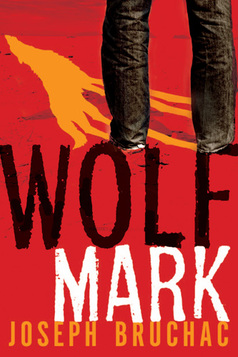
- Wolf Mark by Joseph Bruchac – Inspired by the Abenaki skinwalker legend, this YA thriller is Burn Notice with werewolves.
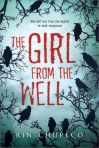 The Girl from the Well by Rin Chupeco – A dead girl roams the streets, hunting murders. A strange tattooed boy moves to the neighborhood with a deadly secret.
- 172 Hours on the Moon by Johan Harstad – Three teenagers win the vacation of a lifetime: a week-long trip to the moon. But something sinister is waiting for them in the black vacuum of space.
- Anna Dressed in Blood by Kendare Blake – Cas Lowood is a ghost hunter, called to Thunder Bay, Ontario to get rid of a ghost the locals call Anna Dressed in Blood, who has killed every person who has stepped foot in the house she haunts.
What else would you add to the list?
Filed under:
Diversity in YA,
Diversity, Race, and Representation,
Lee & Low Likes,
Tu Books Tagged:
African/African American Interest,
Asian/Asian American,
Book Lists by Topic,
diversity,
halloween,
Joseph Bruchac,
Latino/Hispanic/Mexican,
list,
Multiracial,
Native American,
Science Fiction/Fantasy,
Teens/YA,
Tu Books 

By: Kathy Temean,
on 9/17/2014
Blog:
Writing and Illustrating
(
Login to Add to MyJacketFlap)
JacketFlap tags:
Tips,
list,
reference,
picture books,
Advice,
authors and illustrators,
Dilys Evans,
How to,
Guide to Evaluate a Picture Book,
How to Spot a Great Picture Book,
Add a tag
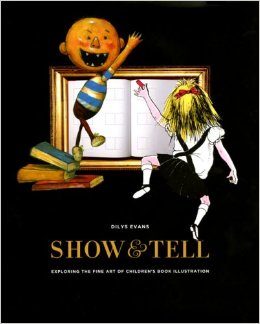 Dilys Evans has been providing advice to young artists since 1978, when she founded Dilys Evans Fine Illustration.
Below is a summary of that advice—10 characteristics that she believes all outstanding picture books have in common.
Use it as a guide as you evaluate the picture books in your collection.
1. In the Beginning Was the Word
The pictures must be truly inspired by the story.
2. Preparation Is Paramount
The artist knows his or her characters, subject, and the setting inside and out.
3. A Great Cover Is a Great Start
If the cover art is compelling, it will make the viewer pick up the book and turn the pages.
4. The Artist Sets the Scene before the Story Begins
The inside flap offers a great opportunity to set the stage for the story or introduce a character.
5. The Endpapers Involve the Reader
Endpapers are another opportunity to add to the story or overall design of the book.
6. The Medium Is the Message
The perfect choice of medium to illustrate the text should convey every mood and nuance.
7. Every Picture Tells the Story
Every image is central to the story and moves it forward to the next page.
8. The Book Is a Form of Dramatic Art
Every scene must be carefully chosen to dully illustrate the drama and excitement of the story as it unfolds.
9. Art and Type Should Be a Perfect Marriage
The typeface should seem to be almost an extension of the art itself.
10. White Space Rules!
White space is a compositional element and not just a background to present the art.
Printed by the School Library Journal, September 2005
Talk tomorrow,
Kathy
Filed under:
Advice,
authors and illustrators,
How to,
list,
picture books,
reference,
Tips Tagged:
Dilys Evans,
Guide to Evaluate a Picture Book,
How to Spot a Great Picture Book 

By: Kathy Temean,
on 9/10/2014
Blog:
Writing and Illustrating
(
Login to Add to MyJacketFlap)
JacketFlap tags:
News,
list,
Hollywood,
inspiration,
success,
Young Adult Novel,
Publishing Industry,
Lisa Fields,
CaTugeau,
Six YA authors in top selling Book list,
Top Earning Authors,
Add a tag
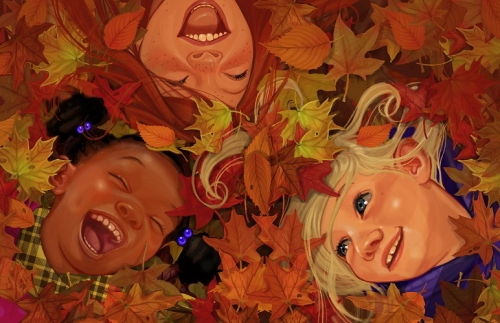
This fun fall illustration was sent in and created by Lisa Fields. She is an illustrator based out of New York City, who is represented by CATugeau Artist Agency. She says she loves to focus on facial expression and color in her work. LisaFields.com
Seventeen World’s Top-Earning Authors: Veronica Roth, John Green And Gillian Flynn New on List
Young adult author Veronica Roth‘s ranks 6th on account of her “Divergent” trilogy which sold a combined 6.7 million copies in 2013, earning her around $17 million from print and ebook sales between June 2013 and June 2014. She also benefited from the book’s 2014 film adaption, which grossed $270 million at the global box office. At just 26, Roth is the youngest newcomer on the ranking, and one of seven women on the 17-person list.
37-year-old newcomer John Green’s ”The Fault in Our Stars” propelled him to an estimated $9 million yearly paycheck before taxes and fees. The YA love story, which follows the trials of two cancer-stricken teens, has sold well over 1 million copies in the U.S. and spawned a weepy summer blockbuster.
Green is tied for 12th place with Gillian Flynn, who joins the rankings for the first time due to the continued success of 2012′s “Gone Girl.” While not a YA book, it is a New York Times bestseller that sold 1.2 million copies in 2013; a movie version starring Ben Affleck hits cinemas this year.
A 2012 Bowker Market Research study suggested 55% of YA books are bought by people 18 and older. Adults aged between 30 and 44 accounted for 28% of all YA sales, and the books are purchased for their own reading the vast majority of the time.
“The category has reached adult audiences and really become okay to read,” said Lori Benton, VP Group Publisher at Scholastic Trade Publishing. “Harry Potter was the very first one to reach that audience – it was quickly embraced by children, and just as quickly by adults.”
With $14 million in earnings, the original young adult tour de force, J.K. Rowling, ranks 8th on our list. She continues to earn from back sales of her iconic Harry Potter series, while Pottermore – a proprietary website she setup to sell Harry Potter ebooks – makes her a pretty penny. Unlike most authors, Rowling never signed over the digital rights to her books, so she sells directly to readers, earning far more from these digital sales than most authors do through ebooks.
READ FULL ARTICLE by Natlie Robehmed for Forbes:
http://www.forbes.com/sites/natalierobehmed/2014/09/08/the-worlds-top-earning-authors-veronica-roth-john-green-and-gillian-flynn-join-ranking/
JUNE 2013 – JUNE 2014 TOP SEVENTEEN BEST SELLING AUTHORS – SIX ARE YOUNG ADULT BOOKS (Bolded)
Here’s the List:
ALEX CROSS and MICHAEL BENNETT series: James Patterson 90,000 million. His books account for one out of every 17 hardcover novels purchased in the United States.
INFERNO: Dan Brown 28 million
JEWELS OF THE SUN: Nora Roberts 23 million due to paperback and e-book sales.
A PERFECT LIFE: Danielle Steel 22 million
POWER PLAY: Janet Evanovich 20 million
WIMPY KID: Jeff Kinney 17 million
DIVERGENT Series: Veronica Roth 17 million
SYCAMORE ROW: John Grisham 17 million
DOCTOR SLEEP: Stephen King 17 million
HUNGER GAMES: Suzanne Collins 16 million
HARRY POTTER: J.K. Rowling 14 million
GAME OF THRONES: George R.R. Martin 12 million
KING AND MAXWELL: David Baldacci 11 million
THE HEROS OF OLYMPUS: Rick Riordan 10 million
FIFTY SHADES OF GREY: E.L. James 10 million (Sold 29 million copies in 2012 the U.S. alone. Sales dropped off in 2013 to a combined 1.8 million, but an upcoming movie could boost 2015.
GONE GIRL: Gillian Flynn 9 million
THE FAULT IN OUR STARS: John Green 9 million
You too can join the list. All you need to do is write a great book, get a great Agent, how finds a great publisher, make all the Best Book Lists, sell it to a Hollywood Studio who brings it to the big screen then becomes a blockbuster hit and repeat year after year. So keep writing, because you don’t have a chance to make that happen any other way.
Talk tomorrow,
Kathy
Filed under:
Hollywood,
inspiration,
list,
News,
Publishing Industry,
success,
Young Adult Novel Tagged:
CaTugeau,
Lisa Fields,
Six YA authors in top selling Book list,
Top Earning Authors 

By: Kathy Temean,
on 9/8/2014
Blog:
Writing and Illustrating
(
Login to Add to MyJacketFlap)
JacketFlap tags:
How to,
James N. Frey,
demystify,
How To Write A Damn Good Thriller,
Writing a thriller novel,
Author,
Writing Tips,
list,
Book,
Advice,
Add a tag
For my next manuscript I plan to write a thriller, so I bought
How to Write a Damn Good Thriller: A Step-by-Step Guide for Novelists and Screenwriters by James N. Frey to study.
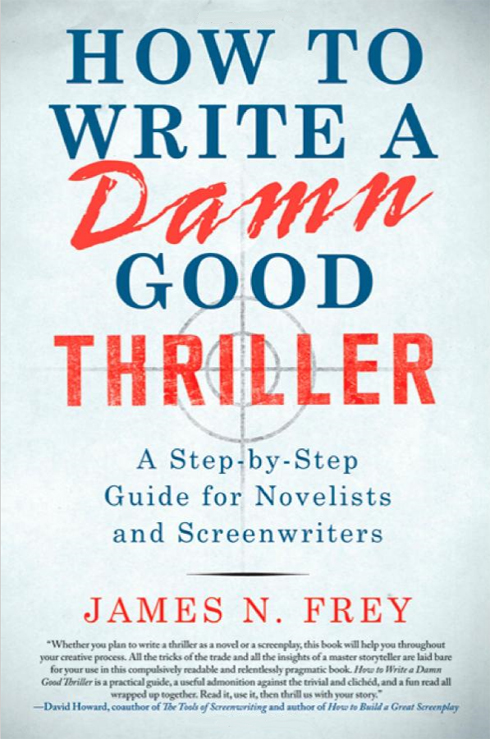
I thought you might be interested in James Frey’s list of what to pledge before starting your novel.
A thriller is a pulse-pounding supsense. In the US, mysteries are not considered thriller, though they share some common elements.
In a mystery, the hero has a mission to find a killer.
In a thriller, the hero has a mission to foil evil.
To write a damn good thriller, you need a killer attitude. Pledge to yourself to do the following:
Commit yourself to creating strong conflicts in every line of every scene.
Decide you will have fresh, snappy dialogue and not a single line of conversation.
Decide to write quickly when drafting. Fast is golden.
Give yourself production quotas of at least a thousand words everyday, even if you have a tough day job like kissing up to bad bosses. Three or four thousand would be better.
If your significant other complains your thriller writing is taking up too much of you time, get a new significant other.
Commit yourself to this: You will not have any major characters that are bland and colorless. They will all be dramatic types, theatrical, driven, larger than life, clever.
Create a step sheet for the whole novel or screenplay. You might start your first draft if you know your opening and have an idea for the climax.
Trick the expectations of the reader and create nice surprises from time to time.
Have your character in terrible trouble right from the beginning, and never let them get free of terrible trouble until the climax.
Have powerful story questions operating at all times.
End each scene or section of dramatic narrative with a bridge, a story question to carry the reader to the next one.
Always keep brainstorming and think about what’s happening off scene.
Make charts for the major characters that tell you what they’re doing when they’re not on scene.
Try to be fresh. Don’t use the same old cliches.
Be sure your prose is colorful and sensuous.
Keep the clock ticking and the excitement mounting right to the climactic moment.
Talk tomorrow,
Kathy
Filed under:
Advice,
Author,
Book,
demystify,
How to,
list,
Writing Tips Tagged:
How To Write A Damn Good Thriller,
James N. Frey,
Writing a thriller novel 

By: Kathy Temean,
on 9/7/2014
Blog:
Writing and Illustrating
(
Login to Add to MyJacketFlap)
JacketFlap tags:
How to,
James N. Frey,
demystify,
How To Write A Damn Good Thriller,
Writing a thriller novel,
Author,
Writing Tips,
list,
Book,
Advice,
Add a tag
For my next manuscript I plan to write a thriller, so I bought
How to Write a Damn Good Thriller: A Step-by-Step Guide for Novelists and Screenwriters by James N. Frey to study.
I thought you might be interested in James Frey’s list of what to pledge before starting your novel.
A thriller is a pulse-pounding supsense. In the US, mysteries are not considered thriller, though they share some common elements.
In a mystery, the hero has a mission to find a killer.
In a thriller, the hero has a mission to foil evil.
To write a damn good thriller, you need a killer attitude. Pledge to yourself to do the following:
Commit yourself to creating strong conflicts in every line of every scene.
Decide you will have fresh, snappy dialogue and not a single line of conversation.
Decide to write quickly when drafting. Fast is golden.
Give yourself production quotas of at least a thousand words everyday, even if you have a tough day job like kissing up to bad bosses. Three or four thousand would be better.
If your significant other complains your thriller writing is taking up too much of you time, get a new significant other.
Commit yourself to this: You will not have any major characters that are bland and colorless. They will all be dramatic types, theatrical, driven, larger than life, clever.
Create a step sheet for the whole novel or screenplay. You might start your first draft if you know your opening and have an idea for the climax.
Trick the expectations of the reader and create nice surprises from time to time.
Have your character in terrible trouble right from the beginning, and never let them get free of terrible trouble until the climax.
Have powerful story questions operating at all times.
End each scene or section of dramatic narrative with a bridge, a story question to carry the reader to the next one.
Always keep brainstorming and think about what’s happening off scene.
Make charts for the major characters that tell you what they’re doing when they’re not on scene.
Try to be fresh. Don’t use the same old cliches.
Be sure your prose is colorful and sensuous.
Keep the clock ticking and the excitement mounting right to the climactic moment.
Talk tomorrow,
Kathy
Filed under:
Advice,
Author,
Book,
demystify,
How to,
list,
Writing Tips Tagged:
How To Write A Damn Good Thriller,
James N. Frey,
Writing a thriller novel
By: Kathy Temean,
on 9/1/2014
Blog:
Writing and Illustrating
(
Login to Add to MyJacketFlap)
JacketFlap tags:
Juice Up Your Protagonist,
Ten character Writing Tips,
Writing compelling characters,
Writing Tips,
list,
Advice,
Process,
revisions,
article,
How to,
Add a tag
Most writers know every story needs a protagonist with a problem, but your MC also needs to be interesting, compelling, and sympathetic to keep the readers wanting more. We want our characters to jump off the page and grab our readers by the throat. Plus, we want our readers to remember and think about our characters and our story long after they close our book.
Here are ten ways to make your protagonist do just that:
1. MC has a problem that needs to be solved
Make sure your protagonist is the one with the problem and no one else can solve this problem (or solve it as well as he or she can. The MC has to be central to the entire issue.
2. MC has the ability to act
Don’t let your protagonists go around just reacting to things when they happen. Your MC should make things happen and move the story along through his or her choices and actions. A protagonist who knows what she wants and makes the story happen is a far more compelling character than one who sits around and waits for the story to happen. Make sure your protagonist is more than just someone in the middle of a mess.
If this is not happening in your book, you need to adjust your story in order to get your protagonist in a position where they can affect the change.
3. MC needs reasons to act
You can always give your MC something to do, but they need to have good reasons for their actions or your story will start to stretch credibility as to why they would get involved in something that clearly don’t care about. If you want to have your protagonist risk their life or happiness, make sure it’s for a reason readers will understand. NOTE: This is where a critique group comes in handy.
4. MC needs a compelling quality
Like I said in the beginning, we want to make our MC interesting. Maybe they’re funny, smart or twisted. Maybe your MC has an unusual talent, skill, or quark. Whatever you choose, there needs to be a quality that makes a reader want to know more. Most times the thing that is compelling is also contradictory, making the reader want to know how these two things work together, thus hooking the reader.
5. MC has something to lose
Just having a reason to act isn’t enough, so think about having your MC lose something that matters. This is a powerful motivating tool that will enable you to force your protagonist to do what he normally wouldn’t. You can have them take risks they would never take if there are consequences hanging over their head. This will make readers worry that your MC might suffer those consequences and lose what matters most to him.
6. MC should have something to gain
An important aspect of the story’s stakes that’s sometimes forgotten or not thought through well enough is giving the MC something to gain. Readers want to see a protagonist rewarded for all their hard work and sacrifice, and a reason for your protagonist to keep going when everything says give up.
7. Give Your MC the capacity to change
The sole of the story is character growth. It’s what turns it from a series of plot scenes to a tale worth writing. Giving your protagonist the ability to learn from his experiences and become a better (though not always) person will deepen your story. Your MC shouldn’t be the same person as they were when the story began.
8. MC needs an interesting flaw
It is the flaws that make your MC interesting. Flaws let you show character growth and give your protagonist a way to improve themselves. Maybe your MC knows about this flaw and is actively trying to fix it, or perhaps he or she hasn’t a clue and change is being forced upon them. This flaw could be the very thing that allows your MC to survive and overcome the problems. Of course, it could also be the cause of the entire mess.
9. MC has a secret
You don’t want your MC to be predictable – boring. A good way to keep your protagonist interesting is to have your MC hide something. Readers will wonder what that secret is and how it affects the story. Having your protagonist be a little cryptic, will keep your readers dying to find out.
10. MC needs someone or something interesting trying to stop him
Don’t forget that your protagonist needs an antagonist standing against him. The stronger the antagonist is that goes up against your MC, the more tension, suspense and victory you will provide for the reader. Give the reader a villain they will love to hate. The payoff will be keeping your readers turning the pages and reading into the wee hours of the morning.
Do you have another tips for juicing up your characters? We’d love to hear it.
Talk tomorrow,
Kathy
Filed under:
Advice,
article,
How to,
list,
Process,
revisions,
Writing Tips Tagged:
Juice Up Your Protagonist,
Ten character Writing Tips,
Writing compelling characters 

By: Kathy Temean,
on 8/9/2014
Blog:
Writing and Illustrating
(
Login to Add to MyJacketFlap)
JacketFlap tags:
Tips,
list,
Advice,
article,
Social Media,
authors and illustrators,
opportunity,
Carly Watters,
7 Ways to Make Yourself an Easy Author to Work with,
Agent,
Add a tag
 A few weeks ago, Agent Carly Watters on her blog talked about after you write a great manuscript, how does an agent decide to work with someone after that? She has seven tips.
7 Ways To Make Yourself An Easy Author to Work With by Carly Watters:
1. Open to revisions
Right away, I know if an author is going to be a fit for me based on how they react to revision ideas. Agents are looking for writers that are open to feedback and collaboration. If I gave you an R&R did you connect with my notes? Did you ask questions that take my notes from suggestions to big picture changes that make the novel better?
2. Always wants to get better
A line I like to use is “trust your future self.” What that means to me is if you can write good novel, you can write many more. Getting defensive about your novel means you are holding on to it when really you should be willing to let it go and work on the next. Agents are looking to represent authors for the long term, so what we need is the faith that you want to be the best writer, every time you write a new book. We know there will be ups and downs, but it’s that drive to succeed that will separate many writers from the ones that don’t make it.
3. Treats assistants and senior industry members alike
From time to time we get people who respond to our query letter auto-response with condescending and mean emails. It doesn’t matter who is on the other end of those emails, our principal agent or our assistant, you have to be friendly to everyone–not just the people who influence your career. Those mean emails just reinforce our decision to pass without a second thought.
4. Asks questions
I love it when authors want to know more about the process. Don’t be shy about wanting to know how the business works. Whether it’s a Twitter #askagent session or when you’re on ‘The Call’ with an agent, make sure you ask the important questions that help your understanding.
5. Trusts us
The number one way to work with an agent for a long period of time is trust. I know this isn’t built over night, but you have to trust your agent to have your best interests at heart. This is one of the most important long-term author/agent relationship requirements. Only query agents that you see yourself working with and that you already trust (whether it’s a referral, their taste or client list).
6. Communication
This is part of trust, but authors have to be up-front with agents. Did you self publish before? Have you had an agent before? Can you share your sales numbers from your previous book? It’s the little things that add up when it comes to communication. We need to know everything if we’re going to represent you well.
7. Professional on social media
As easy as it is for authors to Google agents to see if we might be a fit for you, when we fall in love with a query or manuscript the first thing we do is Google you back. What agents love to see on social media is a personality (not just link blasts). You don’t have to have a ton of followers (but points if you do!) to get our attention. It’s all about the balance between promotion and personality. We love it when authors are part of writing communities and support other authors. That means, when the time comes, those other published writers will support you too.
You should check out Carly’s Blog: http://carlywatters.com/blog/
PS Literary is looking for an intern. Carly has information about working remotely for them. If you have any aspirations to become a literary Agent, this would be something to consider.
Talk tomorrow,
Kathy
Filed under:
Advice,
Agent,
article,
authors and illustrators,
list,
opportunity,
Social Media,
Tips Tagged:
7 Ways to Make Yourself an Easy Author to Work with,
Carly Watters 

By: Kathy Temean,
on 8/5/2014
Blog:
Writing and Illustrating
(
Login to Add to MyJacketFlap)
JacketFlap tags:
Tips,
list,
Book,
Advice,
authors and illustrators,
Publishing Industry,
Pandemic,
Marketing a book,
Yvonne Ventresca,
Amazon Sales Page,
Maximize Book Sales,
Add a tag

If your book is up on Amazon, you can have an Author Page. This is another opportunity for you, so use it. Here are a few tips:
1. Think of your book’s Amazon.com page as a ¼ page ad in a glossy magazine. You want to build excitement, hype, and the urge to buy rather than dutifully explaining your product.
2. Watch out for typos and grammar, so you put your best foot forward. Make sure what is written makes sense. If you can’t write a good Author Page, most people will think you can’t write a good novel, either.
3. Include review quotes. You want to draw someone into buying your book.
4. Put up book trailers, interviews, and videos on your Amazon page.
5. You can show recent blog posts and twitter entries.
6. List places your events and the dates.
7. Another thing you can do is to encourage a discussion with your fans on this page.
Let’s take a look at Yvonne Ventresca’s Author Page:
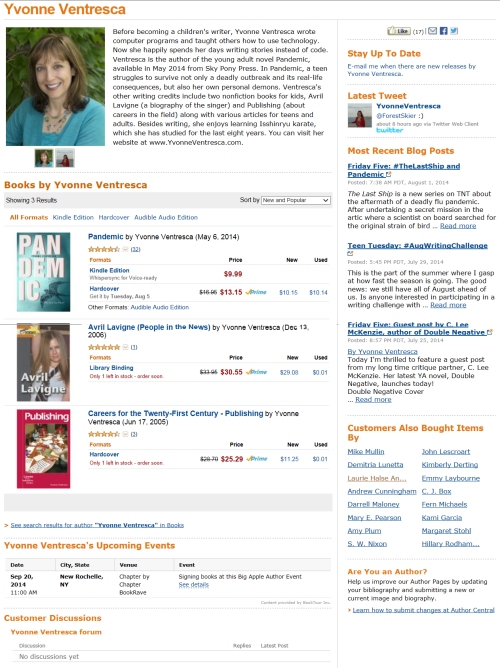
Yvonne has included a lot of the tips on the above list, but I’d like to see her add a few quotes from reviews of Pandemic, a book trailer, and to work on getting a video interview she can put up on the page. Adding these things will maximize the free space Amazon has given her and help increase the sales of her new book.
Good job, Yvonne!
Talk tomorrow,
Kathy
Filed under:
Advice,
authors and illustrators,
Book,
list,
Marketing a book,
Publishing Industry,
Tips Tagged:
Amazon Sales Page,
Maximize Book Sales,
Pandemic,
Yvonne Ventresca 

By: Kathy Temean,
on 7/29/2014
Blog:
Writing and Illustrating
(
Login to Add to MyJacketFlap)
JacketFlap tags:
list,
Book,
reference,
authors and illustrators,
Publishing Industry,
How to,
need to know,
demystify,
2014 NJSCBWI Conference,
Amazon Ranking vs. Daily Book Sales,
How to Sell More Books,
Add a tag
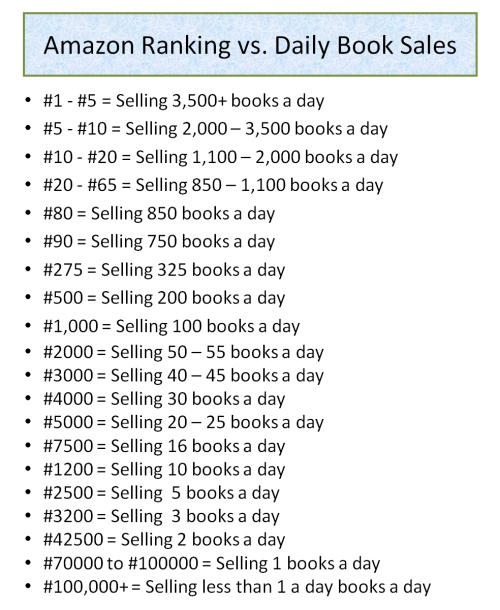
Thought you might be interested in the information I presented at the “How to Sell More Books” Workshop I gave at the NJSCBWI Conference in June. You might want to use it as a general rule of thumb when checking out your book (on other books) on Amazon.
Talk tomorrow,
Kathy
Filed under:
authors and illustrators,
Book,
demystify,
How to,
list,
need to know,
Publishing Industry,
reference Tagged:
2014 NJSCBWI Conference,
Amazon Ranking vs. Daily Book Sales,
How to Sell More Books 

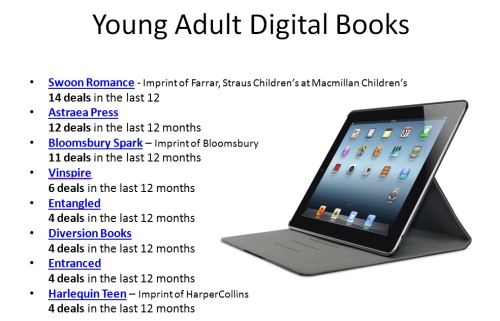
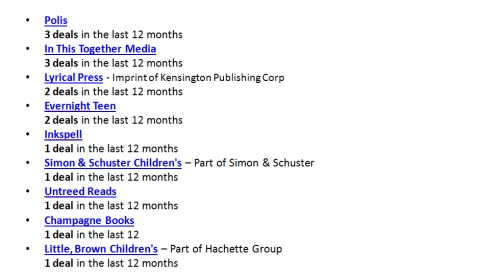
Here is a list of publishers who look to publish digital books. I thought you might like to keep this list for future reference, a good list to research. Note: The number of deals are only the ones reported to Publishers Marketplace.

Talk tomorrow,
Kathy
Filed under:
list,
Places to sumit,
publishers,
Publishing Industry,
reference,
Young Adult Novel Tagged:
2014 State of the Market Report,
YA Digital Publishers 

Author Tara Lazar posted a list of Fun Words on her blog. I have done a number of Word Lists on this blog, so as not to reinvent the wheel, I copied Tara’s list and deleted some words so you would have to visit her site. To the right of the column, I added some of my own fun words. I’m sure you have a bunch of words you could add. If you do, just leave them in the comments.
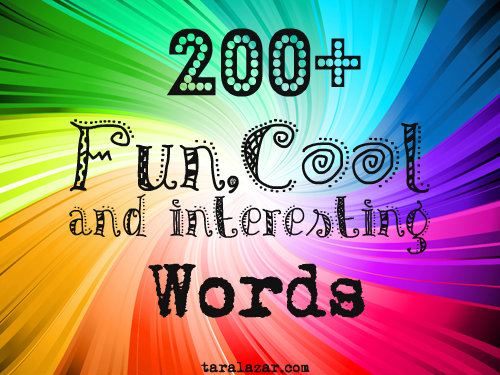
All writers love language. And we especially love fun words, don’t we? Some have funky spellings, tongue-twisting turns, a satisfying “ooh”…and some sound too hilarious to be true! So I’ve put together a list of favorite fun words that I’ll add to periodically. Have fun, lexicon lovers!
- aficionado
- akimbo
- alfresco
- ambrosial
- anemone
- aplomb
- apoplectic
- appaloosa
- Arietta
- avuncular
- balderdash
- bamboozle
- barnstorming
- befuddled
- berserk Bilge
- boffo
- bombastic
- boondoggle
- bozo
- braggadocio Brewski
- brouhaha
- bucolic
- buffoon Buffoonery
- bulbous
- bumbledom
- bungalow
- cacophony Caboodle
- cahoots
- candelabra
- canoodle
- cantankerous
- caterwaul
- catawampus Chameleon
- chichi
- chimichanga
- claptrap Clairvoyant
- clodhopper
- cockatoo
- codswallop
- comeuppance
- conundrum
- copacetic
- cornucopia Coquette
- cowabunga
- coxcomb
- crestfallen
- cuckolded
- curlicue
- demitasse
- diaphanous Diatribe
- digeridoo
- dilemma Dilettante
- dirigible
- discombobulated
- Donnybrook
- doohickey
- doppelganger Drivel
- ebullient
- effervescence
- egads Enchantress
- extraterrestrial
- finagle
- fandango
- festooned
- fisticuffs
- flabbergasted
- flapdoodle Fledgling
- flibbertigibbet Floozy
- flummoxed
- fortuitous
- fracas
- frippery
- froufrou
- fussbudget
- gadzooks
- gallimaufry Garantuan
- Giddy
- gibberish Ginseng
- gobbledygook
- gobsmacked
- gorgonzola
- gossamer
- guffaw
- haberdashery
- harrumph Harlet
- highfalutin
- hijinks
- hippocampus
- hobbledehoy Hobgoblin
- hodgepodge Hoedown
- hogwash Hooey
- hooligan
- hootenanny Horsefeathers
- hornswoggle
- hubbub
- hullabaloo
- humbug
- humdinger Huzzy
- huzzah
- hyperbole
- idiosyncrasies
- indubitably
- jabberwocky Jibber
- jitney
- juggernaut
- juxtaposition
- kaleidoscope
- kerfuffle
- kerplunk Killjoy
- kismet
- knickerbocker
- knickknack
- kumquat
- lackadaisical
- lambasted
- lampoon
- limburger
- logjam
- logorrhea
- lollapalooza
- lollygag Ludicrous
- lugubrious
- magnificent
- Magnum
- malarkey
- mayhem
- mellifluous Mealymouthed
- menagerie Melee
- milquetoast Mincemeat
- misanthrope
- mishmash
- mojo (character in THE MONSTORE) Motormouth
- mollycoddle Monkeyshine
- mulligatawny Niggle
- nincompoop Nitpicky
- nomenclature
- onomatopoeia
- oxymoron
- pachyderm
- palindrome Palooka
- panache
- pandemonium
- pantaloons
- parallelogram
- persimmon
- persnickety
- pettifogger
- phantasmagorical
- phylactery
- plethora
- pollywog
- pomposity
- poppycock
- potpourri
- Prattle
- quixotic
- raconteur
- ragamuffin
- rapscallion
- razzmatazz
- rejigger
- rendezvous
- resplendent
- ricochet
- rigmarole
- riposte Rotund
- ruffian Ruckus
- sabayon Rumpus
- sassafras
- scalawag
- schadenfreude
- schlep
- scintillating
- scrofulous
- scrumdiddlyumptious
- scuttlebutt
- serendipity
- shenanigans Shindig
- skedaddle
- skullduggery
- smorgasbord
- sojourn Soothsayer
- splendiferous
- squeegee
- squooshy
- staccato
- Stiletto
- superfluous
- Svengali
- swashbuckler
- swizzlestick
- synchronicity
- syzygy
- talisman
- taradiddle Teetotaler
- Teenybopper
- telekinesis Tenderfoot
- thingamabob
- thingamajig Tirade
- tomfoolery Tootsie
- trapezoid Twadle
- usurp
- uvula
- verisimilitude
- vermicious
- vertigo
- verve
- vivacious Voodoo
- vuvuzela
- wanderlust
- whippersnapper
- wigwam
- woebegone
- zaftig Yakkity
- zeitgeist
- zenzizenzizenzic (yes, this is a word! look it up!)
- zephyr
- zeppelin
- zigzag Zombie
Here is the link to Tara’s list:
http://taralazar.com/2014/06/09/list-of-200-fun-cool-and-interesting-words/
Talk tomorrow,
Kathy
Filed under:
inspiration,
list,
reference,
writing Tagged:
Additional Words on List,
Fun words,
kathy temean,
Tara Lazar 

By: Kathy Temean,
on 6/8/2014
Blog:
Writing and Illustrating
(
Login to Add to MyJacketFlap)
JacketFlap tags:
list,
Book,
authors and illustrators,
Publishing Industry,
Kudos,
Kirkus Review,
Ammi-Joan Paquette,
Joyce Wan,
Amy Dyckman,
2014 Young reader Nominees,
Add a tag
Last week, Kirkus Review put out a 27 page list of their 2014 Young Reader Book Nominees. They did a really good job of putting all the information about each one in an easy to use display. The link is at the bottom of this page. I took the books from the list that were written or illustrated by people I know for this post, but it is a great list to use to find books you might want to read.
Kudos to all my friends who made the list below:

Released: May 6, 2014
Reviewed: March 17, 2014
 SLEEPYHEADS
by Sandra J. Howatt, illustrated by Joyce Wan
“A superb execution of soporific shapes and sounds perfect for the bedside table. (Picture book. 2-6)“
Sleepyhead readers explore a hushed woodland at dusk, where they discover animals nestled in their cozy places at bedtime. Read full book review >
 Released: Oct. 3, 2013
Reviewed: Sept. 1, 2013>
TEA PARTY RULES
by Ame Dyckman, illustrated by K.G. Campbell
“Strong storytelling, pacing, emotive illustrations that match the deceptive plot and an exuberant sense of fun make this little gem a winner. (Picture book. 3-7)“
What stops a bear cub from gobbling down a plateful of delicious cookies? Tea Party rules, of course! Read full book review >
 Released: Oct. 8, 2013
Reviewed: Aug. 21, 2013
PETEY AND PRU AND THE HULLABALOO
by Ammi-Joan Paquette, illustrated by Joy Ang
“Here’s hoping that there are more kerfuffles and shenanigans in the future for this undeniably delightful duo. (Picture book. 4-8)“
Quiet Petey and his devil spawn of a best friend indulge in a little chaos propelled by gleefully sesquipedalian writing. Read full book review >

Released: Jan. 1, 2014
Reviewed: Aug. 31, 2013
 KING FOR A DAY
by Rukhsana Khan, illustrated by Christiane Krömer
“This story soars. (author’s note) (Picture book. 4-7)“
Set in Pakistan during Basant, “the most exciting day of the year,” this story focuses on the strength and resourcefulness of a child in a wheelchair as he navigates the skies at the spring kite festival. Read full book review >
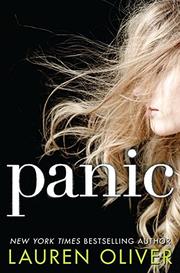
THRILLERS
Released: March 4, 2014
Reviewed: Jan. 4, 2014
PANIC
by Lauren Oliver
“The only thing more terrifying than the game itself is not getting the chance to play it. (Thriller. 14 & up)“
Oliver makes a white-knuckle return to realism that will have readers up until the wee hours. Read full book review >

Released: Feb. 11, 2014
Reviewed: Nov. 20, 2013
LITTLE POEMS FOR TINY EARS
by Lin Oliver, illustrated by Tomie dePaola
“A tenderly crafted collection that captures the joyous individual moments of infant discoveries. (Picture book/poetry. 6 mos.-2)“
Twenty-three original, first-person poems for the very young. Read full book review >

Released: Feb. 1, 2014
Reviewed: Nov. 20, 2013
BEAUTY AND THE BEAST
by H. Chuku Lee, illustrated by Pat Cummings
“This lovely reimagining of an old tale affirms the browning of American’s contemporary young readership. (Picture book. 4-8)“
A brown-skinned Beauty—what a refreshing change! Read full book review >
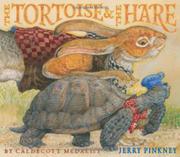
Released: Oct. 1, 2013
Reviewed: Aug. 14, 2013
THE TORTOISE & THE HARE
by Jerry Pinkney, illustrated by Jerry Pinkney
Released: Oct. 1, 2013
“A captivating winner—start to finish! (artist’s note, design notes) (Picture book/folk tale. 3-6)“
With luminous mixed media pictures, a short, carefully meted-out text and a Southwestern U.S. setting, Pinkney (The Lion and the Mouse, 2009) takes on another of Aesop’s fables—marvelously. Read full book review >

Released: April 1, 2014
Reviewed: Feb. 26, 2014
SUMMONING THE PHOENIX: POEMS AND PROSE ABOUT CHINESE MUSICAL INSTRUMENTS
by Emily Jiang, illustrated by April Chu
“From the booming paigu to the delicate strings of the ruan, the lutelike pipa and the yangqin, or hammered “butterfly harp,” a lively medley that will expand the musical boundaries of most young audiences. (bibliography) (Informational picture book/poetry. 6-9)“
Thirteen young musicians of diverse ethnic background ready themselves to play their traditional Chinese instruments on stage in this informative and gracefully illustrated twin debut. Read full book review >

Released: April 1, 2014
Reviewed: Feb. 19, 2014
THE GRUDGE KEEPER
by Mara Rockliff, illustrated by Eliza Wheeler
“Wordplay and humor provide an effective vehicle for a valuable moral. (Picture book. 5-8)“
“No one in the town of Bonnyripple ever kept a grudge. No one, that is, except old Cornelius, the Grudge Keeper.” So begins this original fairy tale that provides a literal illustration of the idiom “holding a grudge.” Read full book review >

Released: Oct. 1, 2013
Reviewed: Aug. 14, 2013
THE TWELVE DAYS OF CHRISTMAS
by Susan Jeffers, illustrated by Susan Jeffers
Released: Oct. 1, 2013
“A whimsical, magical interpretation of a holiday classic, improved by the additional storyline and the charming narrator. (artist’s note) (Picture book. 3-7)“
Jeffers has created a lovely story incorporating the words of the old folk song with one important change: a clever substitution of Santa as the giver of all the gifts instead of the narrator’s “true love.” Read full book review >

Released: March 11, 2014
Reviewed: Jan. 15, 2014
FIREFLY JULY: A YEAR OF VERY SHORT POEMS
edited by Paul B. Janeczko, illustrated by Melissa Sweet
“Scintillating! (permissions, acknowledgments) (Picture book/poetry. 4-8)“
Choosing from works spanning three centuries, Janeczko artfully arranges 36 elegant poems among the four seasons. Read full book review >

CHILDREN’S AND TEEN
Released: March 4, 2014
Reviewed: Feb. 19, 2014
TWO BUNNY BUDDIES
by Kathryn O. Galbraith, illustrated by Joe Cepeda
CHILDREN’S AND TEEN
Released: March 4, 2014
“Learning how to navigate the path of friendship is an important part of life, and these bunny buddies learn a lesson that is gently, beautifully shown rather than told. (Picture book. 2-7)“
In this simple but insightful story, two rabbits discover that lunch with a pal is more fun than eating alone. Read full book review >
Don’t miss the full 27 page list. CLICK HERE FOR FULL LIST.
Have you read any of the books? Do you know anyone whose book is listed? If so, give them a pat on the back.
Talk tomorrow,
Kathy
Filed under:
authors and illustrators,
Book,
Kudos,
list,
Publishing Industry Tagged:
2014 Young reader Nominees,
Ammi-Joan Paquette,
Amy Dyckman,
Joyce Wan,
Kirkus Review 


By: DanP,
on 5/12/2014
Blog:
OUPblog
(
Login to Add to MyJacketFlap)
JacketFlap tags:
tony,
scepticism,
stocksnapper,
scumbags,
hacks,
a dictionary of journalism,
journalism industry,
oxford paperback reference,
tony harcup,
harcup,
list,
lists,
Media,
journalism,
journalists,
jargon,
best and worst,
*Featured,
Add a tag
By Tony Harcup
Journalists are heroes to some and scumbags to others but the truth is that most are somewhere in the middle, trying to do as good a job as they can, often in difficult circumstances. That, at least, is the view of Tony Harcup, author of A Dictionary of Journalism. We asked him to tell us about some of the good – and not so good – things that journalists do. Do you agree with the below?
The nine best things about journalists:
- We tell you things that you didn’t even know you didn’t know.
- Our default position is healthy scepticism.
- We know that there’s no such thing as a stupid question.
- Our way with words translates jargon into language that actual people use.
- We juggle complex intellectual, legal, commercial and ethical issues every day, simultaneously and at high speed, all while giving the impression of being little deeper than a puddle.
- Our lateral thinking spots the significance of the dog that didn’t bark (noting in the process that Sherlock Holmes was created by a journalist).
- We speak truth to power (or, at least, we say boo to a goose).
- Our gallows humour keeps us going despite the grim stories we cover and the even grimmer people we work with (perhaps the most literal exponent of the art was journalist Ben Hecht who wrote the movies His Girl Friday and The Front Page about hacks covering a hanging).
- We identify with other journalists as fellow members of society’s awkward squad (which is why even those of us who have left the frontline of reporting and become “hackademics” still can’t stop saying “we”).
The nine worst things about journalists:
- We have a tendency to tell young hopefuls that all the quality has vanished from journalism compared to when we started out (journalists have been harking back to a mythical golden age for well over a century).
- Our scepticism can sometimes become cynicism.
- We routinely demand public apologies or resignations from anyone accused of misbehaviour (except ourselves).
- Our way with words is too often used to reduce individuals or communities to stereotypes.
- We have been known to conflate a popular touch with boorish anti-intellectualism.
- Our collective memory lets us down surprisingly often. (We won’t get fooled again? Don’t bet on it.)
- We are in danger of viewing the world through the eyes of whoever employs us, forgetting that, while they might hire us, they don’t own us.
- Our insistence that we are something of a special breed is a bit rich given that most journalistic jobs have more in common with The Office than with All The President’s Men.
- We eviscerate politicians for fiddling their expenses while celebrating hacks from the golden age (see no. 1) for doing exactly the same.
Tony Harcup is Senior Lecturer at the Department of Journalism Studies, University of Sheffield. A Dictionary of Journalism, first edition, will be published 15 May 2014. It covers over 1,400 wide-ranging entries on the terms that are likely to be encountered by students of the subject, and aims to offer a broad, accessible point of reference on an ever-topical and constantly-changing field that affects everyone’s knowledge and perception of the world.
Subscribe to the OUPblog via email or RSS.
Subscribe to only media articles on the OUPblog via email or RSS.
Image credit: Meet the press. By stocksnapper, via iStockphoto.
The post The best and worst things about journalists appeared first on OUPblog.

View Next 25 Posts



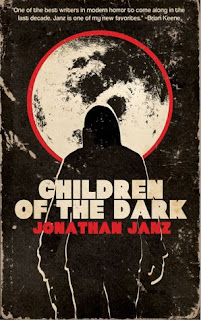


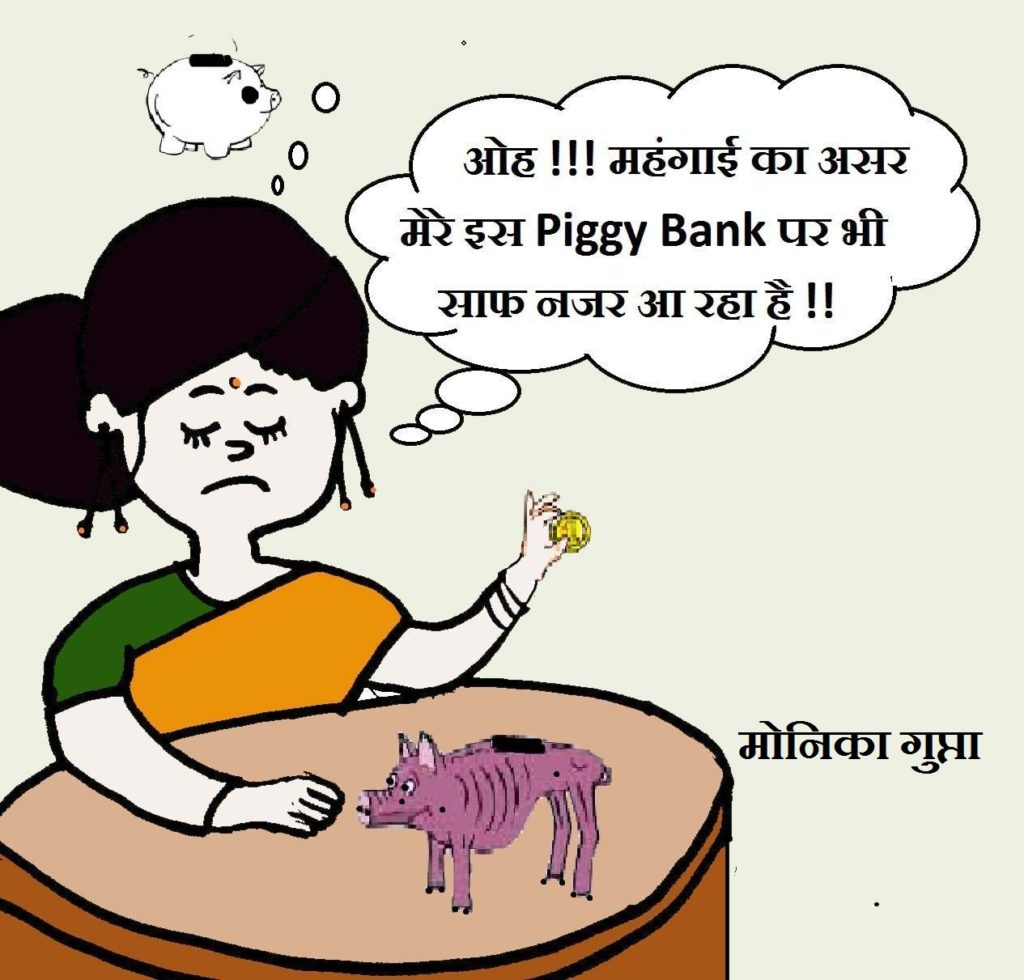













Excellent list…saving it for future reference!