


Try! Try! Try! is an entertaining board book that encourages young readers to try new things.
Add a Comment
new posts in all blogs
It's been a month since Benjamin Putter's father passed away. It's hard for an eleven-year-old to describe what it feels like to lose a loved one but Benjamin is convinced the lump he feels in his throat is a golf ball caused by his loss. If that isn't enough, he hears his father's voice coming from his urn imploring him to scatter his ashes on the 18th hole of the famous Augusta National golf course. He has no idea how he's going to get there but he knows he must.

.jpeg?picon=2320) By: Mary Ann Scheuer,
on 5/16/2016
By: Mary Ann Scheuer,
on 5/16/2016
Blog: Great Kid Books (Login to Add to MyJacketFlap)
JacketFlap tags: nonfiction, books for boys, ages 8-12, Add a tag

 Great layout, photographs and illustrations engage kids and help them see the progression of the game over the past 150 years. The information is detailed, but broken into short chunks that kids can absorb.
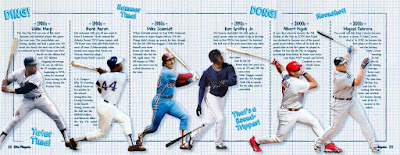 Excellent photographs will draw kids in, but it's really the text that will keep them coming back for more. Even die-hard fans will learn new aspects of the game's history, equipment and players.
Check out this full review by my friend Brenda Kahn over at Prose & Kahn to read more about this new Sports Illustrated baseball book. She calls it "a fine addition to any collection. The clean layout provides an organized, humorous journey for the eyes."

Look through this preview on Google Books to get a sense of the math and text -- I think this will be right for 4th and 5th graders, although some younger students will definitely enjoy reading this, perhaps with more parent support.
Examples are current, up-to-date stats. I especially like how the text explains both the math and the significance of the stats. Braun really captures the excitement of the game, and the way that stats help fans compare players.
If you're looking for a baseball math book for younger fans, you might check out The Math of Baseball, by Ian Mahaney.
The review copies were kindly sent by the publishers, Time, Inc. (via BlueSlip Media) and Capstone Books. If you make a purchase using the Amazon links on this site, a small portion goes to Great Kid Books. Thank you for your support.
©2016 Mary Ann Scheuer, Great Kid Books


When author, Gary Paulsen, rescues an elderly poodle named Corky from animal shelter, he discovers a spunk and lack of fear that makes the dog an amazing guard dog who returns the favor of saving a life. Gretchen, a dog who drinks from a mug, convinces the author that animals have an understanding and way of communicating that goes beyond what our minds can fathom. Who knew a mare would actually have the capability of protecting a jackrabbit from coyotes or that a bird could not only mimic a president but maybe even feel lonely? Some fascinating insights into the relationships animals have with humans.

View Next 25 Posts
Viewing: Blog Posts Tagged with: books for boys, Most Recent at Top [Help]
Results 1 - 25 of 421
By: Bianca Schulze,
on 7/25/2016
Blog: The Children's Book Review (Login to Add to MyJacketFlap)
JacketFlap tags: Animals, Reading Aloud, Reluctant Readers, featured, Board Books, Books for Boys, Animal Books, Dedicated Review, Ying Hui Tan, Lindsey Craig, Ages 0-3, Add a tag
Blog: The Children's Book Review (Login to Add to MyJacketFlap)
JacketFlap tags: Animals, Reading Aloud, Reluctant Readers, featured, Board Books, Books for Boys, Animal Books, Dedicated Review, Ying Hui Tan, Lindsey Craig, Ages 0-3, Add a tag
By: Bianca Schulze,
on 7/24/2016
Blog: The Children's Book Review (Login to Add to MyJacketFlap)
JacketFlap tags: Ages 0-3, Picture Books, Books for Boys, Caillou, Social Graces, Story Collections, Preschool Primers, Chouette Publishing, Treasury Books, Add a tag
Blog: The Children's Book Review (Login to Add to MyJacketFlap)
JacketFlap tags: Ages 0-3, Picture Books, Books for Boys, Caillou, Social Graces, Story Collections, Preschool Primers, Chouette Publishing, Treasury Books, Add a tag
Caillou, everyone's favorite preschooler, is back in this delightful collection of ten best-loved stories.
Add a Comment
By: Trudy Zufelt,
on 7/22/2016
Blog: Boys and Reading, Writing and Learning (Login to Add to MyJacketFlap)
JacketFlap tags: books for boys, middle grade books, books dealing with death, books about grief, Add a tag
Blog: Boys and Reading, Writing and Learning (Login to Add to MyJacketFlap)
JacketFlap tags: books for boys, middle grade books, books dealing with death, books about grief, Add a tag
 |
| Book received at no charge in exchange review. |
As he begins his journey, Benjamin meets up with a spunky girl named Noni who is determined to travel with him. Together they face obstacles that seem insurmountable. They also face the ugly inner demons of lingering racism and have to come to terms with what they see and hear as opposed to how they feel.
Strong writing and plot pacing make for a poignant and heart warming story. However, young readers may be turned off by the heart breaking subject matter. While it's written for middle grade, it may be too deep and unsettling for the younger end age group.

Rating ★★★★☆
Publishing Information:
Publisher: Simon and Schuster Books for Young Readers (May 10, 2016)
Pages: 336 hardcover
ISBN-13: 978-1481448390
Ages: 8-12
This book can be purchase from the following retailer:
0 Comments on Waiting for Augusta by Jessica Lawson: Book Review as of 1/1/1900
Add a Comment
By: Mary Ann Scheuer,
on 5/16/2016
Blog: Great Kid Books (Login to Add to MyJacketFlap)
JacketFlap tags: nonfiction, books for boys, ages 8-12, Add a tag
Baseball season is in full swing. The weather has been fabulous for baseball viewing. Share these new books with kids who love baseball stats, stories and players.
Baseball: Then to Wow!Whether it’s looking at changes in equipment or comparing playing styles then and now, this high-interest book provides opportunities for fans to analyze different aspects of the game. Emerson 4th and 5th graders are loving this book. Here's one student's favorite page -- showing the way baseball gloves developed from the 1880s to present day.
by the editors of Sports Illustrated Kids
Time, Inc. Books, 2016
Your local library
Amazon
ages 7-12

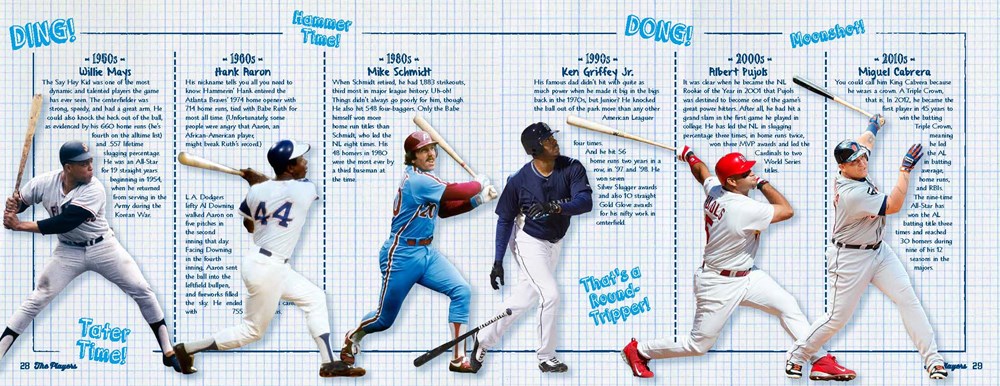
Check out this full review by my friend Brenda Kahn over at Prose & Kahn to read more about this new Sports Illustrated baseball book. She calls it "a fine addition to any collection. The clean layout provides an organized, humorous journey for the eyes."
Baseball Stats and the Stories Behind ThemBaseball fans love comparing stats to get a handle on how their favorite teams and players are doing. Braun introduces kids to the math behind the stats with this clear, high-interest introduction covering everything from basic batting averages to slugging and fielding percentages. Full of up-to-date stats and photos.
What Every Fan Needs to Know
by Eric Braun
Capstone, 2016
Preview on Google Books
Your local library
Amazon
ages 7-12
Look through this preview on Google Books to get a sense of the math and text -- I think this will be right for 4th and 5th graders, although some younger students will definitely enjoy reading this, perhaps with more parent support.
Examples are current, up-to-date stats. I especially like how the text explains both the math and the significance of the stats. Braun really captures the excitement of the game, and the way that stats help fans compare players.
If you're looking for a baseball math book for younger fans, you might check out The Math of Baseball, by Ian Mahaney.
The review copies were kindly sent by the publishers, Time, Inc. (via BlueSlip Media) and Capstone Books. If you make a purchase using the Amazon links on this site, a small portion goes to Great Kid Books. Thank you for your support.
©2016 Mary Ann Scheuer, Great Kid Books
0 Comments on Baseball stats & history: Two terrific new books (ages 7-12) as of 5/16/2016 8:00:00 AM
Add a Comment
By: Bianca Schulze,
on 4/20/2016
Blog: The Children's Book Review (Login to Add to MyJacketFlap)
JacketFlap tags: Ages 0-3, Ages 4-8, Picture Book, Picture Books, Science, Space, Bedtime Stories, Universe, Books for Boys, Author Showcase, Bedtime Books, Best Kids Stories, Carole P. Roman, Dedicated Review, Mateya Arkova, Astronomy Books, Star Gazing Books, Add a tag
Blog: The Children's Book Review (Login to Add to MyJacketFlap)
JacketFlap tags: Ages 0-3, Ages 4-8, Picture Book, Picture Books, Science, Space, Bedtime Stories, Universe, Books for Boys, Author Showcase, Bedtime Books, Best Kids Stories, Carole P. Roman, Dedicated Review, Mateya Arkova, Astronomy Books, Star Gazing Books, Add a tag
Rocket-Bye is one of the latest and greatest picture books from award-winning author, Carole P. Roman.
Add a Comment
By: Guest Posts,
on 4/18/2016
Blog: The Children's Book Review (Login to Add to MyJacketFlap)
JacketFlap tags: Ages 4-8, Ages 9-12, Historical Fiction, Chapter Books, Author Interviews, Social Justice, featured, Books for Boys, Immigrants, Justice, Animal Rights, Deborah Hopkinson, Homelessness & Poverty, 19th Century Books, Books Set in New York, Books with Pickpockets, Street Musicians, Add a tag
Blog: The Children's Book Review (Login to Add to MyJacketFlap)
JacketFlap tags: Ages 4-8, Ages 9-12, Historical Fiction, Chapter Books, Author Interviews, Social Justice, featured, Books for Boys, Immigrants, Justice, Animal Rights, Deborah Hopkinson, Homelessness & Poverty, 19th Century Books, Books Set in New York, Books with Pickpockets, Street Musicians, Add a tag
Deborah Hopkinson is the award-winning author of more than 45 books for young readers.
Add a Comment
By: Sue Morris @ KidLitReviews,
on 4/1/2016
Blog: Kid Lit Reviews (Login to Add to MyJacketFlap)
JacketFlap tags: Lisa Regan, inventing, 6-Stars TOP BOOK, Top 10 of 2016, Andrew Rae, Lawrence King Publishing, My Crazy Inventions Sketchbook: 50 Awesome Drawing Activities for Young Inventors, Children's Books, creativity, imagination, NonFiction, doodles, Middle Grade, patents, books for boys, Shark Tank, Library Donated Books, Add a tag
Blog: Kid Lit Reviews (Login to Add to MyJacketFlap)
JacketFlap tags: Lisa Regan, inventing, 6-Stars TOP BOOK, Top 10 of 2016, Andrew Rae, Lawrence King Publishing, My Crazy Inventions Sketchbook: 50 Awesome Drawing Activities for Young Inventors, Children's Books, creativity, imagination, NonFiction, doodles, Middle Grade, patents, books for boys, Shark Tank, Library Donated Books, Add a tag
My Crazy Inventions Sketchbook: 50 Awesome Drawing Activities for Young Inventors Written by Lisa Regan Illustrated by Andrew Rae Lawrence King Publishing 9/29/2015 978-1-78067-611-1 128 pages Ages 8+ “DO YOU HAVE SOME CRAZY INVENTIONS UP YOUR SLEEVE?! “This new doodle book will speak to the imaginative and to future ‘Shark Tank’ contestants …
By: Sue Morris @ KidLitReviews,
on 3/4/2016
Blog: Kid Lit Reviews (Login to Add to MyJacketFlap)
JacketFlap tags: Middle Grade, outdoors, trust, survival, books for boys, camping, Carolrhoda Books, integrity, Morse Code, Elizabeth Atkinson, Lerner Publishing Group, Library Donated Books, 6-Stars TOP BOOK, Top 10 of 2016, The Island of Beyond, relationships, Add a tag
Blog: Kid Lit Reviews (Login to Add to MyJacketFlap)
JacketFlap tags: Middle Grade, outdoors, trust, survival, books for boys, camping, Carolrhoda Books, integrity, Morse Code, Elizabeth Atkinson, Lerner Publishing Group, Library Donated Books, 6-Stars TOP BOOK, Top 10 of 2016, The Island of Beyond, relationships, Add a tag
My calendar said today is World Read Aloud Day. As you can see, it’s wrong. This took place on February 24th. Not sure how I messed this up, but really, can’t any day be a good day to read aloud? If you know a middle grader who is unable to read, even if only for today, …
By: Sue Morris @ KidLitReviews,
on 3/3/2016
Blog: Kid Lit Reviews (Login to Add to MyJacketFlap)
JacketFlap tags: Giveaways, Middle Grade, Series, books for boys, Book 3, Antonio Javier Caparo, Ellen Prager, Mighty Media Press, Mighty Media Junior Readers, Stingray City, 5-Stars, animal preservation, Grand Cayman Islands, ocean conservatory, stingrays, Tristan Hunt and the Sea Guardians, Add a tag
Blog: Kid Lit Reviews (Login to Add to MyJacketFlap)
JacketFlap tags: Giveaways, Middle Grade, Series, books for boys, Book 3, Antonio Javier Caparo, Ellen Prager, Mighty Media Press, Mighty Media Junior Readers, Stingray City, 5-Stars, animal preservation, Grand Cayman Islands, ocean conservatory, stingrays, Tristan Hunt and the Sea Guardians, Add a tag
Stingray City SERIES: Tristan Hunt and the Sea Guardians, Book 3 Written by Ellen Prager Illustrated by Antonio Javier Caparo Mighty Media Junior Readers 5/03/2016 978-1-938063-70-1 280 pages Ages 9—13 . “Being a teenager is never easy. Especially when you can talk to sharks! Hunt has enough to worry about …
By: Bianca Schulze,
on 2/23/2016
Blog: The Children's Book Review (Login to Add to MyJacketFlap)
JacketFlap tags: Ages 4-8, Adventure, Ages 9-12, Chapter Books, Australia, Books for Boys, Australian, Environment & Ecology, Mystery, featured, Australian Authors, Danny Pinn, Julian Ledlin, Mysteries, Add a tag
Blog: The Children's Book Review (Login to Add to MyJacketFlap)
JacketFlap tags: Ages 4-8, Adventure, Ages 9-12, Chapter Books, Australia, Books for Boys, Australian, Environment & Ecology, Mystery, featured, Australian Authors, Danny Pinn, Julian Ledlin, Mysteries, Add a tag
Complete with bush walks and a vegemite sandwich, Johnny Foolish is an Australian tale worthy of a read—too right!
Add a Comment
By: Trudy Zufelt,
on 2/8/2016
Blog: Boys and Reading, Writing and Learning (Login to Add to MyJacketFlap)
JacketFlap tags: middle grade, books for boys, Gary Paulsen, animal books for boys, Add a tag
Blog: Boys and Reading, Writing and Learning (Login to Add to MyJacketFlap)
JacketFlap tags: middle grade, books for boys, Gary Paulsen, animal books for boys, Add a tag
 |
| ARC received at no charge to facilitate review. |
Overall, the book felt like a compilation of notes about animals that didn't quite make it into Paulsen's adventure novels. While not Paulsen's best work, the reluctant reader may love the different anecdotes on animals relation to man. With each chapter being a different experience, the older middle grade reader can merely enjoy the short stories rather than think through a plot.
Rating: ★★★★☆
0 Comments on This Side of Wild: Mutts, Mares and Laughing Dinosaurs by Gary Paulsen: Book Review as of 2/8/2016 9:24:00 AM
Add a Comment
By: Sue Morris @ KidLitReviews,
on 2/7/2016
Blog: Kid Lit Reviews (Login to Add to MyJacketFlap)
JacketFlap tags: Children's Books, relationships, pets, Chapter Books, adventures, Kane Miller, books for boys, guinea pigs, Michael Bond, Catherine Rayner, Library Donated Books, 5-Stars, Olga da Polga, Add a tag
Blog: Kid Lit Reviews (Login to Add to MyJacketFlap)
JacketFlap tags: Children's Books, relationships, pets, Chapter Books, adventures, Kane Miller, books for boys, guinea pigs, Michael Bond, Catherine Rayner, Library Donated Books, 5-Stars, Olga da Polga, Add a tag
Olga da Polga Written by Michael Bond Illustrated by Catherine Rayner Kane Miller 10/01/2015 978-1-61067-433-1 176 pages Ages 6+ “With a head full of stories and a nose for adventure, Olga da Polga is also quite a handful. And when she moves into the Sawdust family’s garden, life for Noel the cat, Fangio …
By: Sue Morris @ KidLitReviews,
on 2/5/2016
Blog: Kid Lit Reviews (Login to Add to MyJacketFlap)
JacketFlap tags: Greatest Guru in All the World, Jojo Wood, Timothy Johnson, Children's Books, adventure, Chapter Books, Series, books for boys, Debut Author, tall tales, Booktrope, 3-Stars, Add a tag
Blog: Kid Lit Reviews (Login to Add to MyJacketFlap)
JacketFlap tags: Greatest Guru in All the World, Jojo Wood, Timothy Johnson, Children's Books, adventure, Chapter Books, Series, books for boys, Debut Author, tall tales, Booktrope, 3-Stars, Add a tag
Today is Take Your Child to the Library Day! Get out those library cards at get thy self and children (don’t have any, borrow one or more from a mom needing a break), and get to the library. Check out the new books, the old books, storyhour, and everything else your local library offers. Today’s …
By: Sue Morris @ KidLitReviews,
on 1/31/2016
Blog: Kid Lit Reviews (Login to Add to MyJacketFlap)
JacketFlap tags: Children's Books, mysteries, Chocolate, Middle Grade, Series, detectives, Reluctant Readers, secrets, books for boys, ships, Julie Anne Grasso, Alexander Avellino, 4-Stars, Frankie Dupont and the High Seas Heist, luxury cruses, Add a tag
Blog: Kid Lit Reviews (Login to Add to MyJacketFlap)
JacketFlap tags: Children's Books, mysteries, Chocolate, Middle Grade, Series, detectives, Reluctant Readers, secrets, books for boys, ships, Julie Anne Grasso, Alexander Avellino, 4-Stars, Frankie Dupont and the High Seas Heist, luxury cruses, Add a tag
Frankie Dupont And The High Seas Heist SERIES: Frankie Dupont Mystery Series, Bk. #4 Written by Julie Anne Grasso Illustrated by Alexander Avellino Released 7/03/2015 978-0-9943216-0-2 132 pages Ages 8—12 “Frankie Dupont seems to catch odd-ball cases in the most unlikely places. You would think he would be used to it by now. …
By: Sue Morris @ KidLitReviews,
on 1/29/2016
Blog: Kid Lit Reviews (Login to Add to MyJacketFlap)
JacketFlap tags: The New Small Person, Children's Books, family, siblings, relationships, Picture Books, Candlewick Press, books for boys, new baby, Lauren Child, only child, second child, Library Donated Books, 6-Stars TOP BOOK, Top 10 of 2016, Add a tag
Blog: Kid Lit Reviews (Login to Add to MyJacketFlap)
JacketFlap tags: The New Small Person, Children's Books, family, siblings, relationships, Picture Books, Candlewick Press, books for boys, new baby, Lauren Child, only child, second child, Library Donated Books, 6-Stars TOP BOOK, Top 10 of 2016, Add a tag
The New Small Person Written and Illustrated by Lauren Child Candlewick Press 2/10/2015 978-0-7636-7810-4 32 pages Ages 4—8 “Elmore Green started life as an only child, as many children do. He had a room all to himself, and everything in it was his. But then one day a new small person came along, …
By: Sue Morris @ KidLitReviews,
on 1/17/2016
Blog: Kid Lit Reviews (Login to Add to MyJacketFlap)
JacketFlap tags: Sky Pony Press, 5-Stars, Belly Laugh Jokes for Kids, Belly Laugh Knock-Knock Jokes for Kids, Bethany Straker, jokers, Sky Pony Press Editors, Children's Books, humor, laughter, Series, Reluctant Readers, books for boys, knock-knock jokes, Add a tag
Blog: Kid Lit Reviews (Login to Add to MyJacketFlap)
JacketFlap tags: Sky Pony Press, 5-Stars, Belly Laugh Jokes for Kids, Belly Laugh Knock-Knock Jokes for Kids, Bethany Straker, jokers, Sky Pony Press Editors, Children's Books, humor, laughter, Series, Reluctant Readers, books for boys, knock-knock jokes, Add a tag
Belly Laugh Jokes for Kids Belly Laugh Knock-Knock Jokes for Kids Written or Collected by Sky Pony Editors Illustrated by Bethany Straker Sky Pony Press 10/20/2015 978-1-63450-156-9 / 978-1-63220-437-0 138 (both) Ages 5+ Why is it a bad idea to tell an egg a joke? “Because it might crack-up!” Knock, Knock “Who’s …
By: Elizabeth Varadan,
on 1/7/2016
Blog: The Children's Book Review (Login to Add to MyJacketFlap)
JacketFlap tags: Health, Courage, Ages 9-12, Historical Fiction, Chapter Books, Oliver Jeffers, England, World War I, Books for Boys, John Boyne, Middle Grade Books, Post Traumatic Stress Disorder, Add a tag
Blog: The Children's Book Review (Login to Add to MyJacketFlap)
JacketFlap tags: Health, Courage, Ages 9-12, Historical Fiction, Chapter Books, Oliver Jeffers, England, World War I, Books for Boys, John Boyne, Middle Grade Books, Post Traumatic Stress Disorder, Add a tag
Stay Where You Are & Then Leave will appeal to middle grade readers interested in twentieth century history, life in England during World War I; also anyone who has had to deal with a parent changed by trauma.
Add a Comment
By: Sue Morris @ KidLitReviews,
on 1/5/2016
Blog: Kid Lit Reviews (Login to Add to MyJacketFlap)
JacketFlap tags: NonFiction, Historical Fiction, books for boys, Suzanne Slade, perseverance, inventors, Thomas Edison, Henry Ford, Charlesbridge Publishing, Library Donated Books, 5-Stars, Jennifer Black Reinhardt, The Inventor’s Secret, What Thomas Edison Told Henry Ford, Children's Books, friendship, biography, Picture Books, Add a tag
Blog: Kid Lit Reviews (Login to Add to MyJacketFlap)
JacketFlap tags: NonFiction, Historical Fiction, books for boys, Suzanne Slade, perseverance, inventors, Thomas Edison, Henry Ford, Charlesbridge Publishing, Library Donated Books, 5-Stars, Jennifer Black Reinhardt, The Inventor’s Secret, What Thomas Edison Told Henry Ford, Children's Books, friendship, biography, Picture Books, Add a tag
The Inventor’s Secret: What Thomas Edison Told Henry Ford Written by Suzanne Slade Illustrated by Jennifer Black Reinhardt Charlesbridge Publishing 9/08/2015 978-01-58089-667-2 32 pages Ages 7—12 “Thomas was curious about electricity—invisible energy that flowed and stopped, sizzled and popped. “Henry was curious about engines—machines that chugged and purred, hiccupped and whirred. “When Thomas …
By: Sue Morris @ KidLitReviews,
on 12/20/2015
Blog: Kid Lit Reviews (Login to Add to MyJacketFlap)
JacketFlap tags: Children's Books, holidays, Picture Book, Poetry, Christmas, Favorites, Santa Claus, Books for Boys, Holiday Book, Clement C. Moore, 4stars, Sky Pony Press, Library Donated Books, Legos®, Sky Horse Publishing. Amanda Brack, The Night before Christmas: A Brick Story, Add a tag
Blog: Kid Lit Reviews (Login to Add to MyJacketFlap)
JacketFlap tags: Children's Books, holidays, Picture Book, Poetry, Christmas, Favorites, Santa Claus, Books for Boys, Holiday Book, Clement C. Moore, 4stars, Sky Pony Press, Library Donated Books, Legos®, Sky Horse Publishing. Amanda Brack, The Night before Christmas: A Brick Story, Add a tag
. The Night Before Christmas: A Brick Story Written by Clement C. Moore Illustrated by Amanda Brack Sky Pony Press 10/06/2015 978-1-63450-179-8 32 pages Ages 4—8 “’Twas the night before Christmas, when all through the house, Not a creature was stirring, not even a Lego mouse! “You and your …
By: Sue Morris @ KidLitReviews,
on 12/17/2015
Blog: Kid Lit Reviews (Login to Add to MyJacketFlap)
JacketFlap tags: Biography, NonFiction, Middle Grade, humor, Favorites, Series, Books for Boys, Quirk Books, 5stars, Library Donated Books, David Stabler, Doogie Horner, childhoods of sports legends, Kid Athletes, sports legends, True Tales of Childhood from Sport Legends, Add a tag
Blog: Kid Lit Reviews (Login to Add to MyJacketFlap)
JacketFlap tags: Biography, NonFiction, Middle Grade, humor, Favorites, Series, Books for Boys, Quirk Books, 5stars, Library Donated Books, David Stabler, Doogie Horner, childhoods of sports legends, Kid Athletes, sports legends, True Tales of Childhood from Sport Legends, Add a tag
Kid Athletes: True Tales of Childhood from Sports Legends Series: Kid Legends Written by David Stabler Illustrated by Doogie Horner Quirk Books 11/17/2015 978-1-59474-802-8 208 pages Ages 8—12 “Forget the gold medals, the championships, and the undefeated seasons. When all-star athletes were growing up, they had regular-kid problems just like you. …
By: Sue Morris @ KidLitReviews,
on 12/14/2015
Blog: Kid Lit Reviews (Login to Add to MyJacketFlap)
JacketFlap tags: Library Donated Books, Borneo, Renée Kurilla, Orangutanka, Children's Books, Interviews, Picture Book, Poetry, Favorites, dancing, Books for Boys, tanka, Margarita Engle, rain forests, orangutans, 5stars, Henry Holt & Company, Add a tag
Blog: Kid Lit Reviews (Login to Add to MyJacketFlap)
JacketFlap tags: Library Donated Books, Borneo, Renée Kurilla, Orangutanka, Children's Books, Interviews, Picture Book, Poetry, Favorites, dancing, Books for Boys, tanka, Margarita Engle, rain forests, orangutans, 5stars, Henry Holt & Company, Add a tag
LAST DAY! $50 Gift Certificate Holiday Giveaway Enter here: Mudpuppy Holiday Giveaway . Orangutanka: A Story in Poems Written by Margarita Engle Illustrations by Renée Kurilla Henry Holt & Company 3/24/2015 978-0-8050-9839-6 32 pages Ages 4—8 “All the orangutans are ready for a nap in the sleepy depths of the afternoon . …
By: Sue Morris @ KidLitReviews,
on 12/13/2015
Blog: Kid Lit Reviews (Login to Add to MyJacketFlap)
JacketFlap tags: Library Donated Books, The Knights before Christmas, Children's Books, holidays, Picture Book, Poetry, Christmas, Favorites, Books for Boys, Scott Magoon, knights, Joan Holub, Holiday Book, The Night Before Christmas, Medieval Times, 5stars, Henry Holt & Company, Add a tag
Blog: Kid Lit Reviews (Login to Add to MyJacketFlap)
JacketFlap tags: Library Donated Books, The Knights before Christmas, Children's Books, holidays, Picture Book, Poetry, Christmas, Favorites, Books for Boys, Scott Magoon, knights, Joan Holub, Holiday Book, The Night Before Christmas, Medieval Times, 5stars, Henry Holt & Company, Add a tag
ENDS IN 2 DAYS! $50 Gift Certificate Holiday Giveaway Enter here: Mudpuppy Holiday Giveaway . The Knights Before Christmas Written by Joan Holub Illustrated by Scott Magoon Henry Holt & Co. 9/08/2015 978-0-8050-9932-4 32 pages Ages 4—8 “’Twas December 24th, and three brave (but somewhat clueless) knights were just settling …
By: Sue Morris @ KidLitReviews,
on 12/8/2015
Blog: Kid Lit Reviews (Login to Add to MyJacketFlap)
JacketFlap tags: dogs, humor, Favorites, Books for Boys, puppies, dog training, Peachtree Publishers, Alex Latimer, 5stars, Library Donated Books, dog behavior, Stay! A Top Dog Story, Children's Books, Picture Book, Add a tag
Blog: Kid Lit Reviews (Login to Add to MyJacketFlap)
JacketFlap tags: dogs, humor, Favorites, Books for Boys, puppies, dog training, Peachtree Publishers, Alex Latimer, 5stars, Library Donated Books, dog behavior, Stay! A Top Dog Story, Children's Books, Picture Book, Add a tag
$50 Gift Certificate Holiday Giveaway Enter here: Mudpuppy Holiday Giveaway . Stay! A Top Dog Story Written & Illustrated by Alex Latimer Peachtree Publishers 9/01/2015 978-1-56145-884-4 32 pages Ages 4—8 “Looking after Ben’s dog, Buster, is no walk in the park—Buster is messy, he is rowdy, he is EXHAUSTING! But Ben loves …
By: Bianca Schulze,
on 12/5/2015
Blog: The Children's Book Review (Login to Add to MyJacketFlap)
JacketFlap tags: J.K. Rowling, Halloween, Friendship, Ages 9-12, Terry Pratchett, Chapter Books, Author Interviews, featured, Books for Boys, Middle Grade Books, Yoko Tanaka, Fantasy: Supernatural Fiction, Marie Brennan, Crown Books for Young Readers, Laurel Gale, Add a tag
Blog: The Children's Book Review (Login to Add to MyJacketFlap)
JacketFlap tags: J.K. Rowling, Halloween, Friendship, Ages 9-12, Terry Pratchett, Chapter Books, Author Interviews, featured, Books for Boys, Middle Grade Books, Yoko Tanaka, Fantasy: Supernatural Fiction, Marie Brennan, Crown Books for Young Readers, Laurel Gale, Add a tag
Fans of Neil Gaiman’s The Graveyard Book will embrace this darkly funny debut novel from Laurel Gale about Crow, a dead boy, who has a chance at friendship—and a chance at getting his life back.
Add a Comment
By: Sue Morris @ KidLitReviews,
on 12/2/2015
Blog: Kid Lit Reviews (Login to Add to MyJacketFlap)
JacketFlap tags: HarperCollins Publishers, 5stars, summer heat, Library Donated Books, Tom Watson, Stick Dog, Stick Dog Dreams of Ice Cream, feral dogs, friendship, Middle Grade, dogs, Favorites, Series, reluctant readers, Harper, Books for Boys, Add a tag
Blog: Kid Lit Reviews (Login to Add to MyJacketFlap)
JacketFlap tags: HarperCollins Publishers, 5stars, summer heat, Library Donated Books, Tom Watson, Stick Dog, Stick Dog Dreams of Ice Cream, feral dogs, friendship, Middle Grade, dogs, Favorites, Series, reluctant readers, Harper, Books for Boys, Add a tag
Look at all the falling snow. (Move your mouse right and left and watch the snow switch direction.) Virtual snow I can love. Real snow, not so much. What happened? As a kid I loved snow, played outside in the snow, was thrilled to see snow falling. Now, I groan. You might find yourself groaning …
View Next 25 Posts