new posts in all blogs
Viewing: Blog Posts from the Reviews category, Most Recent at Top [Help]
Results 26 - 50 of 159,457
How to use this Page
You are viewing the most recent posts from blogs in the Reviews category in the JacketFlap blog reader. These posts are sorted by date, with the most recent posts at the top of the page. There are hundreds of new posts here every day on a variety of topics related to children's publishing. Scroll down through the list of Recent Posts in the left column and click on a post title that sounds interesting. Click a tag in the right column to view posts about that topic. You can view all posts from a specific blog by clicking the Blog name in the right column, or you can click a 'More Posts from this Blog' link in any individual post.
 During the 2016 Boston Globe-Horn Book Colloquium Carol Boston Weatherford and Ekua Holmes spoke together about the art of writing about other people. During the speech they mentioned how part of their job is to break down “the canonical boundaries of biography.” Too often kids read the same biographies about the same people over and over again. The canon, such as it is. There were a bunch of perfectly good biographies out about those folks this year. I prefer the more obscure figures and the people who don’t usually get studied.
On that note, here are the folks from 2016 that got some stellar bios. The ones you probably shouldn’t miss:
2016 Unique Biographies for Kids
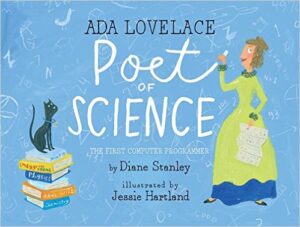
Ada Lovelace, Poet of Science: The First Computer Programmer by Diane Stanley, ill. Jessie Hartland
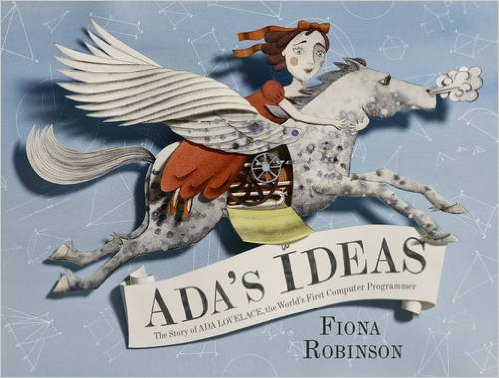
Ada’s Ideas: The Story of Ada Lovelace, the World’s First Computer Programmer by Fiona Robinson
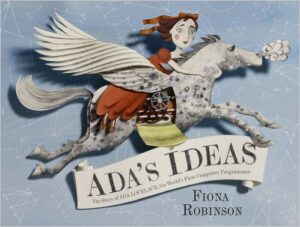
It’s a twofer! Ask for one Ada Lovelace biography, get two! Which one do I like better? According to my notes . . . my notes say I liked both of them equally. We had some in 2015 as well, it occurs to me. Does that mean we’ll get even more in 2017? Stranger things have happened.
By the way, I heard the most amusing complaint the other day that Ada gets all the bios for kids and Babbage gets none. I’ll just let you process that one in your brain yourself.
Anything But Ordinary: The True Story of Adelaide Herman, Queen of Magic by Mara Rockliff, ill. Iacopo Bruno
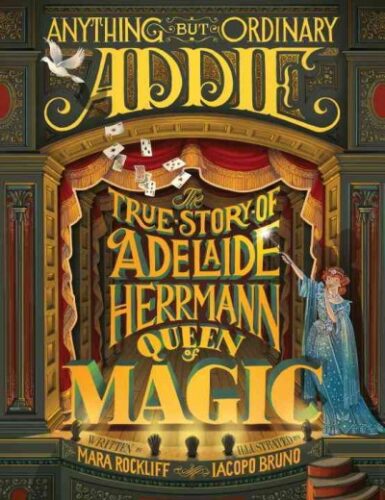
Lots of reason to love this. Rockliff did a lot of original research to learn about this early female magician and her most magnificent and infamous trick. Iacopo Brunos’ art just add to the lustre, since he produces gorgeous art and gets very little public appreciation for it. Luscious.
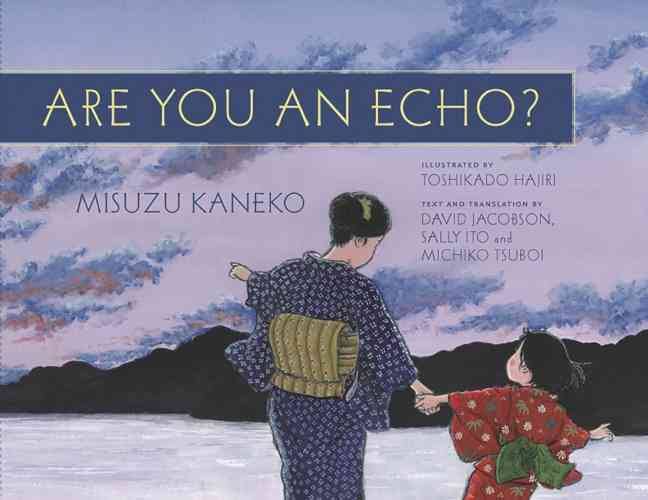
Are You an Echo?: The Lost Poetry of Misuzu Kaneko by David Jacobson, ill. Toshikado Hajiri, translations by Sally Ito and Michiko Tsuboi
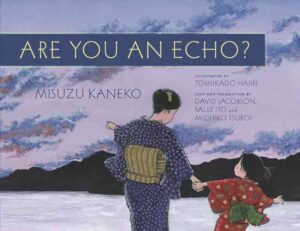
How many other lists can I get this on? At least one more, I think . . .
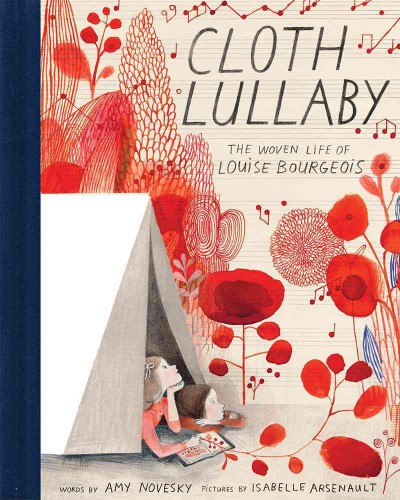
Cloth Lullaby: The Woven Life of Louise Bourgeois by Amy Novesky, ill. Isabelle Arsenault

You might remember Cloth Lullaby from such previous lists as 2016 Calde-nots (solely because the illustrator doesn’t reside here). It’s hard to pinpoint why exactly I like it so much, apart from the art. Maybe it’s the fact that it shows that art springs from inside you and comes out in all kinds of original, eclectic, interesting ways.
Dorothea’s Eyes by Barb Rosenstock, ill. Gerard DuBois
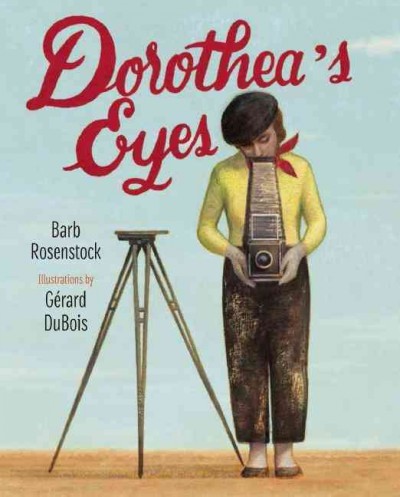
Photographers do get pic bios, but I’m still holding out for Weegee. Dorothea Lange will do in a pinch, though.
Esquivel! Space-Age Sound Artist by Susan Wood, ill. Duncan Tonatiuh
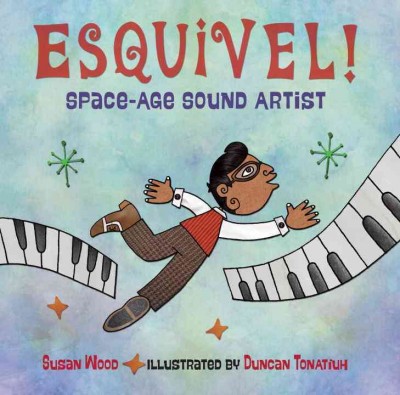
I love that I live in a world where a picture biography of a lounge music composer can even exist.
Fancy Party Gowns: The Story of Ann Cole Lowe by Deborah Blumenthal, ill. Laura Freeman
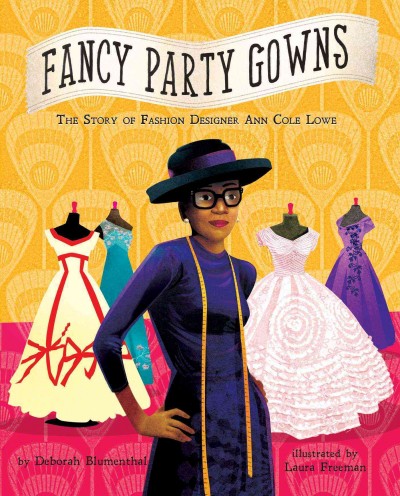
I had this sitting on my desk and someone walked past, saw the dresses, and then started cooing about the ones they knew. Very cool.
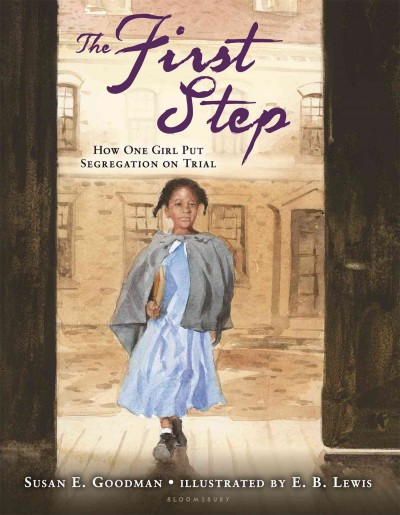
The First Step: How One Girl Put Segregation on Trial by Susan E. Goodman, ill. E.B. Lewis
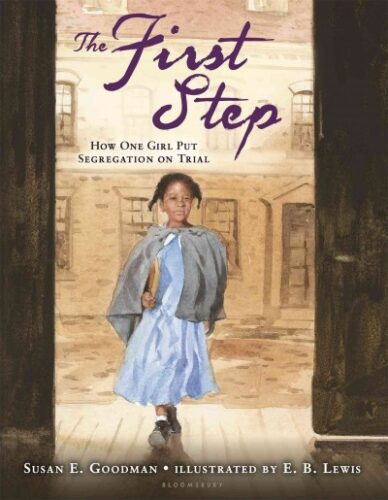
A biography of a kid! Once in a while a child will be assigned such a thing. Ruby Bridges can only be discussed by so many children. Nice to have some (much earlier) alternatives.
Gabe: A Story of Me, My Dog, and the 1970s by Shelley Gill, ill. Marc Scheff
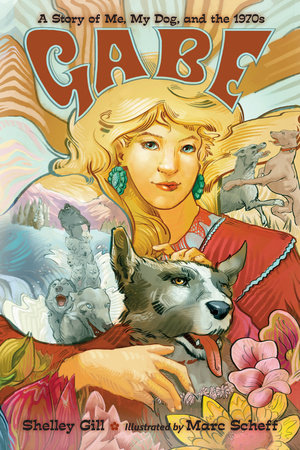
Technically this is an autobiography and not a biography but the psychedelic, nutty, dog-loving nature of this (which is to say, its awesomeness) compels me to include it.
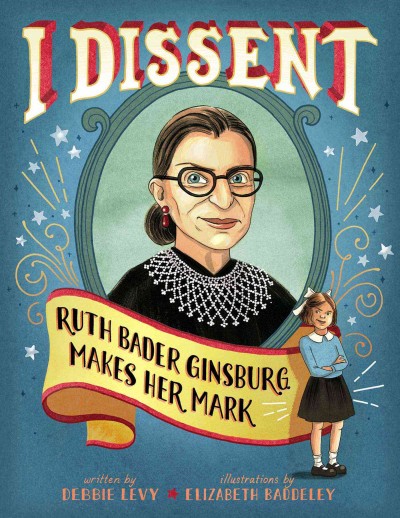
I Dissent: Ruth Bader Ginsburg Makes Her Mark by Debbie Levy, ill. Elizabeth Baddeley
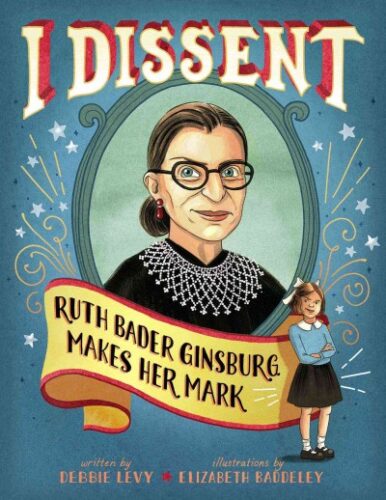
The first, I am sure, of many such biographies to exist.
Indian Boyhood: The True Story of a Sioux Upbringing by Charles Eastman, ill. Heidi M. Rasch

A new edition of a title that was released more than a hundred years ago. Debbie Reese included an earlier republication on her list of Recommended Children’s/YA/Reference/Resource Books, FYI.
The Kid from Diamond Street: The Extraordinary Story of Baseball Legend Edith Houghton by Audrey Vernick, ill. Steven Salerno
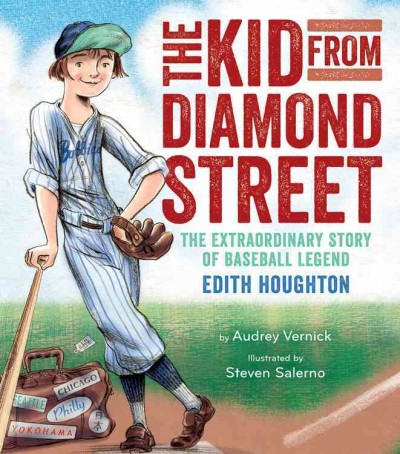
Poor sports books. They just don’t really come out all that often. Particularly if they’re about women. This one was fun and light-hearted, something we could all read once in a while.
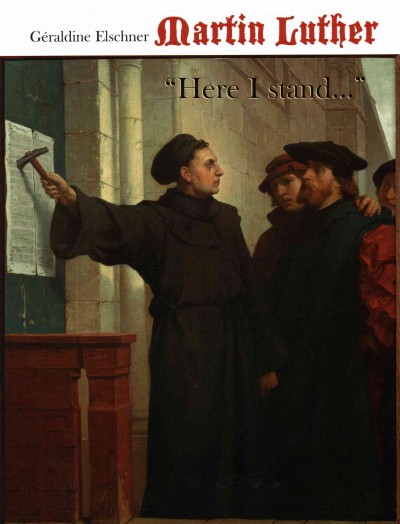
Martin Luther “Here I Stand” by Geraldine Elschner, translated by Kathryn Bishop
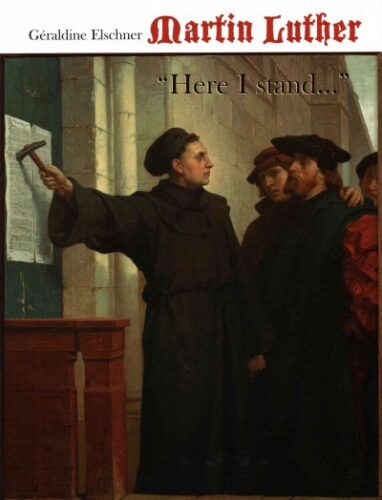
2017 will mark the 500th anniversary of the Reformation. If you’ve any kind of an older kid who wants to know more about that, start here.
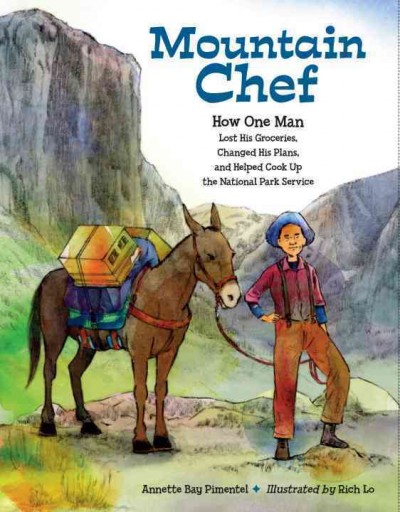
Mountain Chef: How One Man Lost His Groceries Changed His Plans, and Helped Cook Up the National Park Service by Annette Bay Pimentel, ill. Rich Lo
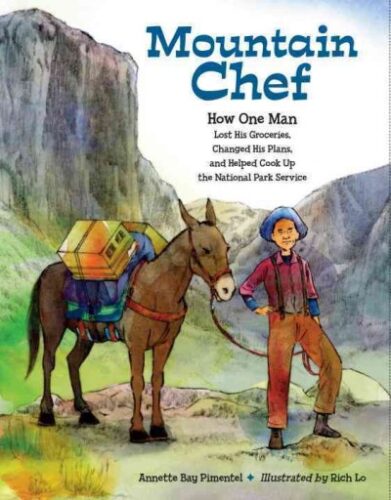
A rather fascinating story of the Chinese-American chef who worked in what many might consider impossible circumstances. We do not HAVE a huge number of older Chinese-American biographies on our shelves. But we have this now, and that is good.
The Music in George’s Head: George Gershwin Creates Rhapsody in Blue by Suzanne Slade, ill. Stacy Innerst
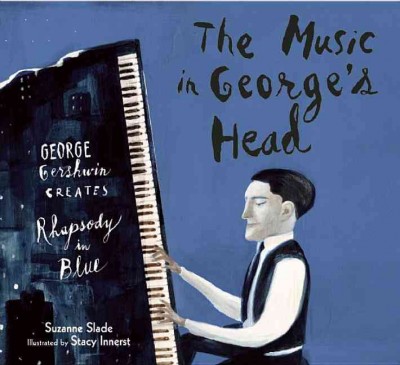
Very fun and peppy. I would have loved an accompanying CD but I suppose it’s not too hard to find the titular song if you really look.
A Poem for Peter: The Story of Ezra Jack Keats and the Creation of The Snowy Day by Andrea Davis Pinkney, ill. Lou Fancher & Steve Johnson
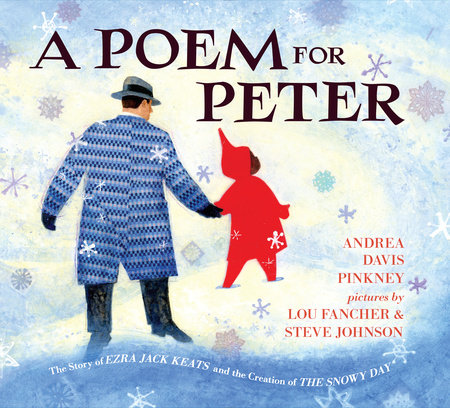
A lovely ode to a lovely man.
Presenting Buffalo Bill: The Man Who Invented the Wild West by Candace Fleming
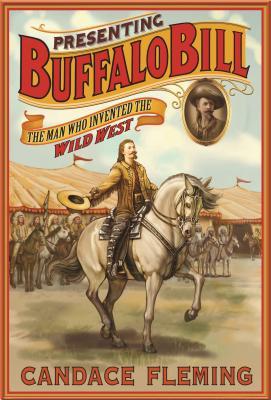
I still think the Newbery committee needs to seriously consider this book. Distinguished hardly even covers it.
Radiant Child: The Story of Young Artist Jean-Michel Basquiat by Javaka Steptoe
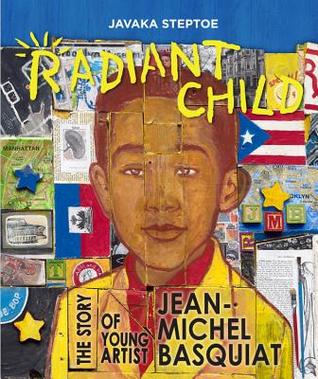
And speaking of major literary awards, oh, Caaaaaaaldecott committee . . .
Sachiko: A Nagasaki Bomb Survivor’s Story by Caren Stelson
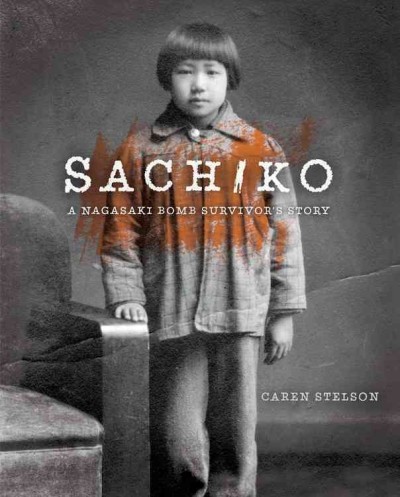
Nominated for a National Book Award, it’s amazing. And, very unfortunately, very timely at this precise moment in history.
She Stood for Freedom: The Untold Story of a Civil Rights Hero, Joan Trumpauer Mulholland by Loki Mulholland & Angela Fairwell, ill. Charlotta Janssen
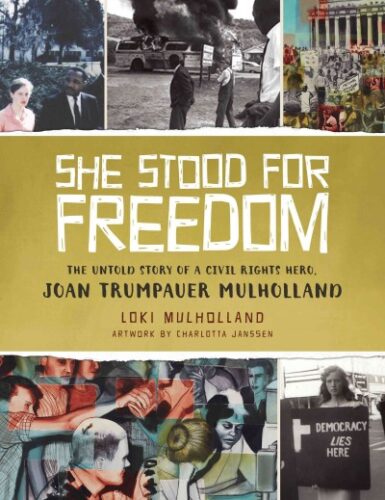
A Civil Rights activist has her story told, and published, by her own children. And what did YOU get your mom this holiday season, hmmmm?
A Spy Called James: The True Story of James Lafayette, Revolutionary War Double Agent by Anne Rockwell, ill. Floyd Cooper
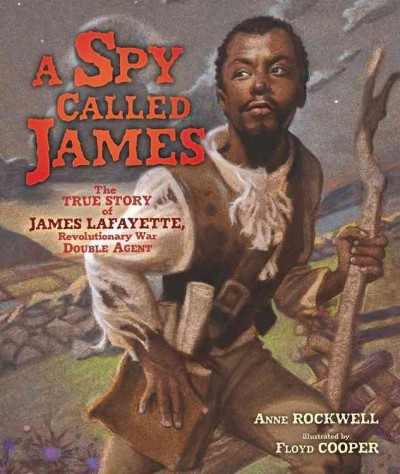
Basically, you hand this book to the kids currently obsessed with Hamilton. LOTS of Lafayette for them to enjoy, and a hero worth remembering.
Step Right Up: How Doc and Jim Key Taught the World About Kindness by Donna Janell Bowman, ill. Daniel Minter
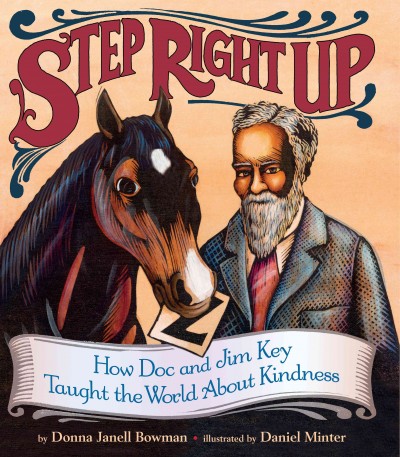
I wish I had reviewed this book this year. I’m not a horsey girl, and even I thik this is an amazing story. Basically it challenges our ideas of what an animal can and cannot learn while celebrating a pretty fascinating man as well.
Ticktock Banneker’s Clock by Shana Keller, ill. David C. Gardner
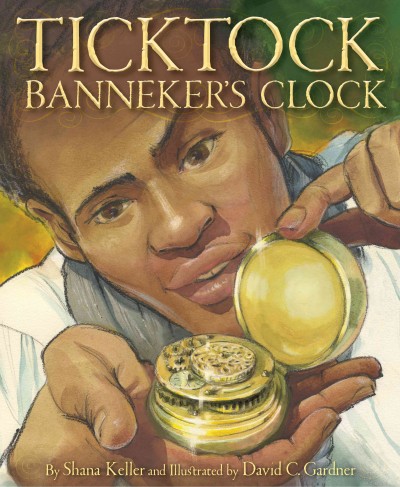
When I was a kid I had to memorize a song about Benjamin Banneker. These kids no one ever seems to study him. I’m just pleased that there’s a new bio of him out now. Let’s get more!
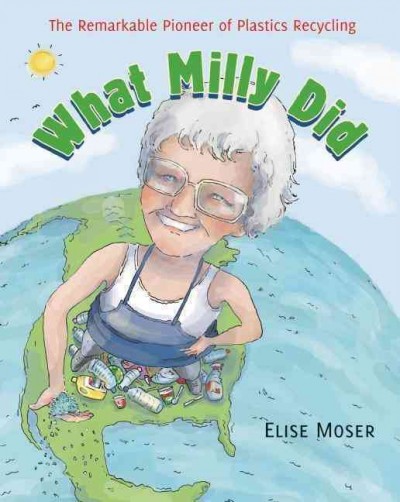
What Milly Did by Elise Moser, ill. Scot Ritchie
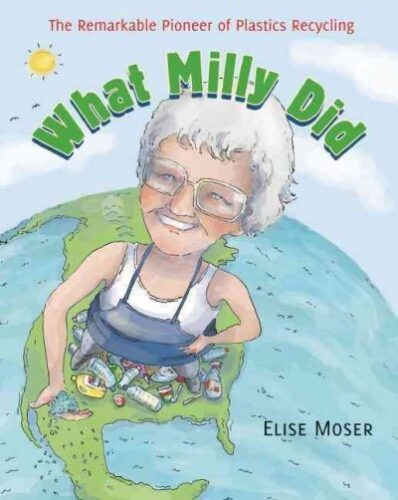
What did she do? Basically made it possible for you to recycle your plastic. You’re welcome.
When Grandma Gatewood Took a Hike by Michelle Houts, ill. Erica Magnus
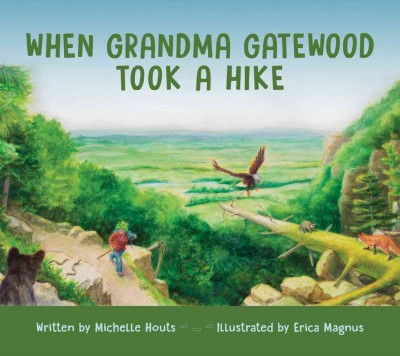
And in other elderly woman news, Gatewood became famous for hiking more than any other person in the country. Crazy inspiring story, this.
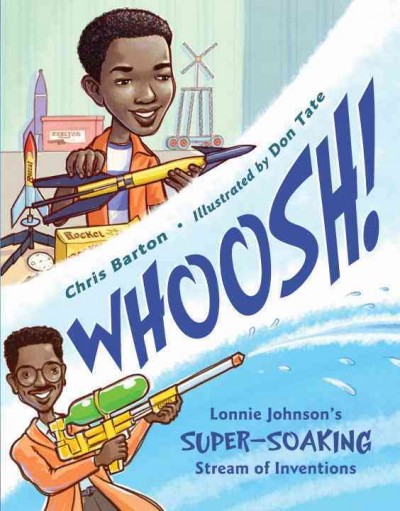
Whoosh! Lonnie Johnson’s Super-Soaking Stream of Inventions by Chris Barton, ill. Don Tate
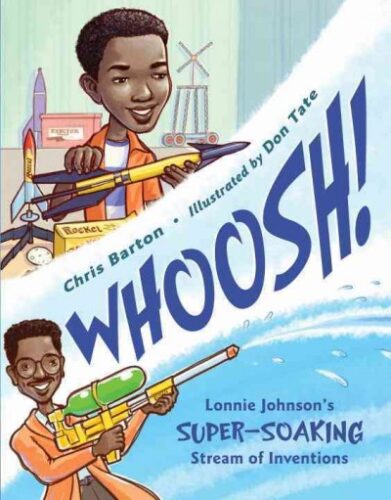
Geez, I loved this book. I love books that celebrate real inventors and Barton makes the guy sound so approachable. You’ll love him by the time you get to the end.
The William Hoy Story by Nancy Churnin, ill. Jez Tuya
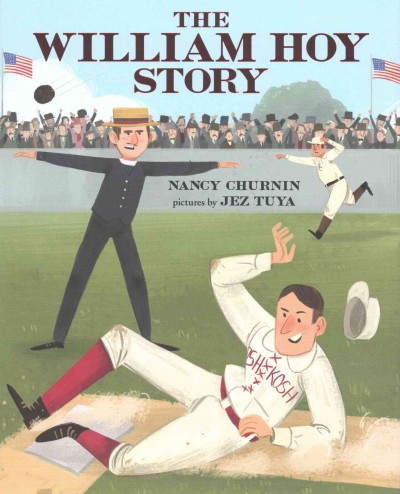
Not the first Hoy bio I’ve ever seen, but I’m happy we’ve a variety to choose from now.
You Never Heard of Casey Stengel?! by Jonah Winter, ill. Barry Blitt
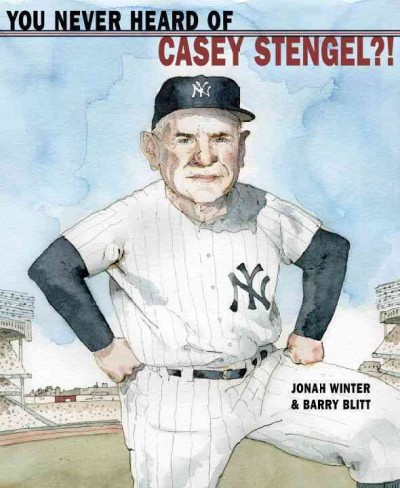
How crazy is it that this is the first picture book biography of the guy I’ve ever encountered? Winter has a blast with the subject matter. I wonder if he’ll ever consider doing one of Yogi Berra . . .
Interested in the other lists of the month? Here’s the schedule so that you can keep checking back:
December 1 – Board Books
December 2 – Board Book Adaptations
December 3 – Nursery Rhymes
December 4 – Picture Book Readalouds
December 5 – Rhyming Picture Books
December 6 – Alphabet Books
December 7 – Funny Picture Books
December 8 – Calde-Nots
December 9 – Picture Book Reprints
December 10 – Math Picture Books
December 11 – Bilingual Books
December 12 – International Imports
December 13 – Books with a Message
December 14 – Fabulous Photography
December 15 – Fairy Tales / Folktales
December 16 – Oddest Books of the Year
December 17 – Older Picture Books
December 18 – Easy Books
December 19 – Early Chapter Books
December 20 – Graphic Novels
December 21 – Poetry
December 22 – Fictionalized Nonfiction
December 23 – American History
December 24 – Science & Nature Books
December 25 – Transcendent Holiday Titles
December 26 – Unique Biographies
December 27 – Nonfiction Picture Books
December 28 – Nonfiction Chapter Books
December 29 – Novel Reprints
December 30 – Novels
December 31 – Picture Books

Here's a handy chart to help you add emotion to your manuscript through body language.
http://writerswrite.co.za/cheat-sheets-translate-emotions-into-written-body-language
So Kailana (
The Written Word) and I are teaming up again...this time to celebrate CHRISTMAS. 25 days of answering questions! You are definitely welcome to join in on the fun!
What I love most about Christmas...Christmas greetings!
Merry Christmas to you all!
© 2016 Becky Laney of
Becky's Book Reviews
Peppa Pig and the Day at Snowy Mountain. 2014. Candlewick. 32 pages. [Source: Review copy]
First sentence: Peppa and George wake up one day and look out the window. IT'S SNOWING! Hurrah! They can't wait to go outside.
Premise/plot: Peppa Pig and her family (Mummy, Daddy, and George) spend a LOVELY day on Snowy Mountain skiing, skating, and sledding. Adventures and misadventures are had by all. Many characters are there on the mountain too. (For example, Madame Gazelle, Miss Rabbit, etc.)
My thoughts: I enjoyed this one. If you have seen an episode or two of the television series you know exactly what kind of comedy to expect. Peppa sings a song. Mummy and Daddy pig end up covered in snow. And there's a lot of laughing. For example, when Peppa and George want to sled down the mountain but don't have a sled, Peppa decides that DADDY PIG makes a good sled. Away they go.
Overall, this one is worth the read IF you already love Peppa Pig.
Text: 4 out of 5
Illustrations: 3 out of 5
Total: 7 out of 10
© 2016 Becky Laney of
Becky's Book Reviews
Note that I didn’t specify which holidays, of course. These are just the books I think did a slam bang job of lauding their respective days of celebration. Enjoy one and all!
2016 Transcendent Holiday Titles
Babushka: A Christmas Tale by Dawn Casey, ill. Amanda Hall
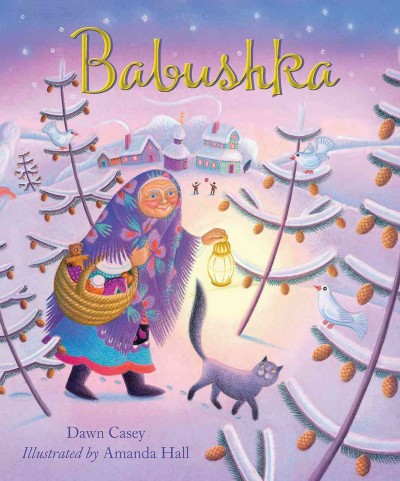
Oh, certainly this isn’t the first Babushka title you’ve ever encountered in your life . . . or is it? It’s certainly the cheeriest I’ve seen. And lovely too.
Christmas in the Barn by Margaret Wise Brown, ill. Anna Dewdney
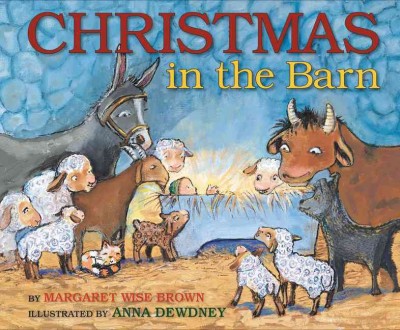
Anna Dewdney left us in 2016. One of the many losses we’ve had to swallow. Be comforted then that she did a really stand up and cheer job on this old Margaret Wise Brown book. A nice take on an old classic.
The Christmas Story by Robert Sabuda
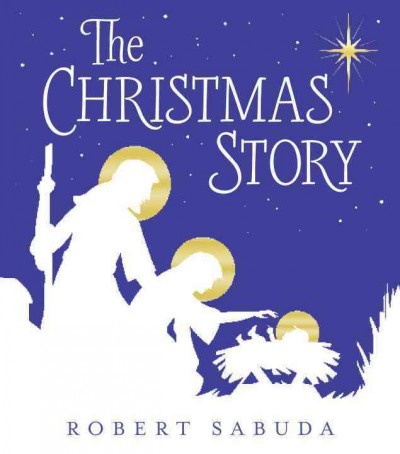 For you pop-up lovers. Of course Sabuda got his start with a pop-up Christmas book (The Christmas Alphabet, if I’m not much mistaken). This just makes sense as a natural companion.
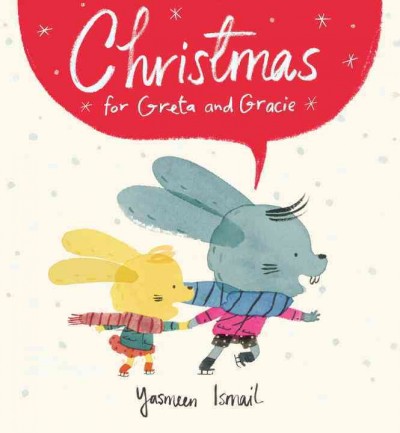
Christmas for Greta and Gracie by Yasmeen Ismail
Okay. Stand back. I’m going to say it.
Most emotionally honest children’s book with a Christmas theme since The Best Christmas Pageant Ever.
That is all.
Groundhog’s Runaway Shadow by David Biedrzycki
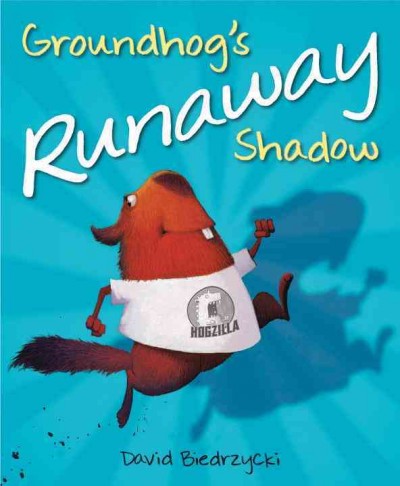
Lest you fear this is an entirely Christmas-related list (it’s alphabetical which skews it a little at the start). I love Groundhog’s Day books and we get about one to two a year. This one’s worth the price of admission.
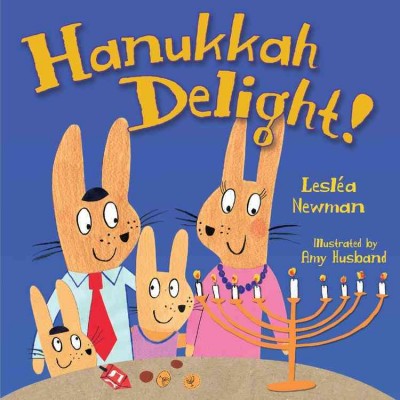
Hanukkah Delight! By Leslea Newman, ill. Amy Husband
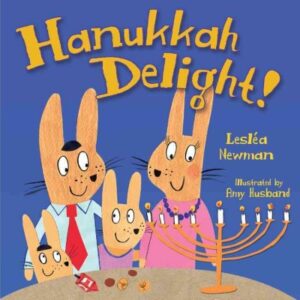
A board book and a bloody good one too. And trust me, there’s a need. Great Hanukkah board books aren’t exactly a dime a dozen.
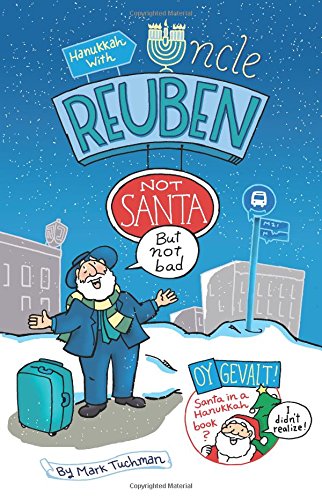
Hanukkah with Uncle Reuben: Not Santa . . . (But Not Bad) by Mark Tuchman

The only mystery with this book is how it hasn’t been picked up by a major publisher yet. Consider it your culturally sensitive alternative to Shmelf the Elf.
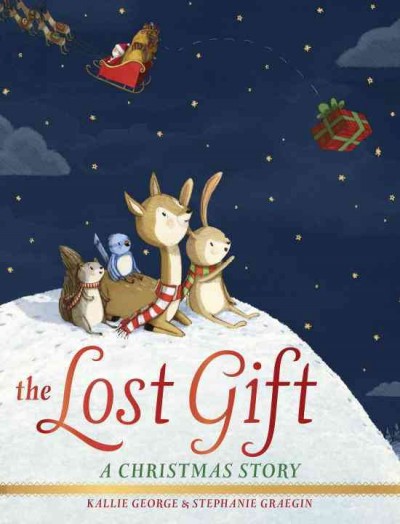
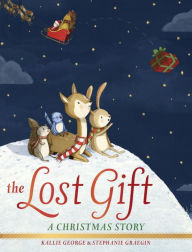
The Lost Gift: A Christmas Story by Kallie George, ill. Stephanie Graegin
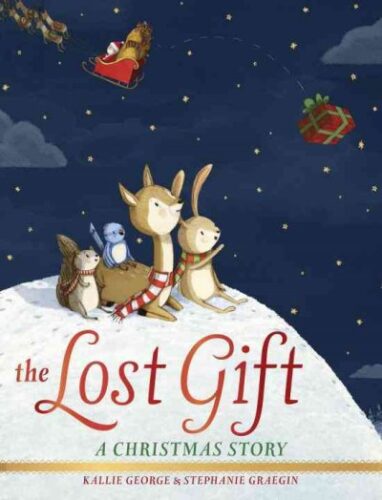
I’m not the kind of reader who goes in for cute little furry animals delivering lost Christmas presents on their own, but this book isn’t cloying. It’s cute, but it comes by its adorableness honestly. Kudos George & Graegin!
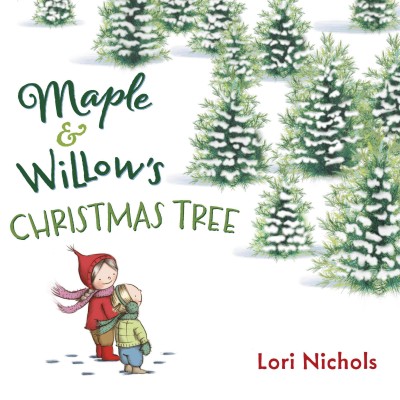
Maple and Willow’s Christmas Tree by Lori Nichols
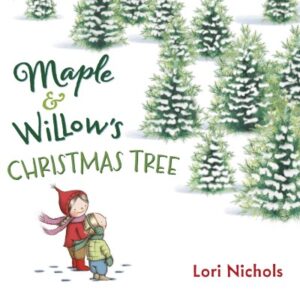 Heartfelt is hard. Of all the Maple & Willow books, I like this one best. Not hard to see why.
More Than Enough: A Passover Story by April Halprin Wayland
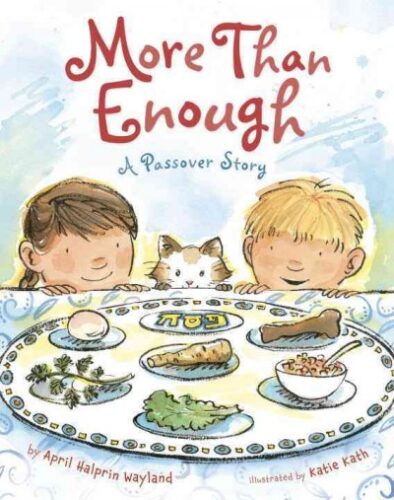
When Marjorie Ingall wrote up her The Best Jewish Children’s Books of 2016 list (THE best list to go to each and every year for all things Jewish) she alerted me to this book. I was able to locate it pretty quickly and I’m awfully glad I did. Here’s what Marjorie had to say about it: “We see a young family shopping, preparing for and celebrating the holiday, announcing ‘dayenu’ regularly along the way. In an afterword, Wayland explains the meaning of the word, outlines the elements of the Seder, and notes that ‘dayenu’s message—being grateful for the blessings in each moment—goes beyond Passover. It’s a concept I hold in my heart when I’m on a beautiful hike, when I’m biking with my family, when I’m petting my kitty.’ A good reminder for all of us.”
The Nutcracker by Kate Davies, ill. Niroot Puttapipat
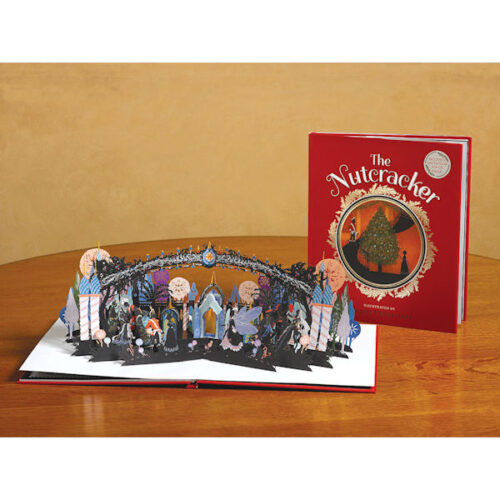 Clearly I’m a pop-up sucker, but this really and truly is one of the best Nutcrackers you’ll ever buy. I mean, just LOOK at that ending!
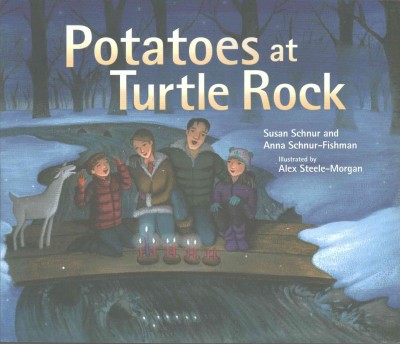
Potatoes at Turtle Rock by Susan Schnur and Anna Schnur-Fishman, ill. Alex Steele-Morgan
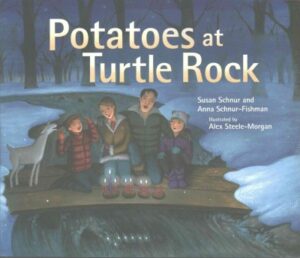
If you buy only one book by a tattooed female rabbi this year . . .
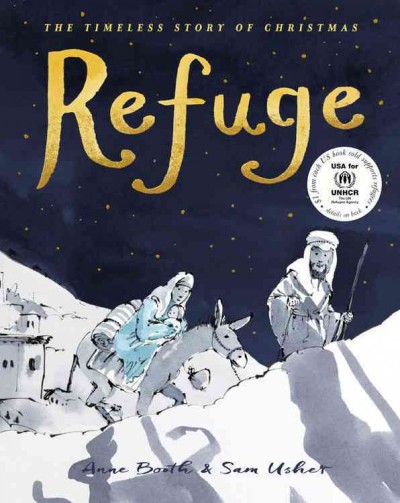
Refuge by Anne Booth, ill. Sam Usher
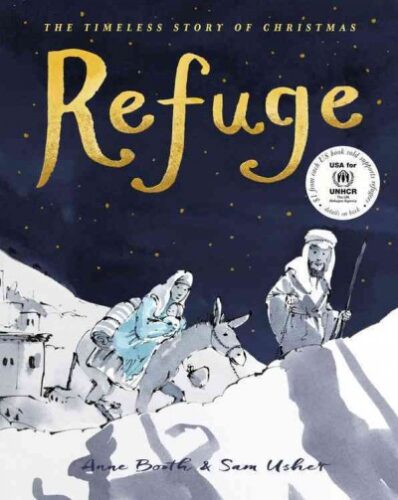
That this book isn’t better known is shocking to me. It draws direct comparisons between refugees and a certain fleeing couple and their newborn babe. $1 from the sale of each book sold until October 2017 will go to the UN refugee agency, UNHCR.
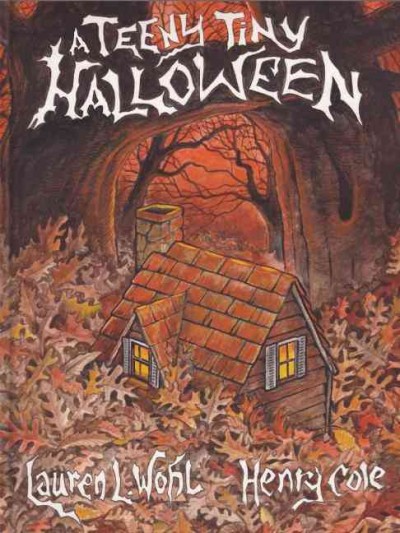
A Teeny Tiny Halloween by Lauren L. Wohl, ill. Henry Cole
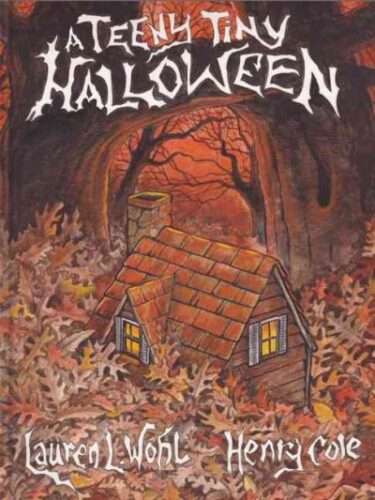
For all that Halloween is my favorite holiday of the year, in a lot of ways, this was the only book that really did it for me in 2016. A great rendition of a classic.
Yitzi and the Giant Menorah by Richard Ungar
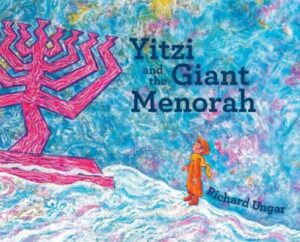
Funny and smart. And now, naturally, I have the Steven Universe song “Giant Woman” caught in my head, though now it’s with the words “Giant Menorah” instead.
Interested in the other lists of the month? Here’s the schedule so that you can keep checking back:
December 1 – Board Books
December 2 – Board Book Adaptations
December 3 – Nursery Rhymes
December 4 – Picture Book Readalouds
December 5 – Rhyming Picture Books
December 6 – Alphabet Books
December 7 – Funny Picture Books
December 8 – Calde-Nots
December 9 – Picture Book Reprints
December 10 – Math Picture Books
December 11 – Bilingual Books
December 12 – International Imports
December 13 – Books with a Message
December 14 – Fabulous Photography
December 15 – Fairy Tales / Folktales
December 16 – Oddest Books of the Year
December 17 – Older Picture Books
December 18 – Easy Books
December 19 – Early Chapter Books
December 20 – Graphic Novels
December 21 – Poetry
December 22 – Fictionalized Nonfiction
December 23 – American History
December 24 – Science & Nature Books
December 25 – Transcendent Holiday Titles
December 26 – Unique Biographies
December 27 – Nonfiction Picture Books
December 28 – Nonfiction Chapter Books
December 29 – Novel Reprints
December 30 – Novels
December 31 – Picture Books
Susan Cooper's The Dark Is Rising was the first novel I ever read that celebrated the darkest days of the year. Cooper's story combined Celtic mythology, Arthurian legend and Christianity in a heart thumping fantasy.
It makes sense to me that all over the Northern Hemisphere, people celebrate at this time - with lights, and fires and revelry. After all, it feels as if the sun is leaving us. Call back the sun with noise and joy, warmth and light, peace and truth.
That's what I wish for you now and in the coming year - Light, and Peace, Warmth and Truth, Joy and Love - oh, and noise, too, of the happiest sort.
Fight the Dark!
The Sun Is Also a Star. Nicola Yoon. 2016. 348 pages. [Source: Library]
First sentence: Carl Sagan said that if you want to make an apple pie from scratch, you must first invent the universe.
Premise/plot: Can you find your one true love and know it's your one true love in just a single day? Natasha is upset that her family is being deported and sent back to Jamaica. She's fighting for the chance to stay up to the very last minute. On this day--her very last day in New York--she meets Daniel, a guy with his own family issues. (Namely, his brother is horrid. Plus his parents want to make all of the decisions for him for the rest of his life.) Their meeting is by chance--or is it?
My thoughts: Objectively, this is a compelling teen romance with humor, heart, and drama. The chapters are short, making it even more appealing, and the chapters alternate narrators. The characters are all flawed. Not one perfectly perfect person in the bunch. That's what you want. That's what you need.
Subjectively, I think there is a very good reason I read little YA these days. Not because YA in and of itself is "bad." But because as I mature (aka get old) I find profanity and blasphemy more silly, obnoxious, and offensive, than cool. Particularly blasphemy. This book took the Lord's name in vain in various ways--often. Way too often for me to say WOW WHAT A GREAT BOOK. I am not old enough to go that any book with "language issues" is "bad" and should be taken off the shelves. I will never be that old. Just old enough that I say--No thanks, not for me.
© 2016 Becky Laney of
Becky's Book Reviews
Little Babymouse and the Christmas Cupcakes. Jennifer L. Holm. Illustrated by Matthew Holm. 2016. Random House. 32 pages. [Source: Review copy]
First sentence: It was Christmas Eve. And Babymouse was putting out cookies for Santa. Babymouse! Mmf. I couldn't wait! They looked so tasty! (Sigh.) I certainly hope Santa likes Christmas crumbs.
Premise/plot: This picture book takes readers BACK to a time to when Babymouse (the star of a very popular graphic novel series) was LITTLE. After Babymouse "accidentally" eats Santa's cookies, she decides to do something different...and instead of baking more cookies...she decides to bake him cupcakes. But will all go according to plan?
My thoughts: I love Babymouse. I do. I think this is a fun introduction to Babymouse for younger readers. As you might have guessed, Babymouse's imagination was ACTIVE even way back when.
Text: 4 out of 5
Illustrations: 4 out of 5
Total: 8 out of 10
© 2016 Becky Laney of
Becky's Book Reviews

By:
Becky Laney,
on 12/24/2016
Blog:
Becky's Book Reviews
(
Login to Add to MyJacketFlap)
JacketFlap tags:
review copy,
2016,
books reviewed in 2016,
2017 Cybils Eligible,
series books,
Shannon Hale,
J Fiction,
J Fantasy,
Candlewick,
early chapter book,
Add a tag
The Princess in Black. Shannon Hale. Illustrated by LeUyen Pham. 2016. Candlewick. 96 pages. [Source: Review copy]
First sentence: It was dawn. The Princess in Black had battled monsters all night. And so Princess Magnolia was tired.
Premise/plot: Fighting monsters keeps the Princess in Black (aka Princess Magnolia) exhausted, so when someone new THE GOAT AVENGER (aka Duff the Goat Boy) volunteers to fight monsters in her place, she hesitantly agrees to take a much-needed vacation. But will all go according to plan? Will the Goat Avenger face off with scary monsters? Will Princess Magnolia have a peaceful, relaxed, monster-free vacation AT THE BEACH?
My thoughts: The series is enjoyable. I love, love, love the illustrations. LeUyen Pham is my favorite and best. I adore her work. Shannon Hale's stories are nice. Are they thrilling for adult readers? Probably not. But I really like the characters--especially Princess Sneezewort--and don't mind the predictability and sameness.
(I think the all-caps are contagious.)
© 2016 Becky Laney of
Becky's Book Reviews
So Kailana (
The Written Word) and I are teaming up again...this time to celebrate CHRISTMAS. 25 days of answering questions! You are definitely welcome to join in on the fun!
A Christmas I'll never forget...
There are two or three Christmases that I'll never ever forget. But the most memorable would have to be last Christmas.
I spent twelve days in the hospital last December...including Christmas Eve and Christmas Day. And while I had always hoped that it was true...
It came without ribbons. It came without tags. It came without packages, boxes or bags. And he puzzled and puzzled 'till his puzzler was sore. Then the Grinch thought of something he hadn't before. What if Christmas, he thought, doesn't come from a store. What if Christmas, perhaps, means a little bit more.
I found out it was completely, positively true. I could write hundreds of pages of testimony on God's goodness to me, and, I'm tempted, really tempted to try. But essentially being alive is enough of a gift. People take so much for granted, but perhaps nothing more for granted than the fact that they are still alive, still breathing. There is always, always, always a reason to be found to be thankful.
© 2016 Becky Laney of
Becky's Book Reviews
There were no science books on the YALSA Award for Excellence in Nonfiction for 2016. Nor in 2015. Nor 2014. Bomb in 2013 was sort of a science book, so we’ll count that. And Moonbird that year certainly was. Yet it’s often surprising how consistently science and nature get overlooked when they’re handing out awards for nonfiction. According to my sources, science writers are complaining about this fact, and with good reason. When you create an award for nonfiction and then hand it consistently to biographies, you are, however unintentionally, sending a message.
On the children’s side of things the Robert F. Sibert Medal fares a bit better. In 2016 none of the books were science or nature related, but in 2015 we had Neighborhood Sharks and in 2014 Parrots Over Puerto Rico by Susan L. Roth and Cindy Trumbore actually took home the Medal itself with Look Up! Bird-Watching in Your Own Backyard by Annette LeBlanc Cate getting an Honor. You go, Sibert committees!
In their honor, I dedicate today’s list to the lovely science and nonfiction books that were published in 2016 with a hat tip to Melissa Stewart for inspiring me to do this list in the first place.
2016 Science and Nature Books for Kids
FICTION PICTURE BOOKS
Honoring those books willing to add a little science and nature in their mix. Extra points for backmatter.
Ada Twist: Scientist by Andrea Beaty
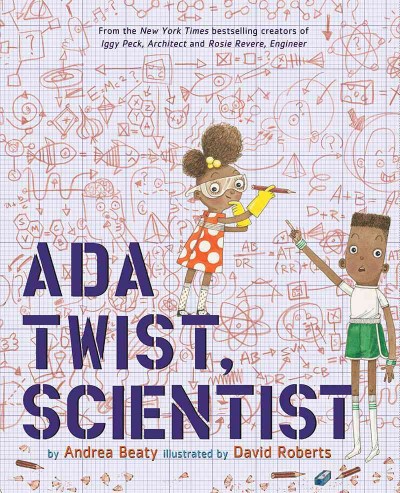
Unless I’m much mistaken, she’s still topping the New York Times bestseller list in the picture book category. I’ll give you some moments to take in the vast implications of this. Pairs particularly well with the upcoming film Hidden Figures.
Baby Loves: Aerospace Engineering!/Quarks! by Ruth Spiro, ill. Irene Chan

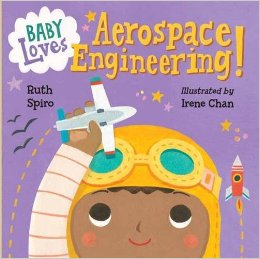
I defended this to you when I put it on the board book list, and I’d willingly do so now. Don’t just assume that due to their format these are meant solely for babies. It’s a kitchy idea that yields a lot of plum rewards. Big concepts are broken down for young people. I can get behind that.
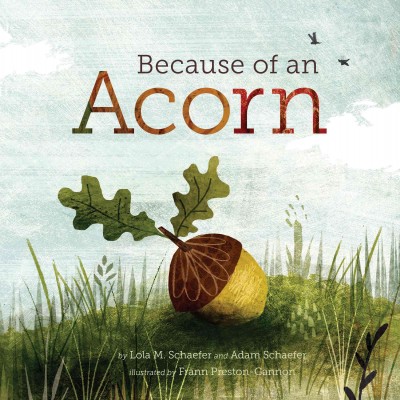
Because of an Acorn by Lola M. Schaefer & Adam Schaefer, ill. Frann Preston-Gannon
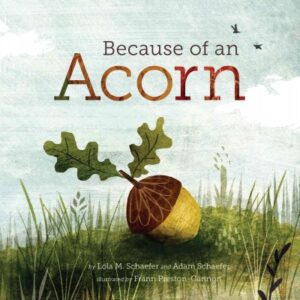
It’s the ciiiiiiircle of liiiiiife . . . and it mooooooves us alllllllll . . .
Coyote Moon by Maria Gianferrari, ill. Bagram Ibatoulline
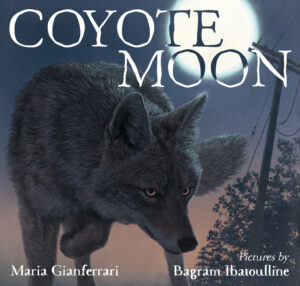
Apparently coyotes roam my own neighborhood’s streets in the summer. I’ve never seen them, but I’m willing to believe it. Jaw-droppingly gorgeous with a surprisingly gripping text, this is sort of like a more fictionalized version of the aforementioned Neighborhood Sharks, only this time with coyotes. In hindsight, I should have put this on the readaloud list too. GREAT readalouding.
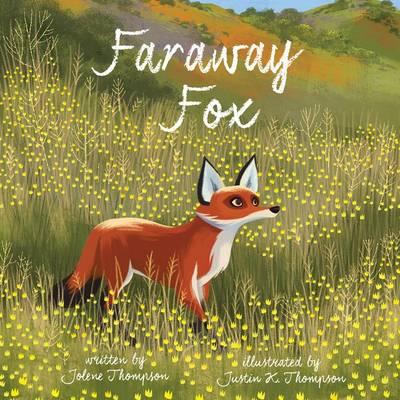
Faraway Fox by Jolene Thompson, ill. Justin K. Thompson
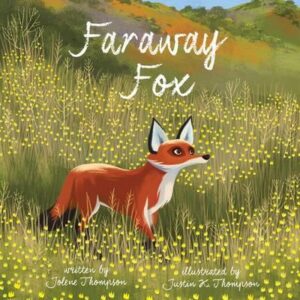
The book follows a single fox blocked off from its fellows by a highway. Humans construct a tunnel under the road for wildlife and the fox is reunited with its kind. Information appears at the end about the real world tunnels, how they are constructed, and some of the challenges they fact. The art, for the record, is also a real draw here. Luscious.
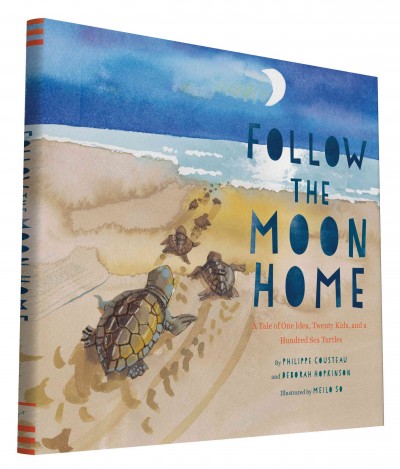
Follow the Moon Home: A Tale of One Idea, Twenty Kids, and a Hundred Sea Turtles by Philippe Cousteau & Deborah Hopkinson, ill. Meilo So
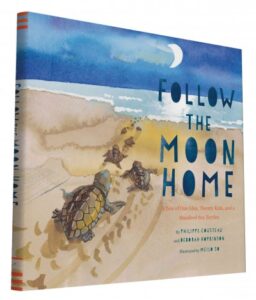
The only Meilo So book out this year? Nope, there’s one coming up later (see if you can guess what it is). Here, a girl attempts to save loggerhead sea turtle babies from man-made light, which means she has to engage in some pretty serious activism. A very cool story, and one I’ve not seen told before.
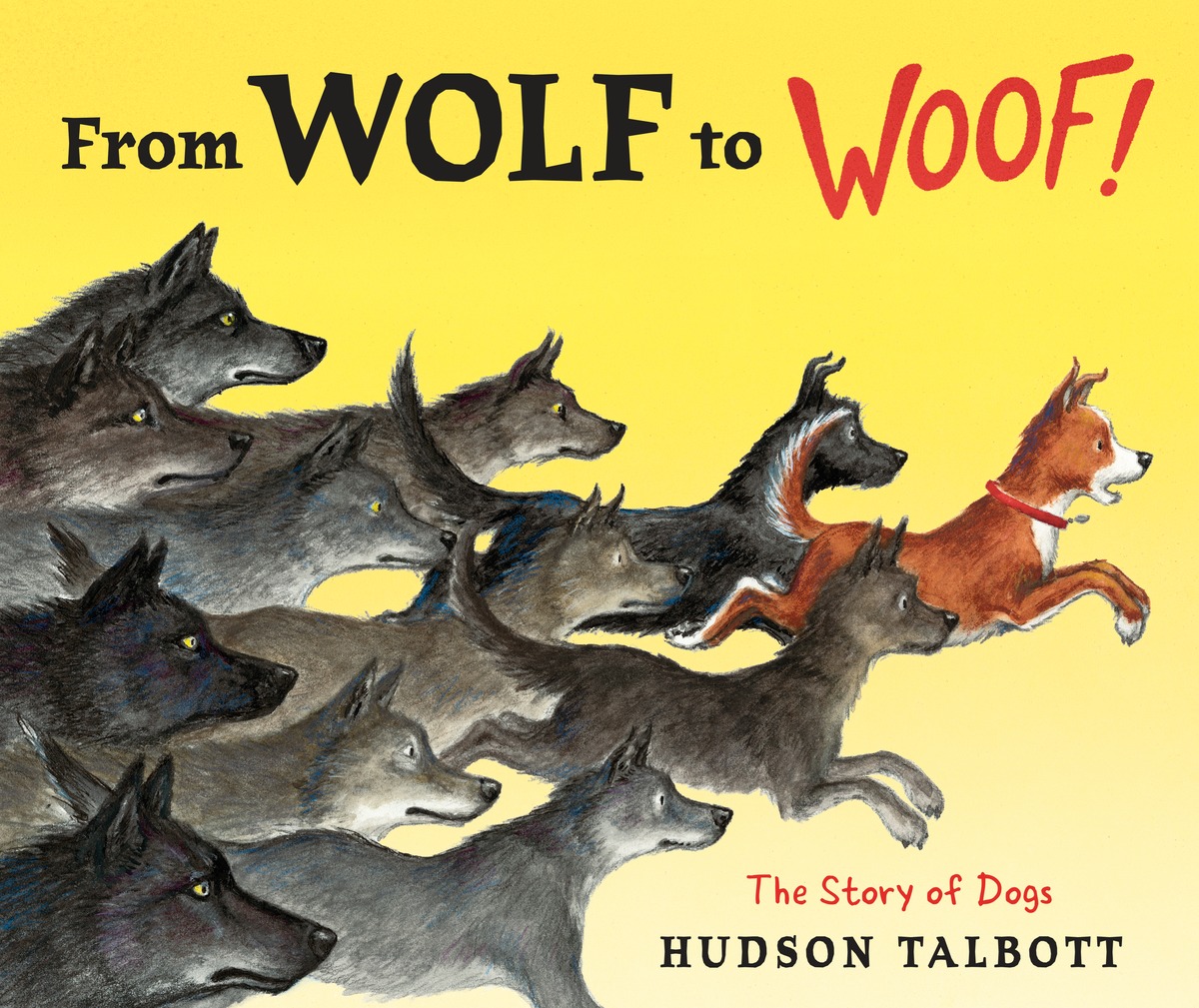
From Wolf to Woof!: The Story of Dogs by Hudson Talbott
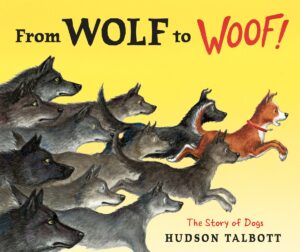
This pairs particularly well with . . .
Grandmother Fish: A Child’s First Book of Evolution by Jonathan Tweet, ill. Karen Lewis
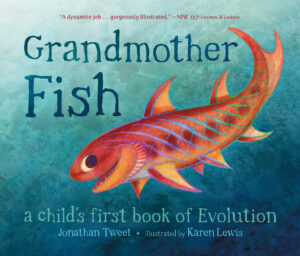
. . . this book. Both cover evolution to a certain extent. This scrappy little Kickstarter title covers ground that few books have on evolution.
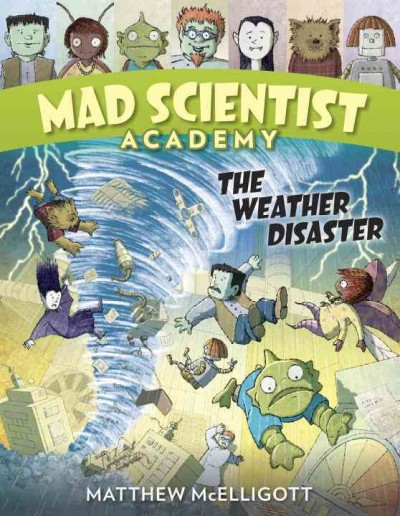
Mad Scientist Academy: The Weather Disaster by Matthew McElligott
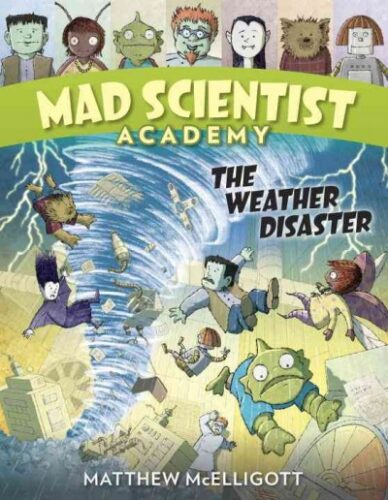
Not a lot of good weather books out this year. This one’s filling a 2016 gap.
Octopus Escapes Again by Laurie Ellen Angus
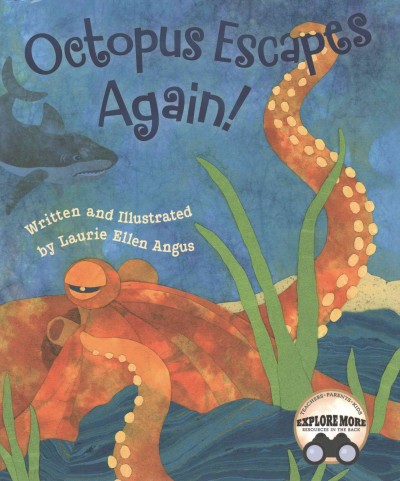
I’m oddly partial to this adorable book and the creature behind it. Always makes me think of this stranger still video, of course.
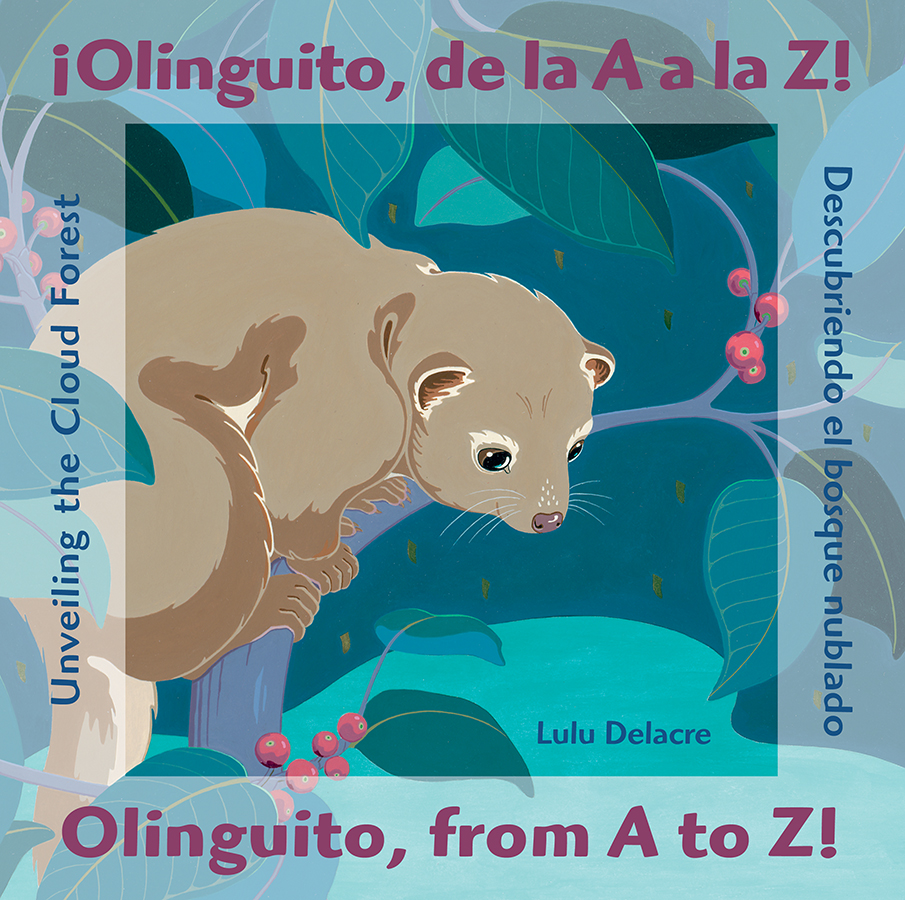
Olinguito, from A to Z! / Olinguito, de la A a la Z! by Lulu Delacre
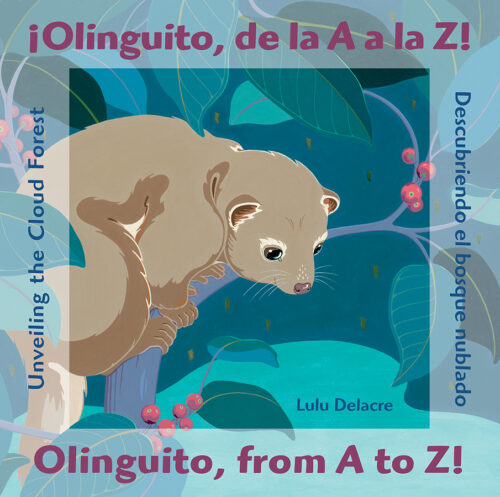
Sure, it’s an alphabet book. Sure it’s bilingual. But it’s actually a really delightful trip into the cloud forest to talk about “discovering” a new animal. Drills home to kids the fact that this is still being done today, barring the destruction of said cloud forest.
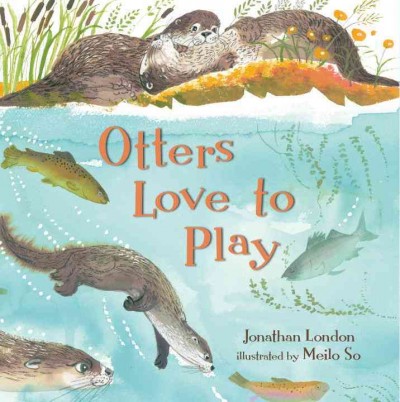
Otters Love to Play by Jonathan London, ill. Meilo So

It’s the second Meilo So title on this list today! Hooray! And otters basically just sell themselves. In writing this part of today’s list I just wasted a lot of time watching otters on YouTube for inspiration (have you seen the one of the baby sleeping on its mommy?). In any case, this lives up to its subject matter.
NONFICTION CHILDREN’S BOOKS
Animals by the Numbers: A Book of Infographics by Steve Jenkins
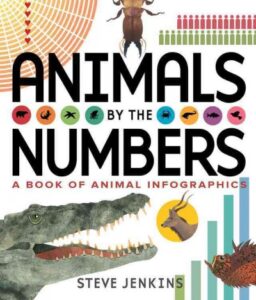
I just recommended this book to a colleague looking for a book to give to a 7-year-old who loves facts and figures and animals too. Couldn’t have come up with anything better! Plus, it’s where I learned that the peregrine falcons that nest on my library every year are the fastest birds in the world.
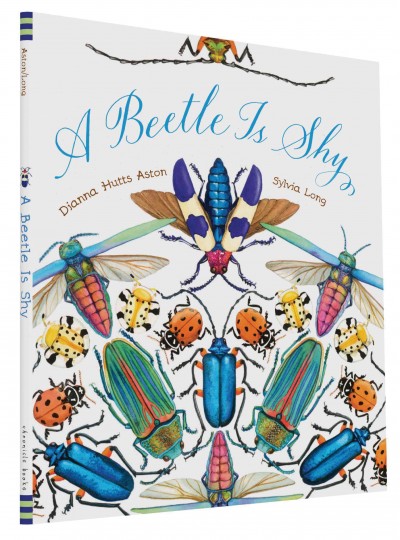
A Beetle Is Shy by Dianna Hutts Aston, ill. Sylvia Long
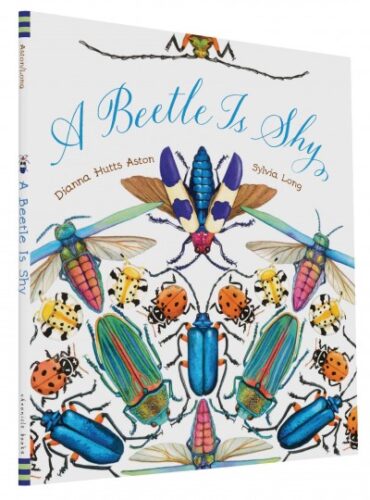
This is a long-standing series but it doesn’t appear to be slowing down in any way, shape, or form. Distinctly fabulous.
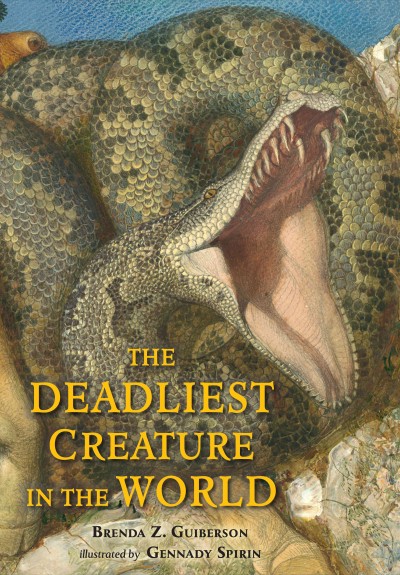
The Deadliest Creature in the World by Brena Z. Guiberson, ill. Gennady Spirin
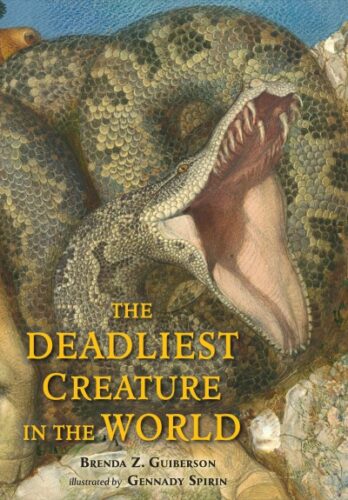
I’m a sucker for a Guiberson/Spirin combo any day of the week. Actually, I’m a sucker for Spirin, period, but his work with Guiberson over the years has never produced a melon. Plus, how do you top that title? Answer: You don’t.
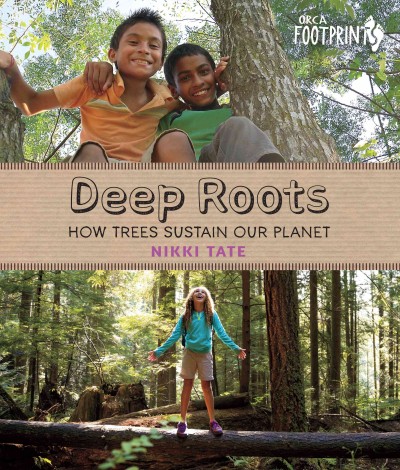
Deep Roots: How Trees Sustain Our Planet by Nikki Tate
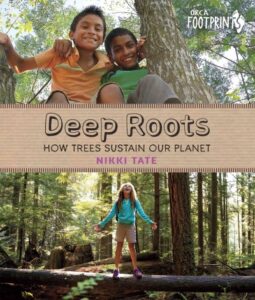
I was blown away with this book. Seriously floored. You go into it thinking it’s just another gee-aren’t-trees-great title and what you get instead is this enormously in-depth, serious consideration of how they contribute to the earth. We’ve all heard the statistics on how much oxygen in the atmosphere they produce, but this was the first children’s book I’ve ever read that attempted to explain precisely how their root system works. I’d listened to a RadioLab episode (From Tree to Shining Tree) that explained this and I’m still shocked by the implications. Well done Ms. Tate for filling this book with such pertinent, incredibly up-to-date information!
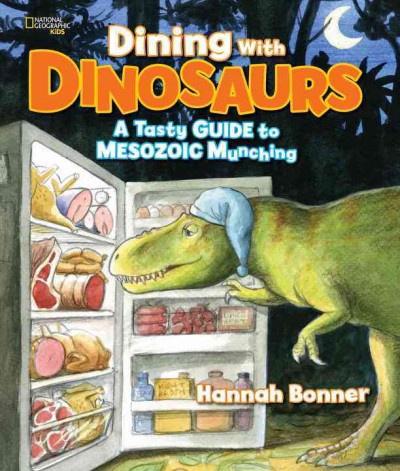
Dining With Dinosaurs: A Tasty Guide to Mesozoic Munching by Hannah Bonner
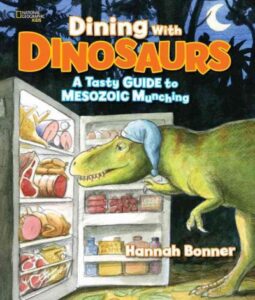
I’m not just sticking this on here because I need a dino title. Trust me, my library shelves are good in that area. But this took a distinctly deep and delightful look at a topic I would have told you had already been covered. Turns out, not so much. A must-add.
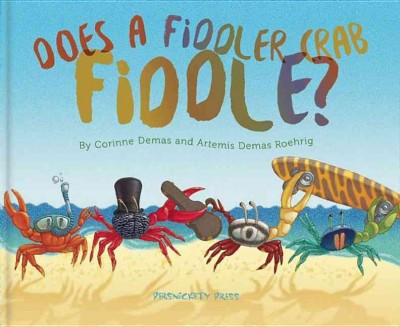
Does a Fiddler Crab Fiddle? by Corinne Demas & Artemis Roehrig, ill. John Sandford
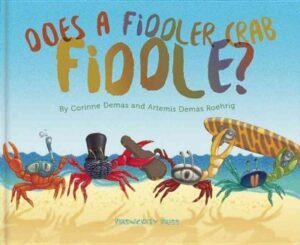
I honestly thought the book was just going to start with fiddler crab and then move on to other animals with evocative names. Nope. Demas and Roehrig are in it for the long haul. The long fiddler crab haul. Good on them!
Feathered Dinosaurs by Brenda Z. Guiberson, ill. William Low
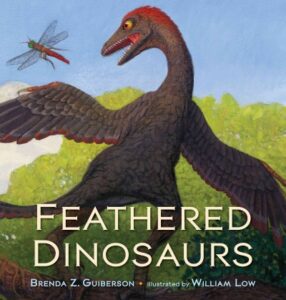
Because you can’t have enough dinosaurs. Or enough Guiberson, for that matter.
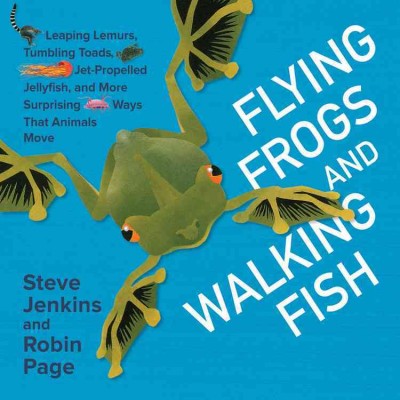
Flying Frogs and Walking Fish: Leaping Lemurs, Tumbling Toads, Jet-Propelled Jellyfish, and More Surprising Ways That Animals Move by Steve Jenkins and Robin Page
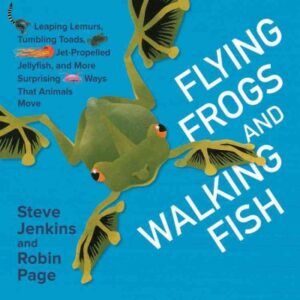
I’d cut that title way way down, but that’s the only thing I’d cut from this highly engaging title (plus it’s always great to see Jenkins and Page working together again).
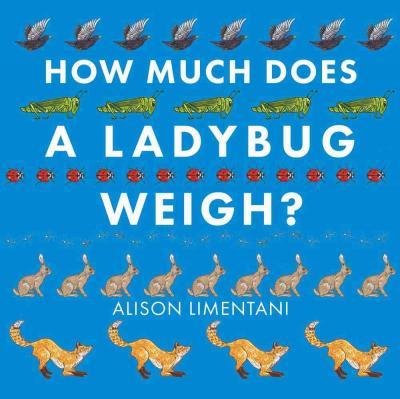
How Much Does a Ladybug Weigh? by Alison Limentani
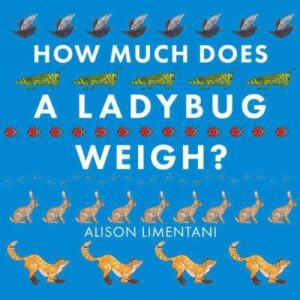
I put this on the math list not too long ago, but it’s also a really interesting, very young, science title. When you consider how much each animal weighs, you find yourself having your assumptions consistently challenged. Math and science = best buds.
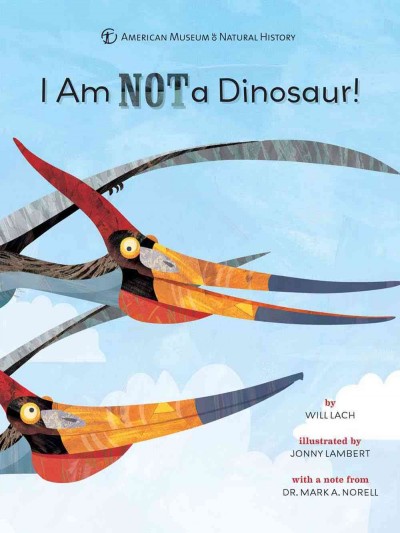
I Am NOT a Dinosaur by Will Lach, ill. Jonny Lambert
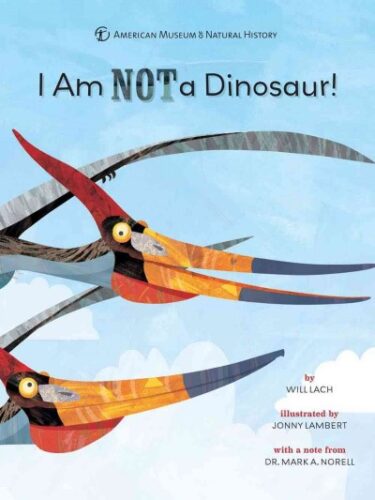
My college, for whatever reason, owned the skeleton of a giant sloth. I remember seeing it for the first time on display, just utterly baffled by what I was looking at. Sloths were giants once? If you’ve a kid, hand them this book and they’ll be able to know this information far sooner than my sad college-aged self.
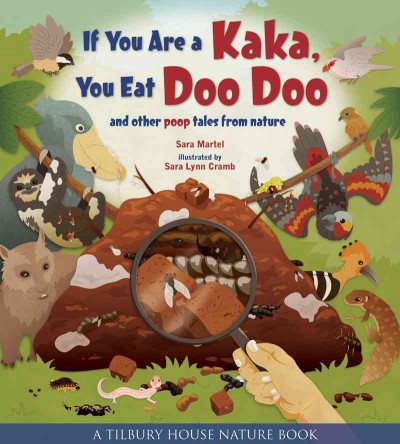
If You Are a Kaka, You Eat Doo Doo: And Other Poop Tales from Nature by Sara Martel, ill. Sara Lynn Cramb
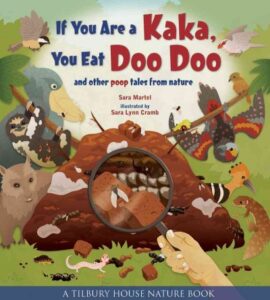
That title’s gonna turn off a bunch of folks right from the start. Maybe that’s not the worst thing, since it really is a book entirely about poop. That said, it’s not gross about it. I mean, there are gross things in it (one word: smearing) but they’re presented in a very matter-of-fact way. If you buy only one poop book this year . . .
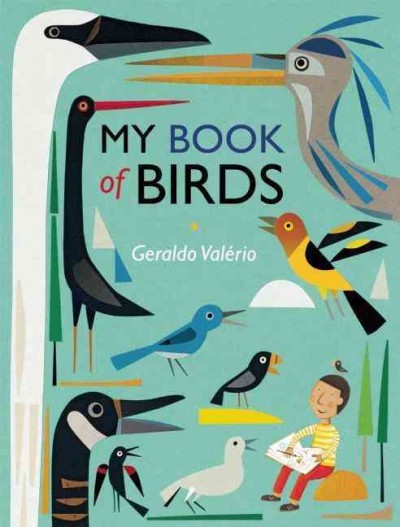
My Book of Birds by Geraldo Valerio
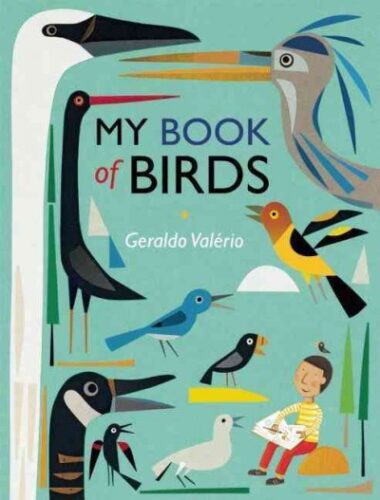
Shockingly lovely from start to finish. A science picture book coffee table book, if you take my meaning.
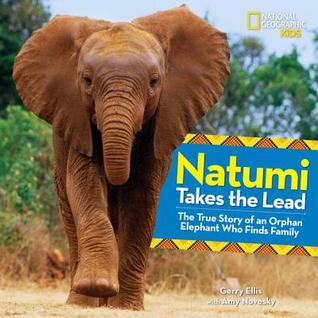
Natumi Takes the Lead: The True Story of an Orphan Elephant Who Finds Family by Gerry Ellis with Amy Novesky
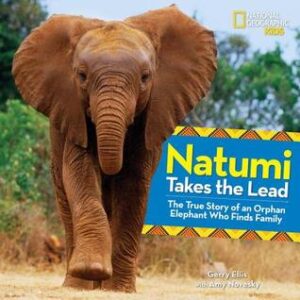
Such a good story, and a good readaloud too. I’d normally avoid any book that traipses this close to anthropomorphism but Gerry and Amy are very careful to place everything in terms true to a baby elephant. Could actually work as a graduation gift picture book as well, come to think of it.
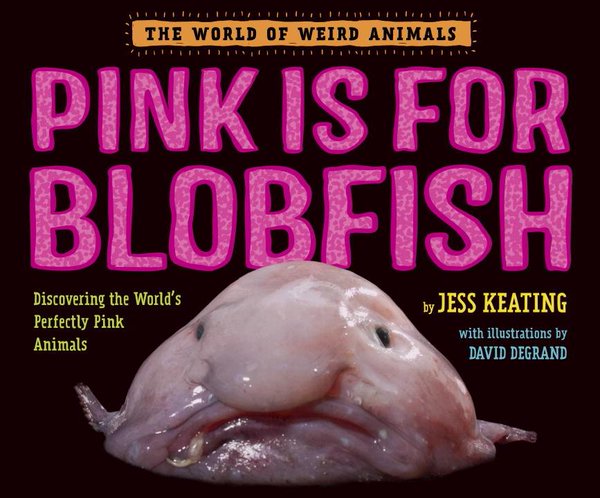
Pink Is for Blobfish: Discovering the World’s Perfectly Pink Animals by Jess Keating, ill. David DeGrand
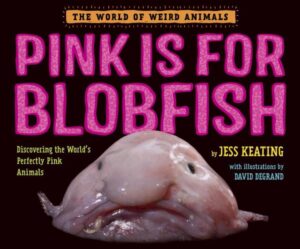
Not solely about the blobfish, alas, but still worth your time thanks to the sheer number of facts packed into these pages.
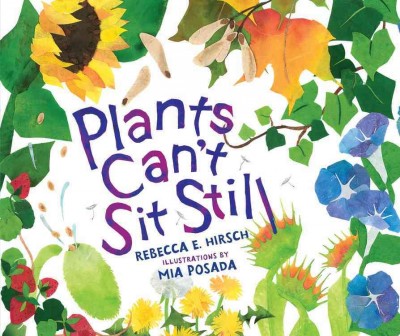
Plants Can’t Sit Still by Rebecca E. Hirsch, ill. Mia Posada
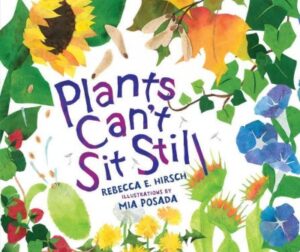
A cute premise. Shows all the different ways that plants get up and go go go!
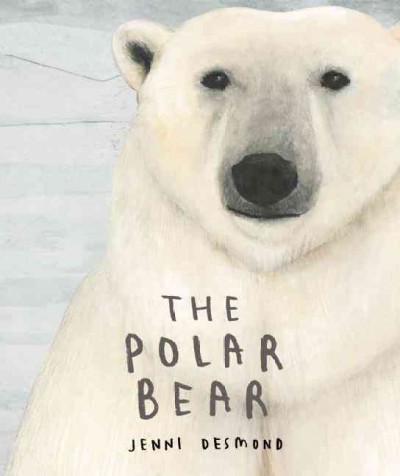
The Polar Bear by Jenni Desmond
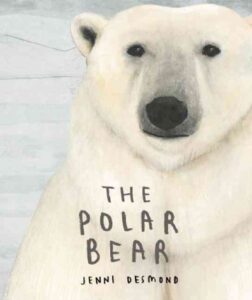
Though it’s not sourced properly (no backmatter to speak of) this is still a truly gorgeous book. It’s the kind of title you can use to either sate the polar bear needs of a true fans, or lure other readers into adoring.
Prairie Dog Song: The Key to Saving North America’s Grasslands by Susan L. Roth and Cindy Trumbore
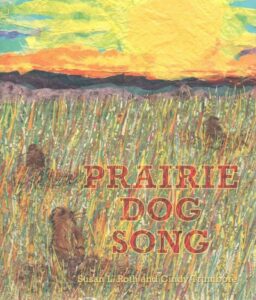
The prairie, its life, its history, and its possible future are all discussed in this beautifully rendered little book.
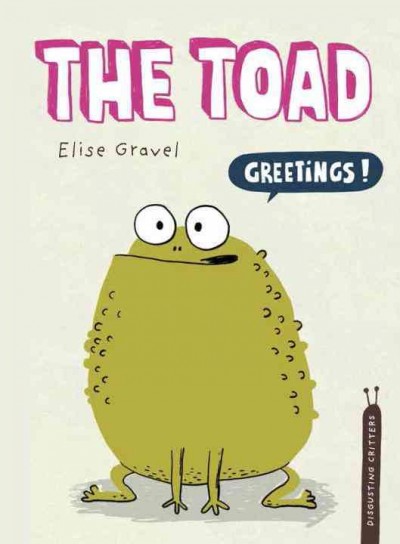
The Toad by Elise Gravel
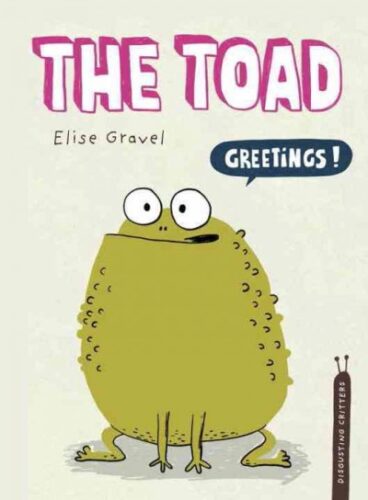
I’m a big fan of all the Gravel series titles. Of the titles out this year, the toad stole my heart. Maybe because I used to catch them in my backyard as a kid. Maybe just because this book’s the funniest.
The Tragic Tale of the Great Auk by Jan Thornhill
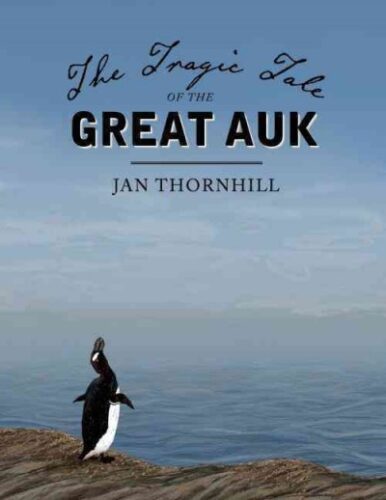
I’m a little ashamed to admit that I had no idea what a Great Auk even was before I read this book. Or, for that matter, that they were gone. Sometimes it feels like the passenger pigeon and the dodo get all the press. Poor auks.
Under Earth / Under Water by Aleksandra Mizielinska and Daniel Mizielinski
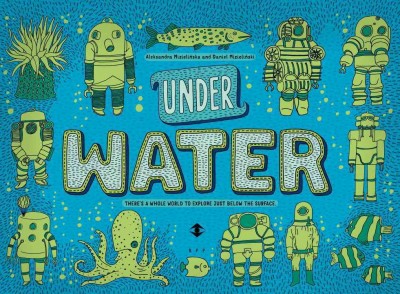
Leave it to the Polish to do something this cool. My kids just dive into this book (no pun intended) since there are so many tiny elements to adore. Again, no backmatter to speak of (European nonfiction titles have that in common) but still awesome. And huge!
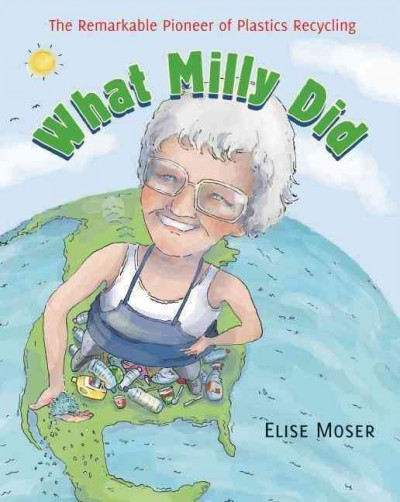
What Milly Did: The Remarkable Pioneer of Plastics Recycling by Elise Moser, ill. Scot Ritchie
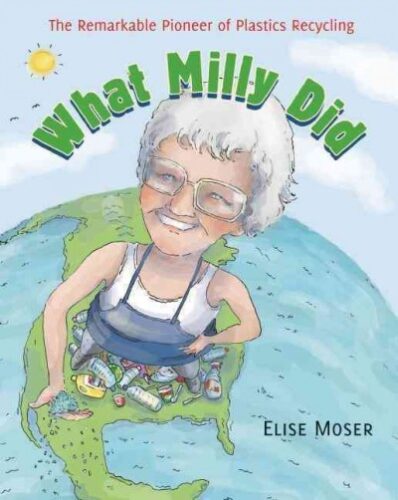
Ever stop to consider the fact that recycling plastics is a relatively new idea? How did it get officially started by vast numbers of cities around the country? A little old woman figured it all out. I love unexpected heroines.
Whoosh! Lonnie Johnson’s Super-Soaking Stream of Inventions by Chris Barton, ill. Don Tate
I’m keen on unexpected heroes too. This book is great because it shows that you don’t have to come up with polio vaccine to be considered an inventor. Plus this guy (A) made something cool and (B) is still alive! Once in a while you get a kid in your library who has to check out a bio on someone still alive. Now you’ve an ace in your back pocket.
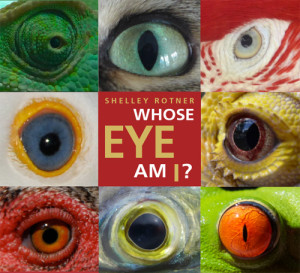
Whose Eye Am I? by Shelley Rotner

Look them in the eye and tell them you’re not interested in this book. Go on. Tell them.
Interested in the other lists of the month? Here’s the schedule so that you can keep checking back:
December 1 – Board Books
December 2 – Board Book Adaptations
December 3 – Nursery Rhymes
December 4 – Picture Book Readalouds
December 5 – Rhyming Picture Books
December 6 – Alphabet Books
December 7 – Funny Picture Books
December 8 – Calde-Nots
December 9 – Picture Book Reprints
December 10 – Math Picture Books
December 11 – Bilingual Books
December 12 – International Imports
December 13 – Books with a Message
December 14 – Fabulous Photography
December 15 – Fairy Tales / Folktales
December 16 – Oddest Books of the Year
December 17 – Older Picture Books
December 18 – Easy Books
December 19 – Early Chapter Books
December 20 – Graphic Novels
December 21 – Poetry
December 22 – Fictionalized Nonfiction
December 23 – American History
December 24 – Science & Nature Books
December 25 – Transcendent Holiday Titles
December 26 – Unique Biographies
December 27 – Nonfiction Picture Books
December 28 – Nonfiction Chapter Books
December 29 – Novel Reprints
December 30 – Novels
December 31 – Picture Books
Six Dots. Jen Bryant. Illustrated by Boris Kulikov. 2016. Random House. 40 pages. [Source: Review copy]
First sentence: On the day I was born, Papa announced me to the village: "Here is my son Loo-Wee!"
Premise/plot: Six Dots is a picture book biography of Louis Braille. It is probably best for older readers because there is a lot of text.
Here's one of my favorite quotes, "I didn't want people to feel sorry for me. I just wanted to read and to write on my own, like everyone else."
The end papers include the braille alphabet, just not in braille. (It would have been great fun if the braille alphabet and the quote by Helen Keller, "We the blind, are as indebted to Louis Braille as mankind is to Gutenberg." had actually been in braille so readers--of all ages--could feel Braille for themselves.)
My thoughts: I liked this one. It is a very personal, compelling story.
Text: 4 out of 5
Illustrations: 4 out of 5
Total: 8 out of 10
© 2016 Becky Laney of
Becky's Book Reviews
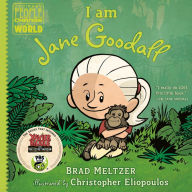
I Am Jane Goodall. Brad Meltzer. 2016. 40 pages. [Source: Library]
First sentence: I am Jane Goodall. On my first birthday, my father bought me a cuddly toy chimpanzee named Jubilee.
Premise/plot: I Am Jane Goodall is a picture book biography of Jane Goodall for young readers by Brad Meltzer. It uses text and speech bubbles throughout to give details of her life and her work. It is packed with plenty of information, and a great message or two.
My thoughts: I found this one slightly problematic. Not because of the text itself necessarily. But because of the illustrations. Jane Goodall is illustrated exactly the same throughout the book. It doesn't matter if she's one or eighty. As a one year old, she's got white hair pulled back in a ponytail. As an adult working in the jungle, she's the exact same height as when she's one and in a baby carriage. She's surrounded by ADULTS, during ADULT WORK, supposed to be one of the best, most qualified, most experienced in her field, and she's the size of a toddler. Why is this okay?!
That being said. I found the text interesting enough.
© 2016 Becky Laney of
Becky's Book Reviews
You need to have more than one picture book, no matter how awesome it may be, to get an agent for your picture books.
http://www.sarasciutoeditorial.com/single-post/2016/10/25/It-Takes-More-Than-One-Awesome-Picture-Book-To-Land-An-Agent
So Kailana (
The Written Word) and I are teaming up again...this time to celebrate CHRISTMAS. 25 days of answering questions! You are definitely welcome to join in on the fun!
Day after Christmas traditions...
Honestly. Does staying at home count as tradition? I don't really do much shopping if I can help it. A decade or two ago it was different. I remember getting gift certificates and wanting to spend them right away! Or there was always one or two things that Santa forgot that I wanted to see if I could buy for myself. But now, not so much.
© 2016 Becky Laney of
Becky's Book Reviews
The Lost Gift. Kallie George. Illustrated by Stephanie Graegin. 2016. Random House. 40 pages. [Source: Review copy]
First sentence: One windy Christmas Eve, four little animals huddled on top of Merry Woods Hill. They were so excited, they barely felt the cold. They were waiting for Santa to fly by on his sleigh.
Premise/plot: Four animals (Rabbit, Deer, Squirrel, and Bird) are super-excited to see Santa fly past on his sleigh. But when Santa drops a present in the woods--by mistake--the animals have a decision to make. Will they find the present and help the present get delivered? Or will they let it be since it doesn't concern them?
My thoughts: I really loved this story! I loved how the animals worked together to get the present delivered to the new baby at the farm. I loved how glad the animals were to see the baby receive the present and open it! I loved how their thoughtfulness was rewarded by Santa, who always knows.
Text: 5 out of 5
Illustrations: 4 out of 5
Total: 9 out of 10
© 2016 Becky Laney of
Becky's Book Reviews
Like many children I got to experience nursery rhymes when I was little, often when I was sitting in someones lap. I was lucky because I was bilingual, and so I was given the gift of rhymes that were written in English and in French. In English many of the rhymes were from Mother Goose collections. The French books contained French nursery rhymes that many English speakers do not normally get to read. What I love about today's poetry book is that the editor has brought together nursery rhymes from all over the world. She thus allows us to experience rhymes that we have probably never heard before.
 Over the Hills and Far Away: A treasury of Nursery Rhymes
Collected by Elizabeth Hammill
Illustrated by more than 70 celebrated artists
Poetry Picture Book
For ages 4 to 6
Candlewick Press, 2014, 978-0-7636-7729-9
Many people living in Britain or the United States have grown up with a copy of Mother Goose’s rhymes on their bookshelf. The interesting thing is that often the rhymes one finds in these two countries are different in some ways, and yet the feel of the rhymes is the same. When you then look in other countries where English is spoken, you find other versions of Mother Goose rhymes that have taken on the flavors of the cultures in those countries.
In addition to these Mother Goose verses, there are nursery rhymes that are unique to the countries where they were written and that capture the essence of the history and traditions in those countries
In this collection Elizabeth Hammill brings together Mother Goose rhymes from around the world and presents them alongside rhymes that are African, Asian, Caribbean, Native-American, and Hispanic to give readers a truly diverse and rich nursery rhyme experience.
Throughout the book the poems are paired with artwork that was created by seventy-seven artists from the English-speaking world. Some of the artists have been working in their chosen field for a long time, while others are newcomers to the illustration stage. All of the artwork was donated to this book project by the artists to support Seven Stories, Britain’s National Centre for Children’s Books.
Our nursery rhyme journey begins with a short Native American verse which is then followed by an African nursery rhyme that captures a mother’s love for her baby. There are other mothers, the mother in the poem says, who would “like to have you for her child,” but they cannot have the baby because the precious child is “mine.” Many of the poems that follow celebrate a mother’s love for her child or baby, while others are nonsense poems, counting poems, poems about animals, poems about places, and poems that tell a story.
This is a wonderful book to share with children, but it is also the kind of book that offers adults the opportunity to explore the world of nursery rhymes both historically and geographically. Readers are able to see how different cultures use words to comfort, amuse, and delight their children.
For a year or two I helped sit on the committee for the New York Historical Society’s book prize. Each year it goes to books that, “… honor the best children’s historical literature and encourage authors to continue to create engaging and challenging narratives that provide a window into the past for middle readers and their families.” And, oh ye poor starving middle grade historical fiction writers, it gives you a whopping $10,000, so get your publishers to submit your name next year.
I’m in Illinois now, but I miss it. It used to be that I’d gather up a bunch of names of potential candidates each year. The books would have to highlight a specific moment in American history. After all, just because a book is set in the past, that doesn’t mean it’s necessarily saying something about a distinct historical moment. And when I started putting these lists together, I thought about doing the same thing. Only this time I’m going to include picture books as well.
Here is a collection of some of the most interesting American historical works for kids out this year. Split, as you can see, into Fictional Picture Books, Non-Fiction Picture Books, and Middle Grade Novels.
2016 American History for Kids
Fiction Picture Books
Diana’s White House Garden by Elisa Carbone, ill. Jen Hill
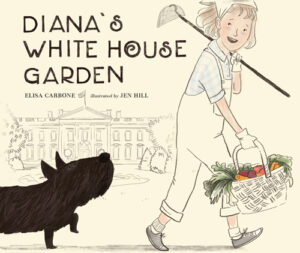
Historical Moment: WWII.
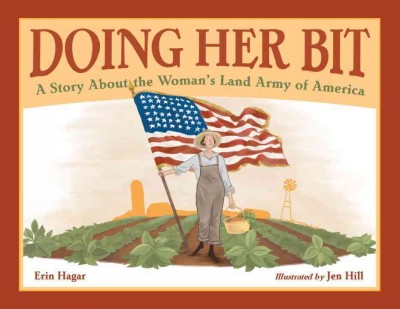
Doing Her Bit: A Story About the Women’s Land Army of America by Erin Hagar, ill. Jen Hill
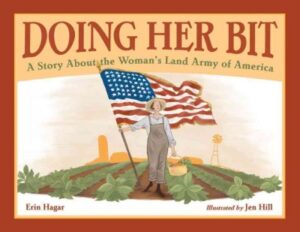
Historical Moment: WWII.
Freedom in Congo Square by Carole Boston Weatherford, ill. R. Gregory Christie
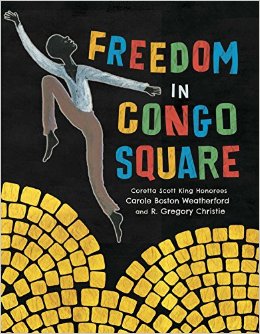
Historical Moment: American slavery in 19th century Louisiana
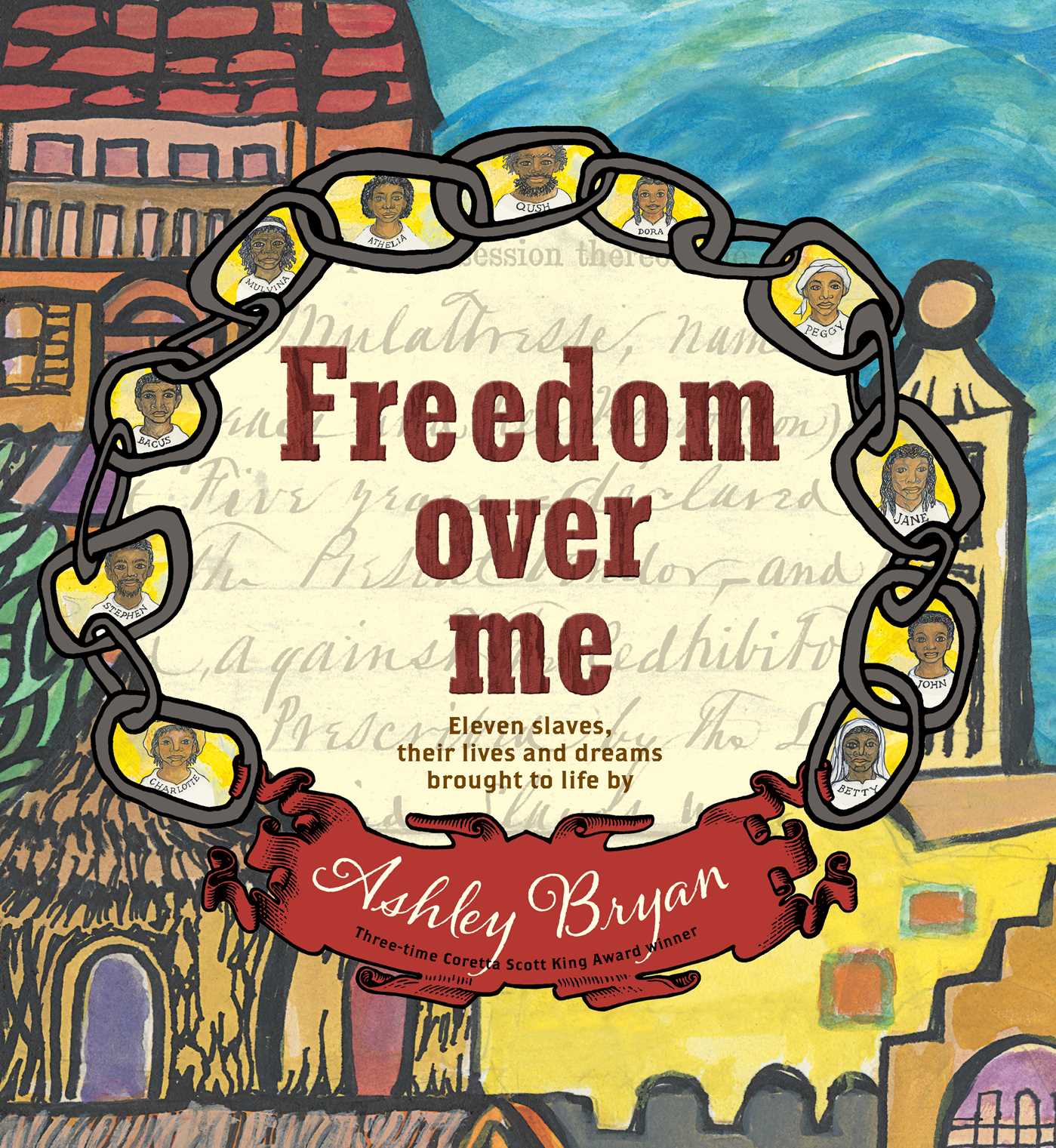
Freedom Over Me: Eleven Slaves, Their Lives and Dreams Brought to Life by Ashley Bryan
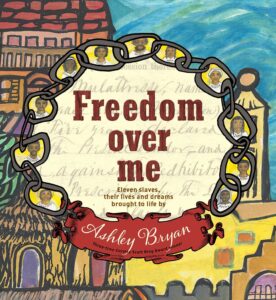
Historical Moment: Slavery in America. Specifically in 1828.
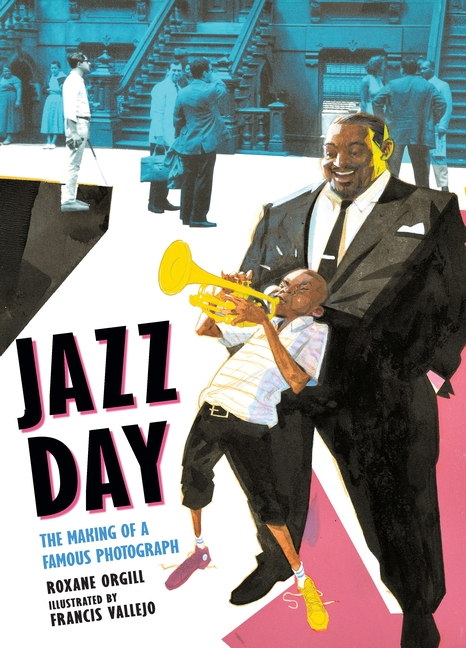
Jazz Day: The Making of a Famous Photograph by Roxane Orgill, ill. Francis Vallejo
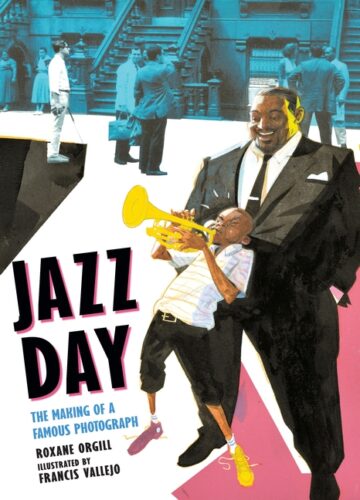
Historical Moment: 1958 when Art Kane gathered together the greatest living jazz musicians for one photograph.
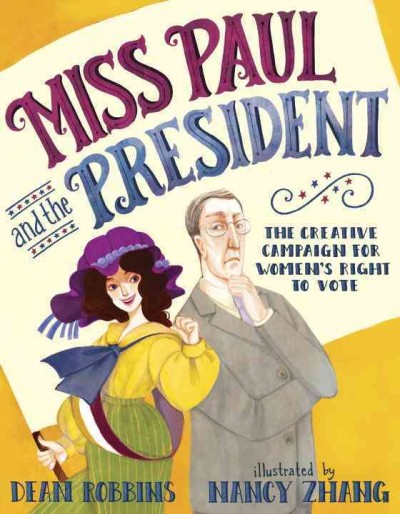
Miss Paul and the President: The Creative Campaign for Women’s Right to Vote by Dean Robbins, ill. Nancy Zhang
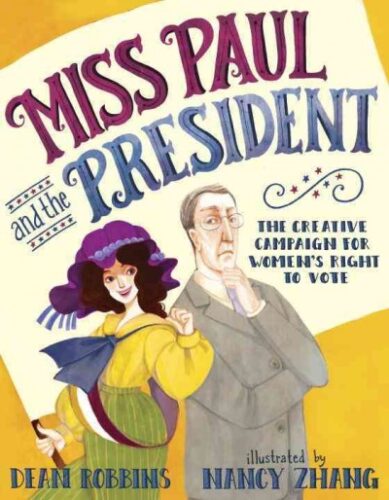
Historical Moment: Women’s suffrage. Culminates in 1920.
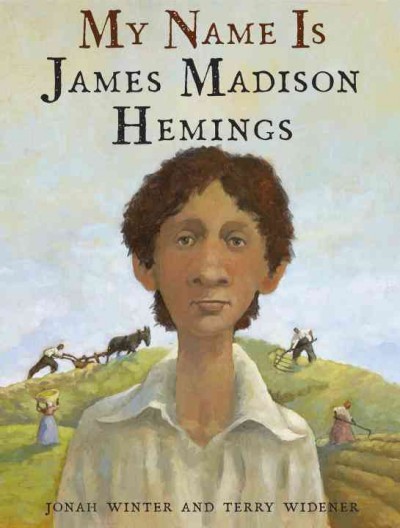
My Name is James Madison Hemings by Jonah Winter, ill. Terry Widener
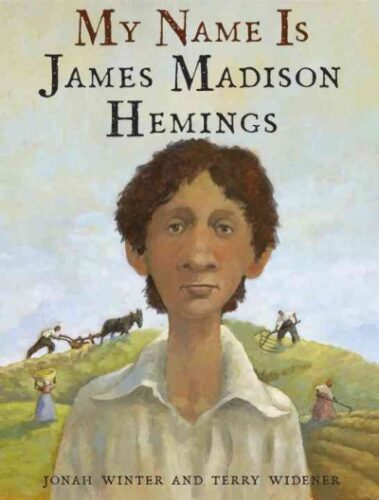
Historical Moment: Slavery in America. Specifically during and after the presidency of Thomas Jefferson.
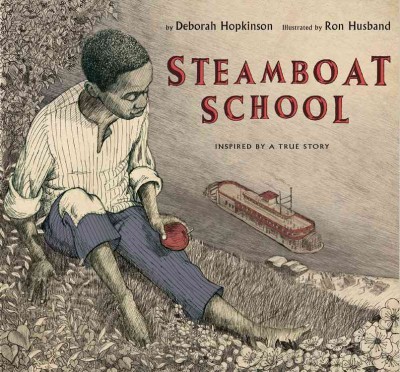
Steamboat School by Deborah Hopkinson, ill. Ron Husband
Historical Moment: 1847 in St. Louis after the passage of a Missouri law prohibiting the education of African-Americans.
Non-Fiction Picture Books
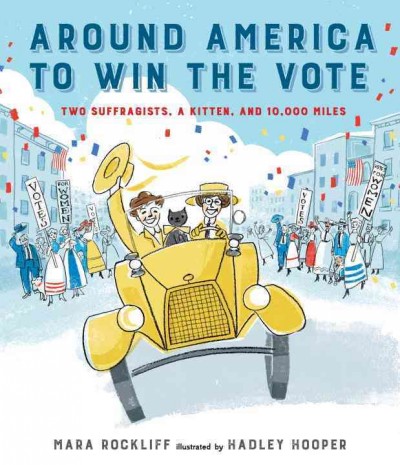
Around America to Win the Vote: Two Suffragists, a Kitten, and 10,000 Miles by Mara Rockliff, ill. Hadley Hooper
Historical Moment: Women’s Suffrage. Specifically it begins in April of 1916.
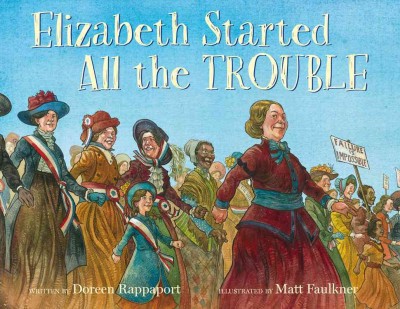
Elizabeth Started All the Trouble by Doreen Rappaport, ill. Matt Faulkner
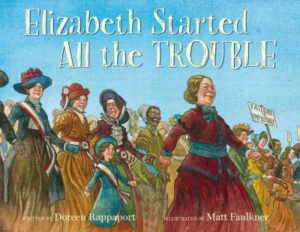
Historical Moment: Women’s Suffrage from the beginning to the end.
The First Step: How One Girl Put Segregation on Trial by Susan E. Goodman, ill. E.B. Lewis
Historical Moment: Segregation. Follows the 1847 (the same year as Steamboat School!) Supreme Court case that ended segregation in Boston’s schools.
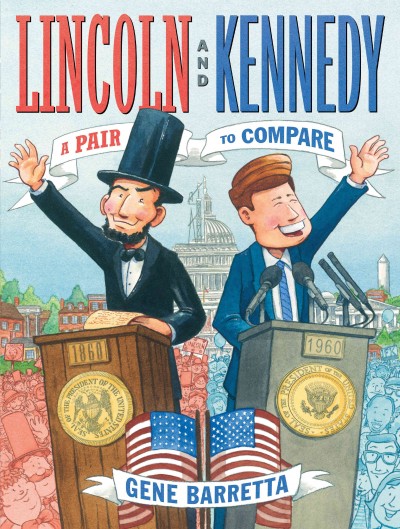
Lincoln and Kennedy: A Pair to Compare by Gene Barretta
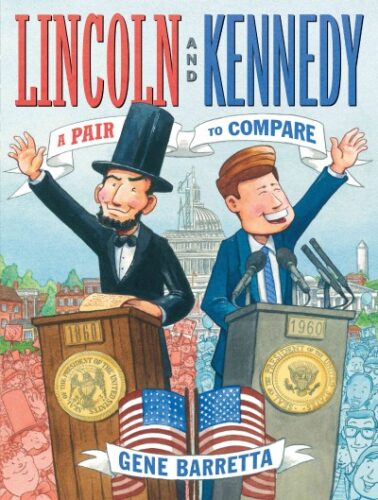
Historical Moments: The presidencies of both Abraham Lincoln and John Kennedy.
The Navajo Code Talkers by J. Patrick Lewis, ill. Gary Kelley
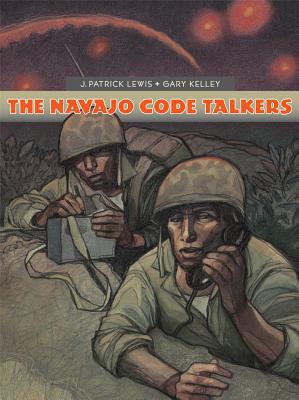
Historical Moment: WWII.
Saved By the Boats: The Heroic Sea Evacuation of September 11 by Julie Gassman, ill. Steve Moors
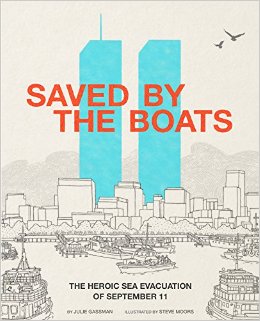
Historical Moment: September 11, 2001.
The Seagoing Cowboy by Peggy Reiff Miller, ill. Claire Ewart
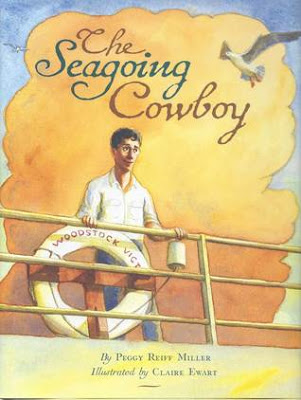
Historical Moment: Post-WWII America’s aid to Poland in 1945. Review of the book at the WWII children’s book blog The Children’s War here.
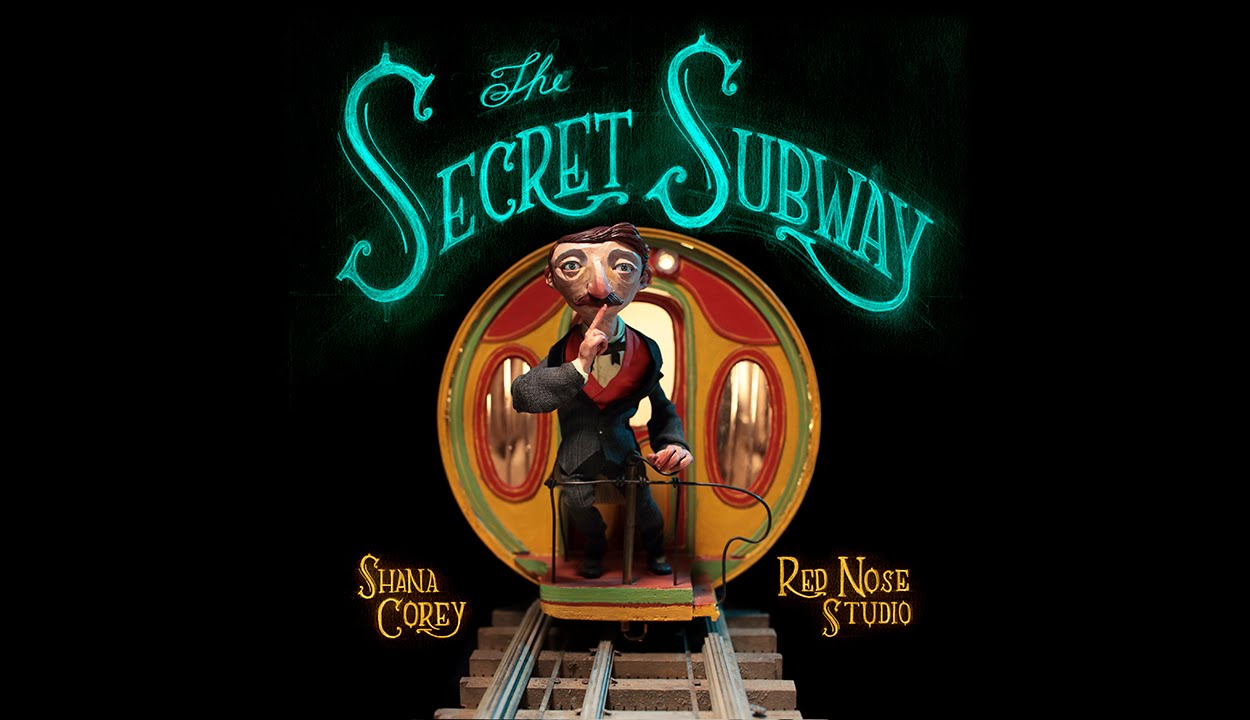
The Secret Subway by Shana Corey, ill. Red Nose Studio
Historical Moment: New York City in the 1860s and 1870s. Specifically the time of Boss Tweed.
A Spy Called James: The True Story of James Lafayette, Revolutionary War Double Agent by Anne Rockwell, ill. Floyd Cooper
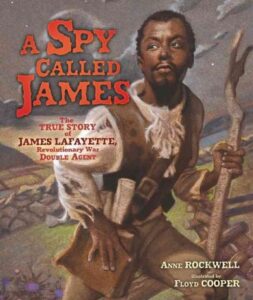
Historical Moment: The Revolutionary War.
Middle Grade Fiction
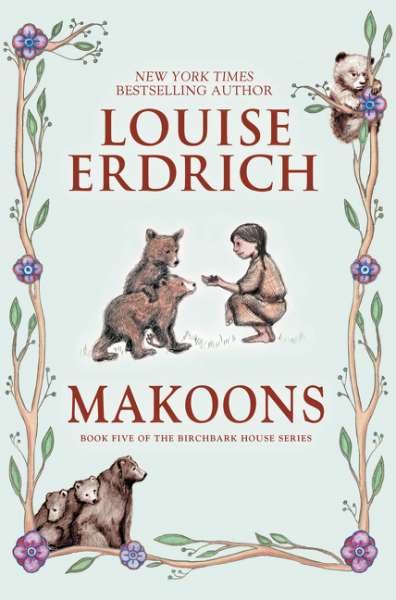
Makoons by Louise Erdrich
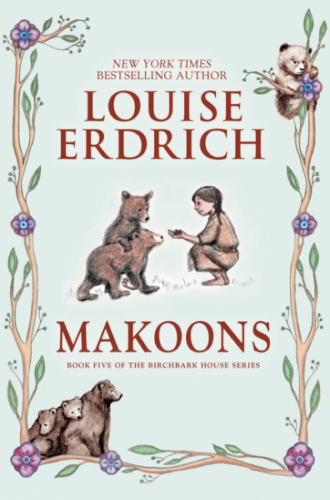
Historical Moment: The Great Plains of the Dakota Territory in 1866.
Snow White: A Graphic Novel by Matt Phelan
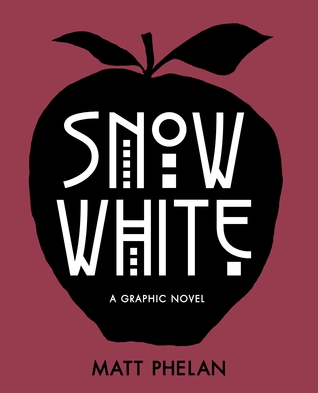
Historical Moment: The Great Depression in New York City.
Interested in the other lists of the month? Here’s the schedule so that you can keep checking back:
December 1 – Board Books
December 2 – Board Book Adaptations
December 3 – Nursery Rhymes
December 4 – Picture Book Readalouds
December 5 – Rhyming Picture Books
December 6 – Alphabet Books
December 7 – Funny Picture Books
December 8 – Calde-Nots
December 9 – Picture Book Reprints
December 10 – Math Picture Books
December 11 – Bilingual Books
December 12 – International Imports
December 13 – Books with a Message
December 14 – Fabulous Photography
December 15 – Fairy Tales / Folktales
December 16 – Oddest Books of the Year
December 17 – Older Picture Books
December 18 – Easy Books
December 19 – Early Chapter Books
December 20 – Graphic Novels
December 21 – Poetry
December 22 – Fictionalized Nonfiction
December 23 – American History
December 24 – Science & Nature Books
December 25 – Transcendent Holiday Titles
December 26 – Unique Biographies
December 27 – Nonfiction Picture Books
December 28 – Nonfiction Chapter Books
December 29 – Novel Reprints
December 30 – Novels
December 31 – Picture Books
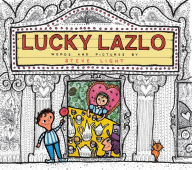
Lucky Lazlo. Steve Light. 2016. Candlewick. 32 pages. [Source: Review copy]
First sentence: Lazlo was in love. He bought a rose from the flower-seller. The last red one--how lucky!
Premise/plot: Lucky Lazlo follows the adventures--or misadventures--of a young man, Lazlo, in love. His love is starring in a play, Alice in Wonderland. In fact, she's the star of the show, Alice. The show is premiering on a Friday at the Peacock Theater. This picture book is a comedy. The simple act of buying a flower for the one you love becomes a chaotic, hilarious riot of a book. And it all starts with a CAT who snatches Lazlo's rose.
My thoughts: I thought this one was charming even before I read the author's note. But. After reading the author's note, it went from "really like" to LOVE. Light has taken a LOT of theater superstitions and woven together a story that uses just about all of them--for better or worse! And his illustrations are both simple and complex. His use of color is simple, understated. But his use of detail is very complex indeed.
Text: 5 out of 5
Illustrations: 5 out of 5
Total: 10 out of 10
© 2016 Becky Laney of
Becky's Book Reviews
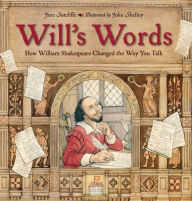
Will's Words: How William Shakespeare Changed The Way You Talk. Jane Sutcliffe. Illustrated by John Shelley. 2016. Charlesbridge. 40 pages. [Source: Library]
First sentence: Dear Reader: We have to talk. I have failed you. I set out to write a book about the Globe Theatre and its great storyteller, William Shakespeare. About how the man was an absolute genius with words and wove those words into the most brilliant and moving plays ever written. But that's just the trouble. You see, I wanted to tell you the story in my own words. But Will Shakespeare's words are there, too, popping up all over the place. It's not my fault. Really. Will's words are everywhere. They're bumping into our words all the time, and we don't even know it.
Premise/plot: Sutcliffe's picture book for older readers does a great job introducing readers to the sixteenth century theatre. And her emphasis on "Will's Words" shows the relevance Shakespeare still has in today's world. It is part narrative. But on each spread, she focuses on words--phrases--Shakespeare either invented himself (coined) OR kept alive (sustained) through the longevity of his plays. She uses the word or phrase in her narrative, and then explains it. Each word is explained and/or defined. Sometimes this includes "what it meant then, what it means now." But she also always includes: WHERE it came from--which play, which act, which scene.
Words include:- for goodness' sake
- what's done is done
- too much of a good thing
- outbreak
- excitement
- of a sudden
- wild goose chase
- fashionable
- money's worth
- hurry
- with bated breath
- a sorry sight
- heart's content
- well behaved
- send him packing
- good riddance
- love letter
- laugh oneself into stitches
- foul play
- make your hair stand on end
- cold-blooded
- hot-blooded
- bloodstained
- dead as a doornail
- seen better days
- into thin air
- amazement
- the short and long of it
- not budge an inch
- eaten out of house and home
- green-eyed monster
- household words
My thoughts: I really loved this one. It is for older readers. I don't think the typical preschooler is going to care about the word origin of the phrase "dead as a doornail." But for older students (mid-to-upper elementary on up) what a treat!!! Be sure to watch the Horrible Histories music video about Shakespeare! © 2016 Becky Laney of
Becky's Book Reviews
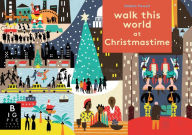
Walk This World At Christmastime. Illustrated by Debbie Powell. 2016. Candlewick. 24 pages. [Source: Review copy]
First sentence: Walk this world at Christmastime. Let's take a stroll around the world, to all four corners of the globe. Peek through windows, open doors, watch as Christmastime unfolds.
Premise/plot: Readers "visit" many different countries at Christmastime. Each two-page spread takes readers to a new destination. The stops include Canada and the United States; Mexico, Bolivia, and Brazil; Nigeria, South Africa, and Ethiopia; Spain, France, Italy, and Greece; Holland, Austria, and Germany; U.K., Sweden, Norway, and Finland; Poland, Ukraine, and Russia; Lebanon, Iraq, Pakistan, and India; China, Japan, and the Philippines; Australia, New Zealand, and Samoa. Each two-page spread features a riddle, of sorts, asking readers to guess where they are. Each two spread also features a LOT of flaps to open. Behind each flap is a fact.
Some of the things we learn on this journey:
- During Las Posadas, children dress as Mary and Joseph and go from house to house asking to be let in.
- Leave out your shoes to get presents from the Three Wise Men.
- Calabar Carnival, in Nigeria, is Africa's biggest street party. Get ready for parades, masquerades, and dancing.
- An old Greek custom, recently revived, is to decorate real and model ships with lights at Christmastime.
- In Holland, leave out your clogs for Saint Nicholas. Don't forget a carrot for his horse!
- A Nutcracker doll is a traditional German gift.
- The first Christmas card was sent in the U.K. in 1843.
- In Russia, Father Frost brings children presents, accompanied by the Snow Maiden.
- In Iraq, Christian families light a bonfire and recite passages from the Bible.
- In India, banana trees are decorated for Christmas.
- The Chinese give gifts of apples on Christmas Eve.
- In Samoa, people feast on December 24, then go to church, dressed in white, on Christmas Day.
My thoughts: This one is packed with information. I definitely found it interesting. I'm not the biggest fan of lift-the-flap books. But I think this one works.
© 2016 Becky Laney of
Becky's Book Reviews
So Kailana (
The Written Word) and I are teaming up again...this time to celebrate CHRISTMAS. 25 days of answering questions! You are definitely welcome to join in on the fun!
Christmas traditions...
family time--eating together, opening presents, talking, listening to music, watching movies.
© 2016 Becky Laney of
Becky's Book Reviews
View Next 25 Posts




 During the 2016 Boston Globe-Horn Book Colloquium Carol Boston Weatherford and Ekua Holmes spoke together about the art of writing about other people. During the speech they mentioned how part of their job is to break down “the canonical boundaries of biography.” Too often kids read the same biographies about the same people over and over again. The canon, such as it is. There were a bunch of perfectly good biographies out about those folks this year. I prefer the more obscure figures and the people who don’t usually get studied.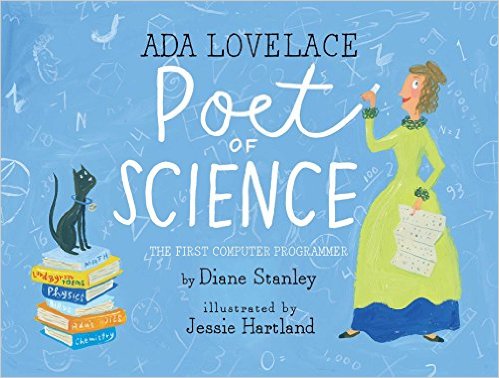



.jpeg?picon=2691)
















So many interesting books about so many interesting people! Thanks for bringing them to our attention.
AAAUUUGHHHHH I missed the Gershwin book for my own roundup!!!
On the upside, we live in a world in which a picture book bio of Esquivel AND a picture book bio of the man who invented the Super-Soaker exist.
(I really enjoyed both, btw.)
(And thanks for the pointers to Fancy Party Gowns — out mid-Jan — and Step Right Up, both of which sound fascinating!!)
Happy holidays!
Oh, shoot. Is Fancy Party Gowns a 2017? Doggone it. I’m going to have to excise that.