new posts in all blogs
Viewing: Blog Posts Tagged with: Best Books, Most Recent at Top [Help]
Results 1 - 25 of 217
How to use this Page
You are viewing the most recent posts tagged with the words: Best Books in the JacketFlap blog reader. What is a tag? Think of a tag as a keyword or category label. Tags can both help you find posts on JacketFlap.com as well as provide an easy way for you to "remember" and classify posts for later recall. Try adding a tag yourself by clicking "Add a tag" below a post's header. Scroll down through the list of Recent Posts in the left column and click on a post title that sounds interesting. You can view all posts from a specific blog by clicking the Blog name in the right column, or you can click a 'More Posts from this Blog' link in any individual post.
 No excuses! These are just the books that I read in 2016 that I thought knocked it out of the park. These aren’t the “best of the year”. These are just the books that were particularly good and that somehow crossed my radar. I read a lot more than what you’ll see here, but I loved these the best. For your consideration:
Wonderful 2016 Children’s Novels
Cloud and Wallfish by Anne Nesbet
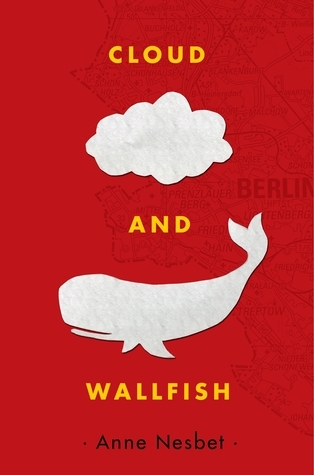
My dark horse Newbery front runner. I found it because Roger Sutton mentioned it off-handedly on his podcast, but it was Monica Edinger’s Horn Book review that got the most attention from the folks at Heavy Medal. It’s just the most delightful little Cold War, East Germany, book you could name. I’m gaga over it. If your kids read it, they will be too.
Five Children on the Western Front by Kate Saunders
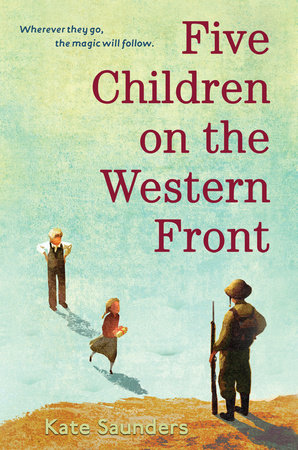
Again with the book recommendations from Monica! This time a couple years ago, when she found the English edition of this book. It came out this year with surprisingly little fanfare, but I just adored it. The question is whether or not kids unfamiliar with the works of E. Nesbit will get anything out of it. The eternal optimist, I vote yes! I mean, it’s about a tyrant finding its (his) soul. There’s something to that.
Full of Beans by Jennifer L. Holm
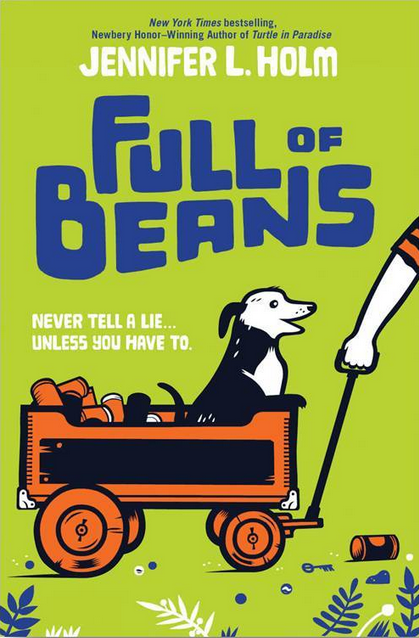
Funny that I never reviewed this one, but with Jenni Holm you sort of don’t have to. The woman’s masterful. To read her book is to marvel at how seemingly effortlessly she pulls various elements together. I will say that though this book is a prequel, you will not need to have read its predecessor to get anything out of it. It is, in a nutshell, sort of perfect.
Furthermore by Tahereh Mafi
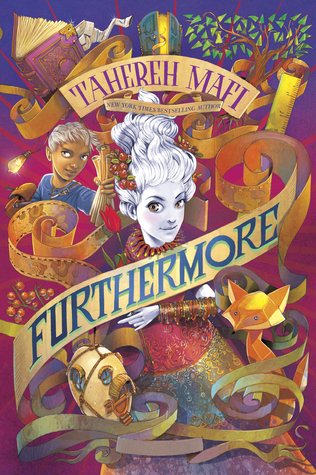
To ask anyone to craft a wholly original fantasy novel for kids is just setting that person up for a fall. If Mafi succeeds in any way here it is in her writing rather than her ideas. Not that her ideas aren’t interesting. They are, but it’s the characters, their interactions, and their personalities that sold it for me. It is infinitely readable and a lot of fun to boot. I like fun. I liked this book. I don’t hold it against it that it’s a New York Times bestseller either.
Ghost by Jason Reynolds
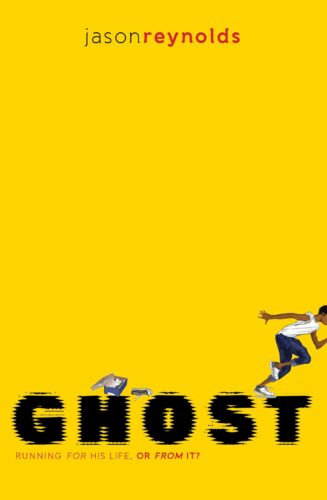
Years ago (three?) I said this Jason Reynolds guy was gonna be a star. I had a chance to hear him speak for the NYPL librarians after the publication of his first solo YA novel. In 2016 he started publishing middle grade in earnest and if he doesn’t win any major awards this year it’s simply a matter of time before he does in the future. I don’t know if Ghost is gonna take home a Newbery in any way, shape, or form. I just know that it was incredibly fun to read. One of my favorites of the year.
The Girl Who Drank the Moon by Kelly Barnhill
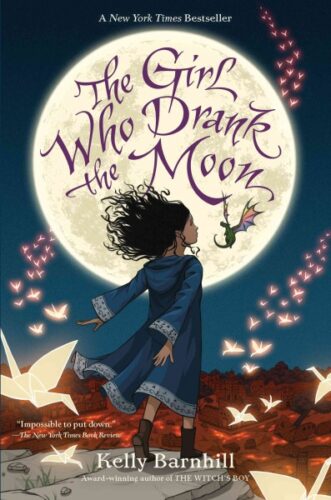
It’s anyone’s guess as to why it took me 8 months or so to finally pick this book up. When I saw Kelly speak at BookExpo here in Chicago this year I knew she was on to something. But to be perfectly frank, I’ve loved her work since she wrote The Mostly True Story of Jack (a book that I would contend still doesn’t get the attention and respect it deserves). I liked this one a lot. It’s a thick one, no question, but it also compelled me skip ahead a little just so that I could make sure that the villain wouldn’t win. There’s only one other book on this list this year that made me do that. I’ll let you guess what it was.
The Inn Between by Marina Cohen
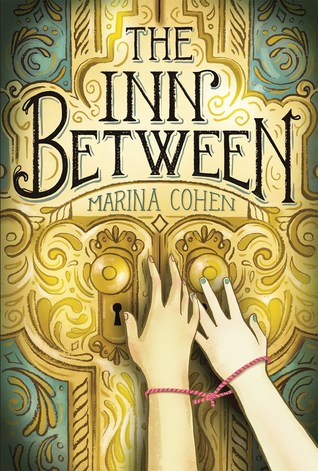
I include this book not because it’s some deep, insightful, heavily meaningful book fraught with consequence and award-worthy pain. No, this is just the kind of book I would have LOVED as a kid. I was the one who checked out all the Apple paperbacks that involved ghosts from my Scholastic Book Fair orders. So, naturally, this would have appealed. I mean, the back flap copy calls it “The Shining meets Hotel California” and that ain’t wrong. You’d never know it from the cutesy cover, though, would you? Someone needs a cover do-over.
The Inquisitor’s Tale by Adam Gidwitz
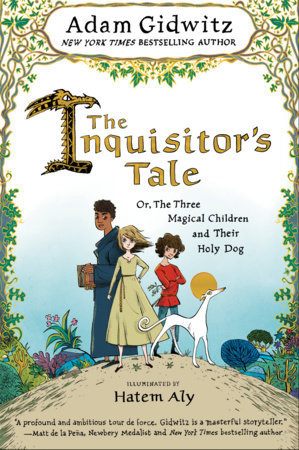
It doesn’t need my help. It never needed my help. But it’s wonderful and winning. Smarter than almost every other book on here by half. Gutsy. Challenging. And I can’t wait for the movie. I call dibs on Tom Hiddleston to play the King of France.
The Magic Mirror: Concerning a Lonely Princess, a Foundling Girl, a Scheming King and a Pickpocket Squirrel by Susan Hill Long
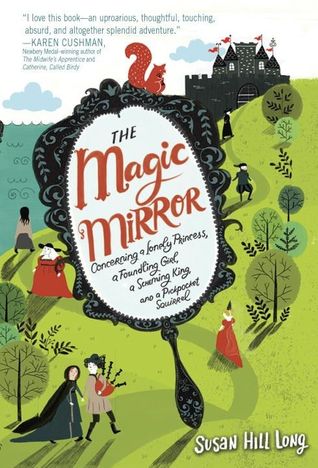
Poor little book. You were the first novel I read in 2016 and I came dangerously close to forgetting you here today. I liked this one very much, going so far as to say in my review that it was similar in tone to The Princess Bride. It actually makes a rather good pairing with THE GIRL WHO DRANK THE MOON, come to think of it. If you’ve a kid looking for light, frothy fantasy, this is the one to pick up.
Makoons by Louise Erdrich
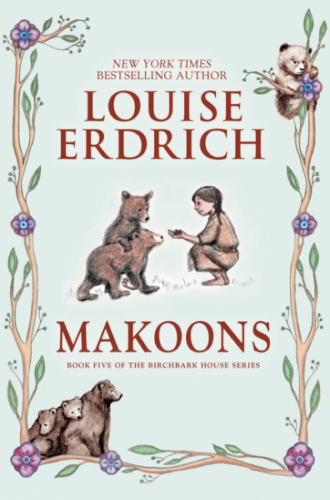
Does anyone ever point out how funny these books are? Yes, we all know Louise Erdrich to be a master writer, but she’s also incredibly hilarious when she wants to be. The latest book in the Birchbark House series did not disappoint and even gave us a few new characters. My favorite is the character done in by vanity, brought low, and ultimately redeemed. I’m a sucker for that kind of tale.
The Mighty Odds by Amy Ignatow
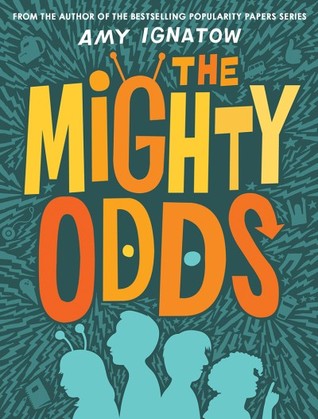
If you could have any superpower, would you choose the normal one or the weird one? If you chose the weird one then this book is for you. I think we’ve seen the outcasts-with-superpowers motif a lot (Spiderman, arguably, was one of the first) but I like Ignatow’s style so much that this is one of my current favs. How much do I love it? I actually bought a copy for my niece and I almost never ever buy books. What can I say? It was just that good.
Ms. Bixby’s Last Day by John David Anderson
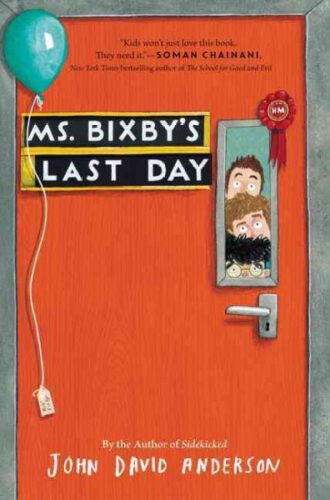
Not usually my kind of book but I liked Anderson’s Sidekicked years ago and figured that in spite of the description it might work for me. And it did! Granted, there’s more than a touch of Dead Poet’s Society to it, but all I cared was that it had an honest ending. An honest earned ending. This title doesn’t pander and I appreciate that. Worth discovering.
Pax by Sara Pennypacker
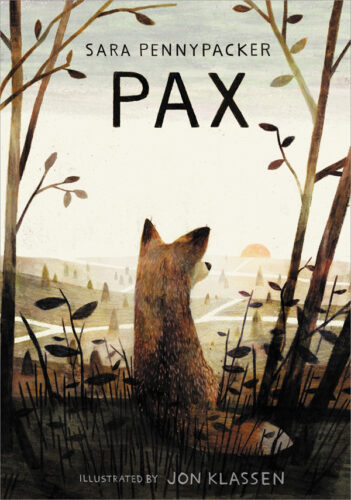
Can you believe this book came out in 2016? I feel as if we’ve been talking about it for two years. It’s still one of the strongest of the year, no matter what anybody says. When I was a child, I had a thing for foxes. Clearly I missed my era. If you’ve somehow managed to avoid reading this title, you have time to get your hands on it before award season. Do that thing.
Raymie Nightingale by Kate DiCamillo

While I would repeat that this book would be Because of Winn-Dixie if you dipped that book in a vat of sadness, that doesn’t mean it isn’t remarkable. I found it breathtakingly sad, but also smart. I didn’t care two bits for the main character (she’s remarkably forgettable) but the other characters just popped off the page. Quite a book.
Rebel Genius by Michael Dante DiMartino
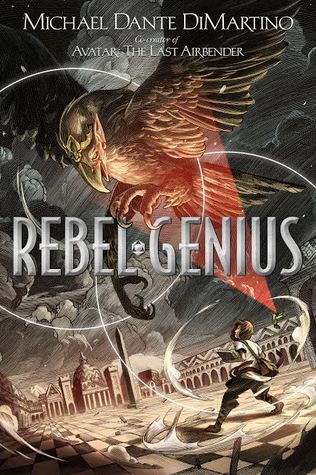
Poor action/adventure fans. What do I even have for you here today? Well, I have a fantasy novel coming from one of the co-creators of the Avatar: The Last Airbender television series, and that ain’t peanuts. Though it does come across as a slightly less scholarly His Dark Materials, I enjoyed the premise of Rebel Genius (a great title, if ever there was one). The big bad villain never makes an appearance but plenty of other baddies do. It’s compelling to its core.
When the Sea Turned to Silver by Grace Lin
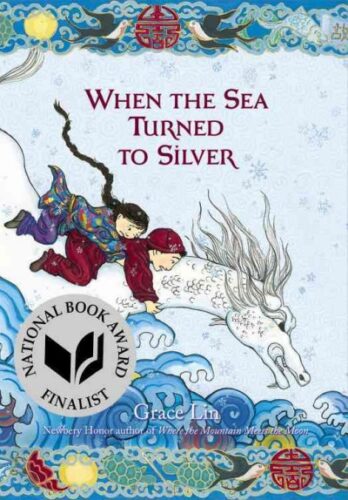
I just finished reading my daughter Where the Mountain Meets the Moon and wanted to just skip directly to this one, but Starry River of the Sky is next on our list and we shall not go out of order. Of the three books in the series, this is by far my favorite, and you certainly don’t have to have read the other books to enjoy it. Lin gets better and better with every book she writes. Annoying for her fellow authors, I’m sure, but great for the rest of us!
The Wild Robot by Peter Brown
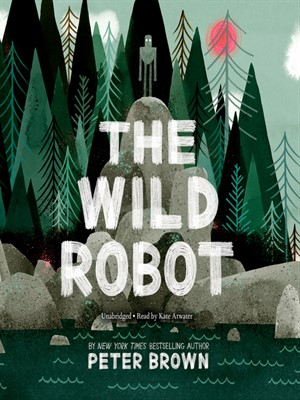
This marked Peter Brown’s debut as a novelist. Doesn’t seem quite fair that he should be able to write AND draw. Leave a little talent for the rest of us, won’t you, Peter? In any case, I’m all about the strong female heroines. So often in robot books the de facto pronoun is “he”. Brown made it “she” and it works for her. Better still, it works for us.
Wolf Hollow by Lauren Wolk
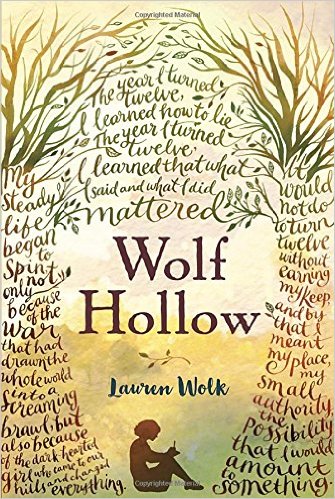
Remember earlier when I mentioned that there was one other book on this list that made me so tense I had to skip to the back to know precisely who would live, who would die, and what would become of the villain? Because the villain in this book does meet a terrible fate, but even so remains a cussed little wretch to the end. She is, without a doubt, the best villain I’ve encountered in a children’s book in years. A true blue psychopath. Best you know now.
Interested in the other lists of the month? Here’s the schedule so that you can keep checking back:

Back on December 9th I wrote a piece on those reprinted picture books I was happiest to encounter in 2016. Now I’ll say a word or two about the reprinted novels of this year. Naturally, if you look at the output from the publisher New York Review Books you’ll find a lovely array of titles. For more than are listed here, that’s for sure and for certain. The books I’m including today are ones I’ve read, so it’s fairly short. Still, don’t miss the books listed here today. The book market is not kind to reprints that could be called “forgotten”.
2016 Reprinted Children’s Novels
The Borrowers Collection by Mary Norton
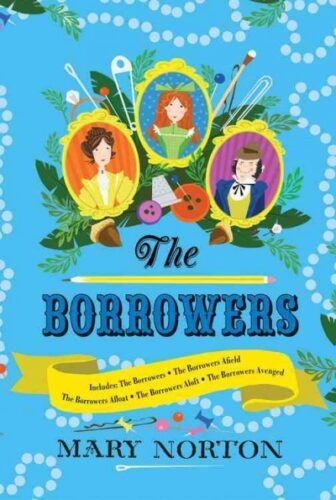
My knowledge of previous collections of all the Borrowers stories is not good enough to determine whether or not any previous versions also included the short story “Poor Stainless” or not. Whatever the case, this new bound volume of full stories is delightful. Chock full of illustrations, it’s the ultimate Borrowers collection.
The Golden Key by George MacDonald, ill. Ruth Sanderson
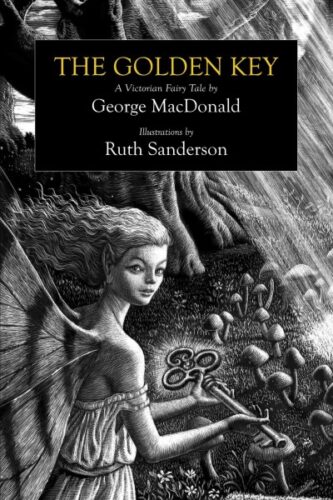
The title probably hasn’t been out-of-print before, but I do know that back in the day it was Maurice Sendak who illustrated it. Sanderson’s a different take than Sendak, that’s for sure, but it’s a lovely new edition.
The Rescuers by Margery Sharp, ill. Garth Williams
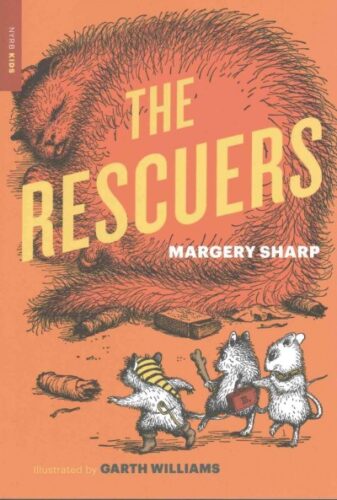
If Disney had any sense in its monolithic head it would have years ago grabbed the literary rights to every publication ever brought to the silver screen. Imagine, if you will, a children’s book collection that consists of books that are better known now for their Disney adaptations. 101 Dalmations by Dodie Smith, Old Yeller by Fred Gipson, Swiss Family Robinson by Johann Wyss, and, naturally, The Rescuers. As with most Disneyfied products, when I read this book as a kid I was struck both by how sharp the writing was (not cutesy in the least) and also by how good illustrator Garth Williams was at making horrific looking humans. Turns out the master of whimsy had a penchant for the grotesque as well.
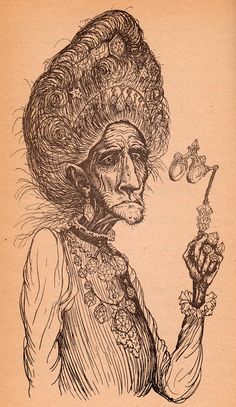
Never knew he had it in him.
For other celebrations of reprinted books, please check out the ShelfTalker piece Hello, Old Friends. I wish I’d seen the Lobel book mentioned there. Ah well. Can’t get them all.
Interested in the other lists of the month? Here’s the schedule so that you can keep checking back:
I peer into the darkness and at long last I see the light at the end of the tunnel. We’re almost there! Almost at the end of this month’s 31 Days, 31 Lists challenge. I’m certainly delighted, not least because I’ve managed to keep it up so far (knocking on wood now as hard as my brittle knuckles can knock).
As with some of the lists, today’s is not by any means complete. I fell down on the job of reading as many chapter nonfiction books as I should have. And since I refuse to place any books on these lists that I haven’t actually read myself, it’s going to be far too short. For a variety of far more complete lists featuring nonfiction, please check out the Best of the Year compilations from all the major review journals (SLJ, Kirkus, Horn Book, etc.) as well as libraries like NYPL, Chicago Public Library, and others.
2016 Great Nonfiction Chapter Books for Kids
A Celebration of Beatrix Potter: Art and Letters by More Than 30 of Today’s Favorite Children’s Book Illustrators, edited by The Stewards of Frederick Warne & Co.
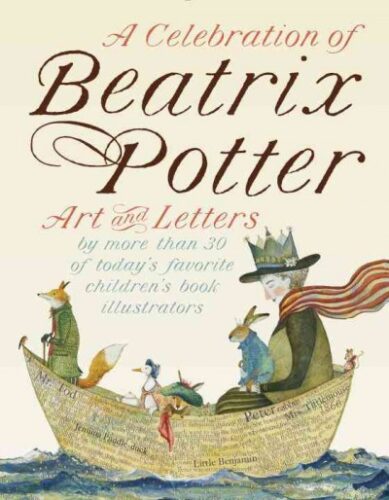
It seems a pity that I’m only just now mentioning this book, but I honestly couldn’t figure out if there was any other list it would slot into easily. In truth, it’s probably made for adult enthusiasts and not actual kids, but who knows? There could be some Potter loving children out there. Maybe they’d be interested in the wide variety of takes on one classic Potter character or another. Whatever the case, this book is a beautiful ode to the works of Beatrix and anyone would be pleased to receive it.
Crow Smarts: Inside the Brain of the World’s Brightest Bird by Pamela S. Turner, photos by Andy Comins, ill. Guido de Flilippo
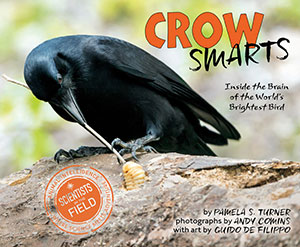
This is right up there with Sy Montgomery’s Kakapo book as one of my favorite books about obscure birds out there. Of course, the Kakapo is dumb as a box of rocks while these birds are smarter than human 4-year-olds, but who’s counting?
Deep Roots: How Trees Sustain Our Planet by Nikki Tate
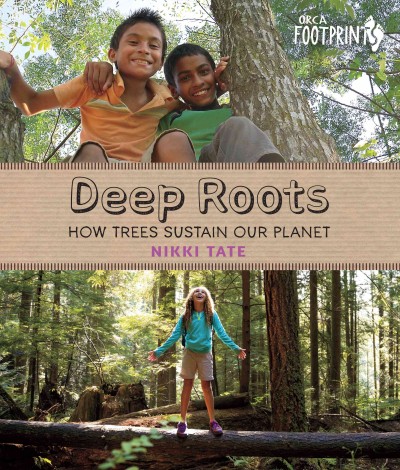
Orca consistently produces fun nonfiction titles on serious subjects in a voice that never patronizes its young readers. This latest is no exception.
The Hello Atlas by Ben Handicott, ill. Kenard Pak
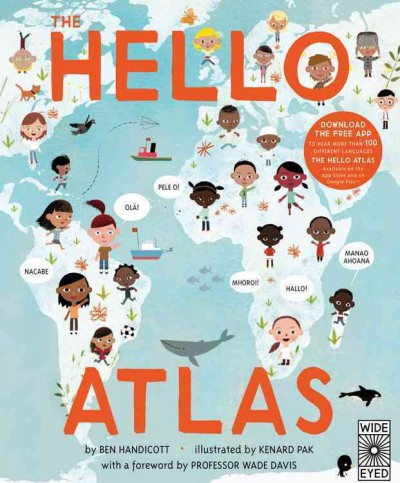
I really wasn’t sure where to put this one either, and it just feels like it has a bit too much content to consider it a picture book. The publisher calls this, “A celebration of humanity’s written and verbal languages is comprised of fully illustrated word charts depicting children of diverse cultures participating in everyday activities, in a reference complemented by a free downloadable app for iOS and Android that allows readers to hear the book’s phrases as recorded by native speakers”. Cool, right? Well, says Kirkus, “This will be a necessity for just about everybody, as there are no phonetic spellings”. So word to the wise. It’s still a pretty amazing book.
Presenting Buffalo Bill: The Man Who Invented the Wild West by Candace Fleming
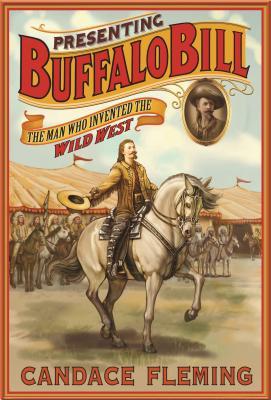
Did I mention I liked it yet?
I liked it.
Sachiko: A Nagasaki Bomb Survivor’s Story by Caren Stelson
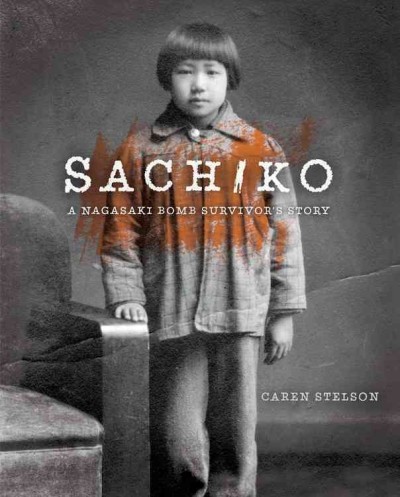
Still one of the most powerful books of the year.
Samurai Rising: The Epic Life of Minamoto Yoshitsune by Pamela S. Turner, ill. Gareth Hinds
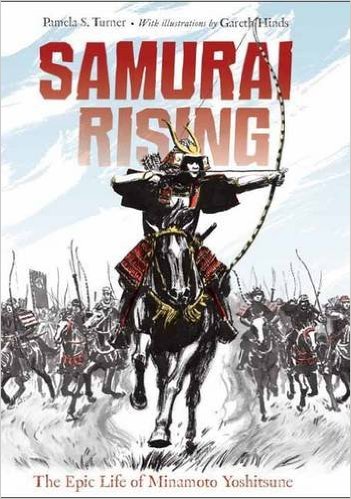
This one came out so early in the year that I almost forgot it was a 2016 title. Then I remembered that there’s this crazy outside chance that it could win a Newbery for its fantastic writing. So there’s that.
Some Writer! The Story of E.B. White by Melissa Sweet
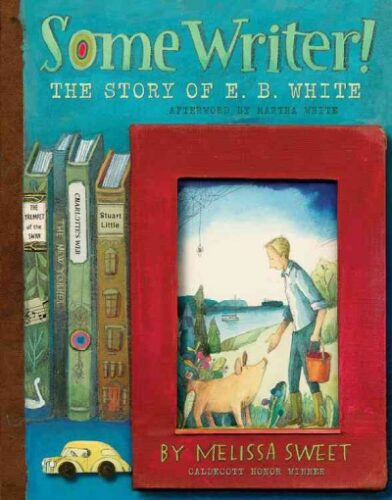
It took me a while to jump on the bandwagon with this one, since I’m sometimes slow on the uptake. Now that I’ve read it, I’m gratified to write that it really is quite amazing. I’m not sure what kid would pick it up on their own, but it does a really lovely job of encapsulating White’s life and spends a good amount of time on his writing for children. Visually arresting from start to finish, this is one of the best bios of the year. Glad I followed the crowd on this one.
What Milly Did by Elise Moser, ill. Scot Ritchie
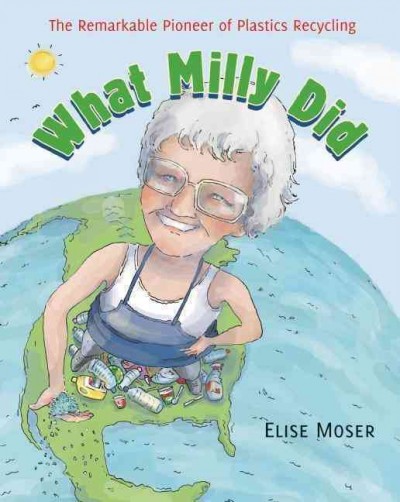
I’m not a huge fan of the cover, but I think the book’s worth its weight in gold. FYI.
Interested in the other lists of the month? Here’s the schedule so that you can keep checking back:
December 1 – Board Books
December 2 – Board Book Adaptations
December 3 – Nursery Rhymes
December 4 – Picture Book Readalouds
December 5 – Rhyming Picture Books
December 6 – Alphabet Books
December 7 – Funny Picture Books
December 8 – Calde-Nots
December 9 – Picture Book Reprints
December 10 – Math Picture Books
December 11 – Bilingual Books
December 12 – International Imports
December 13 – Books with a Message
December 14 – Fabulous Photography
December 15 – Fairy Tales / Folktales
December 16 – Oddest Books of the Year
December 17 – Older Picture Books
December 18 – Easy Books
December 19 – Early Chapter Books
December 20 – Graphic Novels
December 21 – Poetry
December 22 – Fictionalized Nonfiction
December 23 – American History
December 24 – Science & Nature Books
December 25 – Transcendent Holiday Titles
December 26 – Unique Biographies
December 27 – Nonfiction Picture Books
December 28 – Nonfiction Chapter Books
December 29 – Novel Reprints
December 30 – Novels
December 31 – Picture Books
It’s finally come! The list is nearing its end. So it is with great delight that I present to you some of the last of the lists. Today’s is particularly long, celebrating what I consider to be some of the best books of 2016. Since so many of them have shown up on my other lists I’ll leave off the comments this time around except for those that haven’t appeared here before.
These are the nonfiction titles I was most impressed by in 2016:
2016 Nonfiction Picture Books
Ada Lovelace, Poet of Science: The First Computer Programmer by Diane Stanley, ill. Jessie Hartland
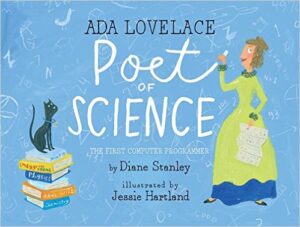
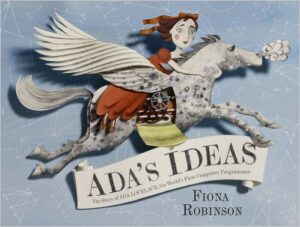
Ada’s Ideas: The Story of Ada Lovelace, the World’s First Computer Programmer by Fiona Robinson
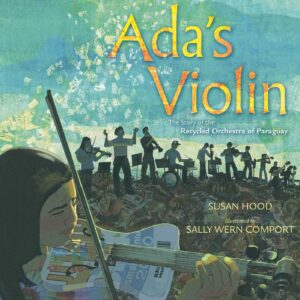
Ada’s Violin: The Story of the Recycled Orchestra of Paraguay by Susan Hood, ill. Sally Wern Comport
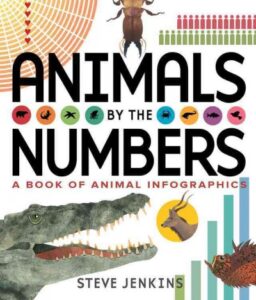
Animals by the Numbers: A Book of Infographics by Steve Jenkins
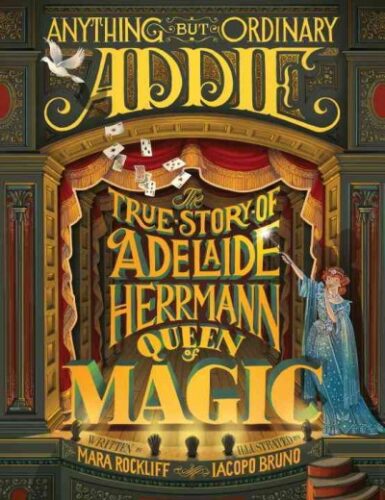
Anything But Ordinary: The True Story of Adelaide Herman, Queen of Magic by Mara Rockliff, ill. Iacopo Bruno
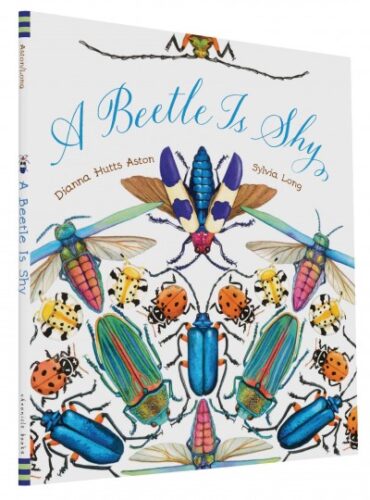
A Beetle Is Shy by Dianna Hutts Aston, ill. Sylvia Long
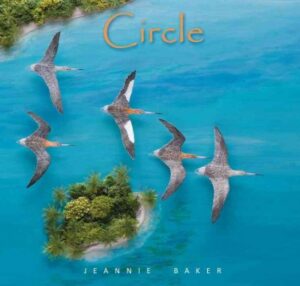
Circle by Jeanne Baker
Cloth Lullaby: The Woven Life of Louise Bourgeois by Amy Novesky, ill. Isabelle Arsenault

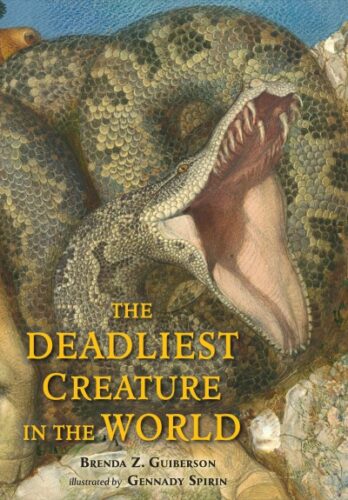
The Deadliest Creature in the World by Brena Z. Guiberson, ill. Gennady Spirin
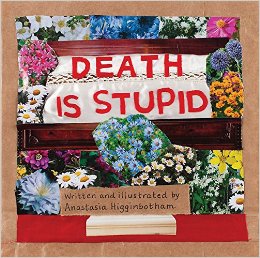
Death Is Stupid by Anastasia Higginbotham
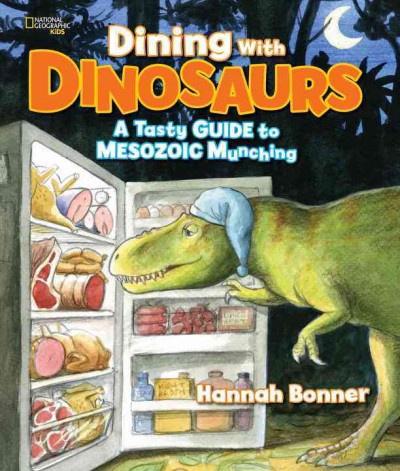
Dining With Dinosaurs: A Tasty Guide to Mesozoic Munching by Hannah Bonner
Does a Fiddler Crab Fiddle? by Corinne Demas & Artemis Roehrig, ill. John Sandford
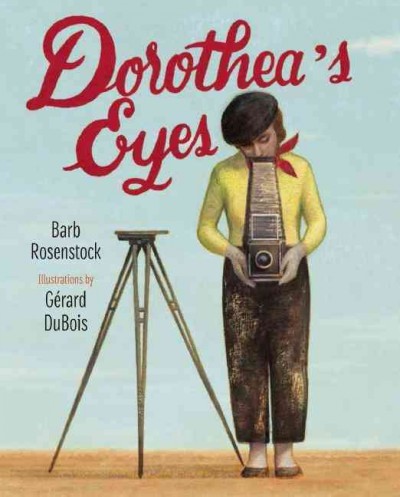
Dorothea’s Eyes by Barb Rosenstock, ill. Gerard DuBois
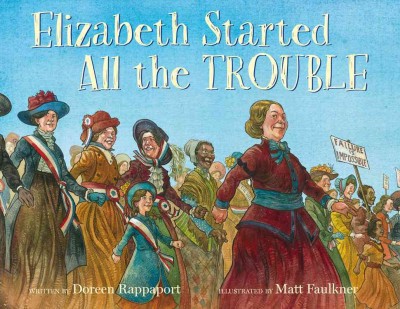
Elizabeth Started All the Trouble by Doreen Rappaport, ill. Matt Faulkner
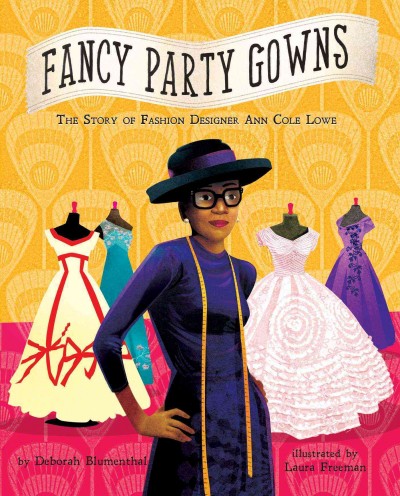
Fancy Party Gowns: The Story of Ann Cole Lowe by Deborah Blumenthal, ill. Laura Freeman
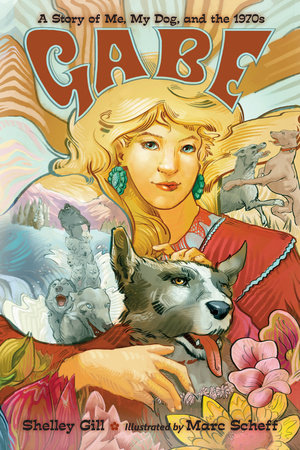
Gabe: A Story of Me, My Dog, and the 1970s by Shelley Gill, ill. Marc Scheff
Grandmother Fish: A Child’s First Book of Evolution by Jonathan Tweet, ill. Karen Lewis
Growing Peace: A Story of Farming, Music, and Religious Harmony by Richard Sobol

If this hasn’t appeared on a list before it’s only because I’ve never found a place to slot it. Though it has elements of biography to it, it’s mostly about sustainable farming, overcoming religious differences, and working together. And since I never made a peace and global studies list (next year?) it shall go here instead.
How Cities Work by James Gulliver Hancock
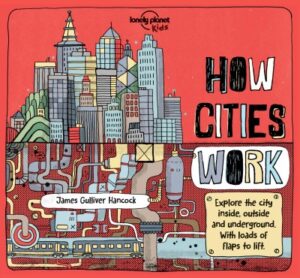
Very keen. It’s a good book to use if you want to describe to a kid how cities form, what they contain, their problems, their solutions, and their future. Lots of lift-the-flap elements as well.
One note – if you’re buying this book for your system through Baker & Taylor, they’ll have a warning note attached saying that there are small parts and that it’s not appropriate for children under the age of three. They sometimes will put this warning on books with small lift-the-flap flaps. I personally think the book is safe, but you may be strict in your policies. FYI.
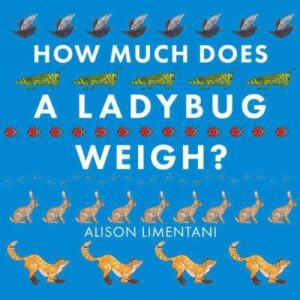
How Much Does a Ladybug Weigh? by Alison Limentani
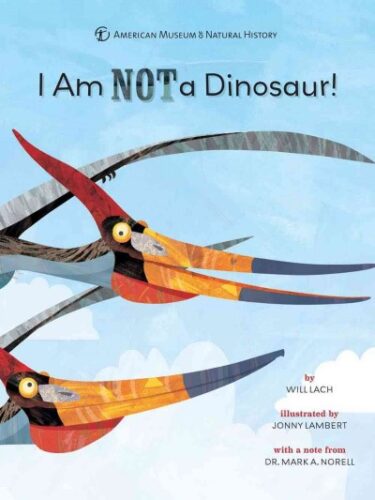
I Am NOT a Dinosaur! by Will Lach, ill. Jonny Lambert
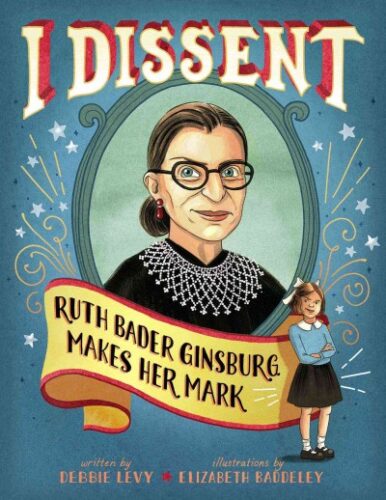
I Dissent: Ruth Bader Ginsburg Makes Her Mark by Debbie Levy, ill. Elizabeth Baddeley
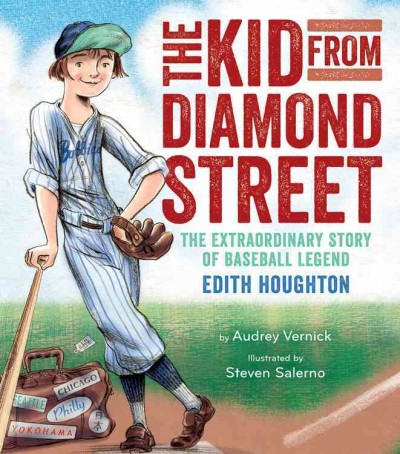
The Kid from Diamond Street: The Extraordinary Story of Baseball Legend Edith Houghton by Audrey Vernick, ill. Steven Salerno
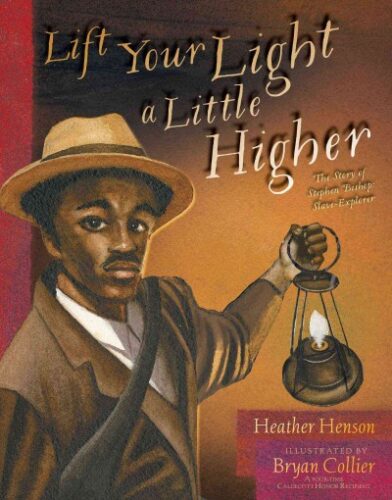
Lift Your Light a Little Higher: The Story of Stephen Bishop: Slave-Explorer by Heather Henson, ill. Bryan Collier
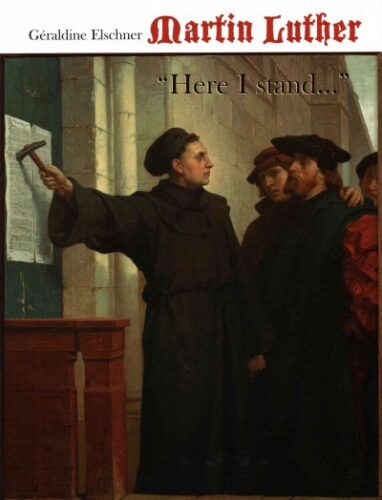
Martin Luther “Here I Stand” by Geraldine Elschner, translated by Kathryn Bishop
The Marvelous Thing That Came from a Spring: The Accidental Invention of the Toy That Swept the Nation by Gilbert Ford
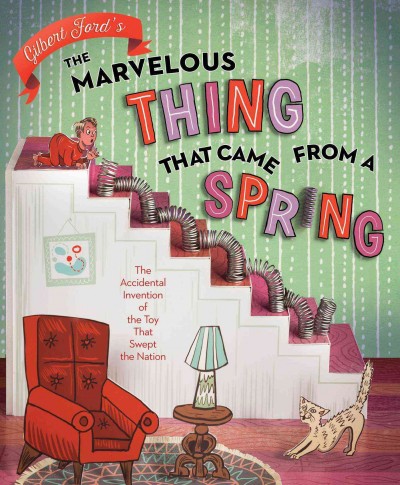
Since the book is focused far more on the invention than the inventor, I couldn’t really put it on the biographical list. So for all that it’s fun and funny and interesting and beautiful (really beautiful) I’ve had to wait until now to put it on any lists. That said, it was worth the wait.
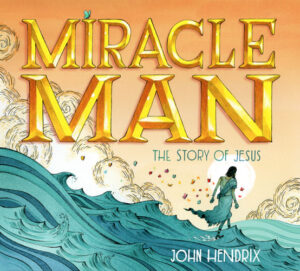
Miracle Man: The Story of Jesus by John Hendrix
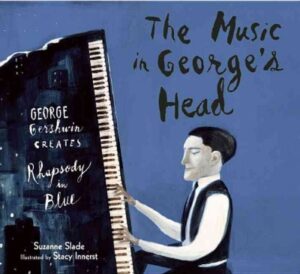
The Music in George’s Head: George Gershwin Creates Rhapsody in Blue by Suzanne Slade, ill. Stacy Innerst
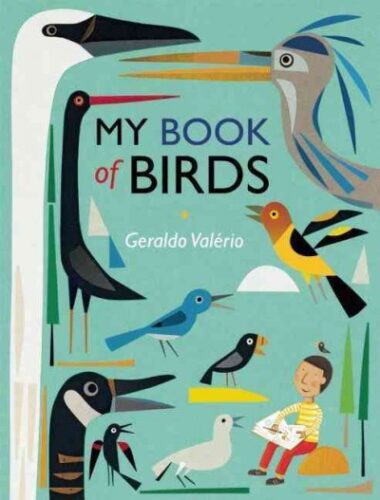
My Book of Birds by Geraldo Valerio
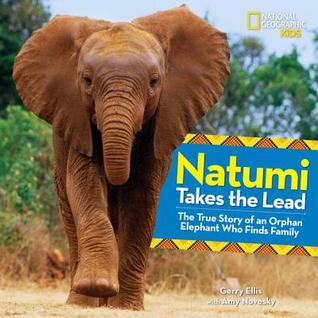
Natumi Takes the Lead: The True Story of an Orphan Elephant Who Finds Family by Gerry Ellis with Amy Novesky
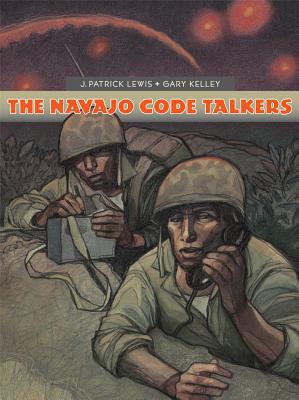
The Navajo Code Talkers by J. Patrick Lewis, ill. Gary Kelley
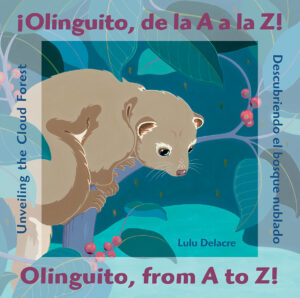
Olinguito, from A to Z! / Olinguito, de la A a la Z! by Lulu Delacre
Otters Love to Play by Jonathan London, ill. Meilo So

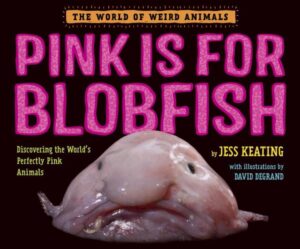
Pink Is for Blobfish: Discovering the World’s Perfectly Pink Animals by Jess Keating, ill. David DeGrand
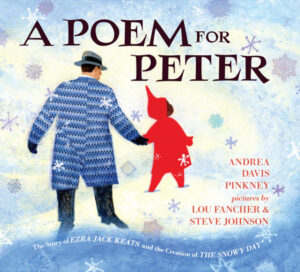
A Poem for Peter: The Story of Ezra Jack Keats and the Creation of The Snowy Day by Andrea Davis Pinkney, ill. Lou Fancher & Steve Johnson
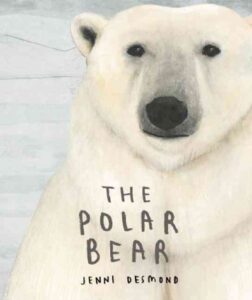
The Polar Bear by Jenni Desmond
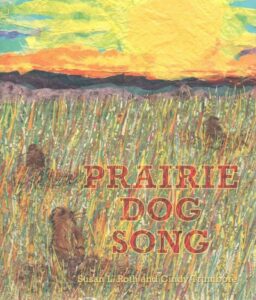
Prairie Dog Song by Susan L. Roth and Cindy Trumbore
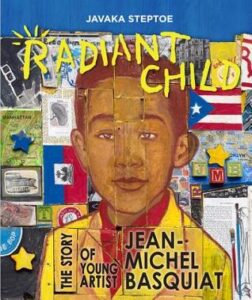
Radiant Child: The Story of Young Artist Jean-Michel Basquiat by Javaka Steptoe
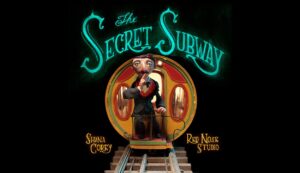
The Secret Subway by Shana Corey, ill. Red Nose Studio
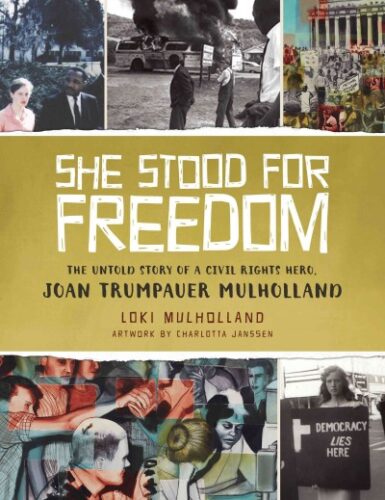
She Stood for Freedom: The Untold Story of a Civil Rights Hero, Joan Trumpauer Mulholland by Loki Mulholland & Angela Fairwell, ill. Charlotta Janssen
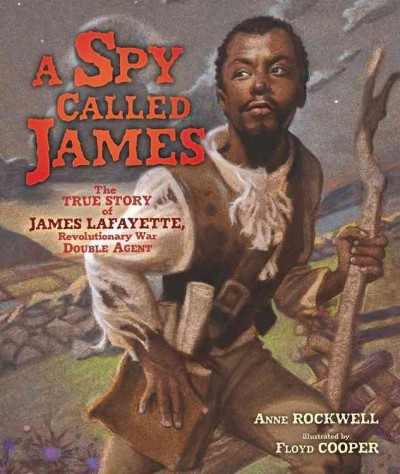
A Spy Called James: The True Story of James Lafayette, Revolutionary War Double Agent by Anne Rockwell, ill. Floyd Cooper
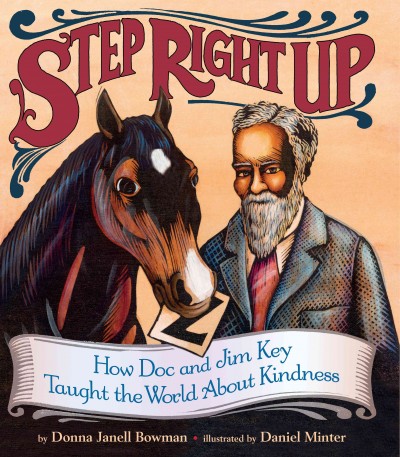
Step Right Up: How Doc and Jim Key Taught the World About Kindness by Donna Janell Bowman, ill. Daniel Minter
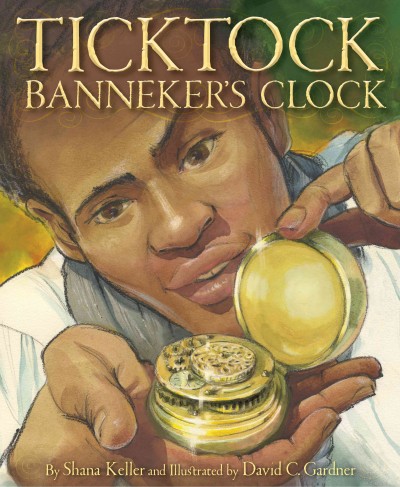
Ticktock Banneker’s Clock by Shana Keller, ill. David C. Gardner
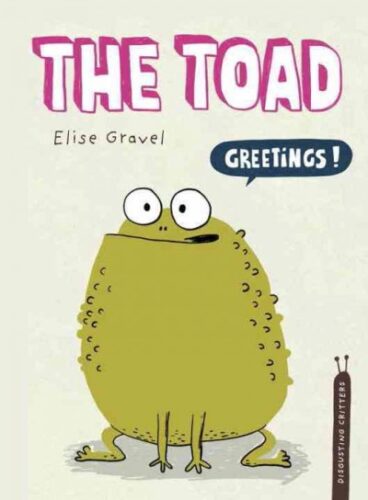
The Toad by Elise Gravel
The Tudors: Kings, Queens, Scribes, and Ferrets! by Marcia Williams

Under Earth / Under Water by Aleksandra Mizielinska and Daniel Mizielinski

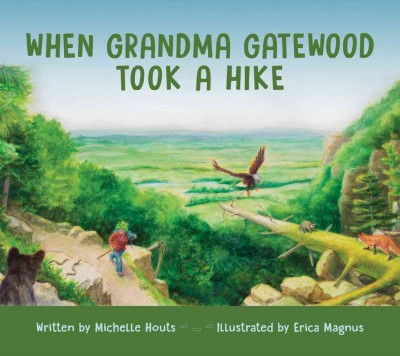
When Grandma Gatewood Took a Hike by Michelle Houts, ill. Erica Magnus
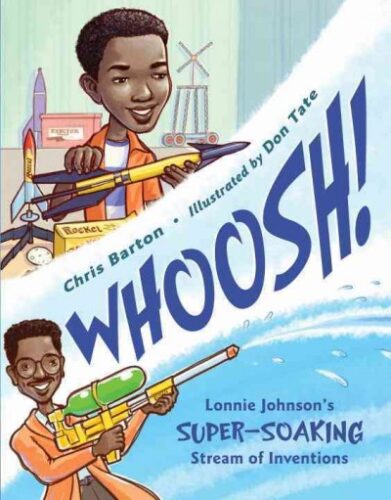
Whoosh! Lonnie Johnson’s Super-Soaking Stream of Inventions by Chris Barton, ill. Don Tate
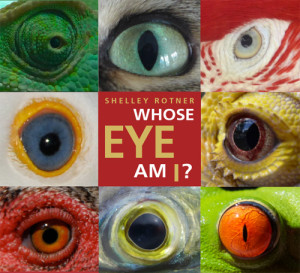
Whose Eye Am I? by Shelley Rotner
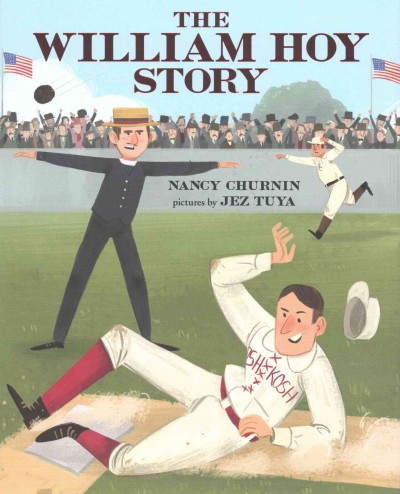
The William Hoy Story by Nancy Churnin, ill. Jez Tuya
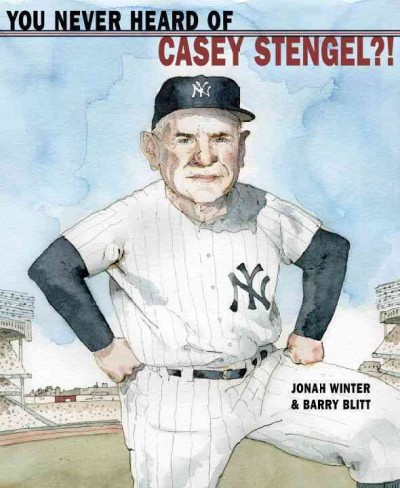
You Never Heard of Casey Stengel?! by Jonah Winter, ill. Barry Blitt
Interested in the other lists of the month? Here’s the schedule so that you can keep checking back:
December 1 – Board Books
December 2 – Board Book Adaptations
December 3 – Nursery Rhymes
December 4 – Picture Book Readalouds
December 5 – Rhyming Picture Books
December 6 – Alphabet Books
December 7 – Funny Picture Books
December 8 – Calde-Nots
December 9 – Picture Book Reprints
December 10 – Math Picture Books
December 11 – Bilingual Books
December 12 – International Imports
December 13 – Books with a Message
December 14 – Fabulous Photography
December 15 – Fairy Tales / Folktales
December 16 – Oddest Books of the Year
December 17 – Older Picture Books
December 18 – Easy Books
December 19 – Early Chapter Books
December 20 – Graphic Novels
December 21 – Poetry
December 22 – Fictionalized Nonfiction
December 23 – American History
December 24 – Science & Nature Books
December 25 – Transcendent Holiday Titles
December 26 – Unique Biographies
December 27 – Nonfiction Picture Books
December 28 – Nonfiction Chapter Books
December 29 – Novel Reprints
December 30 – Novels
December 31 – Picture Books
During the 2016 Boston Globe-Horn Book Colloquium Carol Boston Weatherford and Ekua Holmes spoke together about the art of writing about other people. During the speech they mentioned how part of their job is to break down “the canonical boundaries of biography.” Too often kids read the same biographies about the same people over and over again. The canon, such as it is. There were a bunch of perfectly good biographies out about those folks this year. I prefer the more obscure figures and the people who don’t usually get studied.
On that note, here are the folks from 2016 that got some stellar bios. The ones you probably shouldn’t miss:
2016 Unique Biographies for Kids
Ada Lovelace, Poet of Science: The First Computer Programmer by Diane Stanley, ill. Jessie Hartland
Ada’s Ideas: The Story of Ada Lovelace, the World’s First Computer Programmer by Fiona Robinson
It’s a twofer! Ask for one Ada Lovelace biography, get two! Which one do I like better? According to my notes . . . my notes say I liked both of them equally. We had some in 2015 as well, it occurs to me. Does that mean we’ll get even more in 2017? Stranger things have happened.
By the way, I heard the most amusing complaint the other day that Ada gets all the bios for kids and Babbage gets none. I’ll just let you process that one in your brain yourself.
Anything But Ordinary: The True Story of Adelaide Herman, Queen of Magic by Mara Rockliff, ill. Iacopo Bruno
Lots of reason to love this. Rockliff did a lot of original research to learn about this early female magician and her most magnificent and infamous trick. Iacopo Brunos’ art just add to the lustre, since he produces gorgeous art and gets very little public appreciation for it. Luscious.
Are You an Echo?: The Lost Poetry of Misuzu Kaneko by David Jacobson, ill. Toshikado Hajiri, translations by Sally Ito and Michiko Tsuboi
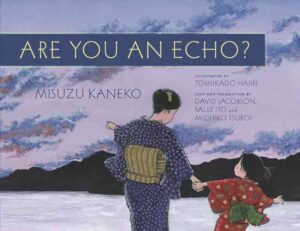
How many other lists can I get this on? At least one more, I think . . .
Cloth Lullaby: The Woven Life of Louise Bourgeois by Amy Novesky, ill. Isabelle Arsenault
You might remember Cloth Lullaby from such previous lists as 2016 Calde-nots (solely because the illustrator doesn’t reside here). It’s hard to pinpoint why exactly I like it so much, apart from the art. Maybe it’s the fact that it shows that art springs from inside you and comes out in all kinds of original, eclectic, interesting ways.
Dorothea’s Eyes by Barb Rosenstock, ill. Gerard DuBois
Photographers do get pic bios, but I’m still holding out for Weegee. Dorothea Lange will do in a pinch, though.
Esquivel! Space-Age Sound Artist by Susan Wood, ill. Duncan Tonatiuh
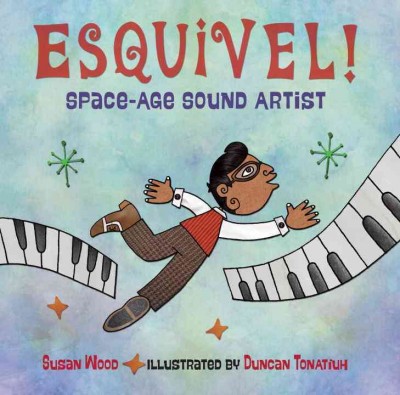
I love that I live in a world where a picture biography of a lounge music composer can even exist.
Fancy Party Gowns: The Story of Ann Cole Lowe by Deborah Blumenthal, ill. Laura Freeman
I had this sitting on my desk and someone walked past, saw the dresses, and then started cooing about the ones they knew. Very cool.
The First Step: How One Girl Put Segregation on Trial by Susan E. Goodman, ill. E.B. Lewis
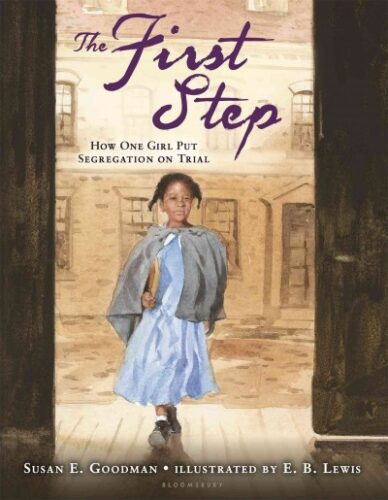
A biography of a kid! Once in a while a child will be assigned such a thing. Ruby Bridges can only be discussed by so many children. Nice to have some (much earlier) alternatives.
Gabe: A Story of Me, My Dog, and the 1970s by Shelley Gill, ill. Marc Scheff
Technically this is an autobiography and not a biography but the psychedelic, nutty, dog-loving nature of this (which is to say, its awesomeness) compels me to include it.
I Dissent: Ruth Bader Ginsburg Makes Her Mark by Debbie Levy, ill. Elizabeth Baddeley
The first, I am sure, of many such biographies to exist.
Indian Boyhood: The True Story of a Sioux Upbringing by Charles Eastman, ill. Heidi M. Rasch

A new edition of a title that was released more than a hundred years ago. Debbie Reese included an earlier republication on her list of Recommended Children’s/YA/Reference/Resource Books, FYI.
The Kid from Diamond Street: The Extraordinary Story of Baseball Legend Edith Houghton by Audrey Vernick, ill. Steven Salerno
Poor sports books. They just don’t really come out all that often. Particularly if they’re about women. This one was fun and light-hearted, something we could all read once in a while.
Martin Luther “Here I Stand” by Geraldine Elschner, translated by Kathryn Bishop
2017 will mark the 500th anniversary of the Reformation. If you’ve any kind of an older kid who wants to know more about that, start here.
Mountain Chef: How One Man Lost His Groceries Changed His Plans, and Helped Cook Up the National Park Service by Annette Bay Pimentel, ill. Rich Lo
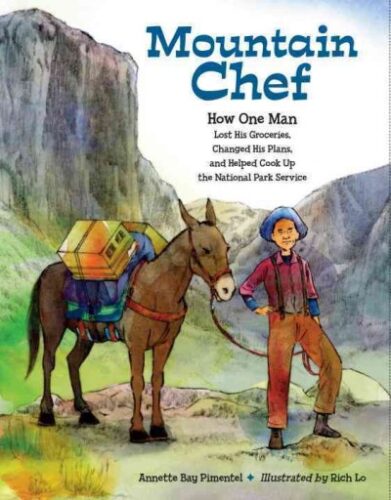
A rather fascinating story of the Chinese-American chef who worked in what many might consider impossible circumstances. We do not HAVE a huge number of older Chinese-American biographies on our shelves. But we have this now, and that is good.
The Music in George’s Head: George Gershwin Creates Rhapsody in Blue by Suzanne Slade, ill. Stacy Innerst
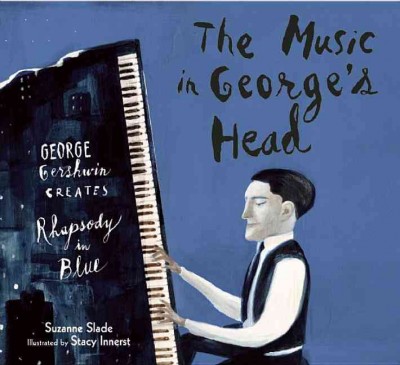
Very fun and peppy. I would have loved an accompanying CD but I suppose it’s not too hard to find the titular song if you really look.
A Poem for Peter: The Story of Ezra Jack Keats and the Creation of The Snowy Day by Andrea Davis Pinkney, ill. Lou Fancher & Steve Johnson
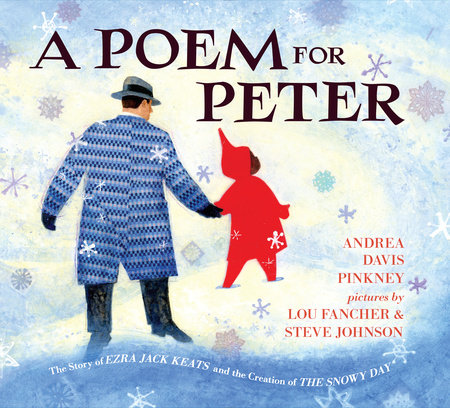
A lovely ode to a lovely man.
Presenting Buffalo Bill: The Man Who Invented the Wild West by Candace Fleming
I still think the Newbery committee needs to seriously consider this book. Distinguished hardly even covers it.
Radiant Child: The Story of Young Artist Jean-Michel Basquiat by Javaka Steptoe
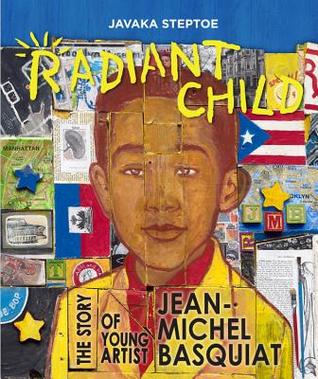
And speaking of major literary awards, oh, Caaaaaaaldecott committee . . .
Sachiko: A Nagasaki Bomb Survivor’s Story by Caren Stelson
Nominated for a National Book Award, it’s amazing. And, very unfortunately, very timely at this precise moment in history.
She Stood for Freedom: The Untold Story of a Civil Rights Hero, Joan Trumpauer Mulholland by Loki Mulholland & Angela Fairwell, ill. Charlotta Janssen
A Civil Rights activist has her story told, and published, by her own children. And what did YOU get your mom this holiday season, hmmmm?
A Spy Called James: The True Story of James Lafayette, Revolutionary War Double Agent by Anne Rockwell, ill. Floyd Cooper
Basically, you hand this book to the kids currently obsessed with Hamilton. LOTS of Lafayette for them to enjoy, and a hero worth remembering.
Step Right Up: How Doc and Jim Key Taught the World About Kindness by Donna Janell Bowman, ill. Daniel Minter
I wish I had reviewed this book this year. I’m not a horsey girl, and even I thik this is an amazing story. Basically it challenges our ideas of what an animal can and cannot learn while celebrating a pretty fascinating man as well.
Ticktock Banneker’s Clock by Shana Keller, ill. David C. Gardner
When I was a kid I had to memorize a song about Benjamin Banneker. These kids no one ever seems to study him. I’m just pleased that there’s a new bio of him out now. Let’s get more!
What Milly Did by Elise Moser, ill. Scot Ritchie
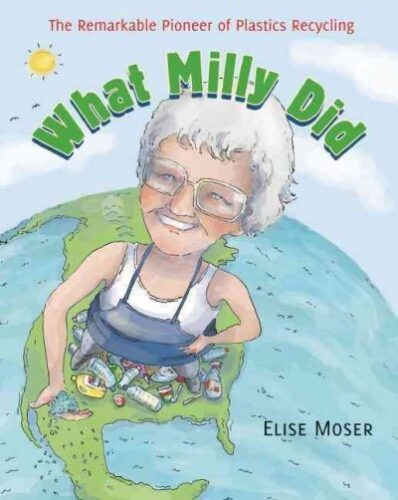
What did she do? Basically made it possible for you to recycle your plastic. You’re welcome.
When Grandma Gatewood Took a Hike by Michelle Houts, ill. Erica Magnus
And in other elderly woman news, Gatewood became famous for hiking more than any other person in the country. Crazy inspiring story, this.
Whoosh! Lonnie Johnson’s Super-Soaking Stream of Inventions by Chris Barton, ill. Don Tate
Geez, I loved this book. I love books that celebrate real inventors and Barton makes the guy sound so approachable. You’ll love him by the time you get to the end.
The William Hoy Story by Nancy Churnin, ill. Jez Tuya
Not the first Hoy bio I’ve ever seen, but I’m happy we’ve a variety to choose from now.
You Never Heard of Casey Stengel?! by Jonah Winter, ill. Barry Blitt
How crazy is it that this is the first picture book biography of the guy I’ve ever encountered? Winter has a blast with the subject matter. I wonder if he’ll ever consider doing one of Yogi Berra . . .
Interested in the other lists of the month? Here’s the schedule so that you can keep checking back:
December 1 – Board Books
December 2 – Board Book Adaptations
December 3 – Nursery Rhymes
December 4 – Picture Book Readalouds
December 5 – Rhyming Picture Books
December 6 – Alphabet Books
December 7 – Funny Picture Books
December 8 – Calde-Nots
December 9 – Picture Book Reprints
December 10 – Math Picture Books
December 11 – Bilingual Books
December 12 – International Imports
December 13 – Books with a Message
December 14 – Fabulous Photography
December 15 – Fairy Tales / Folktales
December 16 – Oddest Books of the Year
December 17 – Older Picture Books
December 18 – Easy Books
December 19 – Early Chapter Books
December 20 – Graphic Novels
December 21 – Poetry
December 22 – Fictionalized Nonfiction
December 23 – American History
December 24 – Science & Nature Books
December 25 – Transcendent Holiday Titles
December 26 – Unique Biographies
December 27 – Nonfiction Picture Books
December 28 – Nonfiction Chapter Books
December 29 – Novel Reprints
December 30 – Novels
December 31 – Picture Books
Note that I didn’t specify which holidays, of course. These are just the books I think did a slam bang job of lauding their respective days of celebration. Enjoy one and all!
2016 Transcendent Holiday Titles
Babushka: A Christmas Tale by Dawn Casey, ill. Amanda Hall
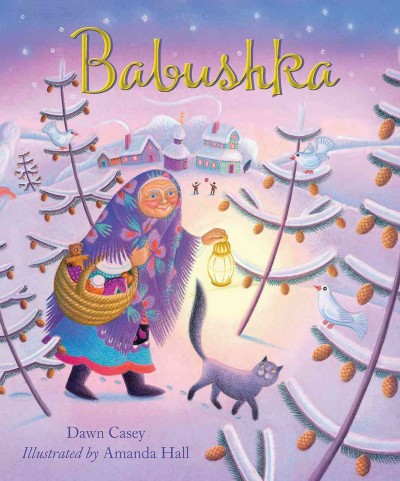
Oh, certainly this isn’t the first Babushka title you’ve ever encountered in your life . . . or is it? It’s certainly the cheeriest I’ve seen. And lovely too.
Christmas in the Barn by Margaret Wise Brown, ill. Anna Dewdney
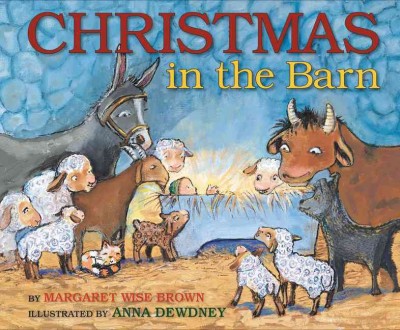
Anna Dewdney left us in 2016. One of the many losses we’ve had to swallow. Be comforted then that she did a really stand up and cheer job on this old Margaret Wise Brown book. A nice take on an old classic.
The Christmas Story by Robert Sabuda
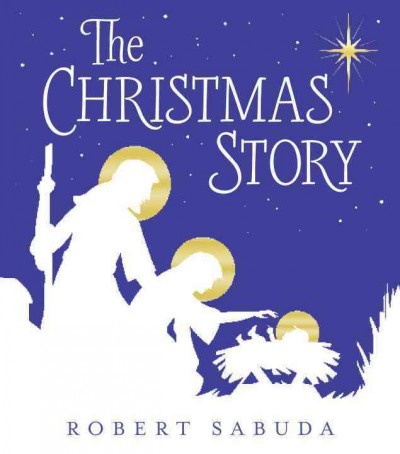 For you pop-up lovers. Of course Sabuda got his start with a pop-up Christmas book (The Christmas Alphabet, if I’m not much mistaken). This just makes sense as a natural companion.
Christmas for Greta and Gracie by Yasmeen Ismail
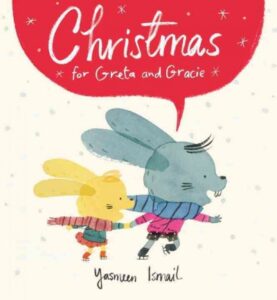
Okay. Stand back. I’m going to say it.
Most emotionally honest children’s book with a Christmas theme since The Best Christmas Pageant Ever.
That is all.
Groundhog’s Runaway Shadow by David Biedrzycki
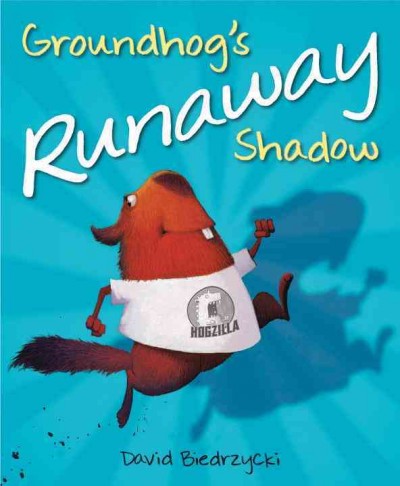
Lest you fear this is an entirely Christmas-related list (it’s alphabetical which skews it a little at the start). I love Groundhog’s Day books and we get about one to two a year. This one’s worth the price of admission.
Hanukkah Delight! By Leslea Newman, ill. Amy Husband
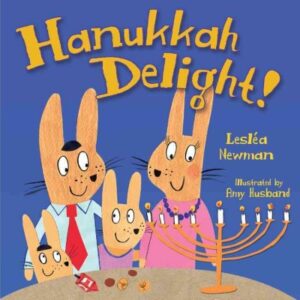
A board book and a bloody good one too. And trust me, there’s a need. Great Hanukkah board books aren’t exactly a dime a dozen.
Hanukkah with Uncle Reuben: Not Santa . . . (But Not Bad) by Mark Tuchman

The only mystery with this book is how it hasn’t been picked up by a major publisher yet. Consider it your culturally sensitive alternative to Shmelf the Elf.
The Lost Gift: A Christmas Story by Kallie George, ill. Stephanie Graegin
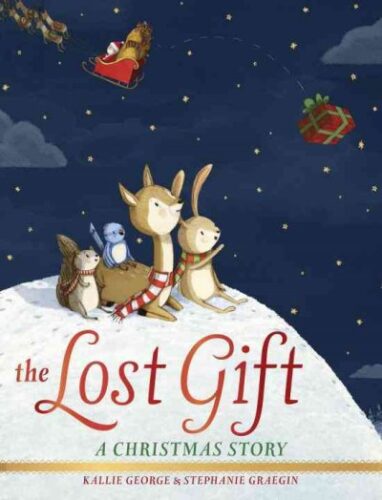
I’m not the kind of reader who goes in for cute little furry animals delivering lost Christmas presents on their own, but this book isn’t cloying. It’s cute, but it comes by its adorableness honestly. Kudos George & Graegin!
Maple and Willow’s Christmas Tree by Lori Nichols
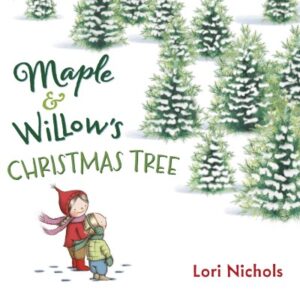 Heartfelt is hard. Of all the Maple & Willow books, I like this one best. Not hard to see why.
More Than Enough: A Passover Story by April Halprin Wayland
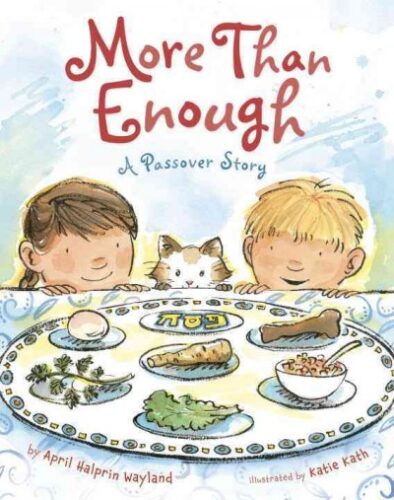
When Marjorie Ingall wrote up her The Best Jewish Children’s Books of 2016 list (THE best list to go to each and every year for all things Jewish) she alerted me to this book. I was able to locate it pretty quickly and I’m awfully glad I did. Here’s what Marjorie had to say about it: “We see a young family shopping, preparing for and celebrating the holiday, announcing ‘dayenu’ regularly along the way. In an afterword, Wayland explains the meaning of the word, outlines the elements of the Seder, and notes that ‘dayenu’s message—being grateful for the blessings in each moment—goes beyond Passover. It’s a concept I hold in my heart when I’m on a beautiful hike, when I’m biking with my family, when I’m petting my kitty.’ A good reminder for all of us.”
The Nutcracker by Kate Davies, ill. Niroot Puttapipat
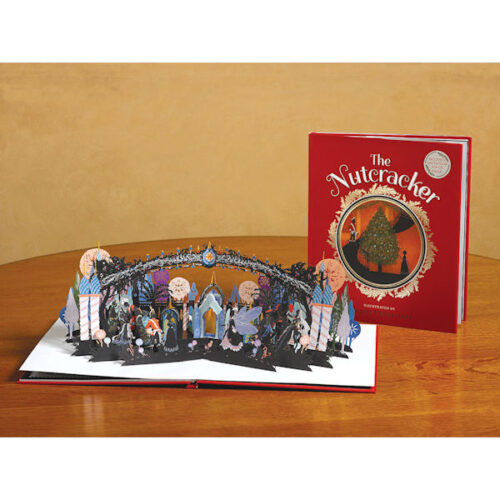 Clearly I’m a pop-up sucker, but this really and truly is one of the best Nutcrackers you’ll ever buy. I mean, just LOOK at that ending!
Potatoes at Turtle Rock by Susan Schnur and Anna Schnur-Fishman, ill. Alex Steele-Morgan
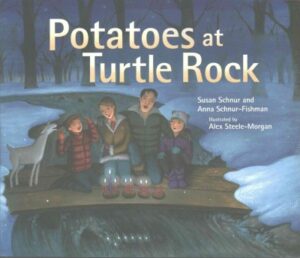
If you buy only one book by a tattooed female rabbi this year . . .
Refuge by Anne Booth, ill. Sam Usher
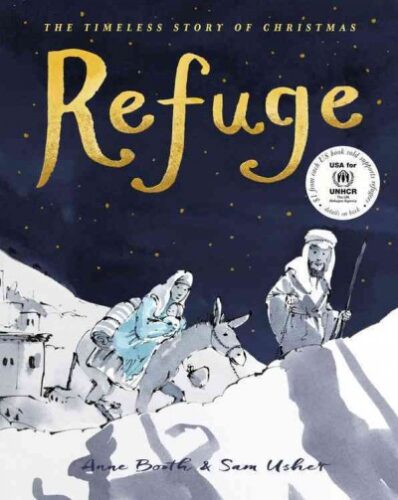
That this book isn’t better known is shocking to me. It draws direct comparisons between refugees and a certain fleeing couple and their newborn babe. $1 from the sale of each book sold until October 2017 will go to the UN refugee agency, UNHCR.
A Teeny Tiny Halloween by Lauren L. Wohl, ill. Henry Cole
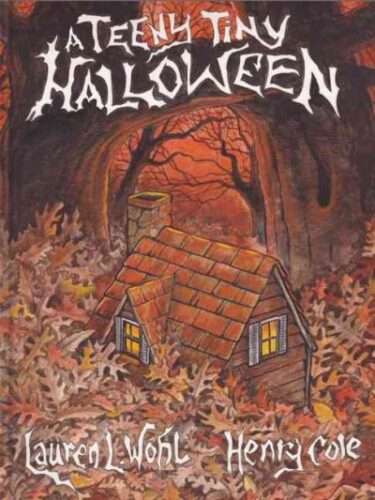
For all that Halloween is my favorite holiday of the year, in a lot of ways, this was the only book that really did it for me in 2016. A great rendition of a classic.
Yitzi and the Giant Menorah by Richard Ungar
Funny and smart. And now, naturally, I have the Steven Universe song “Giant Woman” caught in my head, though now it’s with the words “Giant Menorah” instead.
Interested in the other lists of the month? Here’s the schedule so that you can keep checking back:
December 1 – Board Books
December 2 – Board Book Adaptations
December 3 – Nursery Rhymes
December 4 – Picture Book Readalouds
December 5 – Rhyming Picture Books
December 6 – Alphabet Books
December 7 – Funny Picture Books
December 8 – Calde-Nots
December 9 – Picture Book Reprints
December 10 – Math Picture Books
December 11 – Bilingual Books
December 12 – International Imports
December 13 – Books with a Message
December 14 – Fabulous Photography
December 15 – Fairy Tales / Folktales
December 16 – Oddest Books of the Year
December 17 – Older Picture Books
December 18 – Easy Books
December 19 – Early Chapter Books
December 20 – Graphic Novels
December 21 – Poetry
December 22 – Fictionalized Nonfiction
December 23 – American History
December 24 – Science & Nature Books
December 25 – Transcendent Holiday Titles
December 26 – Unique Biographies
December 27 – Nonfiction Picture Books
December 28 – Nonfiction Chapter Books
December 29 – Novel Reprints
December 30 – Novels
December 31 – Picture Books
There were no science books on the YALSA Award for Excellence in Nonfiction for 2016. Nor in 2015. Nor 2014. Bomb in 2013 was sort of a science book, so we’ll count that. And Moonbird that year certainly was. Yet it’s often surprising how consistently science and nature get overlooked when they’re handing out awards for nonfiction. According to my sources, science writers are complaining about this fact, and with good reason. When you create an award for nonfiction and then hand it consistently to biographies, you are, however unintentionally, sending a message.
On the children’s side of things the Robert F. Sibert Medal fares a bit better. In 2016 none of the books were science or nature related, but in 2015 we had Neighborhood Sharks and in 2014 Parrots Over Puerto Rico by Susan L. Roth and Cindy Trumbore actually took home the Medal itself with Look Up! Bird-Watching in Your Own Backyard by Annette LeBlanc Cate getting an Honor. You go, Sibert committees!
In their honor, I dedicate today’s list to the lovely science and nonfiction books that were published in 2016 with a hat tip to Melissa Stewart for inspiring me to do this list in the first place.
2016 Science and Nature Books for Kids
FICTION PICTURE BOOKS
Honoring those books willing to add a little science and nature in their mix. Extra points for backmatter.
Ada Twist: Scientist by Andrea Beaty
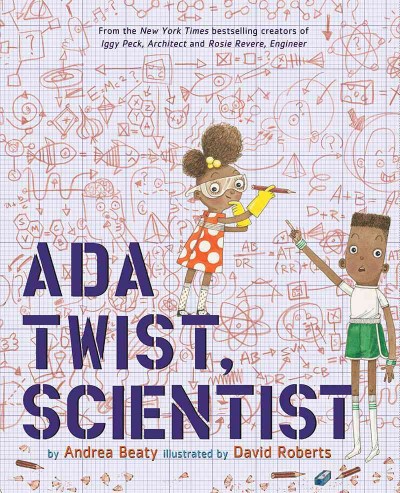
Unless I’m much mistaken, she’s still topping the New York Times bestseller list in the picture book category. I’ll give you some moments to take in the vast implications of this. Pairs particularly well with the upcoming film Hidden Figures.
Baby Loves: Aerospace Engineering!/Quarks! by Ruth Spiro, ill. Irene Chan

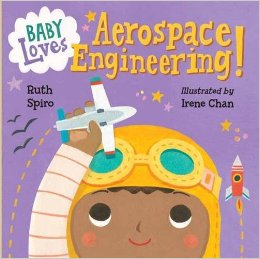
I defended this to you when I put it on the board book list, and I’d willingly do so now. Don’t just assume that due to their format these are meant solely for babies. It’s a kitchy idea that yields a lot of plum rewards. Big concepts are broken down for young people. I can get behind that.
Because of an Acorn by Lola M. Schaefer & Adam Schaefer, ill. Frann Preston-Gannon
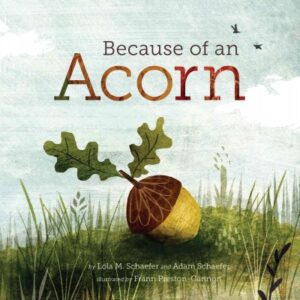
It’s the ciiiiiiircle of liiiiiife . . . and it mooooooves us alllllllll . . .
Coyote Moon by Maria Gianferrari, ill. Bagram Ibatoulline
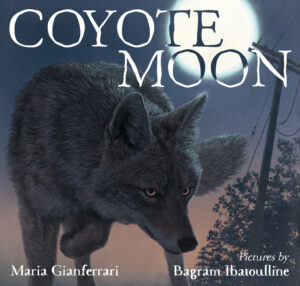
Apparently coyotes roam my own neighborhood’s streets in the summer. I’ve never seen them, but I’m willing to believe it. Jaw-droppingly gorgeous with a surprisingly gripping text, this is sort of like a more fictionalized version of the aforementioned Neighborhood Sharks, only this time with coyotes. In hindsight, I should have put this on the readaloud list too. GREAT readalouding.
Faraway Fox by Jolene Thompson, ill. Justin K. Thompson
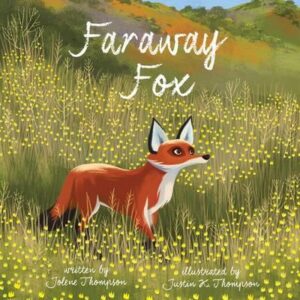
The book follows a single fox blocked off from its fellows by a highway. Humans construct a tunnel under the road for wildlife and the fox is reunited with its kind. Information appears at the end about the real world tunnels, how they are constructed, and some of the challenges they fact. The art, for the record, is also a real draw here. Luscious.
Follow the Moon Home: A Tale of One Idea, Twenty Kids, and a Hundred Sea Turtles by Philippe Cousteau & Deborah Hopkinson, ill. Meilo So
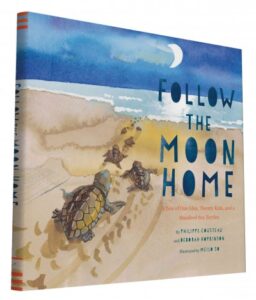
The only Meilo So book out this year? Nope, there’s one coming up later (see if you can guess what it is). Here, a girl attempts to save loggerhead sea turtle babies from man-made light, which means she has to engage in some pretty serious activism. A very cool story, and one I’ve not seen told before.
From Wolf to Woof!: The Story of Dogs by Hudson Talbott
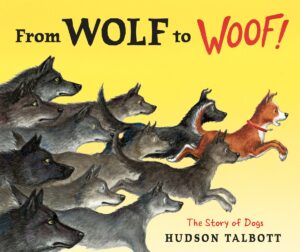
This pairs particularly well with . . .
Grandmother Fish: A Child’s First Book of Evolution by Jonathan Tweet, ill. Karen Lewis
. . . this book. Both cover evolution to a certain extent. This scrappy little Kickstarter title covers ground that few books have on evolution.
Mad Scientist Academy: The Weather Disaster by Matthew McElligott
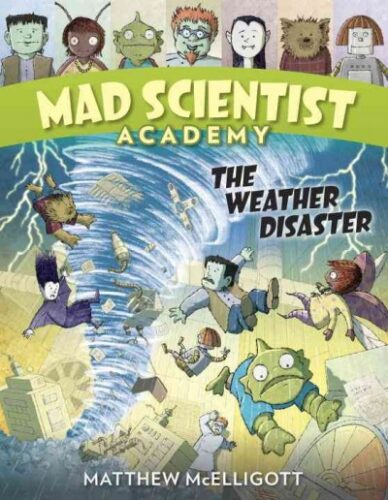
Not a lot of good weather books out this year. This one’s filling a 2016 gap.
Octopus Escapes Again by Laurie Ellen Angus
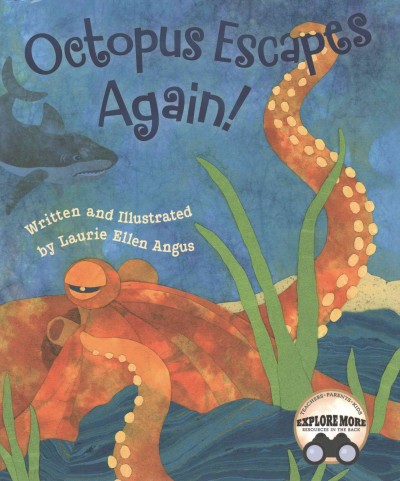
I’m oddly partial to this adorable book and the creature behind it. Always makes me think of this stranger still video, of course.
Olinguito, from A to Z! / Olinguito, de la A a la Z! by Lulu Delacre
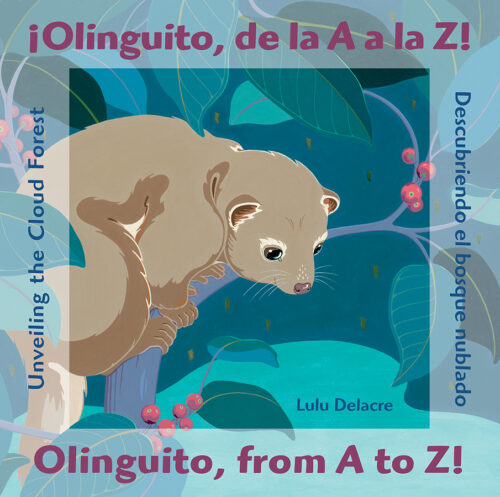
Sure, it’s an alphabet book. Sure it’s bilingual. But it’s actually a really delightful trip into the cloud forest to talk about “discovering” a new animal. Drills home to kids the fact that this is still being done today, barring the destruction of said cloud forest.
Otters Love to Play by Jonathan London, ill. Meilo So
It’s the second Meilo So title on this list today! Hooray! And otters basically just sell themselves. In writing this part of today’s list I just wasted a lot of time watching otters on YouTube for inspiration (have you seen the one of the baby sleeping on its mommy?). In any case, this lives up to its subject matter.
NONFICTION CHILDREN’S BOOKS
Animals by the Numbers: A Book of Infographics by Steve Jenkins
I just recommended this book to a colleague looking for a book to give to a 7-year-old who loves facts and figures and animals too. Couldn’t have come up with anything better! Plus, it’s where I learned that the peregrine falcons that nest on my library every year are the fastest birds in the world.
A Beetle Is Shy by Dianna Hutts Aston, ill. Sylvia Long
This is a long-standing series but it doesn’t appear to be slowing down in any way, shape, or form. Distinctly fabulous.
The Deadliest Creature in the World by Brena Z. Guiberson, ill. Gennady Spirin
I’m a sucker for a Guiberson/Spirin combo any day of the week. Actually, I’m a sucker for Spirin, period, but his work with Guiberson over the years has never produced a melon. Plus, how do you top that title? Answer: You don’t.
Deep Roots: How Trees Sustain Our Planet by Nikki Tate
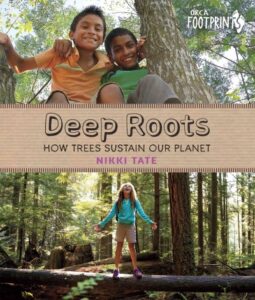
I was blown away with this book. Seriously floored. You go into it thinking it’s just another gee-aren’t-trees-great title and what you get instead is this enormously in-depth, serious consideration of how they contribute to the earth. We’ve all heard the statistics on how much oxygen in the atmosphere they produce, but this was the first children’s book I’ve ever read that attempted to explain precisely how their root system works. I’d listened to a RadioLab episode (From Tree to Shining Tree) that explained this and I’m still shocked by the implications. Well done Ms. Tate for filling this book with such pertinent, incredibly up-to-date information!
Dining With Dinosaurs: A Tasty Guide to Mesozoic Munching by Hannah Bonner
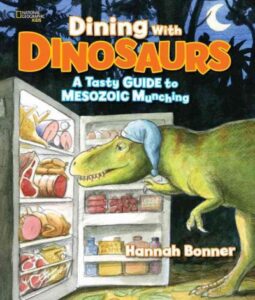
I’m not just sticking this on here because I need a dino title. Trust me, my library shelves are good in that area. But this took a distinctly deep and delightful look at a topic I would have told you had already been covered. Turns out, not so much. A must-add.
Does a Fiddler Crab Fiddle? by Corinne Demas & Artemis Roehrig, ill. John Sandford
I honestly thought the book was just going to start with fiddler crab and then move on to other animals with evocative names. Nope. Demas and Roehrig are in it for the long haul. The long fiddler crab haul. Good on them!
Feathered Dinosaurs by Brenda Z. Guiberson, ill. William Low
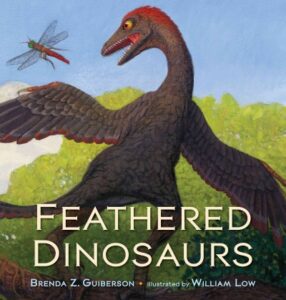
Because you can’t have enough dinosaurs. Or enough Guiberson, for that matter.
Flying Frogs and Walking Fish: Leaping Lemurs, Tumbling Toads, Jet-Propelled Jellyfish, and More Surprising Ways That Animals Move by Steve Jenkins and Robin Page
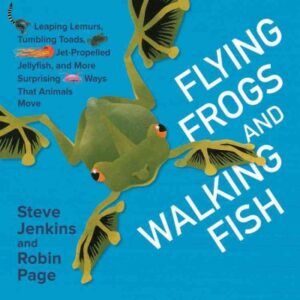
I’d cut that title way way down, but that’s the only thing I’d cut from this highly engaging title (plus it’s always great to see Jenkins and Page working together again).
How Much Does a Ladybug Weigh? by Alison Limentani
I put this on the math list not too long ago, but it’s also a really interesting, very young, science title. When you consider how much each animal weighs, you find yourself having your assumptions consistently challenged. Math and science = best buds.
I Am NOT a Dinosaur by Will Lach, ill. Jonny Lambert
My college, for whatever reason, owned the skeleton of a giant sloth. I remember seeing it for the first time on display, just utterly baffled by what I was looking at. Sloths were giants once? If you’ve a kid, hand them this book and they’ll be able to know this information far sooner than my sad college-aged self.
If You Are a Kaka, You Eat Doo Doo: And Other Poop Tales from Nature by Sara Martel, ill. Sara Lynn Cramb
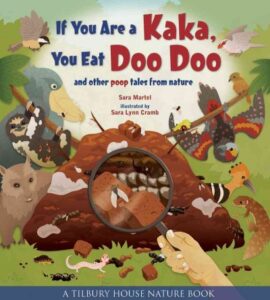
That title’s gonna turn off a bunch of folks right from the start. Maybe that’s not the worst thing, since it really is a book entirely about poop. That said, it’s not gross about it. I mean, there are gross things in it (one word: smearing) but they’re presented in a very matter-of-fact way. If you buy only one poop book this year . . .
My Book of Birds by Geraldo Valerio
Shockingly lovely from start to finish. A science picture book coffee table book, if you take my meaning.
Natumi Takes the Lead: The True Story of an Orphan Elephant Who Finds Family by Gerry Ellis with Amy Novesky
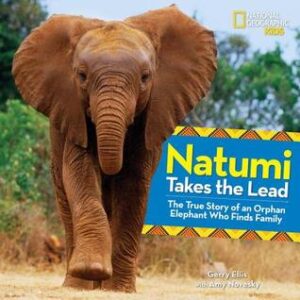
Such a good story, and a good readaloud too. I’d normally avoid any book that traipses this close to anthropomorphism but Gerry and Amy are very careful to place everything in terms true to a baby elephant. Could actually work as a graduation gift picture book as well, come to think of it.
Pink Is for Blobfish: Discovering the World’s Perfectly Pink Animals by Jess Keating, ill. David DeGrand
Not solely about the blobfish, alas, but still worth your time thanks to the sheer number of facts packed into these pages.
Plants Can’t Sit Still by Rebecca E. Hirsch, ill. Mia Posada
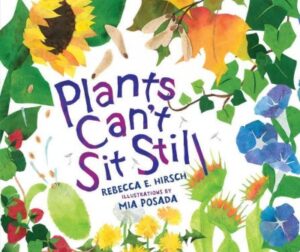
A cute premise. Shows all the different ways that plants get up and go go go!
The Polar Bear by Jenni Desmond
Though it’s not sourced properly (no backmatter to speak of) this is still a truly gorgeous book. It’s the kind of title you can use to either sate the polar bear needs of a true fans, or lure other readers into adoring.
Prairie Dog Song: The Key to Saving North America’s Grasslands by Susan L. Roth and Cindy Trumbore
The prairie, its life, its history, and its possible future are all discussed in this beautifully rendered little book.
The Toad by Elise Gravel
I’m a big fan of all the Gravel series titles. Of the titles out this year, the toad stole my heart. Maybe because I used to catch them in my backyard as a kid. Maybe just because this book’s the funniest.
The Tragic Tale of the Great Auk by Jan Thornhill
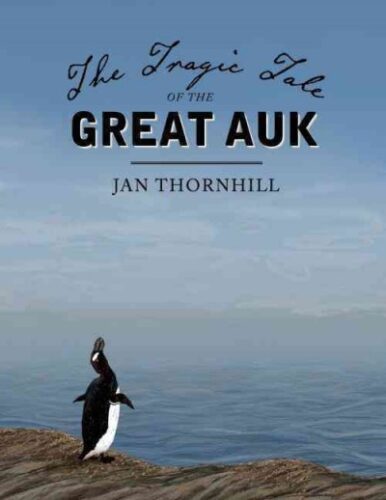
I’m a little ashamed to admit that I had no idea what a Great Auk even was before I read this book. Or, for that matter, that they were gone. Sometimes it feels like the passenger pigeon and the dodo get all the press. Poor auks.
Under Earth / Under Water by Aleksandra Mizielinska and Daniel Mizielinski
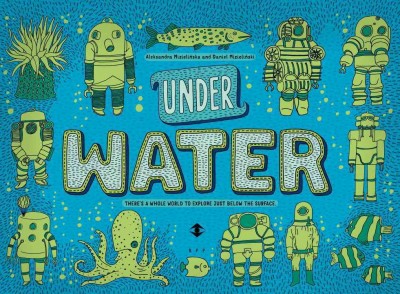
Leave it to the Polish to do something this cool. My kids just dive into this book (no pun intended) since there are so many tiny elements to adore. Again, no backmatter to speak of (European nonfiction titles have that in common) but still awesome. And huge!
What Milly Did: The Remarkable Pioneer of Plastics Recycling by Elise Moser, ill. Scot Ritchie
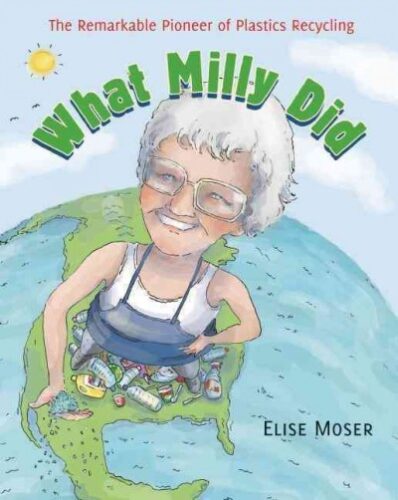
Ever stop to consider the fact that recycling plastics is a relatively new idea? How did it get officially started by vast numbers of cities around the country? A little old woman figured it all out. I love unexpected heroines.
Whoosh! Lonnie Johnson’s Super-Soaking Stream of Inventions by Chris Barton, ill. Don Tate
I’m keen on unexpected heroes too. This book is great because it shows that you don’t have to come up with polio vaccine to be considered an inventor. Plus this guy (A) made something cool and (B) is still alive! Once in a while you get a kid in your library who has to check out a bio on someone still alive. Now you’ve an ace in your back pocket.
Whose Eye Am I? by Shelley Rotner

Look them in the eye and tell them you’re not interested in this book. Go on. Tell them.
Interested in the other lists of the month? Here’s the schedule so that you can keep checking back:
December 1 – Board Books
December 2 – Board Book Adaptations
December 3 – Nursery Rhymes
December 4 – Picture Book Readalouds
December 5 – Rhyming Picture Books
December 6 – Alphabet Books
December 7 – Funny Picture Books
December 8 – Calde-Nots
December 9 – Picture Book Reprints
December 10 – Math Picture Books
December 11 – Bilingual Books
December 12 – International Imports
December 13 – Books with a Message
December 14 – Fabulous Photography
December 15 – Fairy Tales / Folktales
December 16 – Oddest Books of the Year
December 17 – Older Picture Books
December 18 – Easy Books
December 19 – Early Chapter Books
December 20 – Graphic Novels
December 21 – Poetry
December 22 – Fictionalized Nonfiction
December 23 – American History
December 24 – Science & Nature Books
December 25 – Transcendent Holiday Titles
December 26 – Unique Biographies
December 27 – Nonfiction Picture Books
December 28 – Nonfiction Chapter Books
December 29 – Novel Reprints
December 30 – Novels
December 31 – Picture Books
For a year or two I helped sit on the committee for the New York Historical Society’s book prize. Each year it goes to books that, “… honor the best children’s historical literature and encourage authors to continue to create engaging and challenging narratives that provide a window into the past for middle readers and their families.” And, oh ye poor starving middle grade historical fiction writers, it gives you a whopping $10,000, so get your publishers to submit your name next year.
I’m in Illinois now, but I miss it. It used to be that I’d gather up a bunch of names of potential candidates each year. The books would have to highlight a specific moment in American history. After all, just because a book is set in the past, that doesn’t mean it’s necessarily saying something about a distinct historical moment. And when I started putting these lists together, I thought about doing the same thing. Only this time I’m going to include picture books as well.
Here is a collection of some of the most interesting American historical works for kids out this year. Split, as you can see, into Fictional Picture Books, Non-Fiction Picture Books, and Middle Grade Novels.
2016 American History for Kids
Fiction Picture Books
Diana’s White House Garden by Elisa Carbone, ill. Jen Hill
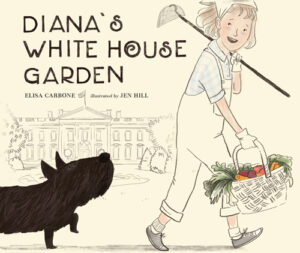
Historical Moment: WWII.
Doing Her Bit: A Story About the Women’s Land Army of America by Erin Hagar, ill. Jen Hill
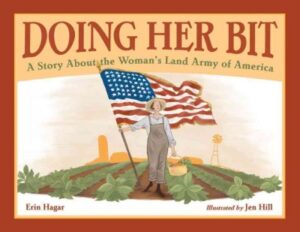
Historical Moment: WWII.
Freedom in Congo Square by Carole Boston Weatherford, ill. R. Gregory Christie
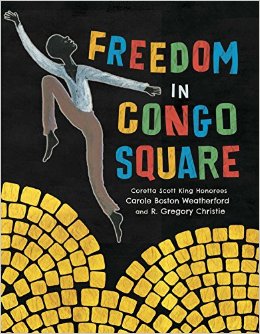
Historical Moment: American slavery in 19th century Louisiana
Freedom Over Me: Eleven Slaves, Their Lives and Dreams Brought to Life by Ashley Bryan
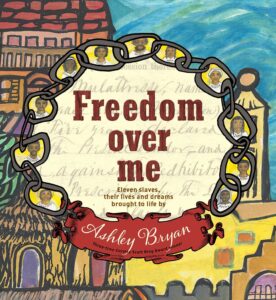
Historical Moment: Slavery in America. Specifically in 1828.
Jazz Day: The Making of a Famous Photograph by Roxane Orgill, ill. Francis Vallejo
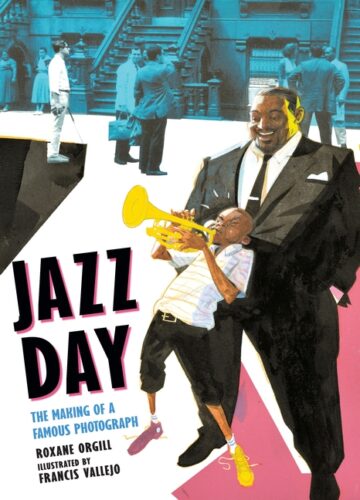
Historical Moment: 1958 when Art Kane gathered together the greatest living jazz musicians for one photograph.
Miss Paul and the President: The Creative Campaign for Women’s Right to Vote by Dean Robbins, ill. Nancy Zhang
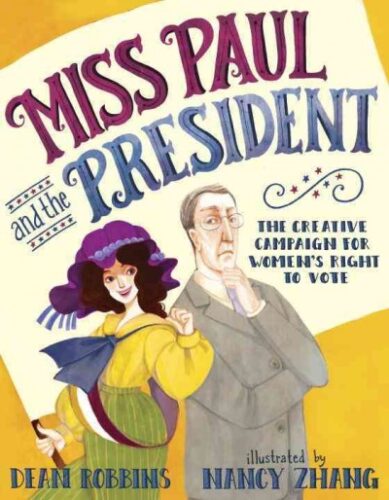
Historical Moment: Women’s suffrage. Culminates in 1920.
My Name is James Madison Hemings by Jonah Winter, ill. Terry Widener
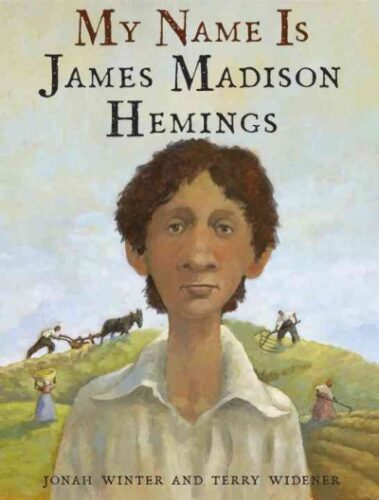
Historical Moment: Slavery in America. Specifically during and after the presidency of Thomas Jefferson.
Steamboat School by Deborah Hopkinson, ill. Ron Husband
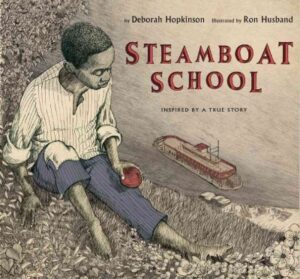
Historical Moment: 1847 in St. Louis after the passage of a Missouri law prohibiting the education of African-Americans.
Non-Fiction Picture Books
Around America to Win the Vote: Two Suffragists, a Kitten, and 10,000 Miles by Mara Rockliff, ill. Hadley Hooper
Historical Moment: Women’s Suffrage. Specifically it begins in April of 1916.
Elizabeth Started All the Trouble by Doreen Rappaport, ill. Matt Faulkner
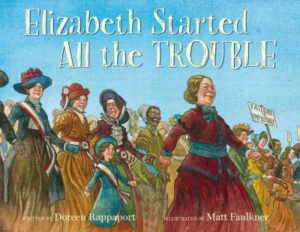
Historical Moment: Women’s Suffrage from the beginning to the end.
The First Step: How One Girl Put Segregation on Trial by Susan E. Goodman, ill. E.B. Lewis
Historical Moment: Segregation. Follows the 1847 (the same year as Steamboat School!) Supreme Court case that ended segregation in Boston’s schools.
Lincoln and Kennedy: A Pair to Compare by Gene Barretta
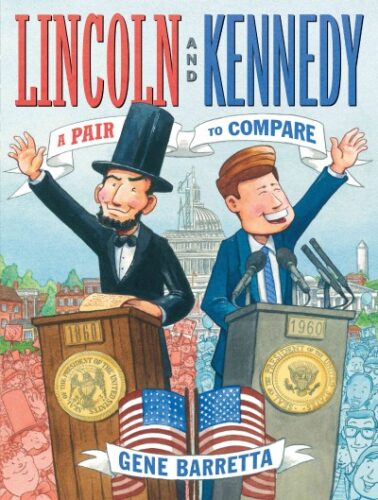
Historical Moments: The presidencies of both Abraham Lincoln and John Kennedy.
The Navajo Code Talkers by J. Patrick Lewis, ill. Gary Kelley
Historical Moment: WWII.
Saved By the Boats: The Heroic Sea Evacuation of September 11 by Julie Gassman, ill. Steve Moors
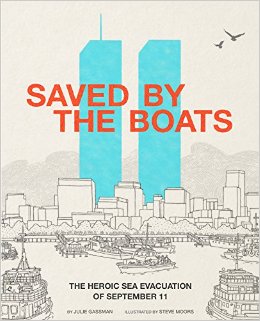
Historical Moment: September 11, 2001.
The Seagoing Cowboy by Peggy Reiff Miller, ill. Claire Ewart
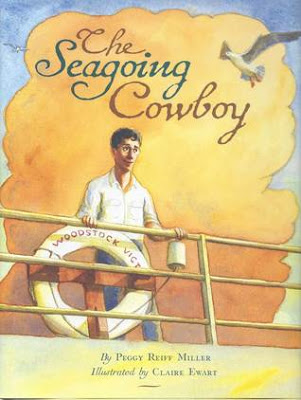
Historical Moment: Post-WWII America’s aid to Poland in 1945. Review of the book at the WWII children’s book blog The Children’s War here.
The Secret Subway by Shana Corey, ill. Red Nose Studio
Historical Moment: New York City in the 1860s and 1870s. Specifically the time of Boss Tweed.
A Spy Called James: The True Story of James Lafayette, Revolutionary War Double Agent by Anne Rockwell, ill. Floyd Cooper
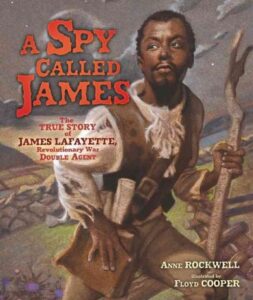
Historical Moment: The Revolutionary War.
Middle Grade Fiction
Makoons by Louise Erdrich
Historical Moment: The Great Plains of the Dakota Territory in 1866.
Snow White: A Graphic Novel by Matt Phelan
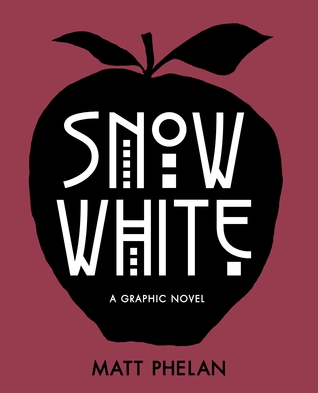
Historical Moment: The Great Depression in New York City.
Interested in the other lists of the month? Here’s the schedule so that you can keep checking back:
December 1 – Board Books
December 2 – Board Book Adaptations
December 3 – Nursery Rhymes
December 4 – Picture Book Readalouds
December 5 – Rhyming Picture Books
December 6 – Alphabet Books
December 7 – Funny Picture Books
December 8 – Calde-Nots
December 9 – Picture Book Reprints
December 10 – Math Picture Books
December 11 – Bilingual Books
December 12 – International Imports
December 13 – Books with a Message
December 14 – Fabulous Photography
December 15 – Fairy Tales / Folktales
December 16 – Oddest Books of the Year
December 17 – Older Picture Books
December 18 – Easy Books
December 19 – Early Chapter Books
December 20 – Graphic Novels
December 21 – Poetry
December 22 – Fictionalized Nonfiction
December 23 – American History
December 24 – Science & Nature Books
December 25 – Transcendent Holiday Titles
December 26 – Unique Biographies
December 27 – Nonfiction Picture Books
December 28 – Nonfiction Chapter Books
December 29 – Novel Reprints
December 30 – Novels
December 31 – Picture Books
Earlier this year I had a lovely lunch with an author of nonfiction titles for kids. As we discussed the wide range of nonfiction available to children these days she lamented the fact that we’ve become so narrow in what we deem worthy of our children’s attention. Sticking strictly to what we consider to be the “facts” can be unnecessarily fraught. Then again, things like fake dialogue and just generally making up stuff can be more than problematic. But how can any nonfiction picture book be considered wholly accurate when illustrations are, by their very nature, imaginings on the part of an artist? And around and around and around these arguments go.
For me, the simplest answer is simply to take a knife and cut your children’s nonfiction into two parts. On one side you can have your books that stick as closely as possible to the truth. No fake dialogue. No goofy imaginings. Staid. Solid. Steady. Then, on the other side, come the creative interpretations. Books that work to engage young readers with more fictionalized elements. Those are the books we’re going to celebrate today. They’re sometimes wholly fictionalized, sometimes mostly true, and always very interesting. Enjoy!
2016 Fictionalized Non-Fiction for Kids
Arnold’s Extraordinary Art Museum by Catherine Ingram, ill. Jim Stoten
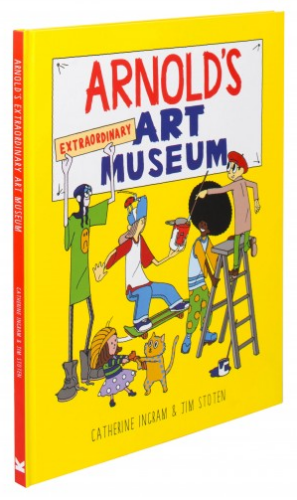
Anyone can celebrate famous art. How many books for kids chose instead to highlight some of the more obscure pieces out there in the world? For adults and kids that are sick to death of the Mona Lisa or Michaelangelo’s David, Ingram’s book comes as a strange little antidote. Here you’ll find the Bauhaus Metal Party of 1929 or Pablo Picasso’s bull, as well as a slew of others as our host, Arnold, leads a tour of his extraordinary museum. Plus there’s humor. Lest we forget.
The Artist and Me by Shane Peacock, ill. Sophie Casson
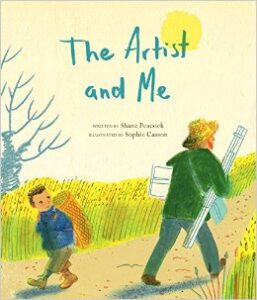
There are lots of books about children meeting famous artists. There are very few about children meeting famous artists with the sole purpose of making those artists miserable. A lot of what I like about Peacock’s book is her willingness to feature a protagonist in the wrong. A boy teases Vincent Van Gogh alongside the other people of his village, though deep down he knows that there’s more here than meets the eye. The whole book is tinged with an odd sort of regret, as the now grown boy looks back on what might have been. The melancholy is a kind of allure in and of itself, and Casson’s illustrations do not attempt to replicate Van Gogh’s paintings, yet it does invoke them in some way.
Freedom Over Me: Eleven Slaves, Their Lives and Dreams Brought to Life by Ashley Bryan
The articles of sale for the slaves are real. The names of the slaves (or lack thereof) and areas of expertise are real. But for the poems Ashley Bryan had to rely on his own expansive memory to weave lives out of scant words. As I said in my review of this book, “Ashley Bryan does everything within his own personal capacity to keep these names and these people alive, if just for a little longer. Along the way he makes it clear to kids that slaves weren’t simply an unfortunate mass of bodies. They were architects and artists and musicians. They were good and bad and human just like the rest of us.”
From Wolf to Woof!: The Story of Dogs by Hudson Talbott
The story of how wolves became man’s best friend is presented with a possible scenario on the start. The scenario cannot, by rights, be considered strictly factual. Then again, often as librarians we’ll give a pass to books that contain groups doing one thing or another on the page because the writer is being vague enough with the reader (does that make sense?). This is a story as much as it’s a lesson in evolution and I think child readers will better grasp what Talbott’s trying to say because of the way in which he says it.
The Great Antonio by Elise Gravel
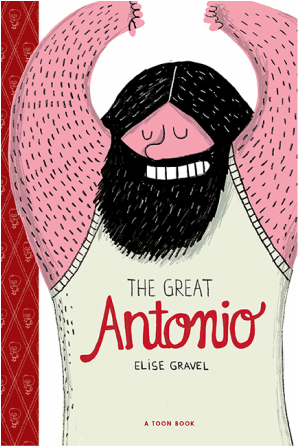
Straddles the line between fiction and nonfiction. In fact, Horn Book said of the book that it is, “not quite a biography yet not quite a legend.” Kirkus, for their part, hit the nail on the head when they said that, “The comedic treatment never mocks Antonio but celebrates him in all his weird glory.” And since I’m just quoting the professional reviews here, let’s end with a line from Publishers Weekly that really makes it clear why this book is special. “What’s to be made of lives that don’t go the way they were supposed to? Gravel shows that they’re worth paying attention to.” Amen that.
Jazz Day: The Making of a Famous Photograph by Roxane Orgill, ill. Francis Vallejo
The most fictionalized non-fiction on this list, in a way. The facts are there, but because Orgill enters into the head of some of the characters (like the kid on the cover, for example) it’s not technically non-fiction. Fiction and non-fiction get swished all together so that you have to be diligent to figure out how to separate out the two. What it is is cool.
Lift Your Light a Little Higher: The Story of Stephen Bishop: Slave-Explorer by Heather Henson, ill. Bryan Collier
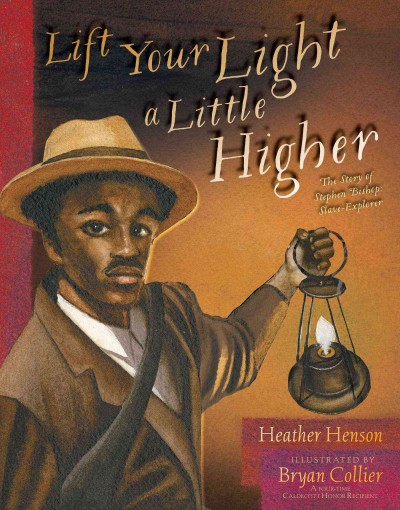
So let’s talk about what happens when someone writes a picture book biography. If the subject isn’t someone who gets a lot of biographies already, like a Lincoln or a Rosa Parks, then telling their tale means doing a little extra work. You have to find those little moments of humanity throughout their life that allow the reader to connect with the hero. You also need to pick and choose how much of their life to discuss. And finally, you need to do all of this in a fun and child-centric way. When including dialogue, you have to source what’s said by the characters in the backmatter. It could be rigorously footnoted or it could just be a quickie statement that says the dialogue came from this book or that interview. When it’s not sourced I, the librarian, have to assume it’s fake. And in the case of this book, the choice to write it in the first person makes it trickier still. It’s a true piece of fictionalized non-fiction, and a very interesting read it is too. Be sure to pair it with the (now sadly out-of-print) Journey to the Bottomless Pit: The Story of Stephen Bishop and Mammoth Cave by Elizabeth Mitchell. Dang good book that.
Lost and Found: Adele & Simon in China by Barbara McClintock
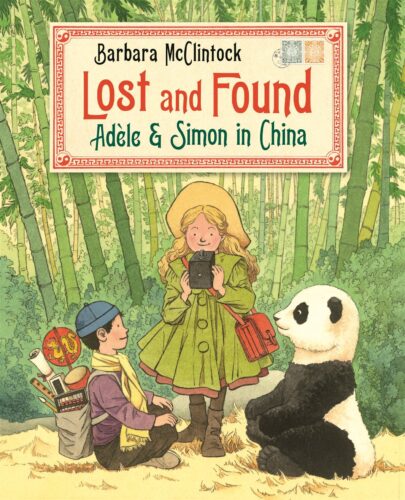
A new Adele and Simon title is a cause for celebration, and here McClintock outdoes herself. Each spread in this book is chock full of details about turn-of-the-century China. Devoid of even a whiff of a Boxer Rebellion, it nonetheless gives a thorough accounting of what the different regions looked like.
Mad Scientist Academy: The Weather Disaster by Matthew McElligott
This is another case of my loving the sequel better than the original. Why Dreamworks hasn’t snapped this series up for its next big budget blockbuster is beyond me (a school full of mad scientists and monsters writes itself) these books are basically Magic School Bus sans “Bus”. The students must solve laughably out-of-control situations using their brains, and readers learn something along the way. In this particularly case it’s all about the weather. For the weather obsessed, the mad scientist obsessed, the monster obsessed, and the just generally obsessed.
A Moon of My Own by Jennifer Rustgi, ill. Ashley White
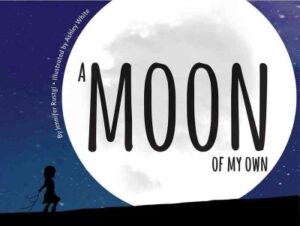
When my daughter was younger we were walking home one night and she pointed out the moon to me. “Like Harold”, she said, which took me a minute. Only after much thought was I reminded of the fact that in Harold and the Purple Crayon the moon “follows” Harold home. In this book Rustgi takes the same premise, with a little girl “followed” by the moon. In the back of the book it, “explains each topic the girl wonders about, describes and maps the places she visits on her adventure, describes the phases of the moon and gives further facts, and provides activities that can help children understand why the moon appears to change” (or so sayeth Kirkus). I like books with facts in the back. I like that books that go overboard with the facts in the back even more.
Mr. Matisse and His Cutouts by Annemarie van Haeringen
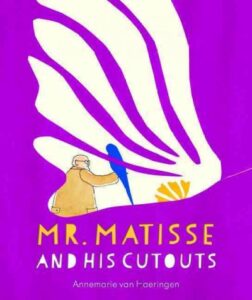
Sometimes I feel like artists get more straight up fictional picture books about their lives than members of other professions. The book covers the time in Matisse’s live when he moved from paints to paper cutouts, making it clear to kids that great art can be done with something as simple as scissors if the spirit is willing. I like books that make art accessible to kids. This certainly fits the bill.
My Name is James Madison Hemings by Jonah Winter, ill. Terry Widener
One of the things that I like about Jonah Winter is that he never makes anything easy on himself. A fictionalized picture book portrait of one of the sons of Thomas Jefferson and Sally Hemings? Don’t say it could never be done because it just was. I suppose I should have included this on my list of picture books for older readers since reading this book requires a certain level of sophistication on the part of the reader. What I really love about it, though, is that it never goes for easy answers. Hemings is left with questions about his father that will never be answered, and so are we.
My Washington D.C. by Kathy Jakobsen
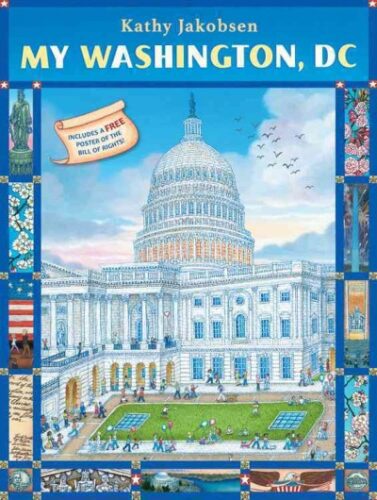
Let it never be said that Jakobsen is not meticulous in her renderings. Twelve sites around Washington D.C. are visited by two kids. While they offer up a kind of travelogue about the city, we get to admire the folk arty stylings of Jakobsen’s clever paints. She did this with NYC back in the day and I can tell you that every single library branch of NYPL uses it constantly. So glad she’s back.
Octopus Escapes Again! by Laurie Ellen Angus
Part story / part array of surprising octopus facts, this is one of the many octopus-related titles to come out this year. And, let’s be honest, one of the best.
The Polar Bear by Jenni Desmond
You ever have that thing where you were totally into a book or a band or an obscure film and then before you can declare your love of it to the world lots of other people go about discovering it too? I read this book a while ago and was going to be very excited to include it on this list. Then it up and appears on the New York Times Best Illustrated list for 2016. It’s garnered a couple other honors along the way as well. Doggone it. I was into The Polar Bear before it was cool, y’all.
Six Dots: A Story of Young Louis Braille by Jen Bryant, ill. Boris Kulikov
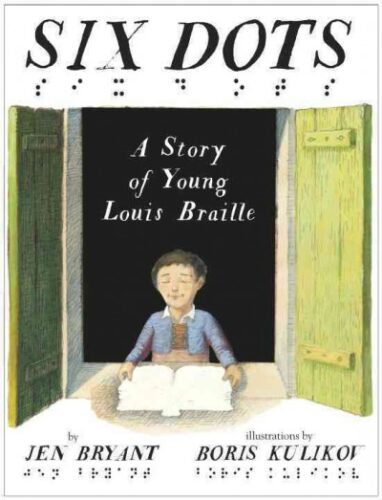
Like Lift Your Light a Little Higher, this book tells the story of its hero from the hero’s perspective. So while everything in it is technically accurate, Braille never directly said any of the stuff in this book so it sort of ends up as a picture book. Or does it matter to you where it ends up so long as it’s somewhere? Though it seemed odd to me that there wasn’t any actual Braille within the book or on the cover (Braille that you could feel, that is) it’s a moving portrait, lovingly rendered.
Steamboat School by Deborah Hopkinson, ill. Ron Husband
Oh, I like this book so much!! I discovered it a little late in the year and was so taken with it that I immediately took it home to read to my own kids. Based on an actual steamboat school built by the Reverend John Berry Meachum to operate outside the confines of an unjust law, Hopkinson tells a fictionalized version about a free black boy living in St. Louis in 1847 and how he comes to an education against extreme odds. The telling is stellar and Husband’s art a fun antidote to the stodgy realism this kind of story would usually inspire.
Swimming with Sharks: The Daring Discoveries of Eugenie Clark by Heather Lang, ill. Jordi Solano
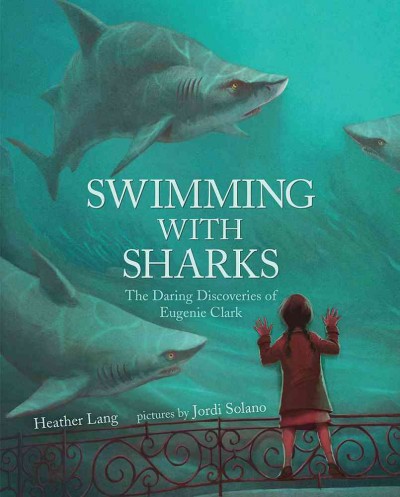
The story of the Japanese-American shark research pioneer is fascinating. I love it when a more obscure subject gets some attention in a book. My notes inform me that it’s on this list here today because it has “fake dialogue” in it. There are also faux notebook pages with simple facts about the species. Take all that with a grain of salt since Ms. Clark herself was real and this story is definitely worth discovering.
The Tudors: Kings, Queens, Scribes and Ferrets! by Marcia Williams
If you’ve read one Marcia Williams title then you know what to expect here. Like a Cricket Magazine on speed, Williams fills her margins with chatty cathys. In this case they’re mostly ferrets.
A Voyage in the Clouds: The (Mostly) True Story of the First International Flight by Balloon in 1785 by Matthew Olshan, ill. Sophie Blackall
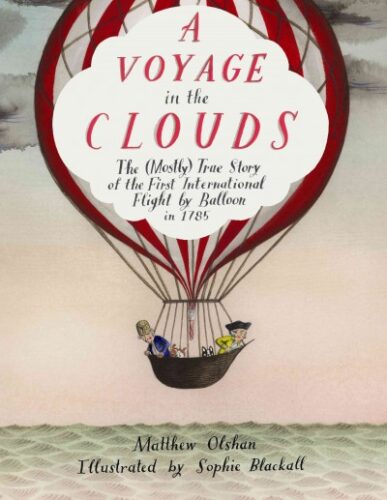
Olshan and Blackall paired previously with another fact/fiction hybrid, that time called The Mighty Lalouche. When it came out, critics and librarians weren’t entirely certain what to do with it. This follow up about a true air voyage above (and almost in) the sea is a bit more accessible. It’s very funny and chock full of interesting facts about early aerial travel. Try pairing it with the Caldecott Honor winning book Hot Air: The (Mostly) True Story of the First Hot-Air Balloon Ride illustrated and written by Marjorie Priceman
Yaks Yak: Animal Word Pairs by Linda Sue Park, ill. Jennifer Black Reinhardt
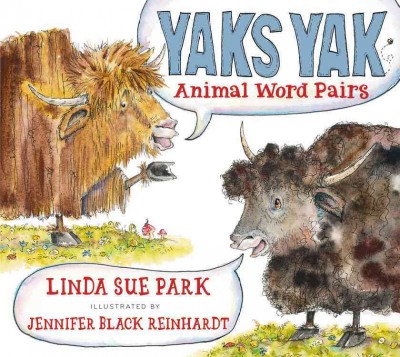
Occasionally an animal word pair book will come out, but rarely will it be as pleasing to the eye and funny as this. PW said it was, “Gleeful linguistic fun that kids will wolf down.” Yep. Pretty much.
Interested in the other lists of the month? Here’s the schedule so that you can keep checking back:
December 1 – Board Books
December 2 – Board Book Adaptations
December 3 – Nursery Rhymes
December 4 – Picture Book Readalouds
December 5 – Rhyming Picture Books
December 6 – Alphabet Books
December 7 – Funny Picture Books
December 8 – Calde-Nots
December 9 – Picture Book Reprints
December 10 – Math Picture Books
December 11 – Bilingual Books
December 12 – International Imports
December 13 – Books with a Message
December 14 – Fabulous Photography
December 15 – Fairy Tales / Folktales
December 16 – Oddest Books of the Year
December 17 – Older Picture Books
December 18 – Easy Books
December 19 – Early Chapter Books
December 20 – Graphic Novels
December 21 – Poetry
December 22 – Fictionalized Nonfiction
December 23 – American History
December 24 – Science & Nature Books
December 25 – Transcendent Holiday Titles
December 26 – Unique Biographies
December 27 – Nonfiction Picture Books
December 28 – Nonfiction Chapter Books
December 29 – Novel Reprints
December 30 – Novels
December 31 – Picture Books
Fun Fact: The American Library Association does not currently give an award specifically to great works of children’s book poetry. Is not that strange? When I first discovered this to be true, I was perplexed. I’ve always been a bit of a rube when it comes to the poetic form. Placing stresses on syllables and knowing what constitutes a sestina and all that. Of course even without its own award specifically, poetry can win the Newbery or the Caldecott. Yet too often when it happens it’s in the form of a verse novel or its sort of pooh-poohed for its win. Remember when Last Stop on Market Street won the Newbery and folks were arguing that it was the first picture book to do so since A Visit to William’s Blake’s Inn couldn’t possibly be considered a picture book because it was poetry? None of this is to say that poetry doesn’t win Newberys (as recently as 2011 Dark Emperor and Other Poems of the Night by Joyce Sidman won an Honor) but aside from the month of April (Poetry Month a.k.a. the only time the 811 section of the public library is sucked dry) poetry doesn’t get a lot of attention.
So rather than relegate all poetry discussions to April, let us today celebrate some of the lovelier works of poetry out for kids this year. Because we lucked out, folks. 2016 was a great year for verse:
2016 Poetry Books for Kids
Are You an Echo?: The Lost Poetry of Misuzu Kaneko by David Jacobson, ill. Toshikado Hajiri, translations by Sally Ito and Michiko Tsuboi
No surprises here. If you know me then you know I’m gaga for this title. For the purposes of today’s list, however, let’s just zero in on Kaneko’s own poetry. Cynical beast that I am, I would sooner eat my own tongue than use a tired phrase like “childlike wonder” to describe something. And yet . . . I’m stuck. Honestly there’s no other way to adequately convey to you what Kaneko has done so perfectly with this book. Come for the biography and history lesson. Stay for the incomparable poems.
Freedom Over Me: Eleven Slaves, Their Lives and Dreams Brought to Life by Ashley Bryan
I’m not entirely certain that I can express in words how deeply satisfying it’s been to see this book get as much love and attention as it has, so far. Already its appeared on Chicago Public Library’s Best of the Best, its been a Kirkus Prize Finalist, it was on the NCTE Notable Poetry List, and New York Public Library listed it on their Best Books for Kids. I would have liked to add an Image Award nomination in there as well, but you don’t always get what you want. Regardless, I maintain my position that this is a serious Newbery contender. Even if it misses out during the January award season, there is comfort in knowing that folks are finding it. Very satisfying.
Grumbles From the Town: Mother-Goose Voices With a Twist by Jane Yolen and Rebecca Kai Dotlich, ill. Angela Matteson
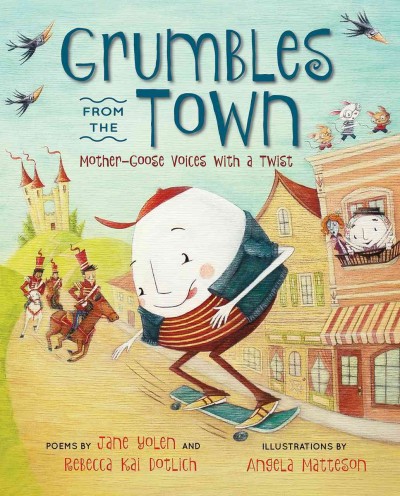
Its been promoted as a writing prompt book, but I’d argue that the poetry in this collection stands on its own two feet as well. Yolen and Dotlich take classic nursery rhymes and twist them. We’ve all seen that kind of thing before, but I like how they’ve twisted them. A passing familiarity with the original poetry a good idea, though they’ve covered their bases and included that information in the back of the book as well. Good original fun all around.
Jazz Day: The Making of a Famous Photograph by Roxane Orgill, ill. Francis Vallejo
So far it’s won the only major award (aside from the Kirkus prize) to be released so far for a 2016 title. Jazz Day took home the gold when it won in the picture book category of the Boston Globe-Horn Book Awards. And, granted, I was on that committee, but I wasn’t the only one there. It’s such an amazing book, and aside from poetry its hard to slot it into any one category. Fiction or nonfiction? You be the judge.
Miss Muffet, Or What Came After by Marilyn Singer, ill. David Litchfield
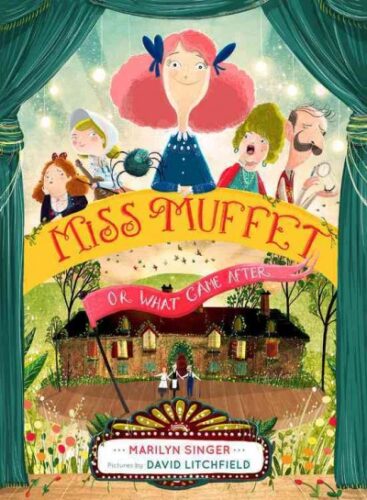
It’s sort of epic. From one single short little nursery rhyme, Singer spins out this grandiose tale of crushed hopes, impossible dreams, and overcoming arachnophobia. Since it’s a story told in rhyme I’m sort of cheating, putting it on this poetry list. Maybe it’s more school play than poetry book. I say, why not be both?
Now this book has been nominated for an NAACP Image Award, so there is some justice in this world. When I first read the description I wasn’t entirely certain how it would work. Imagine the daunting task of telling Ezra Jack Keats’ story using his own illustration style. Imagine too the difficulty that comes with using poetry and verse to tell the details of his story. Pinkney’s done poetry of one sort or another before, but I dare say this is her strongest work to date in that style.
Slickety Quick: Poems About Sharks by Skila Brown, ill. Bob Kolar
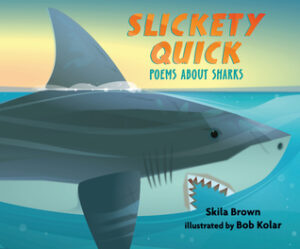
From the start I liked the poems (they were smart) but since it was about real sharks I pondered that question every children’s librarian knows so well: how would it fly with kids? Well, I donated a copy to my kid’s daycare and found, to my infinite delight, that the kids in that class were CRAZY about it. Every day when I went to pick my daughter up, she and the other kids would start telling me shark facts. You’ve gotta understand that these were four-year-olds telling me this stuff. If they get such a kick out of the book (and they do) imagine how the older kids might feel!
A Toucan Can, Can You? by Danny Adlerman, ill. Various
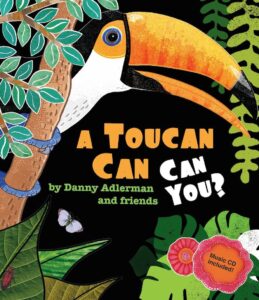
It’s baaaaack. Yeah, this little self-published gem keeps cropping up on my lists. Someone recently asked me where they could purchase it, since it’s not available through the usual streams. I think you can get it here, in case you’re curious. And why should you be curious? Because it takes that old How Much Wood Could a Woodchuck Chuck, expands it, and then gets seriously great illustrators to contribute. A lovely book.
Somo Como Las Nubes / We Are Like the Clouds by Jorge Argueta, ill. Elisa Amado
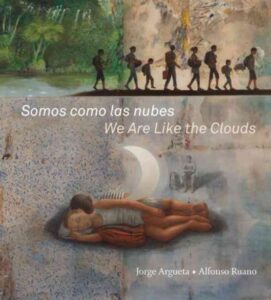
Because to be perfectly frank, your shelves aren’t exactly exploding with books about refugee children from South America. That said, it’s easy to include books on lists of this sort because their intentions are good. It’s another thing entirely when the book itself actually is good. Argueta is an old hand at this. You can trust him to do a fantastic job, and this book is simultaneously necessary and expertly done. There’s a reason I put it on my bilingual book list as well.
Spinach Dip Pancakes by Kevin Kammeraad, ill. Danny Adlerman, Kim Adlerman, Chris Fox, Alynn Guerra, Justin Haveman, Ryan Hipp, Stephanie Kammeraad, Carlos Kammeraad, Maria Kammeraad, Steve Kammeraad, Linda Kammeraad, Laurie Keller, Scott Mack, Ruth McNally Barshaw, Carolyn Stich, Joel Tanis, Corey Van Duinen, Aaron Zenz, & Rachel Zylstra
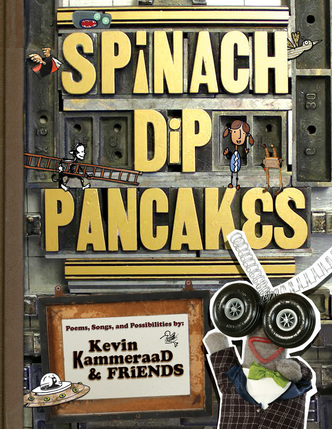
This book bears not a small number of similarities to the aforementioned Toucan Can book. The difference, however, is that these are all original little tiny poems put into a book illustrated by a huge range of different illustrators. The poems are funny and original and the art eclectic, weird, wise and wonderful. It even comes with a CD of performances of the poems. Want a taste? Then I am happy to premiere a video that is accompanying this book. The video cleverly brings to life the poem “Game”. I think you’ll get a kick out of it. And then be unable to remove it from your brain (good earworm, this).
If you liked that, check out the book’s book trailer and behind-the-scenes peek as well.
Wet Cement: A Mix of Concrete Poems by Bob Raczka
My year is not complete unless I am able to work a Raczka poetry collection onto a list. I’m very partial to this one. It’s a bit graphic design-y and a bit clever as all get out. Here’s my favorite poem of the lot:
Poetry is about taking away the words you don’t need
poetry is taking away words you don’t need
poetry is words you need
poetry is words
try
When Green Becomes Tomatoes: Poems for All Seasons by Julie Fogliano, ill. Julie Morstad
I think I broke more than a few hearts when I told people that Morstad’s Canadian status meant the book was ineligible for a Caldecott. At least you can take comfort in the fact that the poetry is sublime. I think we’ve all seen our fair share of seasonal poems. They’re not an original idea, yet Fogliano makes them seem new. This collection actually bears much in common with the poetry of the aforementioned Misuzu Kaneko. I think she would have liked it.
You Can Fly: The Tuskegee Airmen by Carole Boston Weatherford, ill. Jeffery Boston Weatherford
It’s poetry and a kind of verse novel as well. I figured I should include one in today’s list, though I’d argue that the verse here serves the poems better than the storyline. There is a storyline, of course, but I like the poetry for its own sake. My favorite in the book? The one about Lena Horne. I had no idea the personal sacrifices she made during WWII. There’s a picture book bio coming out about her in 2017, by the way. Looks like I’ll need to know more.
Interested in the other lists of the month? Here’s the schedule so that you can keep checking back:
December 1 – Board Books
December 2 – Board Book Adaptations
December 3 – Nursery Rhymes
December 4 – Picture Book Readalouds
December 5 – Rhyming Picture Books
December 6 – Alphabet Books
December 7 – Funny Picture Books
December 8 – Calde-Nots
December 9 – Picture Book Reprints
December 10 – Math Picture Books
December 11 – Bilingual Books
December 12 – International Imports
December 13 – Books with a Message
December 14 – Fabulous Photography
December 15 – Fairy Tales / Folktales
December 16 – Oddest Books of the Year
December 17 – Older Picture Books
December 18 – Easy Books
December 19 – Early Chapter Books
December 20 – Graphic Novels
December 21 – Poetry
December 22 – Fictionalized Nonfiction
December 23 – American History
December 24 – Science & Nature Books
December 25 – Transcendent Holiday Titles
December 26 – Unique Biographies
December 27 – Nonfiction Picture Books
December 28 – Nonfiction Chapter Books
December 29 – Novel Reprints
December 30 – Novels
December 31 – Picture Books
Okay! I’ve been looking forward to this particular list for a while. But first, a quick note on what we’re calling these things. Not too long ago the very funny Glen Weldon wrote a piece for an NPR blog about whether or not we should be calling these books “comics” or “graphic novels”. Weldon is firmly in the comic camp, and he makes a strong case. He is not, however, a librarian, and so he can be forgiven for not knowing his history on this one. The term “graphic novel” was embraced early on by librarians to distinguish the better bound GNs from the flimsy, circulate-them-once-and-they’re-done comics that abounded. These days GNs and trades are almost more common than floppies, and so there’s been a call to call comics comics again. I was tempted to just call all of this that woefully technical term “sequential art” and be done with it . . . but how would that be different from picture books, eh whot? No, we’re splitting the difference today. Whether you’re a graphic novel enthusiast or a comic book reader, I think you’ll find something for everybody on this list of some of the best from 2016 for kids:
2016 Great Graphic Novels & Comics for Kids
Anna & Froga: Out and About by Anouk Ricard
Is so French! I was very much taken with this odd little book, the second in the Anna & Froga series to come to America. There’s an adult quality to the feel of the book, but it doesn’t have that misanthropic undercurrent you sometimes get in imports. Instead, it’s really rather sweet. And I was particularly taken with the tale about the vampire next door.
Ape and Armadillo Take Over the World by James Sturm
Hooray! First off, kudos to Sturm for coming up with what may well be my favorite original animal pairing of the year. Apes and armadillos! Magic! If you’re looking for a good friendship tale, this entry into the TOON Books oeuvre will hit the spot. With a minimal number of words, you get two fully-fleshed out characters in an adventure ideal for readers who are on the cusp of reading full chapter books.
Bera the One-Headed Troll by Eric Orchard
I didn’t know what to expect when I picked this book up and I was left never quite knowing where the plot was going as I read it. And I CERTAINLY didn’t expect the ending either! It’s just your average hero’s quest, except the hero in question is a pumpkin gardener who keeps searching for bigger, better heroes to do the job for her. I loved the pacing, and you get used to the art pretty quickly. Loved the heroine too. Bera doesn’t adhere to your stereotypical feminine tropes. She’s just a one-headed troll with a job to do. Go, Bera!
The Birth of Kataro by Shigeru Mizuki
Oops! Here it comes again for a third pass! After popping up on my International Imports and Oddest Books of the Year lists already, you’d think I’d be tired of old Kitaro by now. And you would be WRONG! Just to sum up once more, you have ancient Japanese legends mixed with a manga art style resulting in a crazy mash-up of an unlikely hero surviving a host of creepy crawly monsters. Better read the author’s note before you begin.
Compass South by Hope Larson, ill. Rebecca Monk
Hope Larson! Big time fan over here. When people ask for Raina Telgemeier readalikes I always point them to Chiggers though I’ve a particular fondness for Mercury as well. This latest book was drawn by someone else entirely, but you definitely can tell that Larson’s behind the ideas. And what’s not to love? One-eyed women with shell-encrusted eyepatches. Danger on the high seas. Two pairs of twins. Danger, near death, disease, maps, the whole kerschmozzle! If you’re looking for adventure, this is the start to a promising series. Extra points if you’ve discovered Hope’s new Goldie Vance comic series as well.
The Heartless Troll by Oyvind Torseter
Kitaro isn’t the only GN here that’s appearing on multiple lists. Torseter did a fine and dandy job with his epic quest book. The fact that it is physically larger than your average comic shouldn’t put you off. It sort of has a Bone-like quality to it too, with its simply drawn hero and elaborately detailed villain. Jeff Smith, I suspect, would be a fan.
Hippopotamister by John Patrick Green
A book so popular in my family it made it onto my Christmas card this year. Truth. My five-year-old loves it. My two-year-old loves it, and why not? This is what people talk about when they talk about tight plotting in books for younger readers. And talk about a hero’s quest! Hippopotamister might as well be singing a Disney-esque “I want” song at the story’s start. He enters the world, succeeds, fails, and then uses his knowledge to better the place where he got his start. Plus the red panda is funny.
Kid Beowulf by Alexis Fajardo
Speaking of quests, the remarkable thing about Fajardo’s first book in the “Kid Beowulf” series is just how sprawling, epic, and ambitious it is. There are graphic novel readers out there that need and crave comics with huge backstories, countless characters, as well as a bit of real history. This is the book you hand them. And then the next. And the next. And the next . . .
King of Kazoo by Norm Feuti
I was talking this book up to a group of women the other day and found that for all its simplicity, it’s surprisingly difficult to encapsulate why exactly I love this book as much as I do. Obviously there’s the Carl Barks influence (right down to the Gyro Gearloose-esque inventor), so that’s a plus. But I really latched onto the sense of humor, which is not easy to pull off. Of all the books on this list I think I might deem it the funniest. Let’s hope there are more in the pipeline.
Lowriders to the Center of the Earth by Cathy Camper, ill. Raul the Third
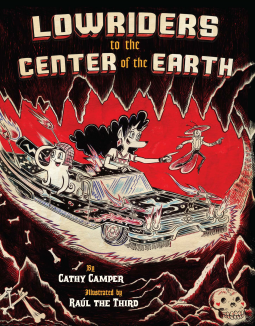
Here’s a trend I noticed in 2016: I kept encountering sequels or companion books where I liked the newer creations much more than their predecessors. Case in point, the latest Lowriders title. I was sadly lukewarm when Lowriders in Space came out. I wanted to adore it (I mean, Raul the Third illustrates his books with Bic pens, people!) but the storyline didn’t cut it for it. Fast forward to 2016 and Lowriders to the Center of the Earth. Now THAT is more like it! Integrating ancient Aztec gods alongside legends of the chupacabra and La Llorona (amongst others), with a little Mexican wrestling thrown in for spice, this book is delicious. Loved the plot, the adventure, the characters, and the fact that I never saw where it was going. Camper and Raul are clearly hitting their stride.
The Nameless City by Faith Erin Hicks, color by Jordie Bellaire
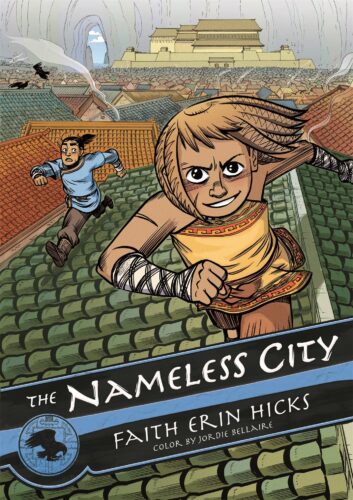
I came very close to not reading this book this year. I mean, I absolutely adore Faith Erin Hicks (Friends With Boys is a particular favorite and close to my heart) but it was marketed as YA and I didn’t want to truck with books outside my age range. It was only when the book appeared on New York Public Library’s 100 Children’s Books list for 2016 that I came to understand that it’s not really YA but straight up middle grade. Once I got my hands on a copy I devoured it in one sitting. Wowza! If you’ve a kid that loves Avatar the Last Airbender, just tell them that the book is basically set in Ba Sing Se and they’ll know exactly what you mean. This is Character Development: The Book, in a good way. Haven’t read it yet? You lucky duck. You’re in for a treat.
Pinocchio: The Origin Story by Alessandro Sanna
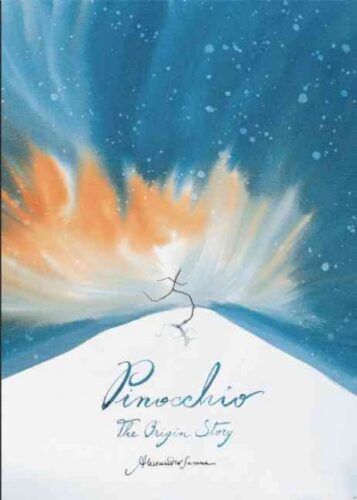
Again with the pretty pretty. Again with the imported book that has already appeared on two other lists. I care not. If I could make Sanna a household name, you know that I’d do so.
Snow White: A Graphic Novel by Matt Phelan
The most cinematic of the books on this list this year. It’s also, quite possibly, Matt Phelan’s best to date. And if you haven’t seen it, check out the holiday image he created for the Seven Impossible Things Before Breakfast blog. Apropos since this is such a Christmasy book.
Varmints by Andy Hirsch
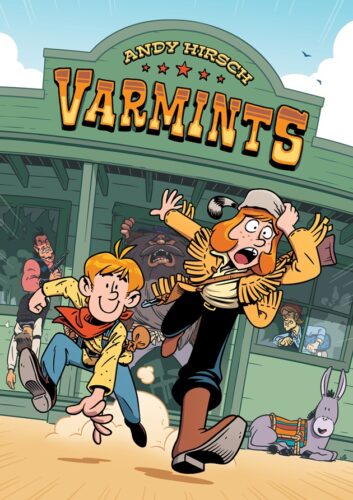
Anyone else notice that three of today’s comics’ covers feature a boy and a girl running hell-for-leather together (it’s harder to notice on Compass South, but it’s there)? Just something I noticed.
Now you might think that after reading Candy Fleming’s remarkable bio of Buffalo Bill Cody I’d be ruined for the Old West forever. Not so! Andy Hirsch takes us back to a time of shysters, mules, and villains with two siblings you just gotta root for. I did admittedly have a hard time finishing the book, if only because my darn kids kept trying to take it off me. Sorry, kiddos. This is mommy’s comic book. Mommy’s!
Interested in the other lists of the month? Here’s the schedule so that you can keep checking back:
December 1 – Board Books
December 2 – Board Book Adaptations
December 3 – Nursery Rhymes
December 4 – Picture Book Readalouds
December 5 – Rhyming Picture Books
December 6 – Alphabet Books
December 7 – Funny Picture Books
December 8 – Calde-Nots
December 9 – Picture Book Reprints
December 10 – Math Picture Books
December 11 – Bilingual Books
December 12 – International Imports
December 13 – Books with a Message
December 14 – Fabulous Photography
December 15 – Fairy Tales / Folktales
December 16 – Oddest Books of the Year
December 17 – Older Picture Books
December 18 – Easy Books
December 19 – Early Chapter Books
December 20 – Graphic Novels
December 21 – Poetry
December 22 – Fictionalized Nonfiction
December 23 – American History
December 24 – Science & Nature Books
December 25 – Transcendent Holiday Titles
December 26 – Unique Biographies
December 27 – Nonfiction Picture Books
December 28 – Nonfiction Chapter Books
December 29 – Novel Reprints
December 30 – Novels
December 31 – Picture Books
Alongside yesterday’s easy book list, this is the other list that could have been a little beefier this year. Not a lot of racial diversity to be found, to be frank. That fault lies with me, not the books published in 2016. Still, with that in mind, this list is a collection of great books I read this year but should NOT be taken as the best of the year by any means.
2016 Early Chapter Books
Armstrong: The Adventurous Journey of a Mouse to the Moon by Torben Kuhlmann
It’s difficult to know where to put this book, but if I had a gun to my head I’d probably slot it under “early chapter book” rather than “picture book”. Not that it isn’t chock full of gorgeous full color spreads from start to finish. It just has a slightly older feel to it, best suited for those kids willing to sit and listen and contemplate a little more deeply.
Bunjitsu Bunny Jumps to the Moon by John Himmelman
Generally I like to avoid sequels, and this is the third in the Bunjitsu Bunny series. And honestly, I would avoid it, if it weren’t for the fact that it’s just so doggone impressive. With shocking short stories, Himmelman manages to pack a strong punch with a very few number of words. If that man ever gets into easy books, Geisel take note.
Fluffy Strikes Back by Ashley Spires

Clearly I like early chapter books where furry creatures kick things on the covers. This book is a little like a comic and a little like an easy reader. I’m usually wary of spy thrillers done with animals (movies of that sort do not pan out). This, however, is what they all wish that they could be. I may also be inclined towards it since my house is beset by bluebottle flies every summer and no love of mine is lost on them.
The Infamous Ratsos by Kara LaReau, ill. Matt Myers
It doesn’t have the elegance of Bunjitsu Bunny, but LaReau’s tale of two “bad” kids who can’t help but do good felt like it was striking the same notes. Maybe I should have put it on my Books with a Message list.
Juana & Lucas by Juana Medina
I just absolutely, 100% loved this book. I think it was the only early chapter book I went so far as to review this year. The struggle of a girl to learn English (a particularly weird and illogical tongue) will strike a chord with many readers struggling to learn another language.
Narwhal, Unicorn of the Sea by Ben Clanton
Narwhals are hot in 2016. The just keep cropping up! And why not? As this book makes so eminently clear, they are the unicorns of the sea. This upbeat, consistently amusing, warm-hearted little book is perfect for transitional readers that need that comic element to their tales.
The Sandwich Thief by Andre Marois, ill. Patrick Doyon
Oops. I lied. I reviewed two early chapter books this year. I have no idea why I adore this one as much as I do. The story of a boy’s incredibly hoity toity sandwich getting stolen every day shouldn’t make me so happy, but it does! It may even make you yearn for homemade mayonnaise. It’s just that convincing.
What’s Up, Chuck? by Leo Landry
This is one of those books that straddles the line between picture book and early chapter book so perfectly that it should almost be its own category. I decided to put it here, because it actually has a pretty gripping plot. I love what it has to say about personal petty rivalries and dealing with your own jealousy. What kid isn’t going to relate?
Where Are You Going, Baby Lincoln? by Kate DiCamillo, ill. Chris Van Dusen
This is the latest in DiCamillo’s Deckawoo Drive series that began with the Mercy Watson books. It’s unapologetically DiCamilloian. Can you name any other author that could get away with writing an early chapter book about an elderly woman setting off to find herself by riding the rails? It’s engrossing. No animals in it, unlike the other books in the series, so it’s a risk but there are jellybeans so I’m giving it two thumbs up.
Interested in the other lists of the month? Here’s the schedule so that you can keep checking back:
December 1 – Board Books
December 2 – Board Book Adaptations
December 3 – Nursery Rhymes
December 4 – Picture Book Readalouds
December 5 – Rhyming Picture Books
December 6 – Alphabet Books
December 7 – Funny Picture Books
December 8 – Calde-Nots
December 9 – Picture Book Reprints
December 10 – Math Picture Books
December 11 – Bilingual Books
December 12 – International Imports
December 13 – Books with a Message
December 14 – Fabulous Photography
December 15 – Fairy Tales / Folktales
December 16 – Oddest Books of the Year
December 17 – Older Picture Books
December 18 – Easy Books
December 19 – Early Chapter Books
December 20 – Graphic Novels
December 21 – Poetry
December 22 – Fictionalized Nonfiction
December 23 – American History
December 24 – Science & Nature Books
December 25 – Transcendent Holiday Titles
December 26 – Unique Biographies
December 27 – Nonfiction Picture Books
December 28 – Nonfiction Chapter Books
December 29 – Novel Reprints
December 30 – Novels
December 31 – Picture Books
I first came up with the idea for a 31 Days, 31 Lists series in late September. Having kept track of a number of books over the year, it made a logical kind of sense. But as we got closer to the actual lists I realized that in some categories I’m going to be seriously lacking. Not having planned to do this series earlier in the year, I neglected certain areas.
All this is to say (slash, give lame excuses) that today’s list is a bit on the skimpy side. I have no doubt that the Geisel committtee this year could drown you in completely fantastic easy books. I’m a bit on the picky side so these are the only ones I can really stick a flag in and declare to be worth the asking price. Please forgive the brevity:
2016 Easy Books
Come Over to My House by Dr. Seuss, ill. Katie Kath
Originally published in 1966, I knew that this recent Seuss re-illustration was bound to differ from the original. I was, however, very trepidatious. I’ve been burned by shockingly offensive Seuss books before (please see: Surprise! It’s Racist!) and with that late 60s pub date there was no guarantee that either Seuss nor the original illustrator (Richard Erdoes) were inclined to be kind. Yet when I picked it up and read through it, it was lovely. Far better than the It’s-a-Small-World vibe you get from the cover and title, the book has a hook (visiting houses around the world) and it works. Add in Katie Kath’s art, which bends over backwards to be on the up-and-up and you’ve got yourself a truly worth new Seuss on your shelves.
The Cookie Fiasco by Dan Santat and Mo Willems
Pretty sure I’ve said everything there is to say about this book. There was a reason I put it on my math picture book list and if I could drown it in further laudatory comments I would do so. Eclectic, crazy original art, great characters, humor, math concepts, and a great storyline all combine.
Get a Hit, Mo! by David A. Adler
I loved loved loved Mo’s last book Don’t Throw It to Mo, which was a very rare easy book about football (children’s books about football at all are outnumbered by baseball books 10:1). And while this book covers the most written-about sport in literature for kids, I love it. It doesn’t hurt matters that my 2-year-old son also loves it (we live near Chicago and the Cubs won this year so . . .).
I See and See by Ted Lewin

The “I Like to Read” series by Holiday House has always frustrated librarians. We like the books a lot but because the publisher for some reason has always published the books at an egregious 8″ X 10″ (rather than the standard 6″ X 9″ where most easy readers fall) we tend to forget about them. They get shelved in the picture book sections and unless you know to spot their distinctive little spines, you’ll probably forget all about them. I couldn’t forget this book, though. Maybe it was the fact that it reminds me so much of NYC (I’m pretty sure he included the Bryant Park carousel at the end) but the very simple text and gorgeous Lewin art make for a winning combo.
Owl Sees Owl by Laura Godwin, ill. Rob Dunlavey
It’s not technically marketed as an easy reader, and indeed the text owes far more to the reverso poetry movement than anything else. That said, I was very taken with the quiet, contemplative little book. And I do think it’s sufficiently simple to enter onto this list. I do!
Snail and Worm: Three Stories About Two Friends by Tina Kügler
Oh. Oh oh oh. This is my #1 pick for the Geisel this year, no question. My five-year-old daughter has taken to reading one of these stories every morning to my two-year-old. As a result, anytime he sees a worm he will immediately say, “Worm! Worm! Where’s snail?” Where indeed. Deeply funny and original, these books are for kids who are working their way up to the Frog and Toad books. I’ve found it hard to come up with any easy readers that fall into this reading level quite so perfectly
Interested in the other lists of the month? Here’s the schedule so that you can keep checking back:
December 1 – Board Books
December 2 – Board Book Adaptations
December 3 – Nursery Rhymes
December 4 – Picture Book Readalouds
December 5 – Rhyming Picture Books
December 6 – Alphabet Books
December 7 – Funny Picture Books
December 8 – Calde-Nots
December 9 – Picture Book Reprints
December 10 – Math Picture Books
December 11 – Bilingual Books
December 12 – International Imports
December 13 – Books with a Message
December 14 – Fabulous Photography
December 15 – Fairy Tales / Folktales
December 16 – Oddest Books of the Year
December 17 – Older Picture Books
December 18 – Easy Books
December 19 – Early Chapter Books
December 20 – Graphic Novels
December 21 – Poetry
December 22 – Fictionalized Nonfiction
December 23 – American History
December 24 – Science & Nature Books
December 25 – Transcendent Holiday Titles
December 26 – Unique Biographies
December 27 – Nonfiction Picture Books
December 28 – Nonfiction Chapter Books
December 29 – Novel Reprints
December 30 – Novels
December 31 – Picture Books
Time to define my terms again!
This is undoubtedly the most subjective of all my lists. Basically, what I’m saying with it, is that picture books are far more wide-ranging than many people suspect. If you say “picture book” they’ll imagine something for a 4-year-old. Nothing wrong with picture books for 4-year-olds, of course, but picture books hit a great swath of ages and intellects. Some really aren’t for little kids.
This timing on this one is pretty interesting as well. Just yesterday one of my co-workers spoke with me about a picture book that she thought didn’t have a young enough text to be placed in the picture book section. That book actually isn’t on this list (I disagreed with the assessment) but it reminded me that we think of picture books in very specific terms. I’m hoping to break those terms down a bit. Here then are my favorite picture books for older child readers in 2016:
Older Picture Books of 2016
Cry, Heart, But Never Break by Glenn Ringtved, ill. By Charlotte Pardi
I do wonder if it’s a particularly American instinct to recommend this book of gentle death doing his job to older kids. It’s entirely possible that it its native Denmark this book is given to three-year-olds regularly. It’s all about the cultural construction, isn’t it? By the way – this marks the third time this book has appeared on one of my lists. That may be a record for this series (here are lists one and two).
Ideas Are All Around by Philip C. Stead
Ah ha! It took a while but eventually this book ended up on this list! I truly do feel that of all the picture books of this year, this is the most divisive. People who love it, adore it. People who dislike it, loathe it. Me? I like it. But I do feel it’s meant for older kids, and maybe even teens. A quiet, contemplative, fascinating work.
Kiviuq and the Mermaids by Noel McDermott, ill. Toma Feizo Gas
With a name like that, you’d be forgiven for at first thinking it’s some ootsy cutesy mermaid tale. It ain’t. The mermaids in this book are utterly grotesque and fascinating. They play with poor Kiviuq like cats with mice, and I love how the whole trouble begins because of a young one at the story’s start. Mermaid horror for Goosebumps-loving kids.
Lucy by Randy Cecil
Aww. I still haven’t decided if I should put this book on my early chapter list or not. Ultimately I don’t think I will, but it’s not exactly your average picture book either. This tale of a little dog that lost her loving home and is on the cusp of entering another is quiet and sweet and just right for the kid willing to wait it out.
Missing Nimama by Melanie Florence, ill. Francois Thisdale
As an American I am ashamed to admit that I was completely unaware of the fact that a great many indigenous women and girls have been going missing for a number of years in Canada. You can read an interview with Melanie Florence and Francois Thisdale about the situation and how they’ve brought it to light with this book. In the story, a Cree girl must grow up without her mother, and the author goes through the years and the simple fact of how hard it is to move on when you just don’t know what has happened.
The Riddlemaster by Kevin Crossley-Holland, ill. Stephane Jorisch

Do you remember Crossley-Holland’s Arthur trilogy from a decade or two back? It was quite the big deal when I started working as a children’s librarian, though it’s faded from the public consciousness quite a bit since then. I was thrilled to find some smart editor had paired the author with the urbane and delightful Stephane Jorisch. There’s an undercurrent of fear to The Riddlemaster, but I loved the old-fashioned riddling of it all. It’s also a beauty to look at.
Rules of the House by Mac Barnett, ill. Matt Myers
And speaking of undercurrents of fear! I was a bit surprised to find that Mac and Matt’s latest is as scary as it is. It gets its spooks legitimately, though. When someone tells you not to go through a certain door, don’t do it! Did Bluebeard teach us nothing?
Why Am I Here? by Constance Orbeck-Nilssen, ill. Akin Duzakin
You know, some years you get just a ton of philosophical picture books. Other years the numbers decrease a bit. I love the dreamy quality of this book and the big questions it’s unafraid to ask. I just don’t have any answers for it.
Interested in the other lists of the month? Here’s the schedule so that you can keep checking back:
December 1 – Board Books
December 2 – Board Book Adaptations
December 3 – Nursery Rhymes
December 4 – Picture Book Readalouds
December 5 – Rhyming Picture Books
December 6 – Alphabet Books
December 7 – Funny Picture Books
December 8 – Calde-Nots
December 9 – Picture Book Reprints
December 10 – Math Picture Books
December 11 – Bilingual Books
December 12 – International Imports
December 13 – Books with a Message
December 14 – Fabulous Photography
December 15 – Fairy Tales / Folktales
December 16 – Oddest Books of the Year
December 17 – Older Picture Books
December 18 – Easy Books
December 19 – Early Chapter Books
December 20 – Graphic Novels
December 21 – Poetry
December 22 – Fictionalized Nonfiction
December 23 – American History
December 24 – Science & Nature Books
December 25 – Transcendent Holiday Titles
December 26 – Unique Biographies
December 27 – Nonfiction Picture Books
December 28 – Nonfiction Chapter Books
December 29 – Novel Reprints
December 30 – Novels
December 31 – Picture Books
Back in August of this year Travis Jonker wrote a great post on 100 Scope Notes called The Most Astonishingly Unconventional Children’s Books of 2016. It was an excellent post, really getting into the nitty gritty of what it is that makes a book “unconventional”. My list is a little different from Travis’s, though there’s definitely some overlap. Regardless, here are the books that just strike me as so unique and strange and wild and wonderful that they could only be published in the 21st century:
Oddest Children’s Books of 2016
Arnold’s Extraordinary Art Museum by Catherine Ingram, ill. Jim Stoten
Have you ever read a book and wondered partway through if it was actually a huge in-joke that you, the reader, are just completely unaware of? Now there are a LOT of things I like about Ingram’s title. She great on individual characters. She incorporates a lot of real art into the text and images that doesn’t tend to get highlighted in other “art” books for kids. But it never got any professional reviews that I can find, possibly because reviewers didn’t know what to do with the darn thing. Thank goodness for the blog Playing by the Book. There you will find a review that explains precisely why you will love the book and the truly awesome crafts you can create from it (make your own Bauhaus Metal Party of 1929!!).
The Birth of Kataro by Shigeru Mizuki
Okay. I failed to properly explain this book when it appeared on the international import list the other day so let me see if I can do so now. Basically, these comics celebrate a form of Japanese storytelling that is virtually unknown here in the States. The “yokai” are defined as Japanese ghosts or monsters, but that’s only part of the story. They’ve a long and storied history which I highly recommend you read up on if you’ve a chance. As for these books, Kitaro is a yokai who is accompanied by his tiny eyeball father, Medama Oyaji (seen in his pre-eyeball form on the cover here) to do battle with a variety of different monsters. Right. So we’re all clear then.
The Heartless Troll by Øyvind Torseter
This was also mention on the international list (don’t worry – we’ve plenty of homegrown oddities here as well) and in that post I mentioned that the story involves a young man (sorta) on a quest. He needs to rescue his brothers, I believe, from a troll. The troll has also captured a princess, but to free her is mighty difficult. I never showed you what the troll looks like. Here you go:
Sleep tight tonight!
The Liszts by Kyo Maclear, ill. Julia Sarda

Dour and dire and wonderful. The kind of book that reminds you of a slightly more perky Edward Gorey, if he were to be combined with, say, Lisa Brown. This is one of those books that appeared on Travis’s list as well, and one of his commenters wrote, “I’m giving it extra points for also including a photo of Sigourney Weaver in Alien on the “heroes” wall. Though what Mary Poppins did to get on the “villains” wall, we may never know.” I couldn’t have put it better myself. It’s utterly charming in its weirdness. I’m a big fan.
Margarash by Mark Riddle, ill. Tim Miller
My kids love this book. No. They do. They LOVE this book. And since it was published by Enchanted Lion Press, you’d be forgiven for thinking it to be an import. You’d be wrong, but you’d be forgiven. The story involves a monster that lives beneath all the couch cushions in the world, taking and keeping the loose change he finds. There’s even a catchy little chant, “The coins that fall are for Margarash / Margarash / Margarash / The coins that fall are for Margarash / Leave them where they lie.” I have it memorized.
My Baby Crocodile by Gaetan Doremus

Did I mention before how I honestly cannot read the title of this book without putting the words to the tune of “My Funny Valentine”? The tale of a nearsighted crocodile that adopts a knight in armor because it has mistaken him for a baby crocodile is so strangely touching. It doesn’t start that way, mind you. No, at the beginning you’re pretty sure something weird is going on. Weird and unnerving. It’s only as you really get into the storyline that things start to fall into place.
Pinocchio: The Origin Story by Alessandro Sanna
If you know the Pinocchio story it won’t help you too much. I mean, sure, you’d get more of the references than someone who walked in blind. But this wordless little creation is such a strange mix of elements. You’re left never quite knowing if you’re supposed to connect emotionally to the characters. Beautiful art anyway, and no one can argue with that.
This Is Not a Book by Jean Jullien

There’s a butt.
That is all.
The Worst Breakfast by China Meiville, ill. Zak Smith

Huh! China Meiville? Wrote a picture book? I knew he did a middle grade fantasy once but this is new. In this book two sisters discuss a breakfast that beats any and all records for the worst breakfast of all time. The art? Not to my taste, but the text is remarkable. I love books that get a little crazy and turn into true brouhahas. This one fits the bill.
Interested in the other lists of the month? Here’s the schedule so that you can keep checking back:
December 1 – Board Books
December 2 – Board Book Adaptations
December 3 – Nursery Rhymes
December 4 – Picture Book Readalouds
December 5 – Rhyming Picture Books
December 6 – Alphabet Books
December 7 – Funny Picture Books
December 8 – Calde-Nots
December 9 – Picture Book Reprints
December 10 – Math Picture Books
December 11 – Bilingual Books
December 12 – International Imports
December 13 – Books with a Message
December 14 – Fabulous Photography
December 15 – Fairy Tales / Folktales
December 16 – Oddest Books of the Year
December 17 – Older Picture Books
December 18 – Easy Books
December 19 – Early Chapter Books
December 20 – Graphic Novels
December 21 – Poetry
December 22 – Fictionalized Nonfiction
December 23 – American History
December 24 – Science & Nature Books
December 25 – Transcendent Holiday Titles
December 26 – Unique Biographies
December 27 – Nonfiction Picture Books
December 28 – Nonfiction Chapter Books
December 29 – Novel Reprints
December 30 – Novels
December 31 – Picture Books
Credit where credit is due, there’s no way I could keep up this 31 Days, 31 Lists series if I hadn’t put in my time with New York Public Library. It was there that I learned precisely how to read, track, remember, and call forth the books I read in a single year. The 100 Books List the library puts out every year proved to be my training grounds. I loved working on that list committee. I also loved how that list was separated. One section was always dedicated to Fairy Tales and Folktales, and I’ve maintained the tradition here.
A generation ago, fairy tales and folktales were ubiquitous. Because libraries made up a significant share of the book buying market, they could set the terms. And what they liked were fairy and folktales. The publishing industry complied and life was good. The rise of big box stores, to say nothing of the internet, heralded the end of the fairy/folktale era. With libraries only a fraction of the buying force, the picture book became king and the fairy and folktales almost disappeared entirely. It’s only in the last few years that small publishers have picked up the slack. While The Big Six become The Big Five soon to be The Big Four, small independent publishers are daring to do what the big guys won’t. Publishing these books has become a kind of rebellion with kids reaping the benefits.
Here are the good books of 2016!
2016 Fairy Tales / Folktales
Babushka: A Christmas Tale by Dawn Casey, ill. Amanda Hall
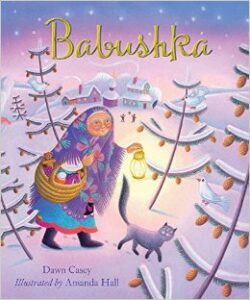
I wouldn’t be surprised if I learned that there was a small running debate as to whether the story of the kind-hearted Babushka was strictly considered to be a folktale. I think it is, and I think it’s great. And the perfect book to read before the holiday season as well!
Beauty and the Beast retold by Mahlon F. Craft, ill. Kinuko Y. Craft
Hooray! A new Craft!! How long has it been? Whatever the case, Craft was always the illustrator I’d turn to when I got small patron insisting on “Pretty fairytales”. Which, as I soon learned, was a desire that could easily be satisfied by just handing the kid one of Craft’s books. No one was quite as consistently appealing as Craft.
The Blue Jackal by Shobha Viswanath, ill. Dileep Joshi
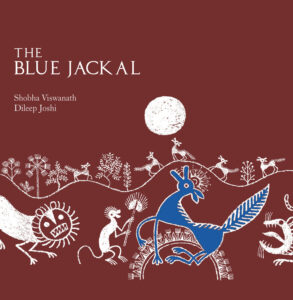
Caterpillar Woman by Nadia Sammurtok, ill. Carolyn Gan
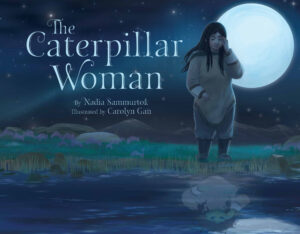
Inhabit Media is a small publisher that consistently puts out remarkable Inuit stories. There were quite a few in 2016 but this one stood out as my favorite. I like it for its flaws. Not in spite of them.
Dwarf Nose by Wilhelm Hauff, ill. Elizabeth Zwerger
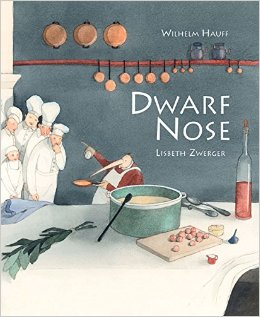
Technically this book is a reprint. Technically I don’t care. I love the disjointed nature of their story. I love that the villain’s name is Herbwise. And, naturally, I like the unexpected ending.
Farmer Falgu Goes on a Trip by Chitra Soundar, ill. Kanika Nair
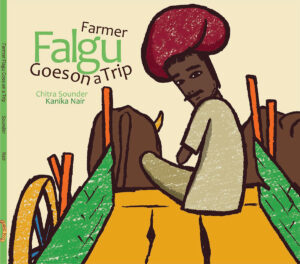
Consider it a version of Zemach’s It Could Always Be Worse.
First Light, First Life: A Worldwide Creation Story by Paul Fleischman, ill. Julie Paschkis.
Fleischman and Paschkis paired once before to collect worldwide stories and song and riddles and rhymes in a Cinderella Story. Now he’ coming back and there’s going to be girls.
Hare and Tortoise by Alison Murray
We don’t have a lot on this list for kids that are below the ages of 6. Here’s one they’ll ask for again and again.
I Am Pan! by Mordicai Gerstein
A little Greek mythology never hurt anyone. And who knew that Gerstein had this much stamina in him? This thing writes, pops, jumps, and does a tapdance on your head, if you let it.
Little Red by Bethan Woollvin
Everyone appears to be just GAGA about this work! The red, black, and white and near wordless plotting work in terms. A lovely retelling.
The Pied Piper of Hamelin by Thomas Baas
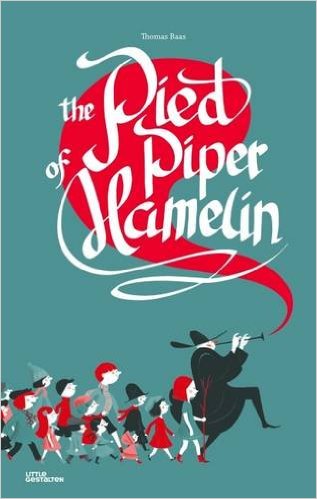
A Word of Warning: If you don’t care for rats, this may not be the book for you. But just look at those colors! Gorgeous.
Prince of Fire: The Story of Diwali retold by Fatinder Verma, ill. Nilesh Mistry
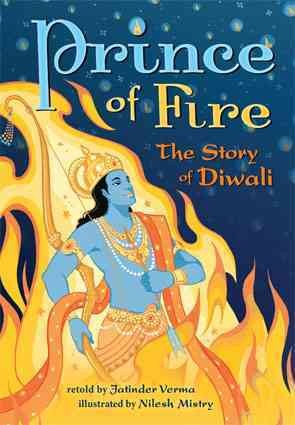
Insofar as I can tell there hasn’t been a definitive Diwali origin published in at least 10 years.
The Princess and the Warrior: A Tale of Two Volcanoes by Duncan Tonatiuh
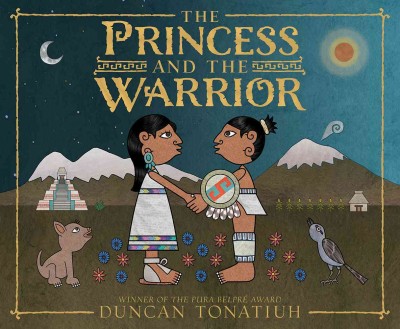
Come to think of it, warriors don’t tend to marry princesses in love stories. That’s okay. It’s still a cool tale.
The Singing Bones by Shaun Tan
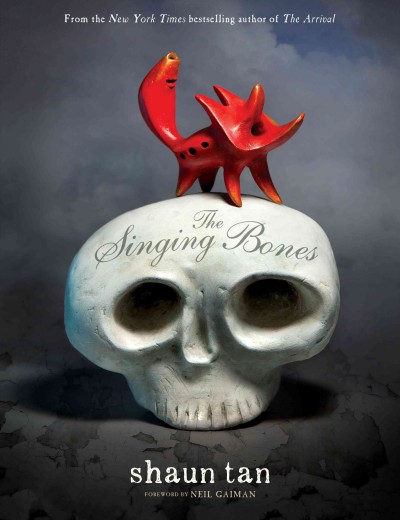
Snippets of Grimm stories are paired with Tan’s remarkable interior models and photography. Creepy beautiful, if that’s a thing.
The Steadfast Tin Soldier by Hans Christian Andersen, retold and illustrated by Joohee Yoon

It’s the original story, which is to say it’s just as depressing as you remembered. Still, the typography, design and colors are superb.
Tales from the Arabian Nights: Stories of Adventure, Magic, Love, and Betrayal by Donna Jo Napoli, ill. Christina Balit
That would be the winner of the Best Tagline award. Well done.
Thumbelina by Xanthe Gresham Knight, ill. Charlotte Gastaut
Oh, it’s so good! I’ve always been very concerned with the mother that Thumbelina abandons in this story. This book, for the very first time in my experience, tackles that loose end head-on. Woohoo!
Vasilisa the Beautiful: A Russian Folktale by Anna Morgunova
There’s a bit of Klimpt to the art here, I’ll admit it.But otherwise I’d say that the book is an original. Love the retelling, adore the art, and I hope the kids appreciated it.
Interested in the other lists of the month? Here’s the schedule so that you can keep checking back:
December 1 – Board Books
December 2 – Board Book Adaptations
December 3 – Nursery Rhymes
December 4 – Picture Book Readalouds
December 5 – Rhyming Picture Books
December 6 – Alphabet Books
December 7 – Funny Picture Books
December 8 – Calde-Nots
December 9 – Picture Book Reprints
December 10 – Math Picture Books
December 11 – Bilingual Books
December 12 – International Imports
December 13 – Books with a Message
December 14 – Fabulous Photography
December 15 – Fairy Tales / Folktales
December 16 – Oddest Books of the Year
December 17 – Older Picture Books
December 18 – Easy Books
December 19 – Early Chapter Books
December 20 – Graphic Novels
December 21 – Poetry
December 22 – Fictionalized Nonfiction
December 23 – American History
December 24 – Science & Nature Books
December 25 – Transcendent Holiday Titles
December 26 – Unique Biographies
December 27 – Nonfiction Picture Books
December 28 – Nonfiction Chapter Books
December 29 – Novel Reprints
December 30 – Novels
December 31 – Picture Books
When I was in college I temporarily rejected my natural inclinations to be a librarian (an occupation I dismissed as boring and nightmarishly appealing) and decided I would become a photographer. So got a B.A. with a concentration in Fine Arts – Photography. And what I learned from my stint as an architectural/portrait/sports photographer was simple: I’m awful that job. Shutter speeds are not my friends and f-stops cause me to break out in hives. So I caved and became a librarian after all, but I never stopped yearning for photography. Maybe that’s why I’m such an advocate for it in children’s books. In 2014 at NYPL I held a Children’s Literary Salon with panelists Nina Crews, Joanne Dugan, Charles R. Smith, and Susan Kuklin to discuss the state of photography in books for kids. It was brilliant, though I was left wondering why, in an age where creating photographic books for kids is cheaper than ever, the pickings are so very slim.
Here then, are the few, the brave, the books that aren’t afraid of f-stops and shutter speeds the way I once was. Here is 2016 photography at its finest. I’ve include interior shots where available to give you a taste of what I mean:
2016 Photography Books for Kids
Best in Snow by April Pulley Sayre
I am so happy that by putting this list in alphabetical order by title April Pulley Sayre is at the top. Her photography over the years has been so luscious and wonderful that were there an award for Best Photography in a Picture Book, she’d be the ringer who gets it over and over and over again. Best in Snow lives up to its name and is a wonderful title to read with kids right now as the temperatures plummet.
Crow Smarts: Inside the Brain of the World’s Brightest Bird by Pamela S. Turner, photos by Andy Comins, ill. Guido de Flilippo
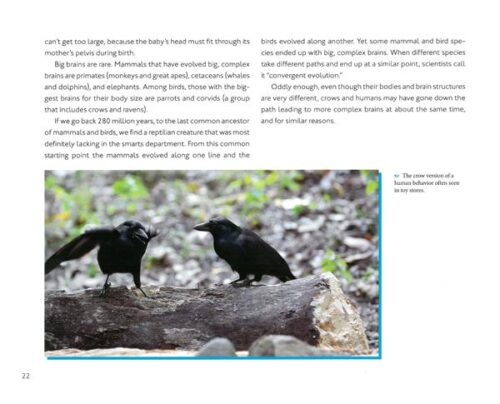 Initially when I thought of this list I figured I’d only include picture books that incorporate photography. That idea sort of fell by the wayside when I realized that there just weren’t enough of them published in a given year. As a result, I’m including those nonfiction titles where a single credited photographer (in this case the incredibly patient and talented Andy Comings) has done the work. Crow Smarts also happened to be one of my favorite nonfiction titles in 2016. It’s not a picture book but rather a long and remarkable look at what may well be the most fascinating, intelligent birds on the planet.
I Am a Baby by Kathryn Madeline Allen, photos by Rebecca Gizicki


My 2-year-old is currently going through that phase where he realizes that babies are smaller than he is. Consequently, he finds them absolutely fascinating. His favorite movie right now? The documentary Babies. And his favorite baby-related book? I Am a Baby by Kathryn Madeline Allen. But it’s Rebecca Gizicki that we should be celebrating today. If you thought that crow book had some difficult shots in it, just try taking pictures of hoards of babies. In both cases the subject matter is pretty cute.
I Wonder: Celebrating Daddies Doin’ Work by Doyin Richards
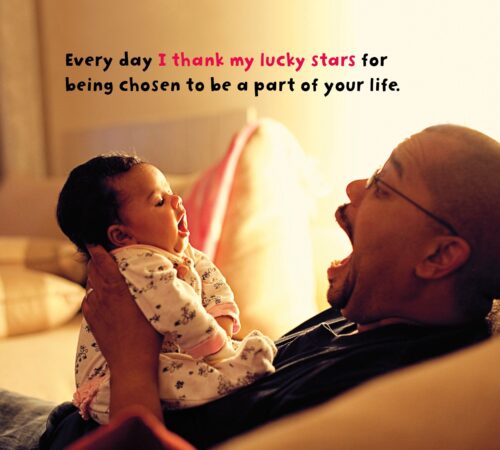
A friend of mine lives in Portland, OR and a couple years ago her husband founded Seahorses PDX, a store dedicated entirely to dads and their kids. They asked me for book recommendations when they first opened, and I complied. Had this book been around then, you can bet I would have mentioned it (and I’ll certainly pass it on to them now). Like I Am a Baby it shows a lot of random babies being cute, but am I supposed to object to that? Bring it on!
Jazz Day: The Making of a Famous Photograph by Roxane Orgill, ill. Francis Vallejo
If it’s any comfort, I know that I’m pushing my luck here. But the entire book is about a photograph! Granted there’s only one real photo in the whole books but look how well artist Vallejo incorporates the real kids into the fictionalized ones:
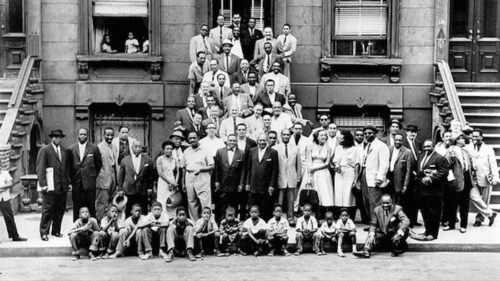
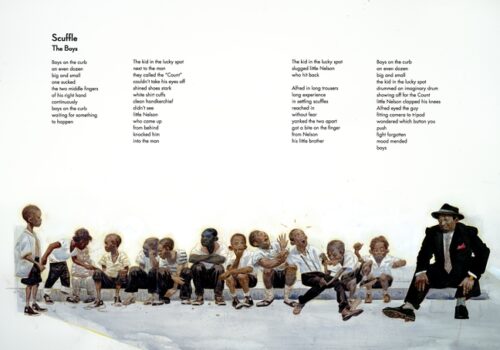
So it stays.
Natumi Takes the Lead: The True Story of an Orphan Elephant Who Finds Family by Gerry Ellis with Amy Novesky

Inviting National Geographic to this party is akin to having a hustler at your weekly poker game. I acknowledge freely that I’m also breaking my rule about not having multiple photographers. My weak excuse is that they were all working for the same company (Nat Geo) and therefore we can count them as a single unit. Still, if I’m going to be honest, the whole reason the book is included is because it features a baby elephant that comes into her own. Would you kick out a baby elephant? Would you? Just look at that punim.
Pink Is for Blobfish: Discovering the World’s Perfectly Pink Animals by Jess Keating, ill. David DeGrand
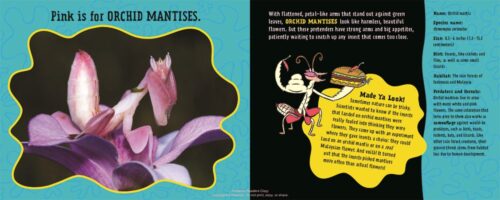
And speaking of punims . . . also a book where the photographers were ah-plenty. But it’s all about little known pink creatures and so beautiful. You should take a gander at it, when you get a chance.
The Secret Subway by Shana Corey, ill. Red Nose Studio
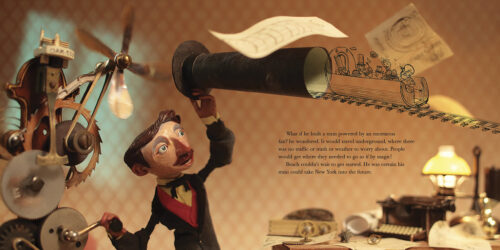
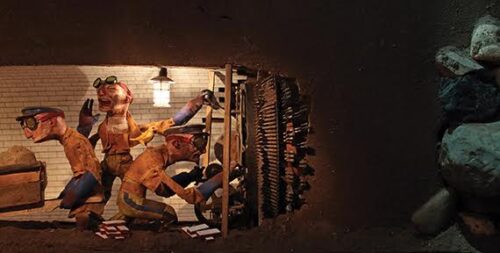
Creating the models for this nonfiction picture book was only half the battle for Red Nose Studio. Next came the difficulty in lighting the scenes. Look at the two examples I’ve placed above. Can you full appreciate the artistry at work here? The composition is rivaled only by the sheer creativity.
Whose Eye Am I? by Shelley Rotner
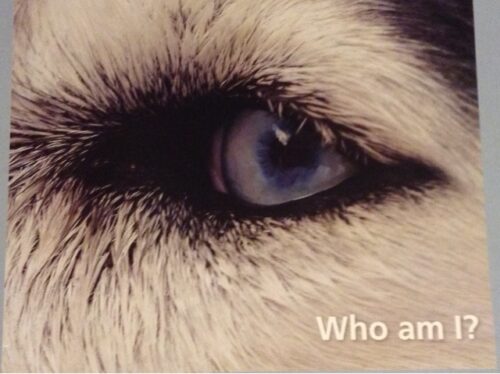
Ms. Rotner did a similar title a number of years ago that was all about feet, I believe, and it never got the attention it deserved. Here’s hoping this eye book will.
Will You Be My Friend? by Susan Lurie, ill. Murray Head
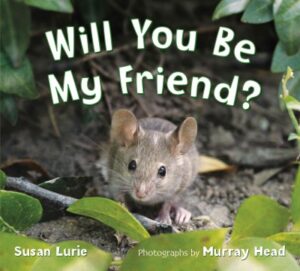
And I’ll end today with a rarity. There once was a time when fictionalized picture book texts were frequently paired with photographic images. Sometimes this yielded transcendent books and sometimes it got a touch on the creepy side (paging, The Lonely Doll). Even the first book on today’s list doesn’t really go all out fictional. Lurie and Head are different. They did this utterly charming book a couple years ago called Swim, Duck, Swim! and now they’re following it up with a classic search for friendship. Should you buy it? Here’s an interior spread to help sway you:
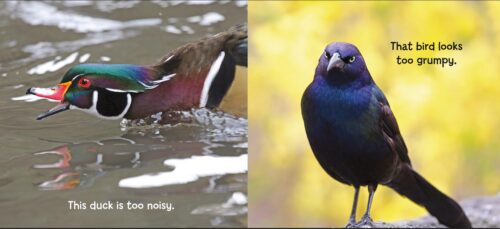
Interested in the other lists of the month? Here’s the schedule so that you can keep checking back:
December 1 – Board Books
December 2 – Board Book Adaptations
December 3 – Nursery Rhymes
December 4 – Picture Book Readalouds
December 5 – Rhyming Picture Books
December 6 – Alphabet Books
December 7 – Funny Picture Books
December 8 – Calde-Nots
December 9 – Picture Book Reprints
December 10 – Math Picture Books
December 11 – Bilingual Books
December 12 – International Imports
December 13 – Books with a Message
December 14 – Fabulous Photography
December 15 – Fairy Tales / Folktales
December 16 – Oddest Books of the Year
December 17 – Older Picture Books
December 18 – Easy Books
December 19 – Early Chapter Books
December 20 – Graphic Novels
December 21 – Poetry
December 22 – Fictionalized Nonfiction
December 23 – American History
December 24 – Science & Nature Books
December 25 – Transcendent Holiday Titles
December 26 – Unique Biographies
December 27 – Nonfiction Picture Books
December 28 – Nonfiction Chapter Books
December 29 – Novel Reprints
December 30 – Novels
December 31 – Picture Books
Hm.
Awkward title on today’s post. “Books With a Message”. Be a lot cleaner if I just said “Didactic Books” or “Books That Try to Teach You Something.” No . . . no . . . that’s worse. I think you get the general gist of what I’m going for, though. Today we’re highlighting books that do something inordinately difficult, and do it well. There are few things worse to read than preachy children’s books that thwap young readers over the heads with whatever message it is that they’re trying to impart. Picture books teach and inspire, but to do so they must be smart and subtle and, above all, well-written. All the more reason to highlight and celebrate those 2016 books that have done just that. Done poorly and these books would be unreadable. As it stands, I consider them important works. Some would be considered bibliotherapy. Others just help parents walk their kids through tough concepts. All are of note.
2016 Message Books
Beautiful by Stacy McAnulty, ill. Joanne Lew-Vriethoff
Topic: Self-esteem, feminism, gender norms
You ever pick up a book and then find yourself uttering a sigh of relief midway through when it turns out it’s actually really good? That was my experience with McAnulty and Lew-Vriethoff’s latest. It sets up expectations by stating the stereotypical definition of what makes a girl “beautiful” and then uses its art to rend that assumption asunder. It’s a lot of fun and far better than a lot of those tired “girl power” books we used to drown in. Truly a beautiful book.
Big Bob, Little Bob by James Howe, ill. Laura Ellen Anderson
Topic: Gender norms
Man. I love this book. In fact, when someone was asking me for a readalike to something like William’s Doll I was quick to mention it. And talk about upsetting expectations! In this book a boy who loves stereotypical boy things (Big Bob) moves next door to a boy who likes things like dolls and dressing up (Little Bob). In a nice twist, Big Bob never berates Little Bob for his choices. No, that job goes to a girl who also moves in nearby and who sees it as her job to reinforce gender norms. I know that girl. I’ve seen her at work at my kids’ daycares (and believe me, it is 80% of the time a girl and not a boy doing this). The happy ending of this book is satisfying. Little wonder. In case you missed it that’s author James Howe at the helm.
A Bike Like Sergio’s by Maribeth Boelts, ill. Noah Z. Jones
Topic: Economic disparity
Because books about kids that have less money than their classmates tend to be overly simplified, it’s hard to find any that present their problems realistically. This book is one of the very few. Ruben doesn’t have a bike. Sergio does. And, as a result, Sergio really and truly doesn’t understand why Ruben’s parents don’t just buy a bike for him for his upcoming birthday. When Ruben sees a woman drop some money he has a bit of a crises of conscience. Boelts does a fine and dandy job with this. It would have been so easy to reward Ruben at the end of the book with his own bike after all, but that’s not how the world works, kiddos. It’s hard to end a book on an upbeat note when your characters don’t attain their hearts’ desires, but somehow Boelts manages it.
Bingo Did It by Amber Harris, ill. Ard Hoyt
Topic: Lying, taking responsibility for your actions
To my mind, you can never have enough books on your shelves about taking responsibility for your own actions. I wasn’t so sure about this one when I picked it up, but it won me over.
Cry, Heart, But Never Break by Glenn Ringtved, ill. Charlotte Pardi
Topic: Death
We may have mentioned this in passing when we were talking about notable imports in 2016. Death has a tendency to be presented with a great deal of serenity when Europeans talk about it. It’s a natural part of life, but the U.S. market isn’t quite ready to deal with it quite as regularly as other places.
Death Is Stupid by Anastasia Higginbotham
Topic: Death
And speaking of death, welcome to one of my favorite books of 2016. My sole regret is that I wasn’t alerted to its existence until much later in the year. No matter! I would go so far as to say that of all the books on this list, this is the one that every single library out there should own. It smashes weak explanations and eviscerates the hemming and hawing that accompanies a death in the family. And it’s funny. So, pretty much, the whole package.
Elliot by Julie Pearson, ill. Manon Gauthier
Topic: Foster homes, adoption, autism spectrum
Earlier in the year I reviewed this book. Since it’s unlike any other on your shelves, it can be difficult figuring out where to put it. In my library, we cataloged it in the parenting section of the children’s room. There it will remain, until it is checked out to help some child realize why their siblings might have multiple issues to work out (and that there’s always a light at the end of the tunnel).
French Toast by Kari-Lynn Winters, ill. Francois Thisdale
Topic: Racism, self-esteem
Picture books rarely confront racism straight on, but when they do the result is often impressive. Here, a bi-racial girl takes a name thrown at her and makes it a point of pride. With the help of someone older and wise, of course. Naturally.
Home at Last by Vera B. Williams, ill. Chris Raschka
Topic: Same-sex families, abandonment, adoption
My God. What a good book. We’ve come a long long ways since the days of Heather Has Two Mommies. For a long time we’ve had books with same sex parents where the two of them are perfect parents. Well, say goodbye to that idea! The dads in this book are deeply caring individuals who would do anything to make their new son, Lester, happy. Unfortunately he has a tendency to get up in the middle of the night. The moment when one of his dad’s just breaks down and yells was so real I felt I knew these guys. It’s one of the reasons that, in terms of the writing, this is one of the best books I’ve ever read, daring to turn a gay couple into real human beings on the page.
I Have Cerebral Palsy by Mary Beth Springer
Topic: Cerebral palsy
When you are a children’s librarian and you have absolutely nothing on your shelves on a given topic, you find yourself grasping at straws. You’ll buy any schlock, just so long as it fills those gaps. That’s why it can be a real relief when you get a book like this one. Sydney’s story is told in simple language that’s easy for kids to understand. It’s straightforward, fun, and not a topic we hear a lot about in a given day/month/year. Highly recommended.
I’m a Girl by Yasmeen Ismail
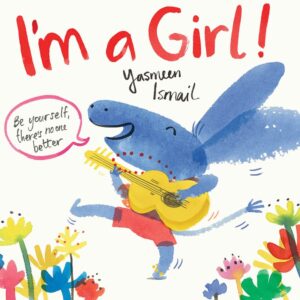
Topic: Gender norms, feminism
This girl is continually called a boy because she likes to do many of the things that boys do. Does she accept that? She does NOT! A good book if you want your kid to follow her example.
Jenny & Her Dog Both Fight Cancer: A Tale of Chemotherapy and Caring by Jewel Kats, ill. Claudia Marie Lenart
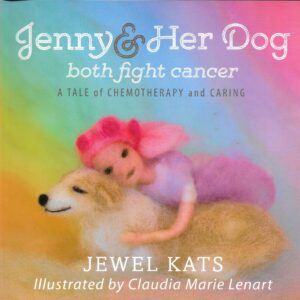
Topic: Cancer
I’ve seen a lot of books about what to do when a parent or grandparent has cancer. Not a ton about kids with cancer. Lenart’s art in this book is the true showstopper, though Kats’s writing does a good job as well. You know me. You know I have a low tolerance for books that don’t live up to their highest potential, and I tell you now that this book is worth owning in your library.
Life Without Nico by Andrea Maturana, ill. Francisco Javier Olea
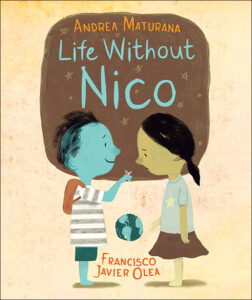
Topic: Moving
It strikes me as a little odd that I didn’t see more books about moving this year. Without being depressing, this book adeptly captures the sorrow a kid can feel when their best friend goes away.
Little Brother Pumpkin Head by Lucia Panzieri, ill. Samantha Enria
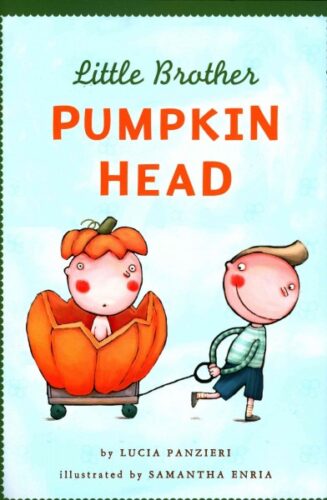
Topic: New baby
Sure, we’ve long since left Halloween behind. But this fun story of a boy coming to terms with his new little brother, and then doing what he can to make the kid happy, is lovely.
Luis Paints the World by Terry Farish, ill. Oliver Dominguez

Topic: Military families, urban renewal
I can be forgiven for occasionally getting this mixed up with Maybe Something Beautiful. That said, the book is an excellent choice for military brats. Here you have a kid carrying on as well as possible when his brother leaves to serve in the armed forces. Considering how many military families visit libraries these days, it would be nice to have something they can relate to.
Manners Are Not for Monkeys by Heather Tekavec, ill. David Huyck
Topic: Manners
Hope you like surprise endings, cause this one’s clearly a doozy.
Maybe Something Beautiful: How Art Transformed a Neighborhood by F. Isabel Campoy & Theresa Howell, ill. Rafael Lopez
Topic: Urban renewal
With the extra added perk of being based (to some extent) on a true story.
My Friend Maggie by Hannah E. Harrison
Topic: Bullying
At some point here Hannah E. Harrison is going to start coming into her own. Few artists are quite so adept at animal feelings. This is a very realistic bullying situation too. Just a remarkable book through and through.
Newspaper Hats by Phil Cummings, ill. Owen Swan
Topic: Dementia
I was going to say the topic was “Alzheimers” but that’s never made explicit in the text. For kids who have to visit older relatives that have “good” and “bad” days, this is a perfect book. It begins with the kid asking if her grandfather will recognize her that day. And he never does. Do you know how much guts it takes to write something like that. You go, Phil Cummings!
School’s First Day of School by Adam Rex, ill. Christian Robinson
Topic: First day of school
I’m calling it: My favorite first day of school book of all time. Throw in that towel now.
Somebody Cares: A Guide for Kids Who Have Experienced Neglect by Susan Farber Straus, ill. Claire Keay
Topic: Child abuse/neglect
A typical children’s librarian will see a lot of these books in a given year. How many of them are actually good, though? I can say with certainty that this is the first I’ve seen to pinpoint neglect. And while it’ll never win any lofty literary awards, it does a truly excellent job at confronting a very big problem. This book could be a real help to a child. It does its job.
Their Great Gift: Courage, Sacrifice, and Hope in a New Land by John Coy, ill. Wing Young Huie
Topic: Immigration
Did you ever see that episode of “Master of None” where Aziz Ansari and his friend complain about their immigrant parents and then find out what they’ve been through in the past? I love that episode. It reminded me a lot of this book. Too often kids are taught that immigration is historical. They have no clue that immigrants come to this country every single day. This book makes it clear and the photographs are fantastic.
Worm Loves Worm by J.J. Austrian, ill. Mike Curato
Topic: Gender fluid
Boy, this could have gone any number of different ways. In this story, two worms that doesn’t identify with one gender or another fall in love. When they attempt to marry a bunch of other critters try to slot the into preexisting norms. Which, I might add, they reject with a great deal of style. Beloved for a reason.
Interested in the other lists of the month? Here’s the schedule so that you can keep checking back:
December 1 – Board Books
December 2 – Board Book Adaptations
December 3 – Nursery Rhymes
December 4 – Picture Book Readalouds
December 5 – Rhyming Picture Books
December 6 – Alphabet Books
December 7 – Funny Picture Books
December 8 – Calde-Nots
December 9 – Picture Book Reprints
December 10 – Math Picture Books
December 11 – Bilingual Books
December 12 – International Imports
December 13 – Books with a Message
December 14 – Fabulous Photography
December 15 – Fairy Tales / Folktales
December 16 – Oddest Books of the Year
December 17 – Older Picture Books
December 18 – Easy Books
December 19 – Early Chapter Books
December 20 – Graphic Novels
December 21 – Poetry
December 22 – Fictionalized Nonfiction
December 23 – American History
December 24 – Science & Nature Books
December 25 – Transcendent Holiday Titles
December 26 – Unique Biographies
December 27 – Nonfiction Picture Books
December 28 – Nonfiction Chapter Books
December 29 – Novel Reprints
December 30 – Novels
December 31 – Picture Books

By:
Betsy Bird,
on 12/11/2016
Blog:
A Fuse #8 Production
(
Login to Add to MyJacketFlap)
JacketFlap tags:
Best Books,
translations,
children's literature in translation,
translated picture books,
imports,
Best Books of 2016,
2016 imports,
2016 translated children's books,
31 days 31 lists,
Add a tag
I know it gets confusing but this list is a bit different from the Calde-not list from a couple days ago. The reason is simple. While the Calde-not list looks primarily at books with illustrations so distinguished they could easily win major illustration awards if given half a chance, this is list is more for those books that may not blow you away on a first glance, but that make our publishing landscape richer for their very existence. I was inordinately pleased after I read each and every one of these books. They’re a little peculiar, distinctly different from what you’ll find in the American market, and altogether remarkable.
2016 International Imports for Kids
Picture Books
Chirri & Chirra by Yuki Kaneko
Sweet and dreamlike, this Japanese import has a light and sweetness to it that will simultaneously make it deeply beloved in a few select homes, while also not drawing so much attention to itself that it ever becomes much more than a cult hit in the States. Do yourself a favor and discover it. It’s the kind of book you want to influence the dreams of your children with.
Cry, Heart, But Never Break by Glenn Ringtved, ill. By Charlotte Pardi
This Danish import just reminds us that when it comes to poetic picture books about death, American just don’t deal very well. Our death books tend to either be straightforward guides (here’s what to expect, etc.) or complete and utter fanciful metaphors. This book feels like it’s both fable and straightforward talk. A rare thing.
The Day I Became a Bird by Ingrid Chabbert, ill. Guridi
Kirkus didn’t get it. SLJ did. In this story a boy falls in love with a bird-loving girl. To get her attention he constructs an elaborate bird costume. Make of that what you will.
Don’t Cross the Line! by Bernardo P. Caravalho, ill. Isavel Martins
Portugal! And an interesting book at that. This one combines the interactive qualities of something like Don’t Let the Pigeon Drive the Bus or Press Here with a political statement about thwarting unjust authority. This book may get a bit more play in the coming years.
Look Up by Jung Jin-Ho
I love this one since it confronts and rearranges the reading experience and expectations of children. Add in the fact that it stars a girl in a wheelchair (who is not solely defined as a person from that chair) and you’ve got a golden book on your hands.
My Baby Crocodile by Gaetan Doremus
Funny story. I cannot read this book without setting it to the tune of “My Funny Valentine”. I suspect that this is because the two phrases share the same number of syllables more than anything else, but maybe it also has to do with the strange nature of love celebrated in this book. The story is between a near-sighted crocodile that “adopts” a knight, thinking he’s a baby croc. It’s odd and sweet and strange and funny. Memorable too.
A Promise Is a Promise by Knister, ill. Eve Tharlet
I found this one interesting perhaps because of the deep-seated feeling of betrayal our hero suffers in the course of things. It’s a very childlike understanding of an impossible promise and I like how it’s handled. A book that belies its cutesy cover.
Undercover by Bastien Contraire
I absolutely adore this book. It’s a story where you have to spot the thing that doesn’t match. Contraire, living up to his name, doesn’t make it easy on you, though. The cover alone should be enough to prove that to you.
What Color Is the Wind? By Anne Herbauts
I’ve already reviewed it but if you somehow missed mention of this marvelous books about blindness and tactile response, now’s the time. You won’t find anything else like it on the market today.
Why Am I Here? by Constance Orbeck-Nilssen, ill. Akin Duzakin
Big questions for little brains. I like this one a lot. Lemur or not lemur.
Middle Grade
The Birth of Kitaro by Shigeru Mizuki
Honestly the backmatter explaining the entire history of the yokai in Japanese history and literature is some of the most fascinating stuff here. In a way, this book reads like what would have happened if Quasimodo turned into a superhero rather than a bell fantastic. I loved the peculiar (to me) nature of the storylines, the characters, and particularly the creatures.
The Heartless Troll by Oyvind Torseter
The troll is, without a doubt, one of the most horrific renderings I’ve seen in a children’s book in a long time. Which is to say – it’s awesome! Definitely hand this to older kids, but appreciate it on your own when you get a chance. As graphic novels go, there are few things to compare it to.
Under Earth / Under Water by Aleksandra Mizielinska and Daniel Mizielinski
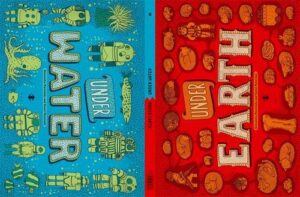
This Polish import is fantastic. There was a book of maps that came out from this couple previously. I’m not as big a fan of those, but what I am a fan of is learning about all that goes on below. Good times.
Misc
And just a quick shout-out to the Candied Plums titles that aren’t online yet. These are the real deal. I just adore them:
- Little Rabbit’s Questions by Dayong Gan, translated by Helen Wang (978194529270 – www.candiedplums.com)
- Picking Turnips by Xu Zhou, translated by Adam Lanphier (9781945295263 – www.candiedplums.com)
- Who Wants Candied Hawberries? by Dongni Bao, ill. Di Wu, translated by Adam Lanphier
Interested in the other lists of the month? Here’s the schedule so that you can keep checking back:
December 1 – Board Books
December 2 – Board Book Adaptations
December 3 – Nursery Rhymes
December 4 – Picture Book Readalouds
December 5 – Rhyming Picture Books
December 6 – Alphabet Books
December 7 – Funny Picture Books
December 8 – Calde-Nots
December 9 – Picture Book Reprints
December 10 – Math Picture Books
December 11 – Bilingual Books
December 12 – International Imports
December 13 – Books with a Message
December 14 – Fabulous Photography
December 15 – Fairy Tales / Folktales
December 16 – Oddest Books of the Year
December 17 – Older Picture Books
December 18 – Easy Books
December 19 – Early Chapter Books
December 20 – Graphic Novels
December 21 – Poetry
December 22 – Fictionalized Nonfiction
December 23 – American History
December 24 – Science & Nature Books
December 25 – Transcendent Holiday Titles
December 26 – Unique Biographies
December 27 – Nonfiction Picture Books
December 28 – Nonfiction Chapter Books
December 29 – Novel Reprints
December 30 – Novels
December 31 – Picture Books
I wish I had the numbers in front of me. I wish I could tell you how many bilingual books for kids have been published in the past and how that number compares to today. If we’re going to speak to my experience as a children’s librarian over the past decade, all I can say with any certainty is that while I don’t know if the number of bilingual books has increased, I do feel as if I’m seeing a wider range of languages. That is a wholly unscientific speculation, of course. In any case, enjoy this smattering of some truly lovely bilingual books out in 2016.
Note: Some of the titles on this list are not strictly bilingual. They may instead incorporate more than one language into their text. I have included these because they encourage a love of multiple languages and do not slot neatly under any kind of definition (and are consequently forgotten). I’ll note these titles as they appear.
2016 Bilingual Books for Kids
SPANISH
Ada’s Violin: The Story of the Recycled Orchestra of Paraguay by Susan Hood, ill. Sally Wern Comport
El Violín de Ada: La Historia de la Orquesta de Instrumentos Reciclados del Paraguay by Susan Hood, ill. Sally Wern Comport
A friend pointed out to me earlier in the year that it was somewhat remarkable that a nonfiction picture book was coming out in both English and Spanish versions. Never mind that it’s beautiful to look at with great writing and a unique story. Or that it’s one of the rare picture books out there where you can honestly get it from a child’s point of view. I like to think that this book may be a sign of things to come. Or maybe I just hope it.
Animal Talk: Mexican Folk Art Animal Sounds in English and Spanish by Cynthia Weill, ill. Rubi Fuentes and Efraiin Broa
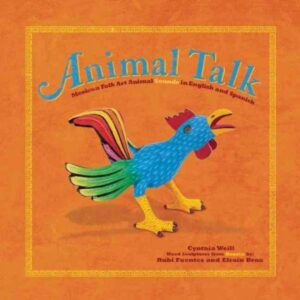
This isn’t Weill’s first time around the block. It is, however, strange that I can’t conjure up more titles that do precisely this: show animals sounds in another language. It sort of sounds like a no brainer when you hear about it, doesn’t it? Kudos for the idea and the gorgeous follow through.
Little Chickies / Los Pollitos by Susie Jaramillo
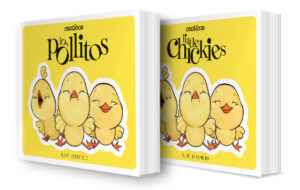
I think this is just one of the great book publications of the year. In fact, I included this on my earlier board book list. Then, one of my commenters mentioned that there was also this out there:
Little Elephants / Elefantitos by Susie Jaramillo
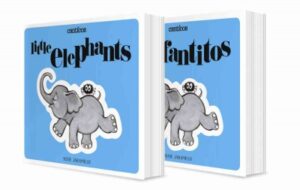 I’ll take twenty.
La Madre Goose: Nursery Rhymes for Los Ninos by Susan Middleton Elya, ill. Jana Martinez-Neal
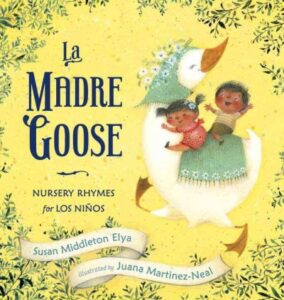
Yay! Now this appeared on the nursery rhymes list already, but it’s nice to see it here on the bilingual list as well. Granted it’s not strictly bilingual. Spanish words are integrated into the text. But that’s okay. I just think it’s neat.
Olinguito, from A to Z! / Olinguito, de la A a la Z! by Lulu Delacre
And you may have seen this gorgeous title on my alphabet list too. It’s far more than that, though. A science book that looks at rainforests in depth, an alphabet book, a bilingual book, and a collection of the author’s poetic rhymes (in TWO languages!), it’s a bit of an achievement.
Rudas: Nino’s Horrendous Hermanitas by Yuyi Morales
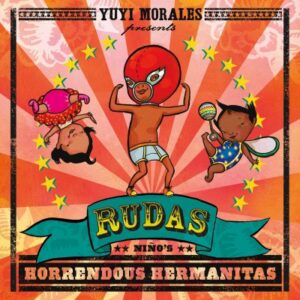
They’re baaaaack! Again, not strictly bilingual but with a consistent smattering of Spanish words, this sequel to Nino Wrestles the World picks up where the last book left off.
Somo Como Las Nubes / We Are Like the Clouds by Jorge Argueta, ill. Elisa Amado
Oh, these poems are AMAZING! Subject matter aside, these poems make an immediate emotional connection with readers
Waiting for the Biblioburro / Esperando el Biblioburro by Monica Brown, ill. John Parra
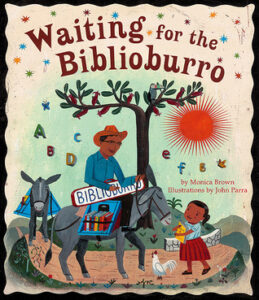
I felt bad. An acquaintance, not knowing if this book would appear on my list, went so far as to send me a copy. I could have saved them a stamp since this book has been on my radar for a while. It is by NO means the first biblioburro book I’ve ever seen, but it may well be the most touching.
JAPANESE
Are You an Echo?: The Lost Poetry of Misuzu Kaneko by David Jacobson, ill. Toshikado Hajiri, translations by Sally Ito and Michiko Tsuboi
I believe that there’s a fair amount of Japanese at the end of this book or perhaps in the poems. Hey, if it means I get to put it on a list, you can BET that I’ll be first in line to do so.
The Last Kappa of Old Japan: A Magical Journey of Two Friends by Sunny Seki
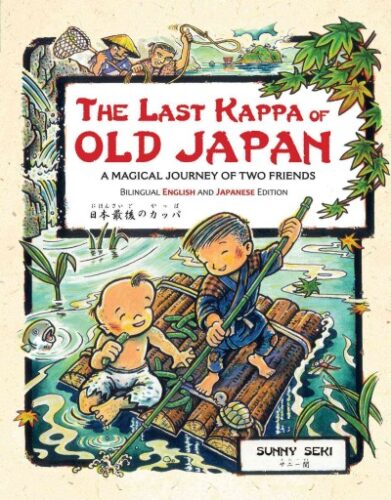
A sweet story with a modern twist, this is great! Takes a classic folktale creature and gives it warmth and heart and wonder.
ARABIC
Stepping Stones: A Refugee Family’s Journey by Margriet Ruurs, ill. Nizar Ali Badr
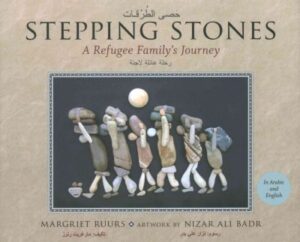
Bilingual Arabic books for kids are few and far between, so the appearance of this book on our shelves is a real treat.
I would be amiss if I didn’t should out two Chinese / English bilingual titles that I thought were truly wonderful but that are well nigh impossible to find online. Alakazam by Chao Wang, ill. Duncan Poupard (9781945295102) and CeeCee by Mao Xiao, ill. Chunmiao Li & Yanhong Zhang, translated by Helen Wang (9781945295140) are two books that deftly display how seamlessly some translated Chinese titles fit into the American picture book market. Unfortunately, as of this posting, I’ve been unable to locate them online. If you have any leads on the matter, be sure to let me know. They’re really and truly great books.
Interested in the other lists of the month? Here’s the schedule so that you can keep checking back:
December 1 – Board Books
December 2 – Board Book Adaptations
December 3 – Nursery Rhymes
December 4 – Picture Book Readalouds
December 5 – Rhyming Picture Books
December 6 – Alphabet Books
December 7 – Funny Picture Books
December 8 – Calde-Nots
December 9 – Picture Book Reprints
December 10 – Math Picture Books
December 11 – Bilingual Books
December 12 – International Imports
December 13 – Books with a Message
December 14 – Fabulous Photography
December 15 – Fairy Tales / Folktales
December 16 – Oddest Books of the Year
December 17 – Older Picture Books
December 18 – Easy Books
December 19 – Early Chapter Books
December 20 – Graphic Novels
December 21 – Poetry
December 22 – Fictionalized Nonfiction
December 23 – American History
December 24 – Science & Nature Books
December 25 – Transcendent Holiday Titles
December 26 – Unique Biographies
December 27 – Nonfiction Picture Books
December 28 – Nonfiction Chapter Books
December 29 – Novel Reprints
December 30 – Novels
December 31 – Picture Books
God has a sense of humor. How else to explain the fact that for the past three or four years I have been a founding and contributing member of the Mathical Book Award committee? Yep, each year I read a slew of math-related books for kids. I do it because while I personally was not overawed by integers as a child (aside from enjoying the PBS show Square One, of course), there are a lot of kids out there who are. Where are their books? Since the founding of the award, it’s not as if the number of quality math books have increased significantly over the past few years. That said, I have begun to notice them more astutely.
Here are the best and the brightest relating to math in 2016. Books that even an entirely right-side-of-the-brain kid will appreciate on some level. And to keep it fair, I’m highlighting both books that incorporate math into the text and stories about mathematicians themselves.
2016 Math Picture Books
Counting Books
Billions of Bricks: A Counting Book About Building by Kurt Cyrus
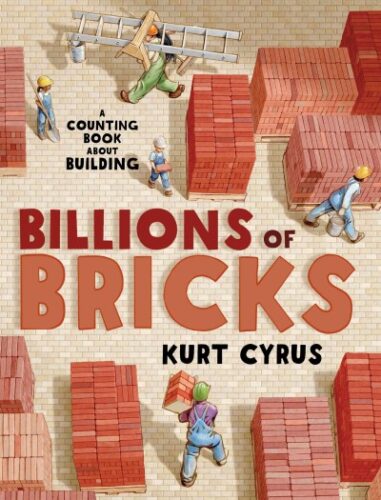
I’m sort of stretching the definition of what constitutes a counting book as far as I possibly can. That said, this picture book is a subtle little number, implying to the reader that counting and math are essential when it comes to construction and architecture. It’s never explicitly stated, but you could explain it pretty easily after reading the book. Give it a go!
Counting in the Garden by Emily Hruby, ill. Patrick Hruby
I’m not always a fan of digital art, but there was something deeply satisfying in how the Hrubys chose to display the plants, insects, and animals of this book. From a design standpoint alone I think it’s notable. The counting is just the icing on the cake.
It’s Not Easy Being Number Three by Drew Dernavich
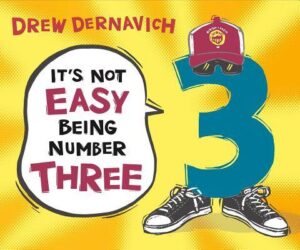
Not technically a counting book but since it involves numbers I figured it could fit in here. The number three decides it’s had enough and is quitting its job. It enters the real world, taking on different professions, before it becomes clear that the world is a lesser place without threes.
Octopuses One to Ten by Ellen Jackson, ill. Robin Page
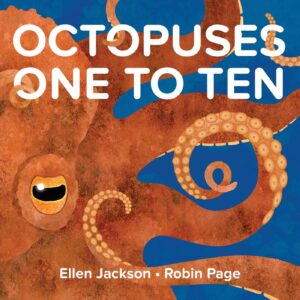
Who doesn’t love octopuses? Particularly when you get to count them? At long last these odd alien-looking creatures get their due. Page’s work on the art is truly stunning as well.
1 Big Salad: A Delicious Counting Book by Juana Medina
 I’ve grown very fond of counting books that include healthy food, these days. Anything that allows me to promote tasty veggies to my impressionable small children AND covers counting is gold in my book.
Swallow the Leader: A Counting Book by Danna Smith, ill. Kevin Sherry
First thought upon seeing this cover was to be reminded of Victoria Chess’s magnificent Ten Sly Piranhas. This lacks that book’s courage of its convictions, but is still a really fun and lovely reverse counting book.
Biographies
Ada Lovelace, Poet of Science: The First Computer Programmer by Diane Stanley, ill. Jessie Hartland
It never rains but it pours. Last year saw the publication of one picture book biography of Ada Lovelace. This year has produced two, with more on the way in the future, I’m sure.
Ada’s Ideas: The Story of Ada Lovelace, the World’s First Computer Programmer by Fiona Robinson
The crazy thing is, for all that they’re so strongly different from one another, there are elements that I like in both.
Real World Applications
Animals by the Numbers: A Book of Infographics by Steve Jenkins
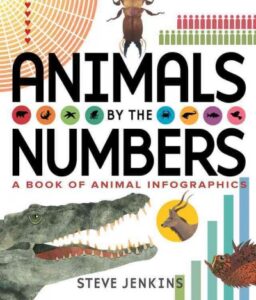
Do kids actually like infographics? I’ve never been able to answer that question so hopefully they do. Particularly when the visuals are as stunnng as the ones you’ll find here.
How Much Does a Ladybug Weigh? by Alison Limentani
I give full credit to my discovery of this book to New York Public Library’s recent release of its 100 Best Books of 2016 list. Had they not highlighted it, I never would have found it on my own. In this book it starts slowly with small animals. Oh, here, I’ll give you an interior visual:
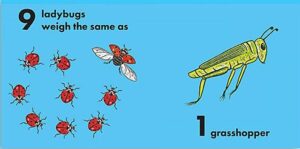 On the next page that one grashopper has become two and you get to see what two grass hoppers weigh as much as.
Place Value by David Adler
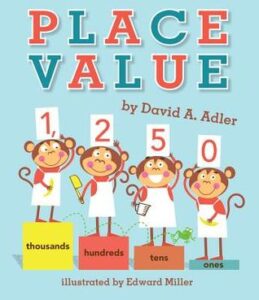
To be fair, Circles was another Adler title this year, but if I had to choose between that and this, this would win every time. Cheeky monkey chefs walk your kid through different numerical values. Probably the smartedst explanation I’ve seen in a book for kids to date.
For Older Readers
I know this list says it’s just for picture books, but I’d be amiss if I didn’t include two of my favorite notes.
Rebel Genius by Michael Dante DiMartino
A co-creator of Avatar: The Last Airbender came out with a middle grade novel this year and it’s certainly exciting to read. In the book, students must learn geometry to fulfill their tasks. There’s not a ton of geometry in the book, mind you, but there’s just enough to keep you coming back for more.
Secret Coders by Gene Luen Yang
How on earth did Gene Luen Yang convince his good people to allow him to produce a graphic novels series on coding? That man must have magical powers.
December 1 – Board Books
December 2 – Board Book Adaptations
December 3 – Nursery Rhymes
December 4 – Picture Book Readalouds
December 5 – Rhyming Picture Books
December 6 – Alphabet Books
December 7 – Funny Picture Books
December 8 – Calde-Nots
December 9 – Picture Book Reprints
December 10 – Math Picture Books
December 11 – Bilingual Books
December 12 – International Imports
December 13 – Books with a Message
December 14 – Fabulous Photography
December 15 – Fairy Tales / Folktales
December 16 – Oddest Books of the Year
December 17 – Older Picture Books
December 18 – Easy Books
December 19 – Early Chapter Books
December 20 – Graphic Novels
December 21 – Poetry
December 22 – Fictionalized Nonfiction
December 23 – American History
December 24 – Science & Nature Books
December 25 – Transcendent Holiday Titles
December 26 – Unique Biographies
December 27 – Nonfiction Picture Books
December 28 – Nonfiction Chapter Books
December 29 – Novel Reprints
December 30 – Novels
December 31 – Picture Books
Sometimes I talk about how books with illustrators from countries other than America get a bum rap because there are so few awards that they can win. And this isn’t untrue, but there are a couple lists that give them their due. There’s the New York Times Best Illustrated list, and the Society of Illustrators show with all the awards inherent therein. There’s the Batchelder Award (sorta) and all those Best of the Year lists the review journals put out.
Pity then the picture book reprint. There is no award for a reprint. No best of list will tend to display such books. They are often lovely, but they rarely go viral. Perhaps there will be a crew of stalwart fans that cheer such a book’s reappearance, but no one ever gets rich off of picture book reprints.
Today, I sing the praises of those reprints. I’ve seen a lot of them this year, and these are the standouts. A truly lovely creation, each and every one. Your bookshelves will be richer for having them.
2016 Picture Book Reprints
The Brownstone by Paula Scher, ill. Stan Mack
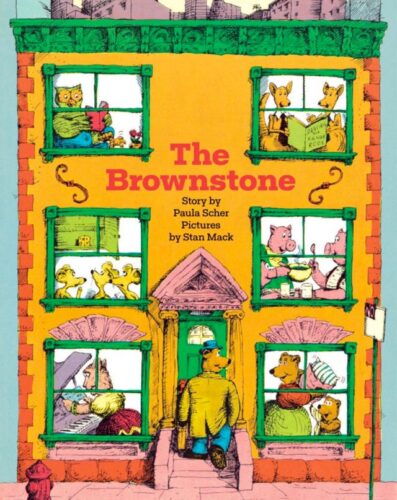
I’m so pleased that this book comes first alphabetically on today’s list. I was completely unaware of the existence of this book, to say nothing of Paula Scher or Stan Mack, until it was reprinted. It’s marvelous! Each denizen of an apartment bugs another one, so they keep switching apartments around like mad. It’s basically a lower stakes version of the old fox/chicken/bag of grain riddle. Did I mention it was charming? It’s charming.
Colors by John J. Reiss
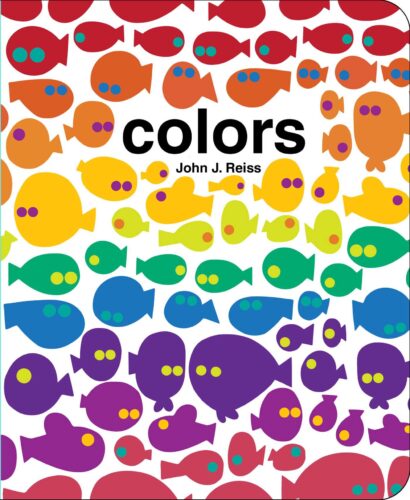
I’m switching it up. I put one of the Reiss reprints in the reprinted board book selection. Now I’m putting this one into the reprinted picture book section. Fair’s fair, and all the books in this series are lovely and deserving of praise.
Do You Hear What I Hear? by Helen Borten
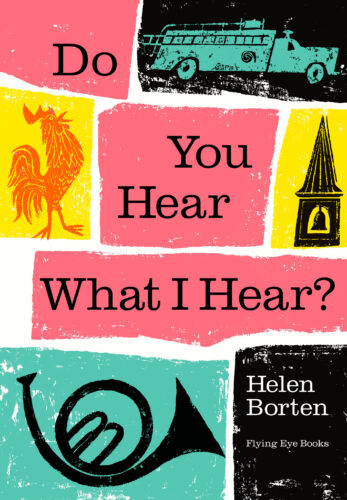
Add this one to your collection of picture books about the five senses. Borten tackles sound in this book through a variety of creative methods. Though this book came out in the 1960s, it still feels pretty darn fresh when you read it through.
Fletcher and Zenobia by Victoria Chess and Edward Gorey, ill. Victoria Chess
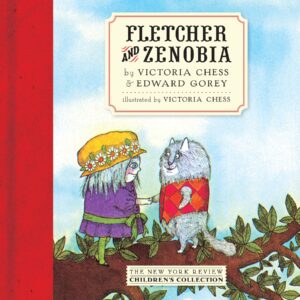
No, your eyes do not deceive you. That’s Victoria Chess pairing with Edward Gorey. What a duo! I was a huge fan of Chess back in the day. Remember Slugs? No. Wait. Don’t remember Slugs. That thing was unnerving. Remember the piranha one instead. I love her work and to see her with a Gorey plot (and a sweet one at that) is just icing on the cake.
The Happy Hunter by Roger Duvoisin
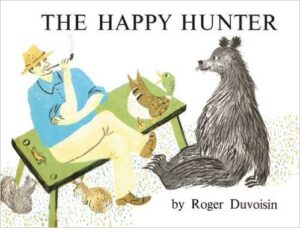
I guess it’s fairly safe to say that we don’t see quite as much bandying about of guns in picture book these days. Fortunately, this particular hunter is more enamored of the act of having a gun than actually using it in any way. This was a good Duvoisin that I never really saw. Nice to see him coming back in print.
The Marzipan Pig by Russell Hoban
I think I actually physically squealed with delight when I saw that this was coming out this year. Way back in 2004 I would run film strips (yep, FILM strips) in the Jefferson Market Branch of NYPL. I could request these films from the Performing Arts Library of NYPL (by typing little carbons on a typewriter, but that’s another story) and my favorite one to request was The Marzipan Pig. You can’t find it on YouTube but you can see some of it on Fandor, so enjoy. I tended to play it around Valentine’s Day, thereby ensuring that a bunch of young adults are now wandering this Earth wondering why they have this strange memory of a film with a pig and an owl and a taxicab. So happy to see the book, at least, is back in print.
The Nutcracker by E.T.A. Hoffman, ill. Lisbeth Zwerger
It’s a lovely one, really. I had to have at least one Zwerger on my list this year and I decided to go with this one because besides the Maurice Sendak one it’s the only illustrated version I’ve seen of the original story by E.T.A. Hoffman. Tis the season.
Roland the Minstrel Pig by William Steig
A good year for pigs, no? It’s hard to believe that this was William Steig’s first picture book. Harder still to believe that he wrote it when he was sixty-one.
Sam and Emma by Donald Nelsen, ill. Edward Gorey
What’s better than one reprinted Edward Gorey? TWO reprinted Edward Goreys! I knew that this particular book was a bit of a cult hit and that Sam and Emma fans abound. What I didn’t know was that it would feel quite so much like the Houndsley and Catina series by James Howe. It’s actually a rather remarkable little book in that it attempts to show that our perceptions and expectations may not always be accurate when dealing with other people.
Tomi Ungerer: A Treasury of Eight Books by Tomi Ungerer
Though I was a little surprised to find that The Beast of Monsieur Racine was not included in this collection, all told I was happy with the selection. You’ve got a nice mix of old classics and newer works. They all have this feeling peculiar to Ungerer and no one else. It’s nice to see him having his Renaissance while he’s still alive.
The Toy Brother by William Steig
This one had a lot of similarities to Steig’s later work Sylvester and the Magic Pebble. Spells going awry and the possibility that you’ll now be stuck in the form you’ve accidentally just made for yourself for all eternity. It’s a mighty interesting book. There’s a reason I have multiple Steigs on this list.
What Can I Be? by Ann Rand, ill. Ingrid Fiksdahl King
The cover. Need I say more?
Interested in the other upcoming lists of this month? Here’s the schedule so that you can keep checking back:
December 1 – Board Books
December 2 – Board Book Adaptations
December 3 – Nursery Rhymes
December 4 – Picture Book Readalouds
December 5 – Rhyming Picture Books
December 6 – Alphabet Books
December 7 – Funny Picture Books
December 8 – Calde-Nots
December 9 – Picture Book Reprints
December 10 – Math Picture Books
December 11 – Bilingual Books
December 12 – International Imports
December 13 – Books with a Message
December 14 – Fabulous Photography
December 15 – Fairy Tales / Folktales
December 16 – Oddest Books of the Year
December 17 – Older Picture Books
December 18 – Easy Books
December 19 – Early Chapter Books
December 20 – Graphic Novels
December 21 – Poetry
December 22 – Fictionalized Nonfiction
December 23 – American History
December 24 – Science & Nature Books
December 25 – Transcendent Holiday Titles
December 26 – Unique Biographies
December 27 – Nonfiction Picture Books
December 28 – Nonfiction Chapter Books
December 29 – Novel Reprints
December 30 – Novels
December 31 – Picture Books
A list based entirely on what a book is not? And what precisely is a Calde-not? Well, we’re getting into semantics and rules today, so buckle up. First and foremost, I direct your attention to the illustrious Caldecott Award. The most famous award given to the most distinguished examples of American illustration for children. Note that I said “American”. A Caldecott Award has terms and criteria. Here are two of them:
-
The Medal shall be awarded annually to the artist of the most distinguished American picture book for children published by an American publisher in the United States in English during the preceding year. There are no limitations as to the character of the picture book except that the illustrations be original work. Honor books may be named. These shall be books that are also truly distinguished.
-
The award is restricted to artists who are citizens or residents of the United States. Books published in a U.S. territory or U.S. commonwealth are eligible.
The reason for these rules dates back to the Caldecott’s inception. Created to accompany the already popular Newbery Medal, the award was meant to focus attention on American artists of children’s books. And in a nation besotted with Beatrix Potter (alongside other European creators), it was a good idea. These days, however, we have no difficulty finding delightful American creators. In the end, a lot of magnificent books fall by the wayside, unable to earn worthy awards.
Well, no longer! Today we celebrate books that would be definite Caldecott contenders, if they just weren’t so doggone un-American. In the literal sense, naturally.
2016 Calde-nots
Are You an Echo?: The Lost Poetry of Misuzu Kaneko by David Jacobson, ill. Toshikado Hajiri, translations by Sally Ito and Michiko Tsuboi
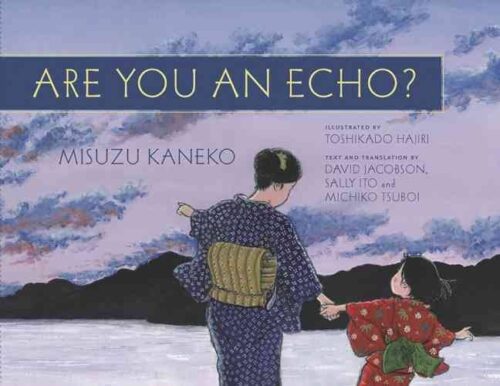
You’ve heard me wax eloquent (or at least long) about the work of Toshikado Hajiri before, but I’ll just mention one more time that the nature scenes in this book, whether it’s a rising sun or sea alongside mountains and sky, are spectacular. The whole book is a wonder. Hopefully it’ll find its audience.
Armstrong: The Adventurous Journey of a Mouse to the Moon by Torben Kuhlmann
German to its core, though I’ve been surprisingly gratified by the increase in Kuhlmann-love over the past year. Though he never gets attention from folks like the New York Times Best Illustrated list, at least his star is rising. This book is just as lovely as its predecessor (Lindbergh) if less of a surprise.
The Bear Who Wasn’t There and the Fabulous Forest by Oren Lavie, ill. Wolf Erlbruch
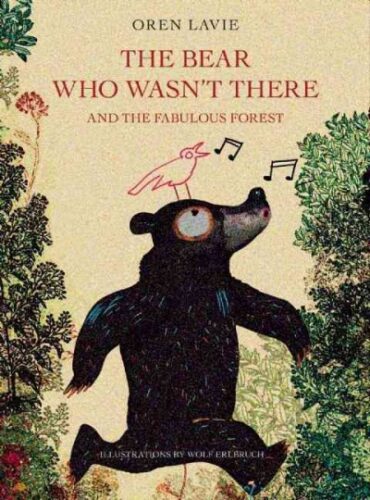
It’s such a strange but lovely little import than I can’t help but think that if it was American we’d be discussing it all over the place.
The Blue Bird’s Palace by Orianne Lallemand, ill. Carole Henaff, translated by Tessa Strickland
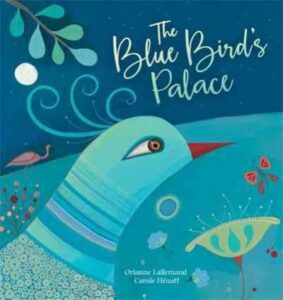
An original folktale with a French illustrator. This story was surprisingly lovely to read. I suppose looking at the cover I shouldn’t have been too shocked, but I really didn’t expect to love it as much as I did.
Circle by Jeanne Baker
If I had my way Ms. Baker would have all the awards in the world. Her art is unparalleled. That cover image you’re looking at here? Yeah. That’s clay. Now look me in the eye and tell me she isn’t one of the cleverest, smartest artists working in the picture book field today.
Cloth Lullaby: The Woven Life of Louise Bourgeois by Amy Novesky, ill. Isabelle Arsenault
To mention Arsenault in any kind of a context is a bit of a cheat. She’s more accessible than similar artists, and by all appearances she has impeccable taste. I’ve yet to see her take on a dud of a project. This peculiar but lovely little bio certainly fits the bill as well.
The Dead Bird by Margaret Wise Brown, ill. Christian Robinson
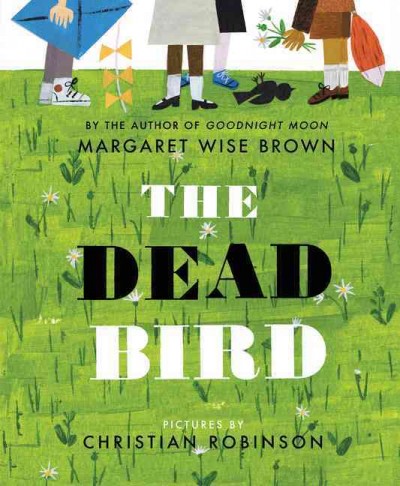
But wait, you say! Christian Robinson’s American. Why wouldn’t this work? To answer I direct you to the “original work” stipulation of the Caldecott terms and conditions. This re-illustrated version of Brown’s classic is lovely, but the book is technically by no means new.
Pinocchio: The Origin Story by Alessandro Sanna
Okay. So it’s weeeeeeeird. But if you’ve read the Pinocchio story at all it makes a strange bit of sense. I already used the word “dreamlike” in a previous book list, so I can’t play that card again. Let’s just say it’s gently surreal instead. Beautiful, sad, odd, and ultimately uplifting.
Stepping Stones: A Refugee Family’s Journey by Margriet Ruurs, ill. Nizar Badr
The Syrian refugee crisis explained with rock sand stones? The art in this book is only slightly more fascinating than the story of how the author tracked down the Syrian illustrator in the first place.
What Can I Be? by Ann Rand, ill. Ingrid Fiksdahl King
Another reprint, and couldn’t you tell? Gorgeous through and through, that’s for certain.
What Color Is the Wind? by Anne Herbauts
Not only is the art interesting to look at in this book but it feels different on every page. Could have had a tactile leg up.
When Green Becomes Tomatoes: Poems for All Seasons by Julie Fogliano, ill. Julie Morstad
I hate to be the bearer of bad news but Ms. Morstad is Canadian. Doggone neighbor to the north. If she ever moves south we’ll be waiting, awards in hand.
You Belong Here by M.H. Clark, ill. Isabelle Arsenault
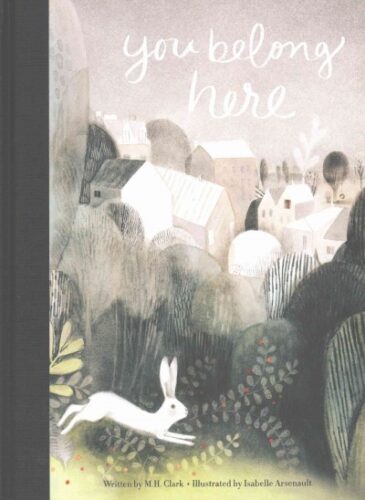
Again with the Arsenault but that’s okay. To my mind you can never have enough Isabelle Arsenault on a list. Never, truly.
And now, because I can, the official Randolph Caldecott music video as recorded by the Effin’ G’s.
Interested in the other upcoming lists of this month? Here’s the schedule so that you can keep checking back:
December 1 – Board Books
December 2 – Board Book Adaptations
December 3 – Nursery Rhymes
December 4 – Picture Book Readalouds
December 5 – Rhyming Picture Books
December 6 – Alphabet Books
December 7 – Funny Picture Books
December 8 – Calde-Nots
December 9 – Picture Book Reprints
December 10 – Math Picture Books
December 11 – Bilingual Books
December 12 – International Imports
December 13 – Books with a Message
December 14 – Fabulous Photography
December 15 – Fairy Tales / Folktales
December 16 – Oddest Books of the Year
December 17 – Older Picture Books
December 18 – Easy Books
December 19 – Early Chapter Books
December 20 – Graphic Novels
December 21 – Poetry
December 22 – Fictionalized Nonfiction
December 23 – American History
December 24 – Science & Nature Books
December 25 – Transcendent Holiday Titles
December 26 – Unique Biographies
December 27 – Nonfiction Picture Books
December 28 – Nonfiction Chapter Books
December 29 – Novel Reprints
December 30 – Novels
December 31 – Picture Books
Every single list that appears on this blog is subjective. I mean, here I am declaring stuff to be great based entirely on a single solitary opinion: my own. That’s okay when you’re talking alphabet books or readalouds, but humor is a far trickier matter. There are a LOT of humorous picture books that come out in a single year and this list is just a miniscule smattering of the whole. That said, these are the books that really retained a strong grip on my brain after reading them. There were other funny books out in 2016. I’m just particularly partial to the following. I’m pleased with the number of funny women representing here too. After all, if there’s one thing I know something about, it’s funny girls.
2016 Funny Picture Books
Best Frints in the Whole Universe by Antoinette Portis
Kind of like Du Iz Tak? but with a slight increase in English, this alien friendship story earns its humor stripes when it explains those little socially awkward moments like when you accidentally/on purpose bite off your best frint’s tail.
Dylan the Villain by K.G. Campbell
First off, I love that in this world, villainy is genetic but is capable of skipping generations. Second, I love that our anti-hero’s antagonist is a girl with a killer purple eyepatch. Having super villains as heroes isn’t a new idea in the movies, but in picture books it doesn’t happen all that often. I, for one, am hoping for more Dylan in the future.
The Happiest Book Ever! by Bob Shea
Every book should have a frog in it. There’s a lot of happy happy joy joy to this book mixed with a tincture of Monty Python. Could you ask for anything more?
A Hungry Lion by Lucy Ruth Cummins
The subtitle, which is distinctly Edward Gorey-esque, gives you an indication of what kind of funny book this is. You know what it reminds me of? The movie Alien. And, naturally, the turtle is Ripley. Oh, like you hadn’t considered it before.
I Don’t Want To Be Big by Dev Petty, ill. Mike Boldt
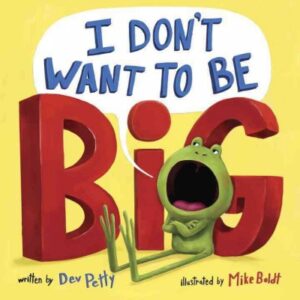
I didn’t bother to do this with any of the other books on this list, but for this one, I wanted to show you my favorite gag. The idea is that the frog is arguing that growing up is a bum rap. His dad tries to come up with reasons why it should still be done. So we get this:
The defense rests, your honor.
Is That Wise Pig? by Jan Thomas
I mean, there’s a boot on that pig’s head. A boot! Just sayin’.
King Baby by Kate Beaton
We’re getting there. Beaton’s starting out slow with her picture books. This one’s funnier than her last, and at the rate she’s going she should be able to make a perfectly Beaton-esque one soon. Though, to be frank, this next book on my list felt like Kate Beaton but not by Kate Beaton:
Leave Me Alone! by Vera Brosgol
Did you notice that it appeared on the NPR Book Concierge for 2016? Did you notice who blurbed it? Ah, thank you. Ah, thank you.
Monsters Go Night-Night by Aaron Zenz
Proving yet again that I have the sense of humor of a 5-year-old. But let’s be frank. That potty joke? The best misdirection I’ve seen on a page in a long time.
Next to You: A Book of Adorableness by Lori Haskins Houran, ill. Sydney Hanson
I’m going to stand by this one as a humor book. It throws you off with its big-eyed animals and then you get the snarky text. Seriously funny.
Oh No, Astro! by Matt Roeser, ill. Brad Woodard
Proof positive that you can be a funny book and a visually stunning one all at the same time.
Penguin Problems by Jory John, ill. Lane Smith
Misanthropic penguins make for comedy gold. Every good author worth his or her salt knows that.
Poor Little Guy by Elanna Allen
Of all the books on my list today, I worry that this one is the most underrated. Did you ever get a chance to read it? I feel like it got buried under a lot of other publications, but for sheer visual storytelling and gags it’s an out-and-out winner. I. Just. Love. It. Love it, love it, love it.
President Squid by Aaron Reynolds, ill. Sara Varon
Okay. Your mission, should you choose to accept it, is to watch this video at the 18:30 mark. That’s when Aaron reads from his book and it’s the funniest reading ever you did see.
Pug Man’s 3 Wishes by Sebastian Meschenmoser
He’s the funniest German picture book author/illustrator of all time. Granted, the competition may not be particularly intense . . .
Quit Calling Me a Monster! by Jory John, ill. Bob Shea
Both Jory and Bob are on this list twice. And I’d take off one of their books apiece, honest I would, if it weren’t for the fact that the monster in this book is named Floyd Patterson. I mean, I’m only human, after all.
Super Happy Magic Forest by Matty Long
2016 was a good year for picture books making fun of fantasy tropes. I honestly think this book would appeal to any kid, though, regardless of their interest in swords and sorcery. Plus there’s a Gollum reference on one of the pages, so kudos there.
This is My Book by Mark Pett (and no one else)
I almost swallowed my gum when I saw that the author of this book was Mark Pett. Pett? A subdued author/illustrator by and large, this book is a huge departure for him. A huge, hilarious departure. We could all use a mischievous panda in our lives.
A Voyage in the Clouds: The (Mostly) True Story of the First International Flight by Balloon in 1785 by Matthew Olshan, ill. Sophie Blackall
Somehow the fact that it’s all based on a true story (the iron vest, the peeing off the boat, the landing in their underwear, etc.) makes it all the funnier. Plus the fact that Ms. Sophie Blackall is in Funny Girl in 2017 is just the icing on the cake.
Who What Where? by Olivier Tallec
It’s a sequel but I don’t rightly care. It’s a hilarious sequel and may even improve upon the original.
Interested in the other upcoming lists of this month? Here’s the schedule so that you can keep checking back:
December 1 – Board Books
December 2 – Board Book Adaptations
December 3 – Nursery Rhymes
December 4 – Picture Book Readalouds
December 5 – Rhyming Picture Books
December 6 – Alphabet Books
December 7 – Funny Picture Books
December 8 – Calde-Nots
December 9 – Picture Book Reprints
December 10 – Math Picture Books
December 11 – Bilingual Books
December 12 – International Imports
December 13 – Books with a Message
December 14 – Fabulous Photography
December 15 – Fairy Tales / Folktales
December 16 – Oddest Books of the Year
December 17 – Older Picture Books
December 18 – Easy Books
December 19 – Early Chapter Books
December 20 – Graphic Novels
December 21 – Poetry
December 22 – Fictionalized Nonfiction
December 23 – American History
December 24 – Science & Nature Books
December 25 – Transcendent Holiday Titles
December 26 – Unique Biographies
December 27 – Nonfiction Picture Books
December 28 – Nonfiction Chapter Books
December 29 – Novel Reprints
December 30 – Novels
December 31 – Picture Books
“In Adam’s Fall, we sinned all.” That catchy little ditty was from one of the earlier abecedarian picture books for children in America (the 1784 edition of The New England Primer, in case you’re curious). Practically from our nation’s inception, alphabet books were a go-to resource for teaching children to read. Every year more and more of them come out, but how many can you name off the top of your head? Just before typing this I was reading Chicka Chicka Boom Boom to my son and marveling at how Bill Martin Jr. managed to create an actual honest-to-goodness alphabet classic. I don’t know if any of the books on today’s list will ever hit such heights, but I the alphabet books of 2016 have dabbled in some truly sophisticated fare.
2016 Alphabet Books
ABC by Xavier Deneux
I was very good when I posted the board book list. I didn’t say how many names featured were French. After all, once you start seeing the influence of the French on board books, it’s difficult to stop. M Deneux is no exception. This isn’t his first time around the block, but his previous titles do feel as though they were gearing themselves up to this. It is the culmination of all that he has accomplished.
ABC: The Alphabet From the Sky by Benedikt Grob and Joey Lee
 Is it as cool as it looks from the cover? My friend, it’s even cooler. Every year I have regrets about the books I didn’t have a chance to officially review. This year it included this book. It’s probably more for older kids and there’s one letter that I think they could have improved, but all told it’s a remarkable effort. It’s also a neat way of talking about our planet. AND it could well be a great book to take onto an airplane with a kid, since the shots will look somewhat familiar from 10,000 feet in the air.
ABCs on Wheels by Ramon Olivera
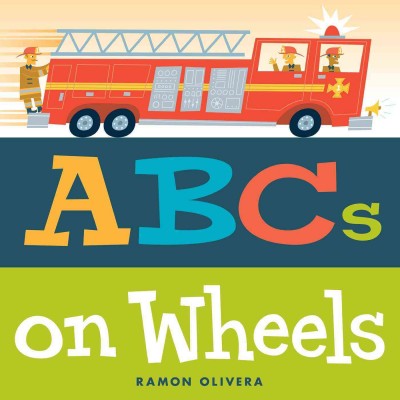
It’s pretty standard stuff. Vehicles plus the alphabet. Yep. But Olivera’s art is what makes this book a bit better than a lot of similar titles out there. It has this cool retro vibe that obliquely references James Flora for spice.
An Artist’s Alphabet by Norman Messenger
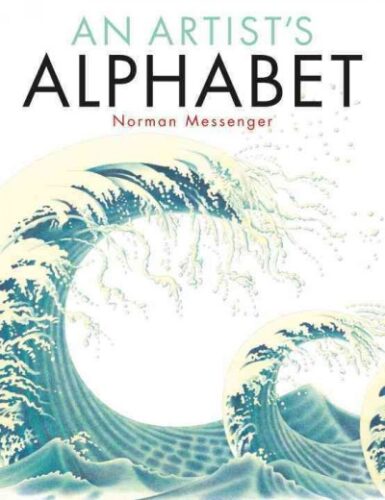
Undoubtedly there must have been alphabet books before now that integrated both upper and the lowercase letters into their art, but I think it’s fair to say that almost none of these are as visually stunning as Messenger’s book. I was just sitting here trying to figure out how I’d describe it. It’s not hyper-realism, though there’s a bit of realism to some of the shots. And it’s not surreal in a David Wiesner sense. I hate to use the d-word, but it seems I have no choice. It’s dreamlike. Nuff said.
A Beauty Collected by Rachel Garahan
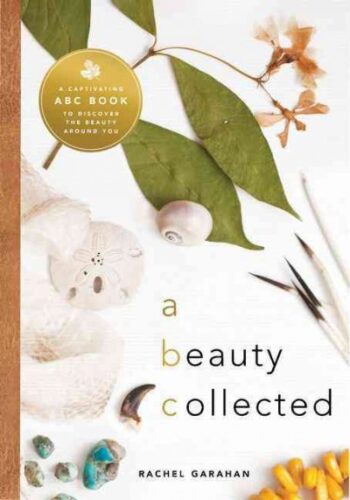
If you read this blog regularly then you’ll know that I have a weakness for beautiful photography. And they don’t come much more beautiful than Garahan’s title. I hesitate to call this a picture book. Coming in at 192 pages it is the first true coffee table alphabet book I’ve ever seen of its kind. So why include it on this list? Because in addition to being just the loveliest thing, older kids really do enjoy it. It has the kind of purified beauty that appeals to a wide range of ages. I’m a fan.
Never Insult a Killer Zucchini! by Elana Azone & Brandon Amancio, ill. David Clark
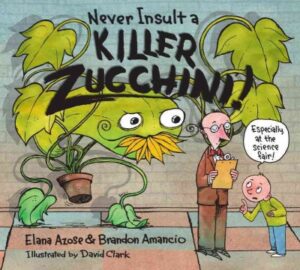
Only two alphabet books on this list truly count as having any kind of a plot. This is another book that will appeal to older kids. The alphabet trope is more of a way of setting up the story (such as it is) than anything else. That said, it’s funny. And funny alphabet books are fairly rare indeed.
Oops, Pounce, Quick, Run! An Alphabet Caper by Mike Twohy
 I know a librarian who is so gaga over this book she’ll bring you around to it pretty quickly. There’s just one word a page, and it follows the story of a canine and its dogged (har har) pursuit of a mouse. If you’re looking for a really simple alphabet book with a clear plot and even clearer pictures, this is your best bet. I’ve a lot of really sophisticated alphabet books on this list today so it’s nice to have something on the younger end of the scale as well.
Olinguito, from A to Z! / Olinguito, de la A a la Z! by Lulu Delacre
Can I convey adequately how deeply satisfying it’s been this year to see this book showing up time and again on so many Best of the Year lists? DEEPLY satisfying, sez I. This book does so many different things all at the same time but never overextends itself. If I had my way it would be a staple in every library.
Interested in the other upcoming lists of this month? Here’s the schedule so that you can keep checking back:
December 1 – Board Books
December 2 – Board Book Adaptations
December 3 – Nursery Rhymes
December 4 – Picture Book Readalouds
December 5 – Rhyming Picture Books
December 6 – Alphabet Books
December 7 – Funny Picture Books
December 8 – Calde-Nots
December 9 – Picture Book Reprints
December 10 – Math Picture Books
December 11 – Bilingual Books
December 12 – International Imports
December 13 – Books with a Message
December 14 – Fabulous Photography
December 15 – Fairy Tales / Folktales
December 16 – Oddest Books of the Year
December 17 – Older Picture Books
December 18 – Easy Books
December 19 – Early Chapter Books
December 20 – Graphic Novels
December 21 – Poetry
December 22 – Fictionalized Nonfiction
December 23 – American History
December 24 – Science & Nature Books
December 25 – Transcendent Holiday Titles
December 26 – Unique Biographies
December 27 – Nonfiction Picture Books
December 28 – Nonfiction Chapter Books
December 29 – Novel Reprints
December 30 – Novels
December 31 – Picture Books
View Next 25 Posts



 No excuses! These are just the books that I read in 2016 that I thought knocked it out of the park. These aren’t the “best of the year”. These are just the books that were particularly good and that somehow crossed my radar. I read a lot more than what you’ll see here, but I loved these the best. For your consideration: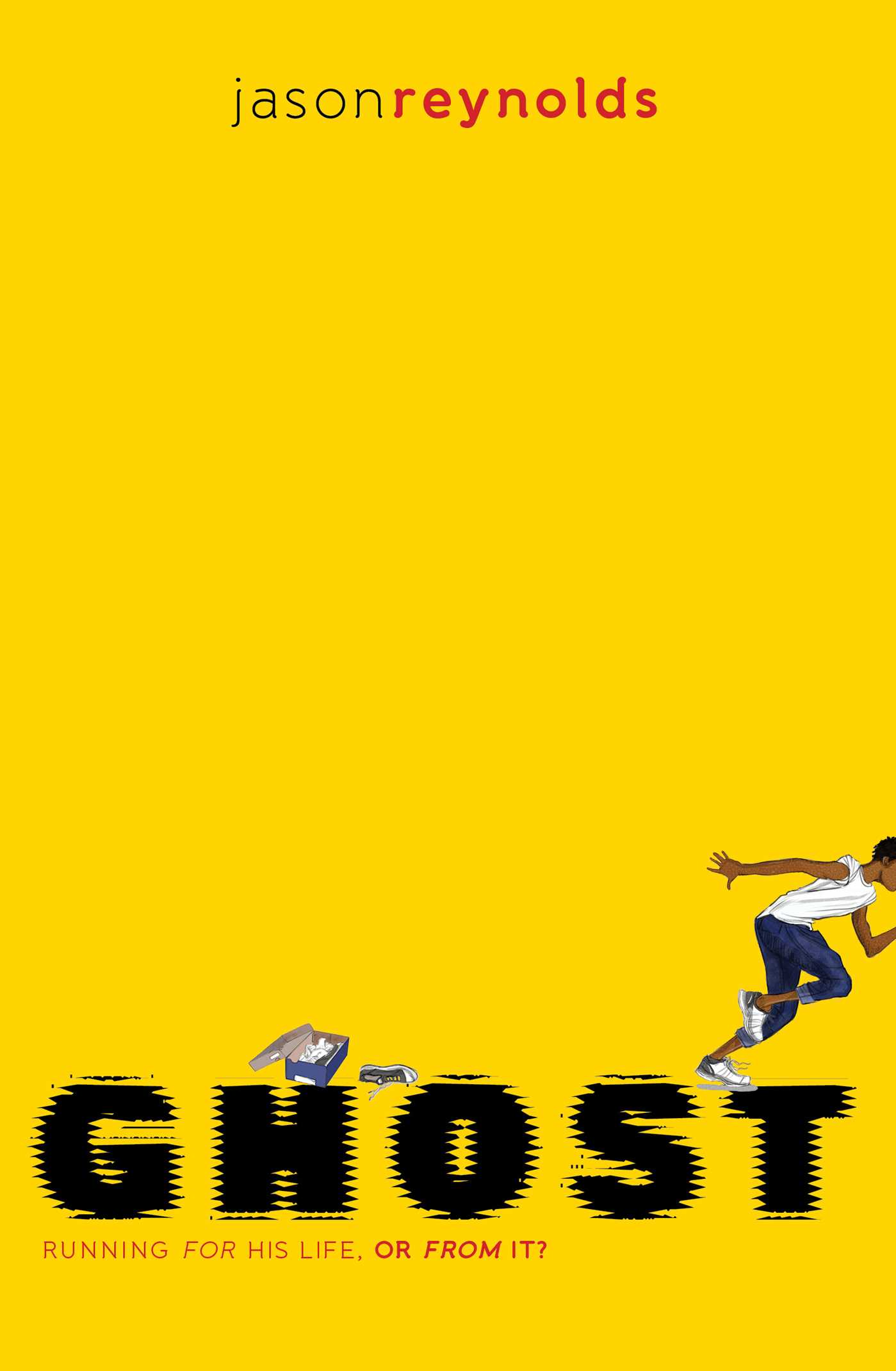
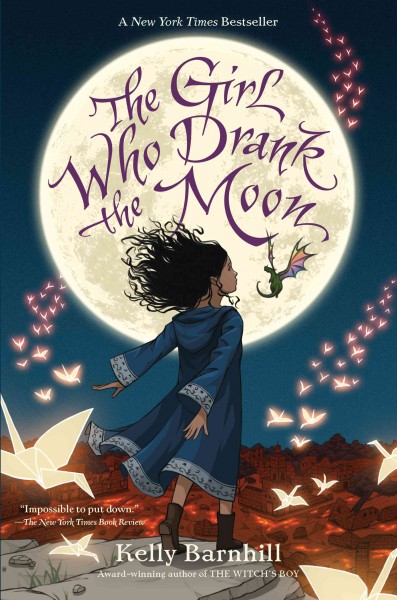
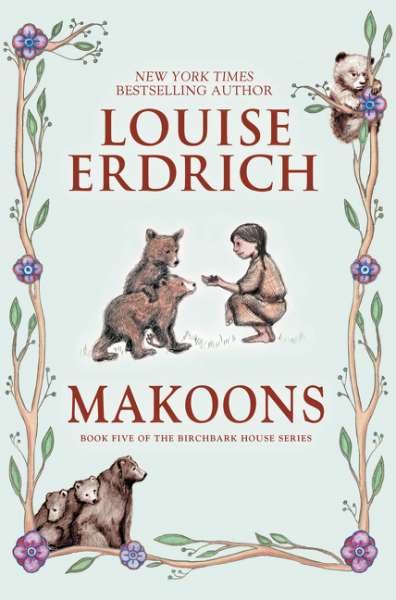

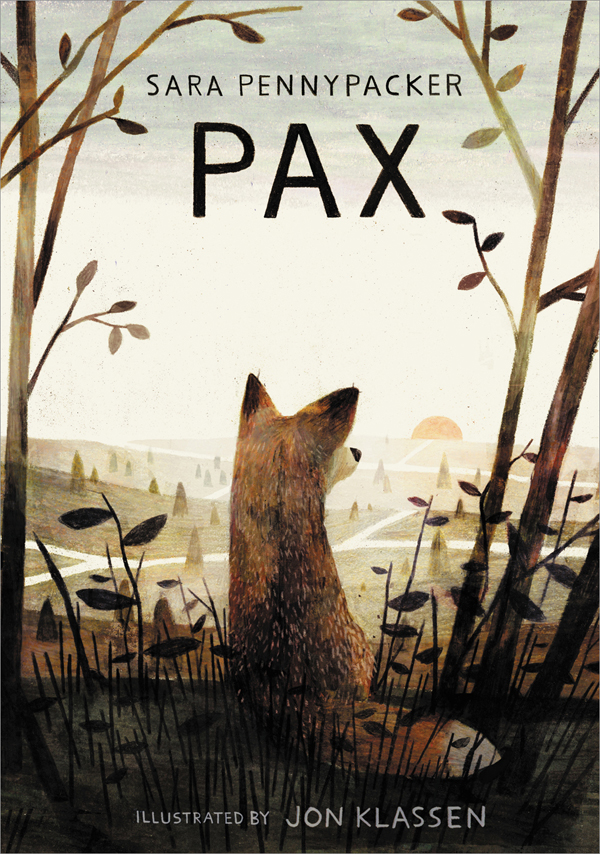
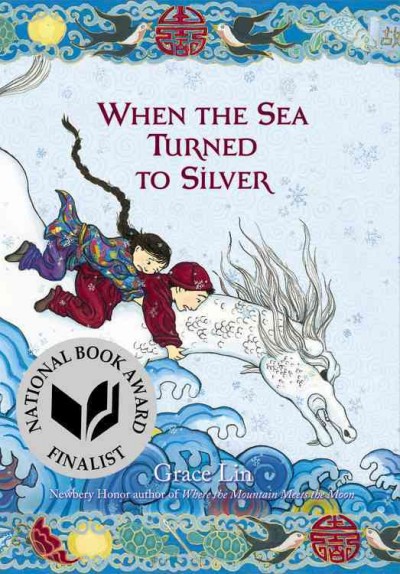
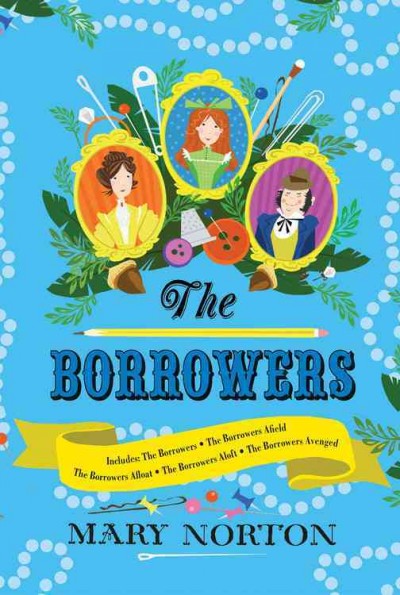
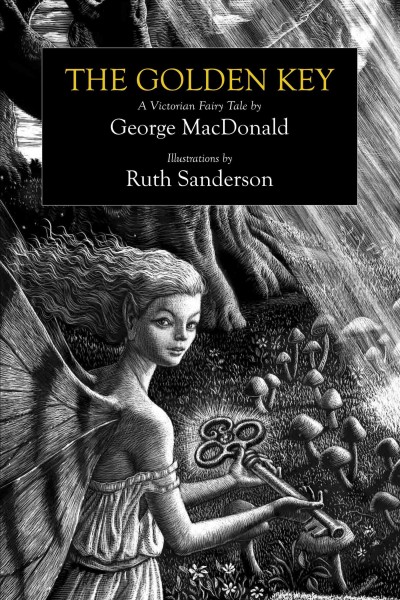
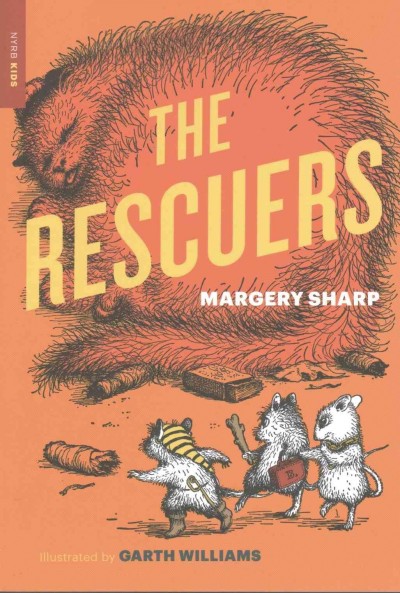

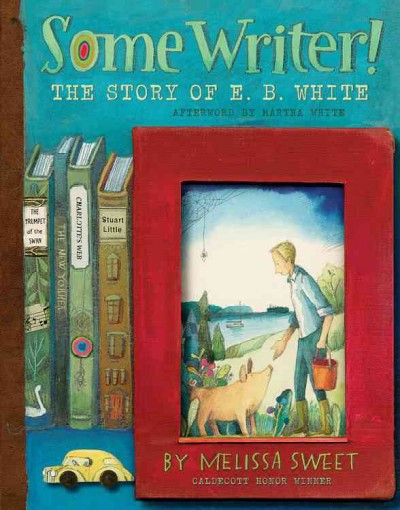
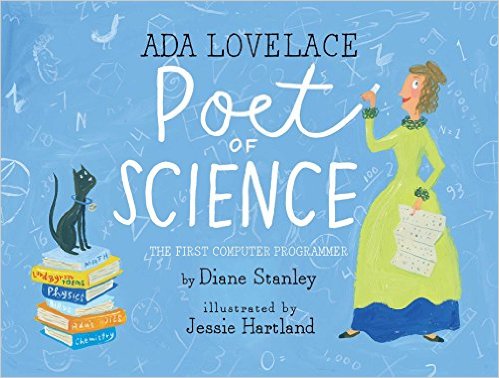
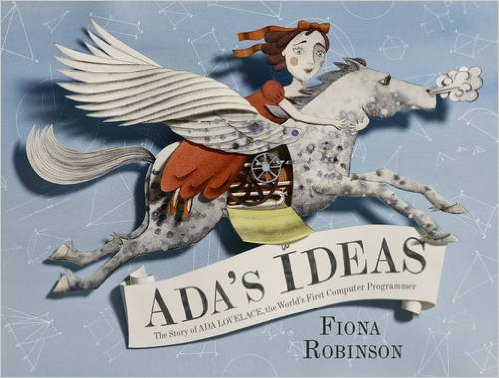
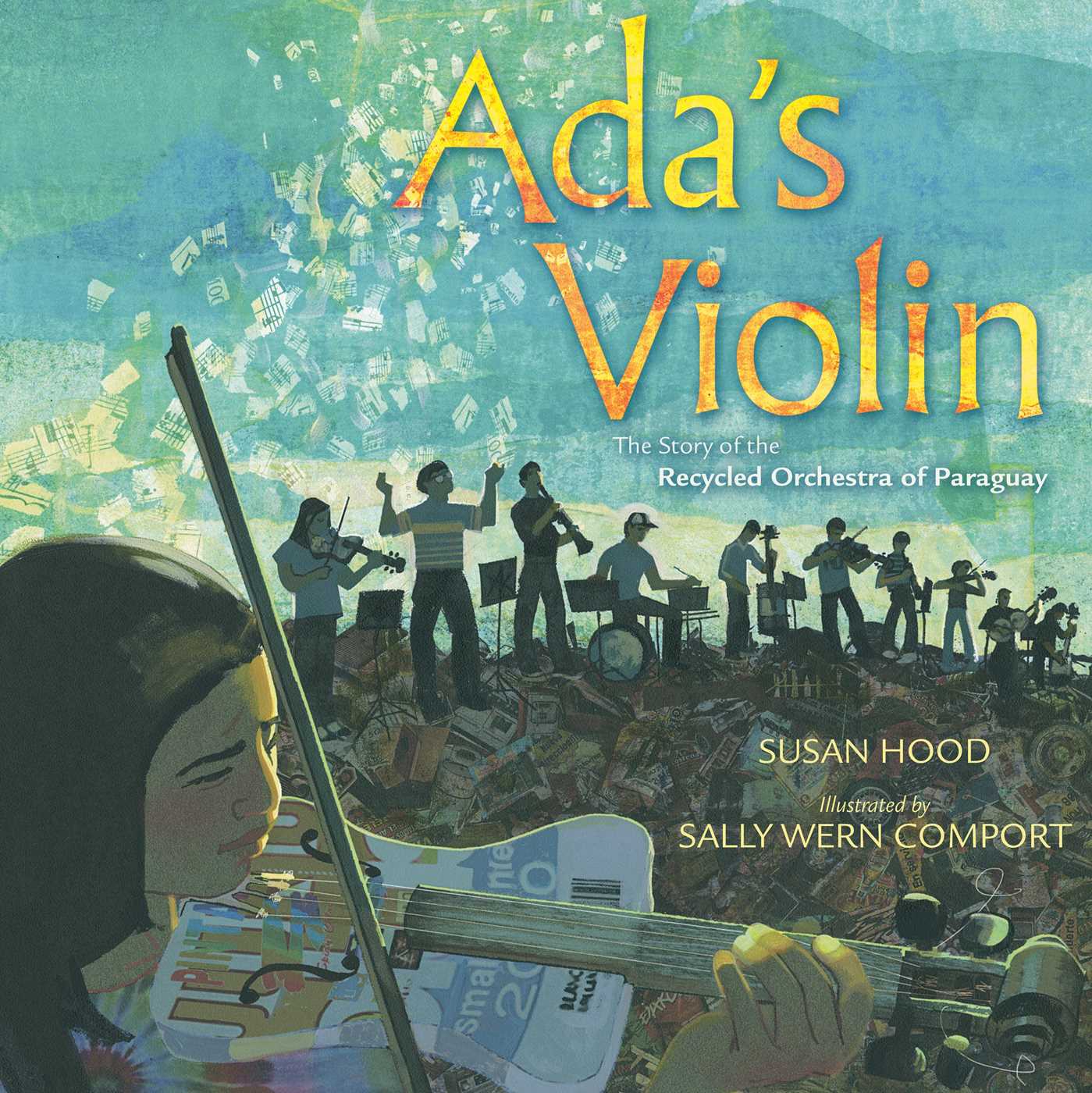


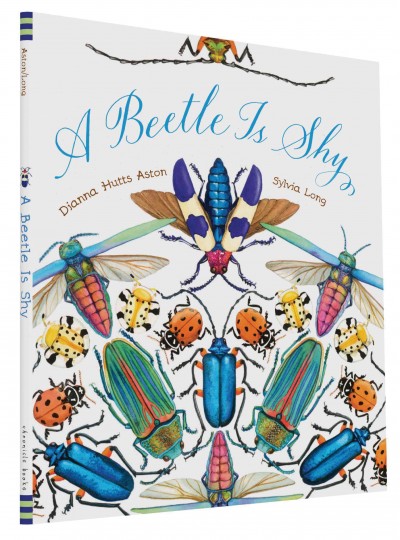
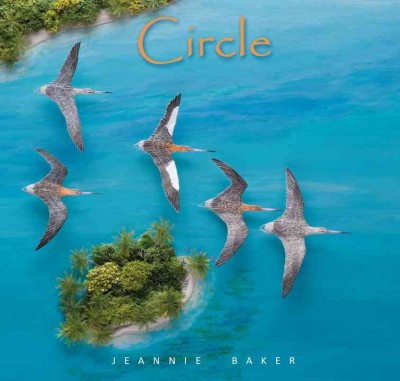
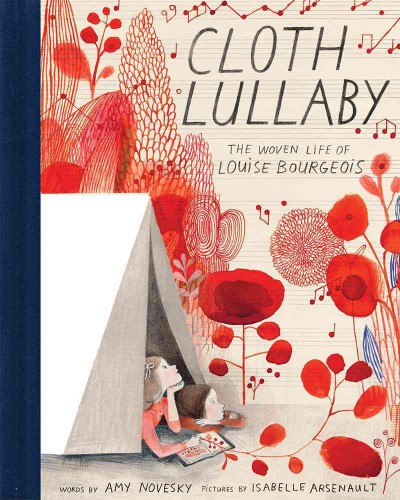
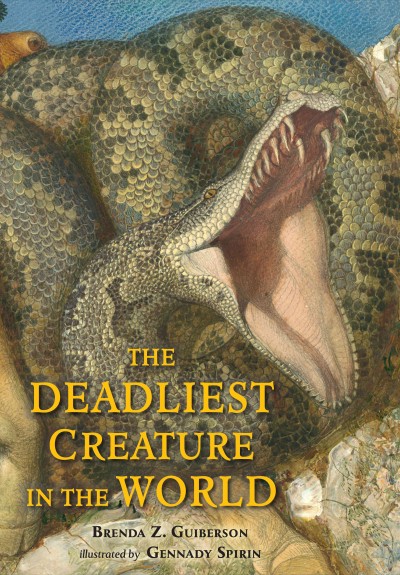
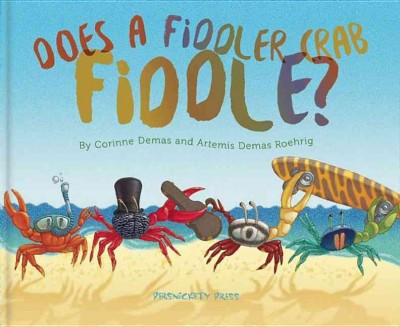

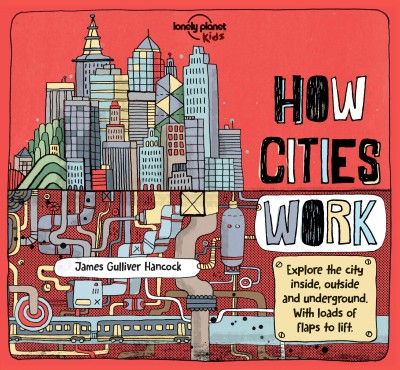
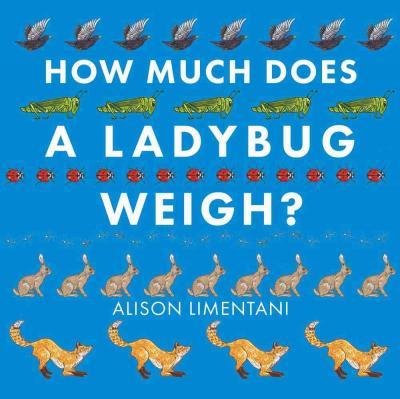
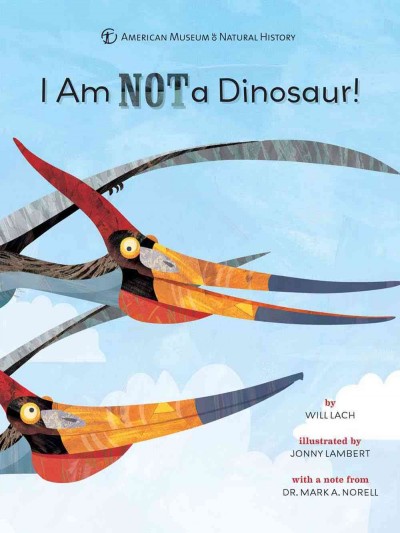
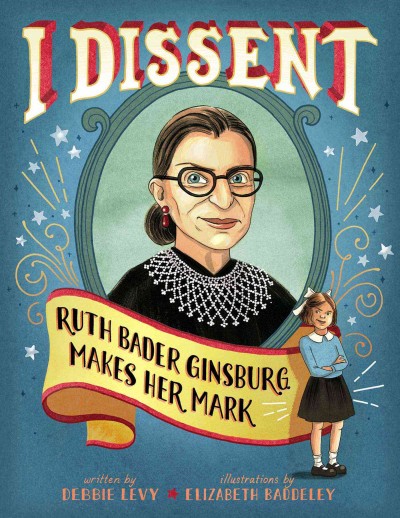
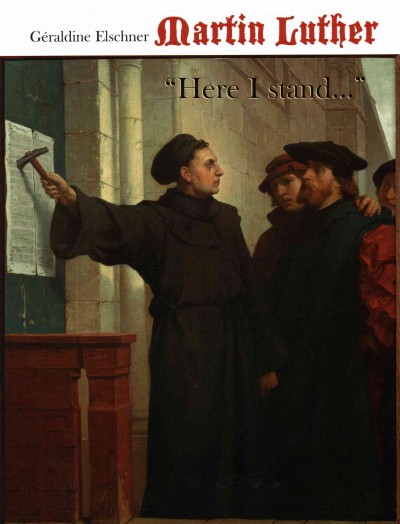
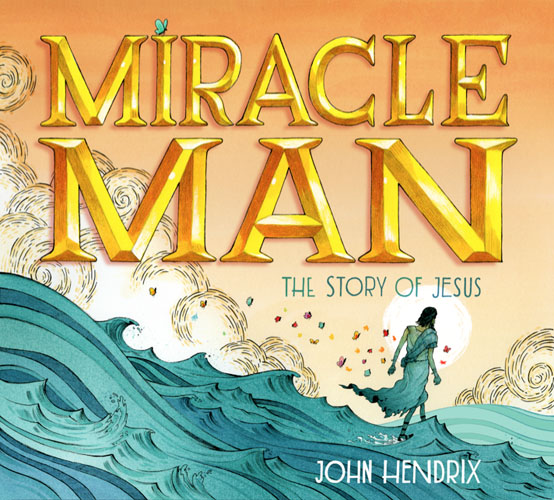
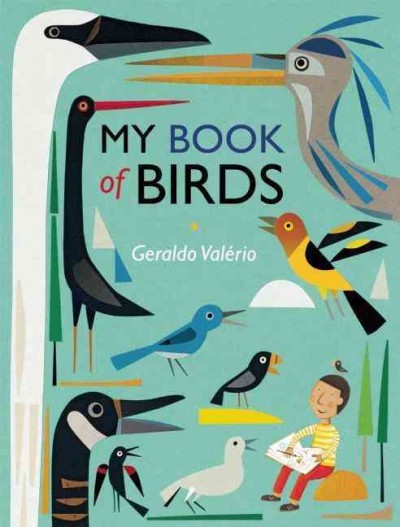
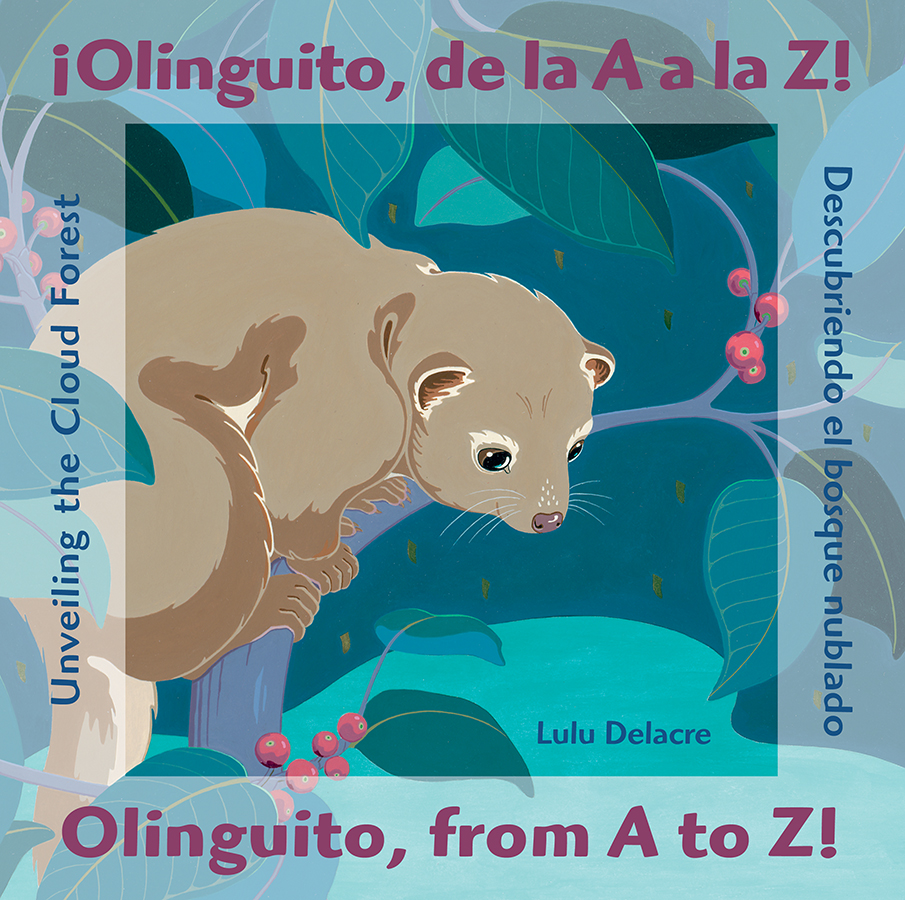
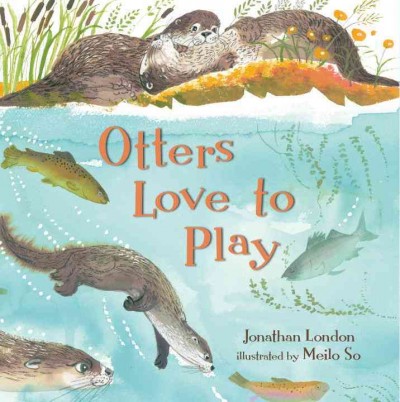
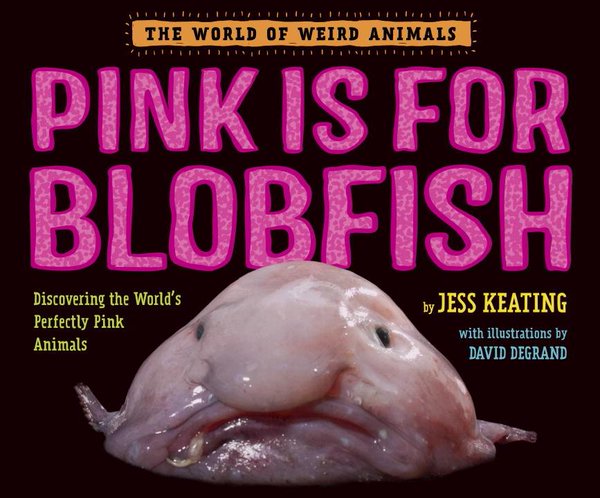
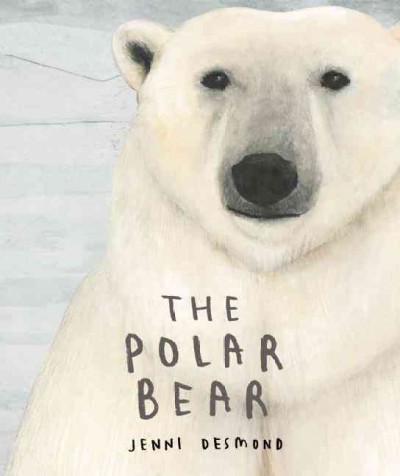

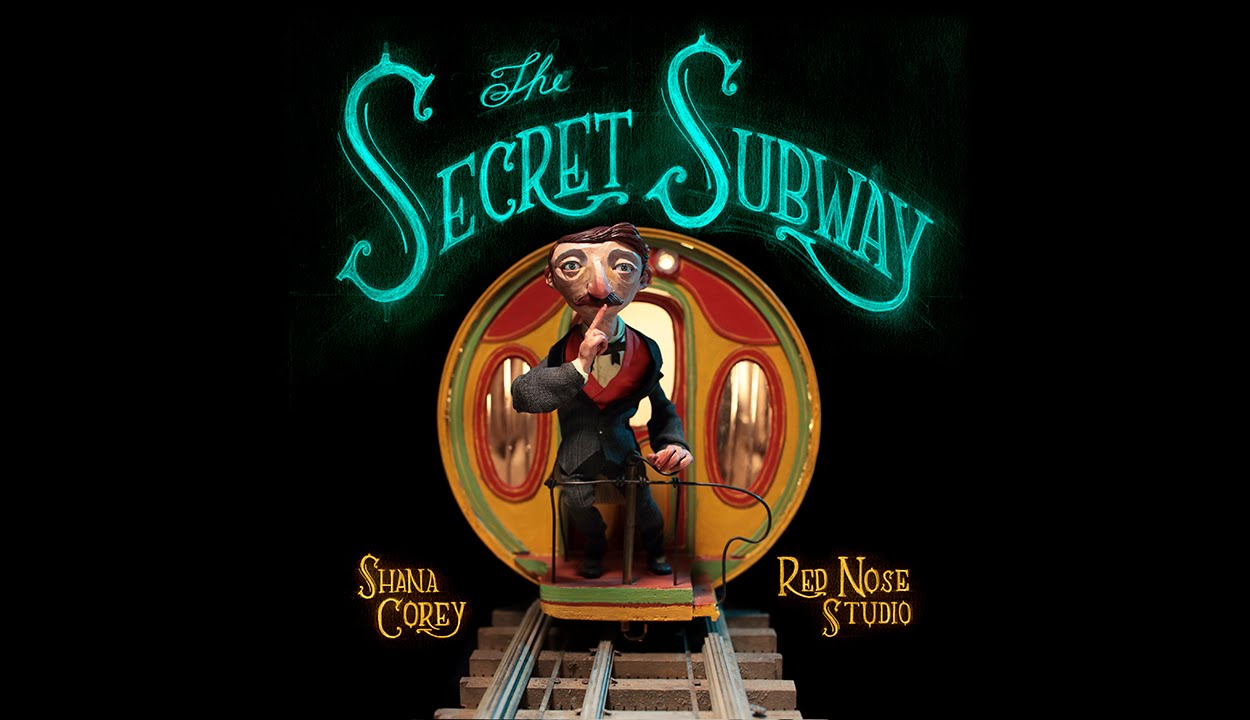

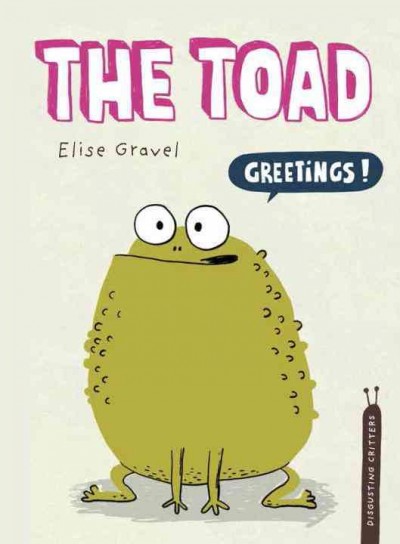
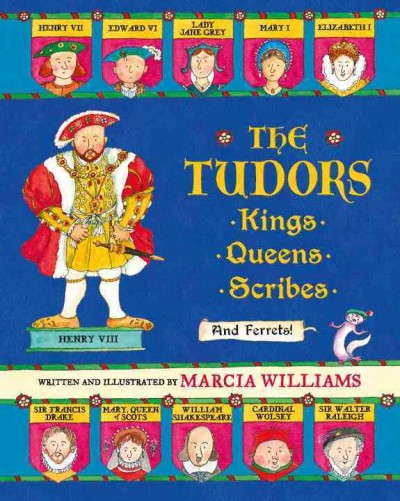
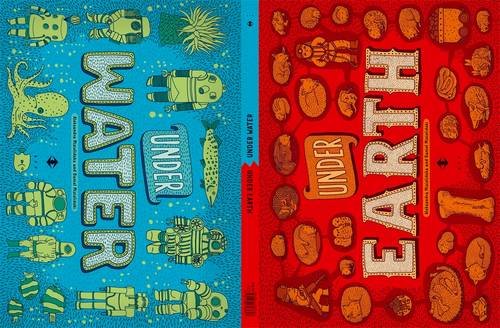
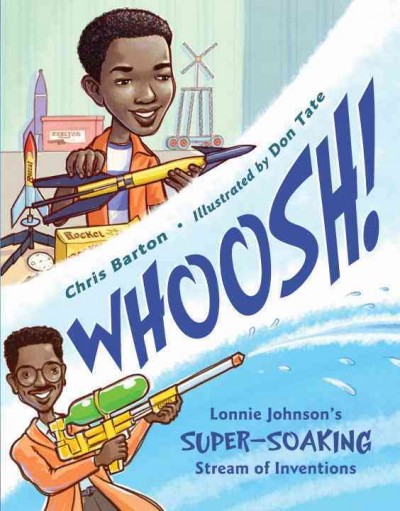
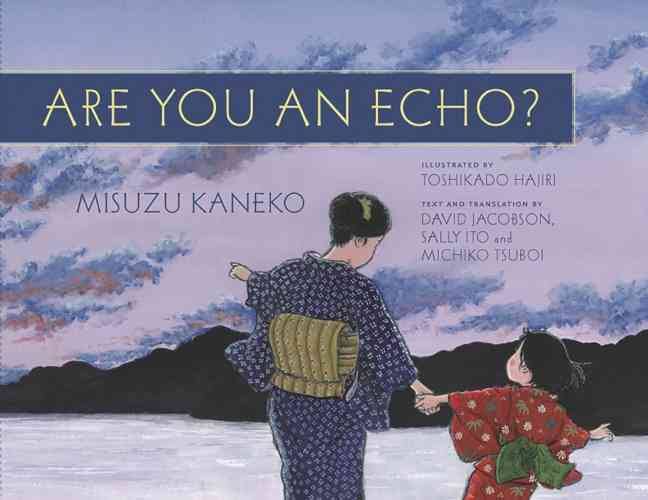
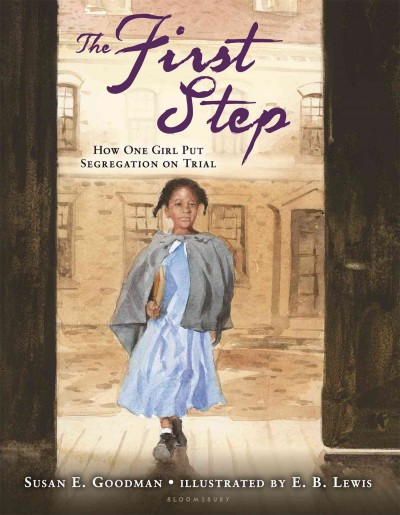

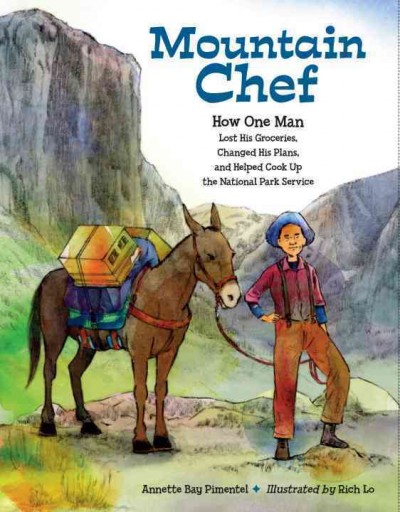
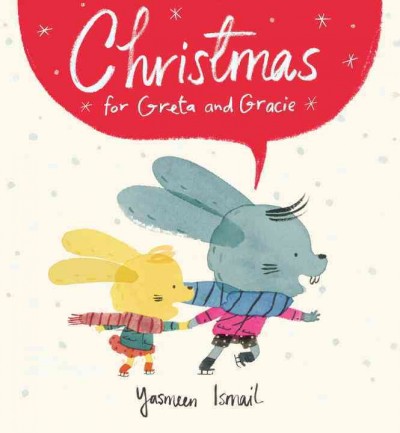
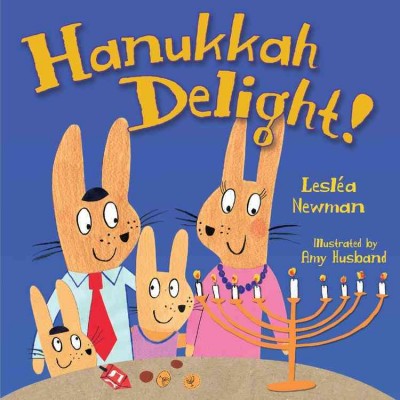
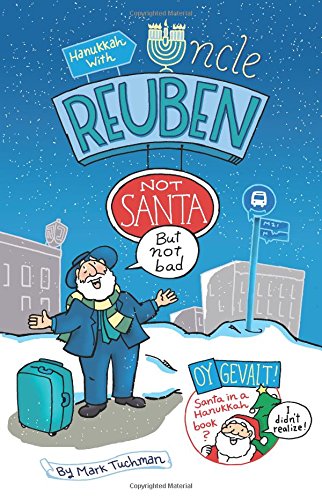
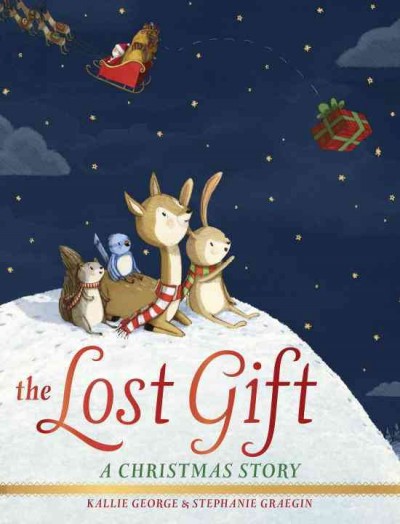
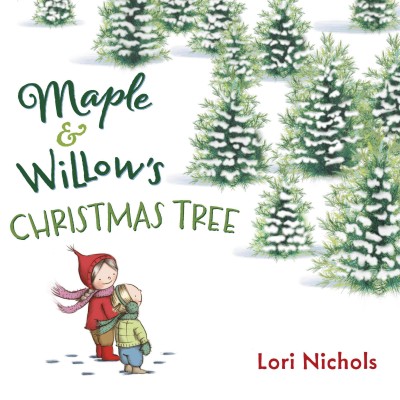


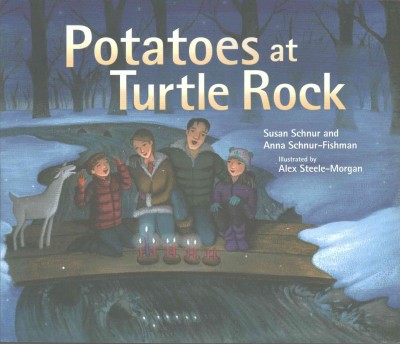
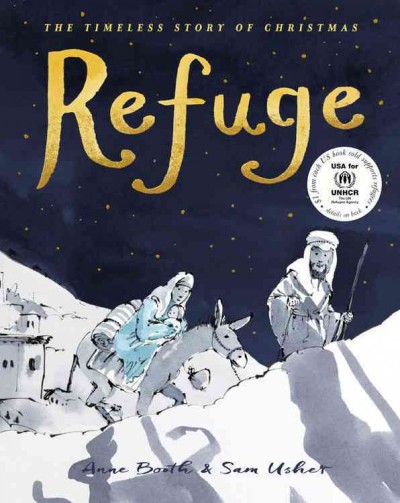
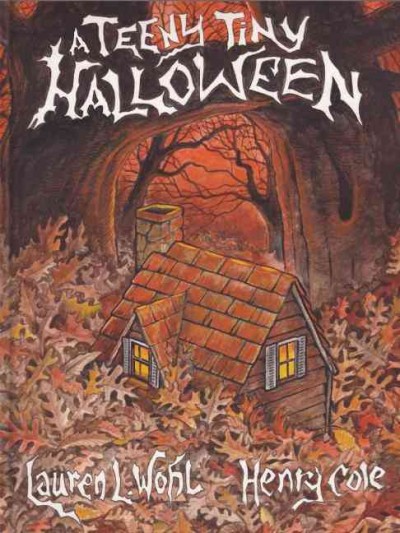

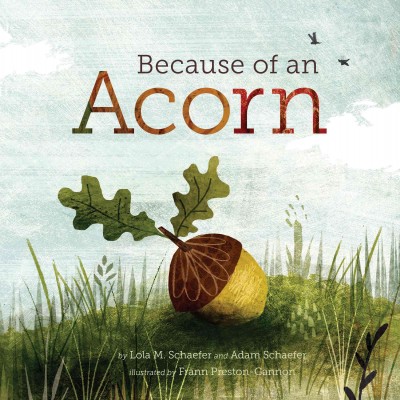

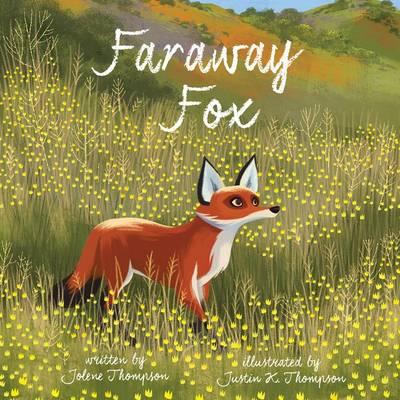
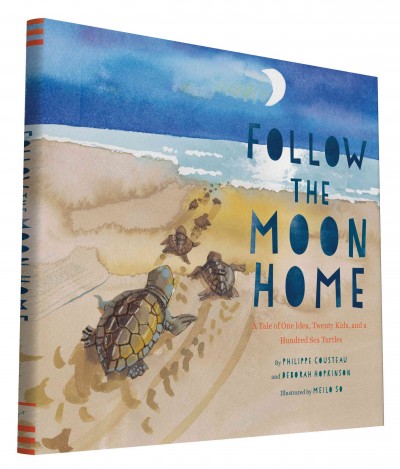
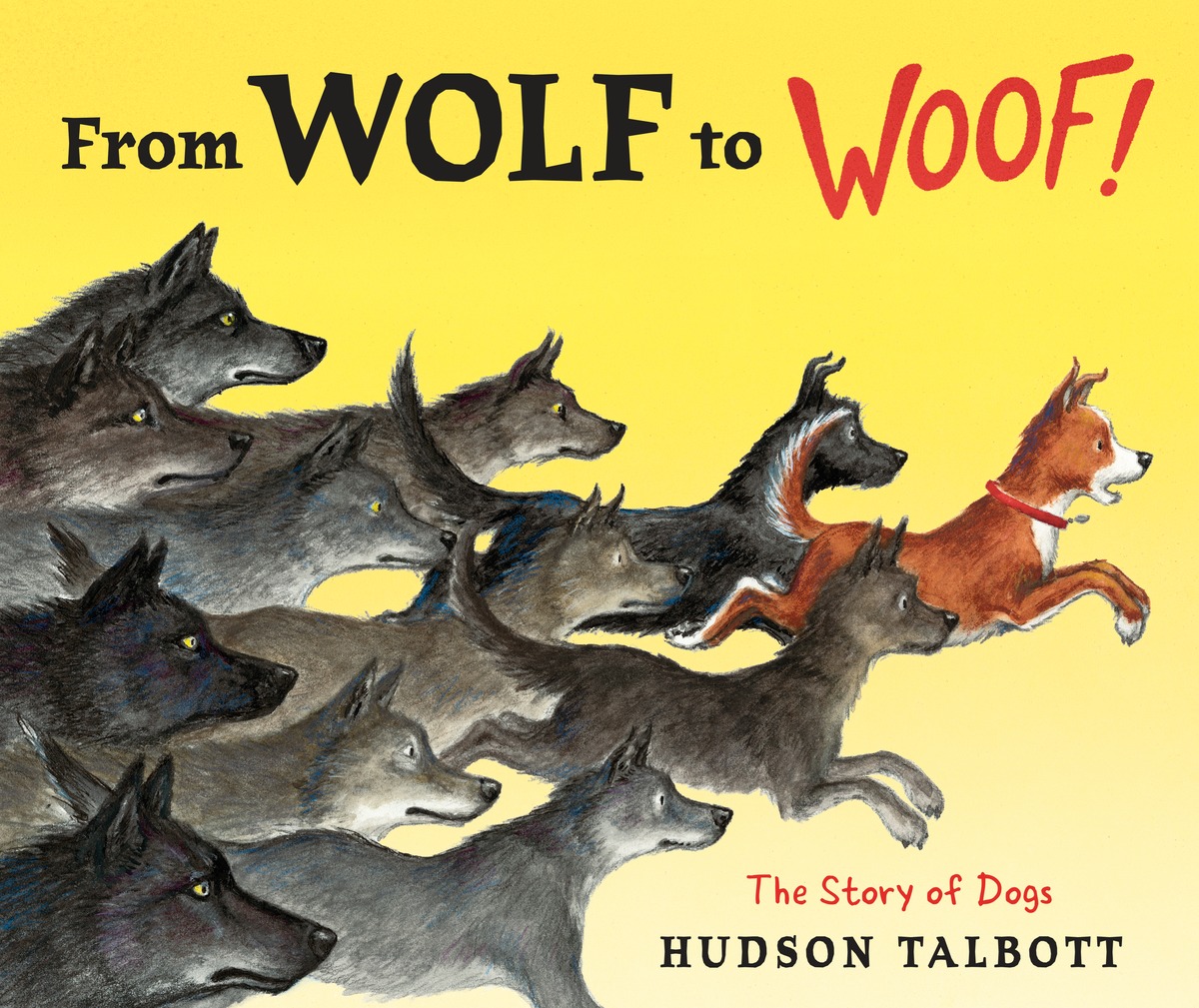
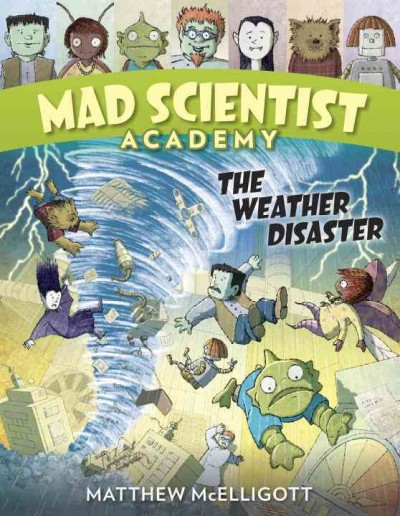

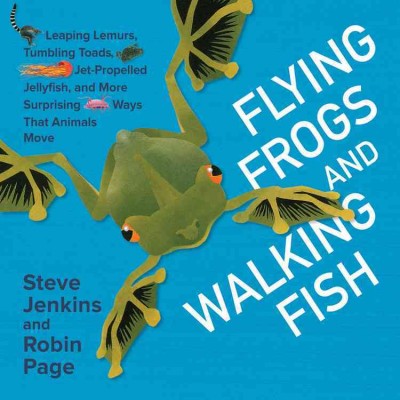
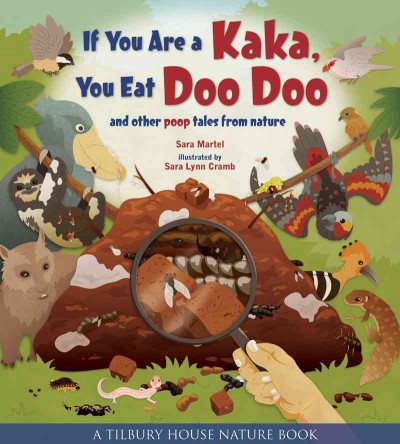
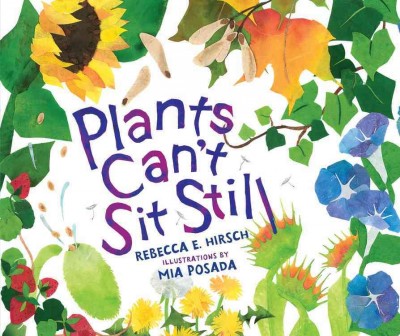

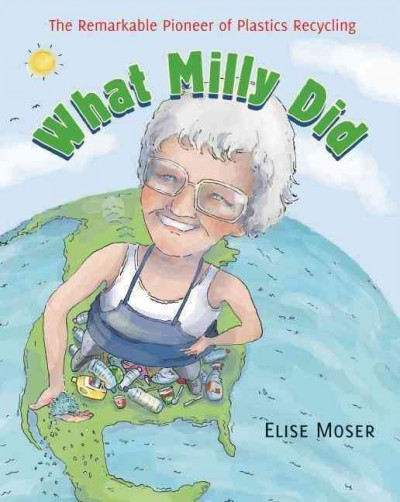

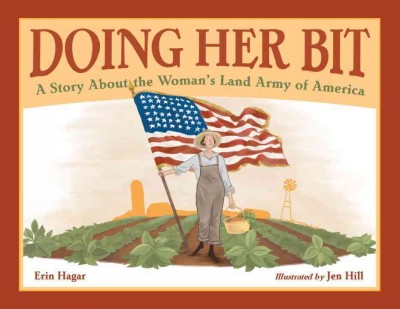
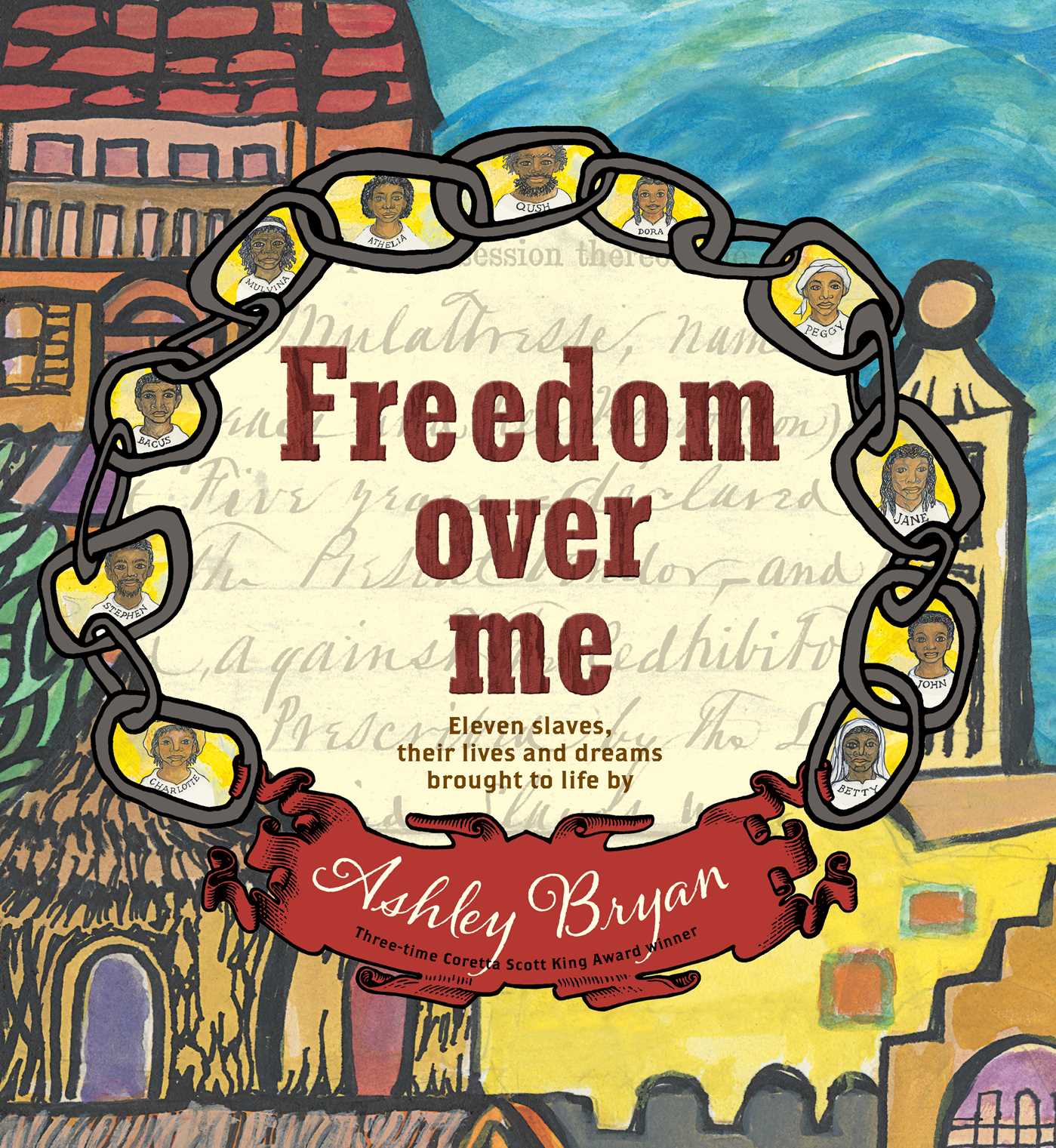
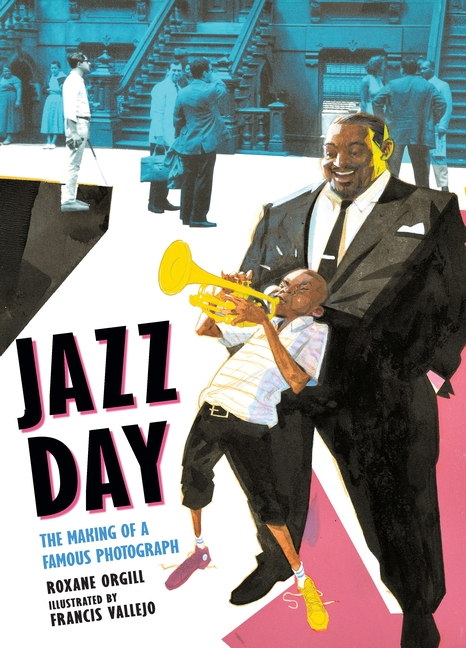
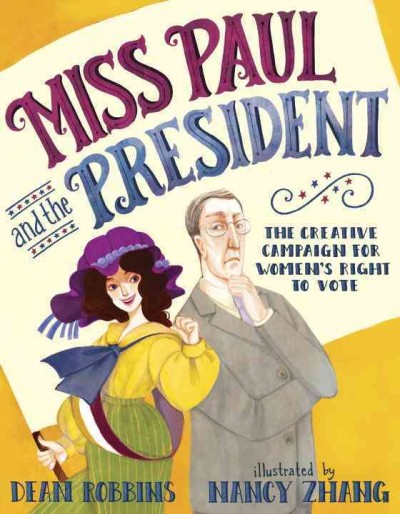
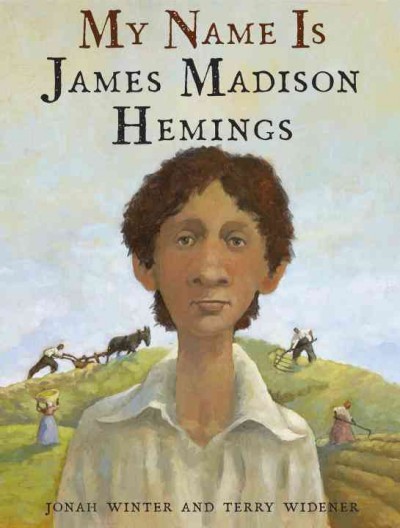
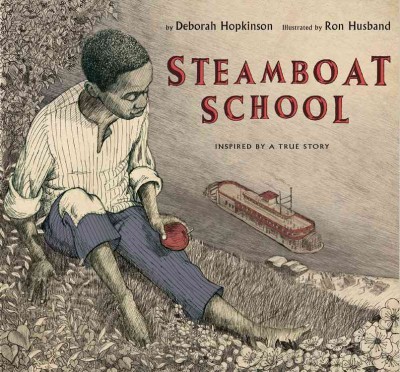
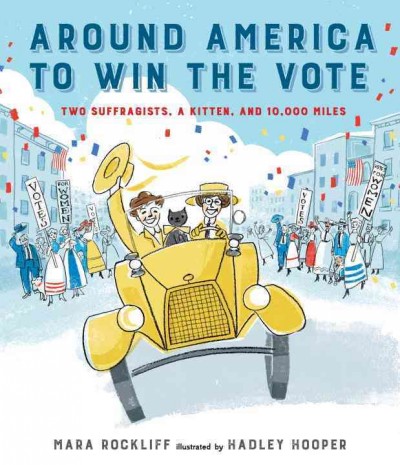
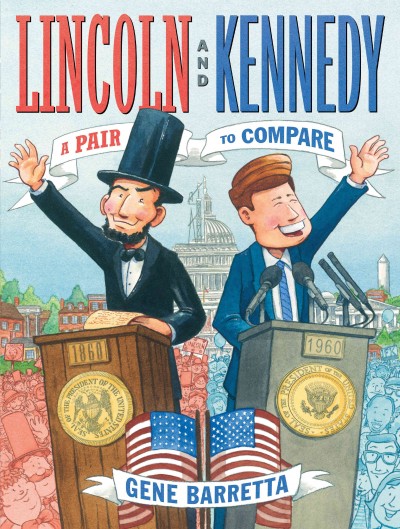
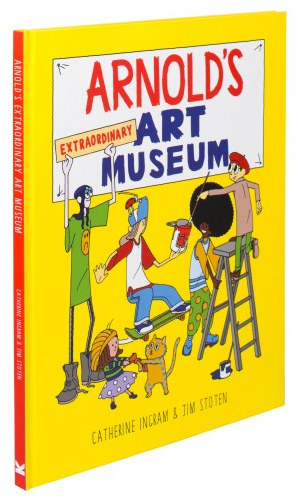
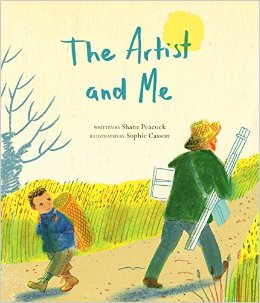
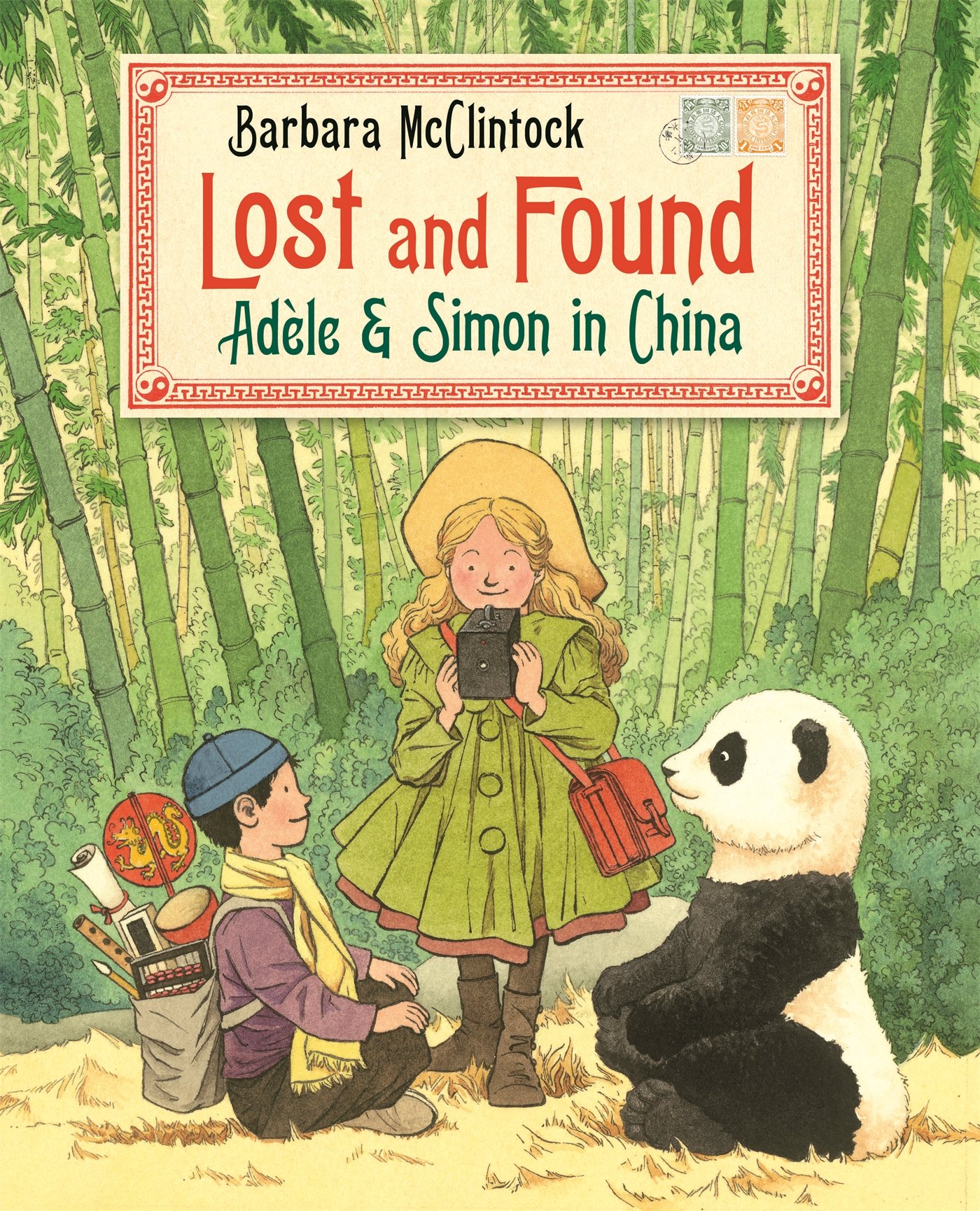
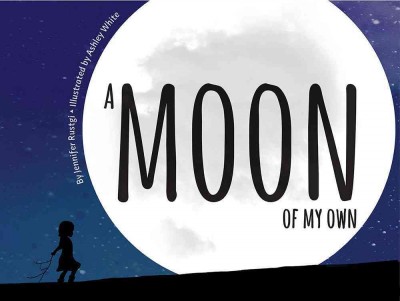
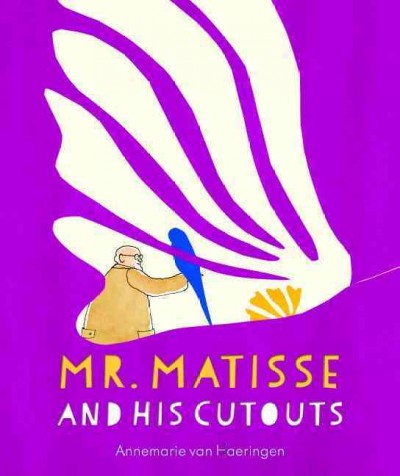
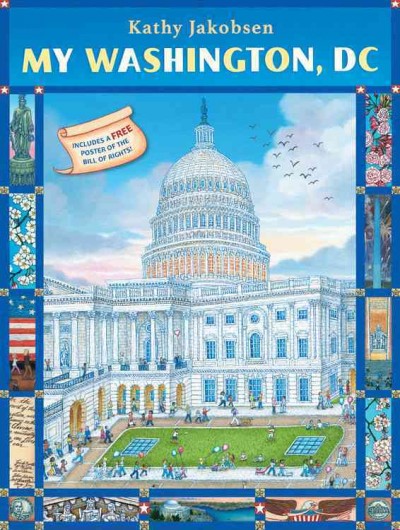
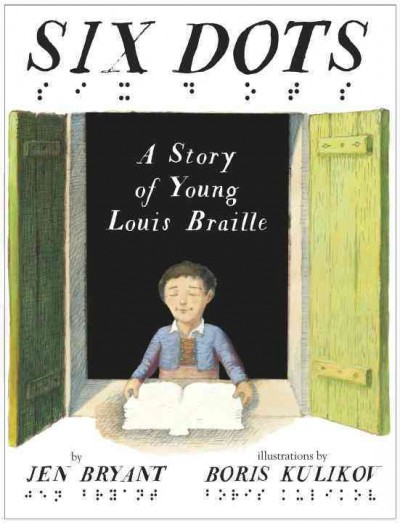
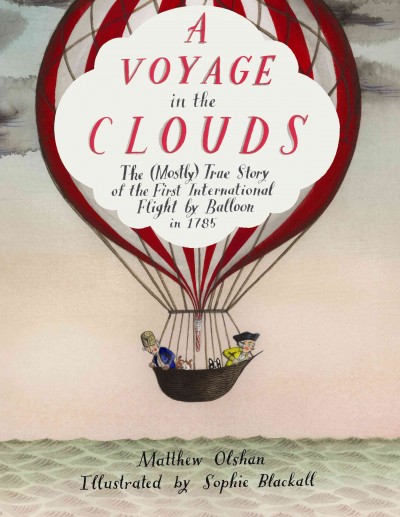
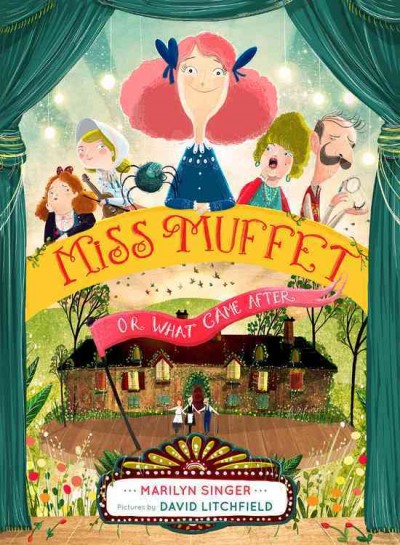


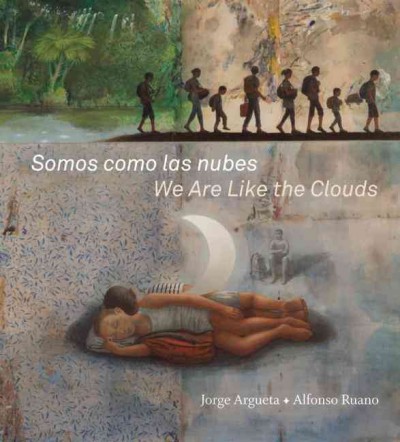
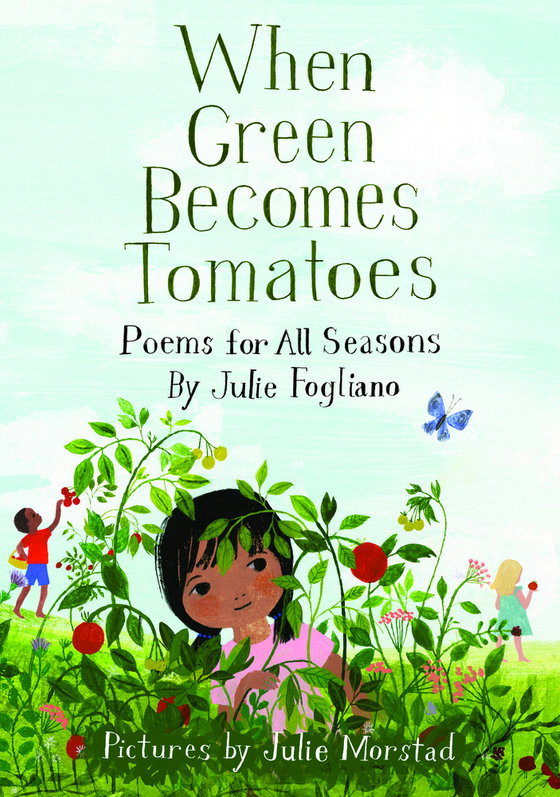
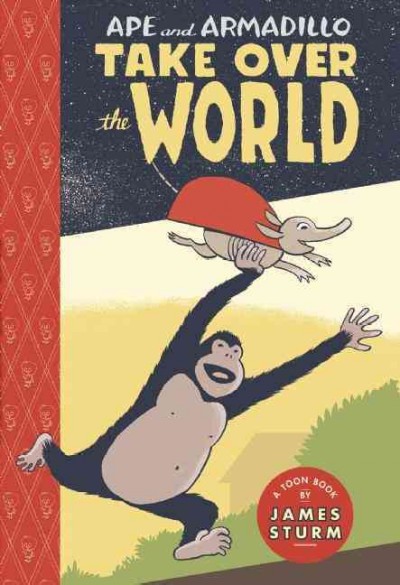

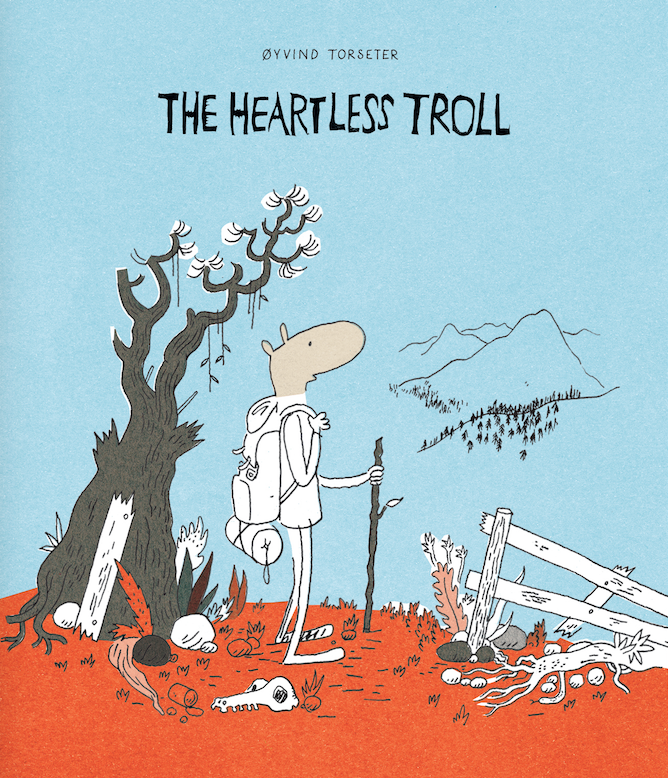

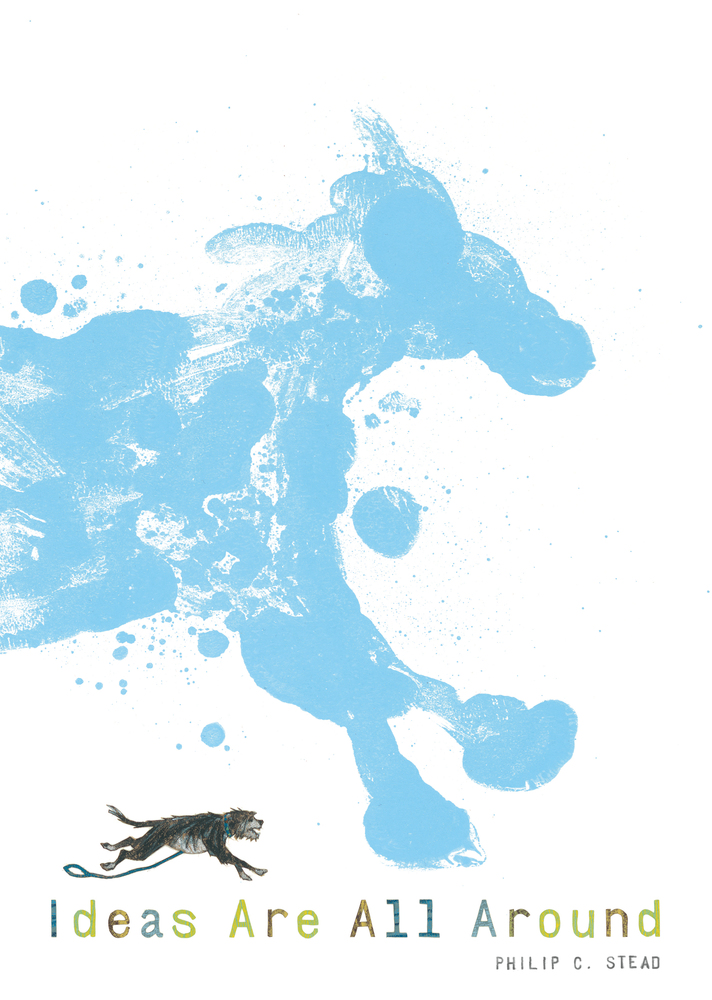


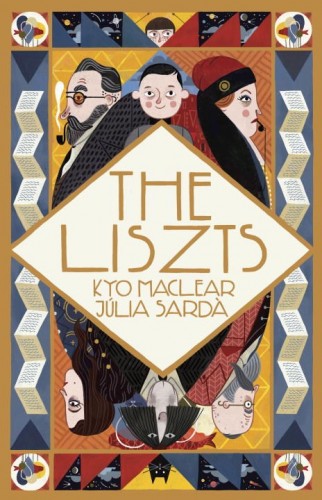
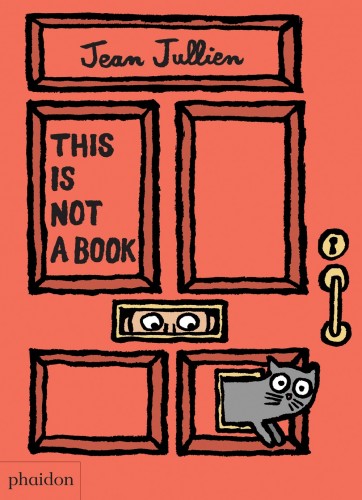

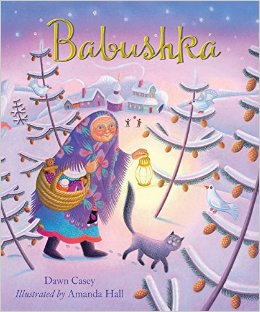
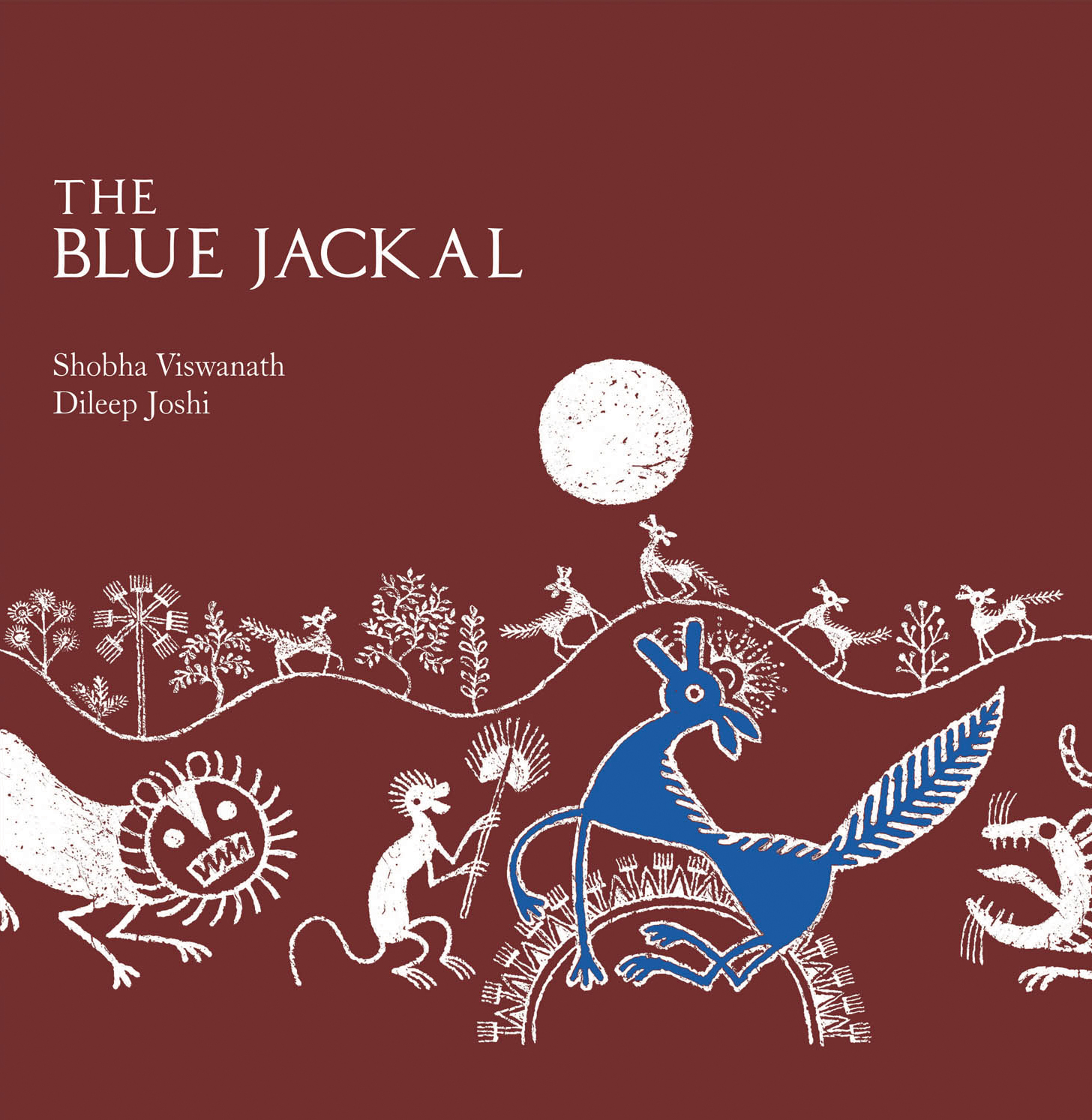
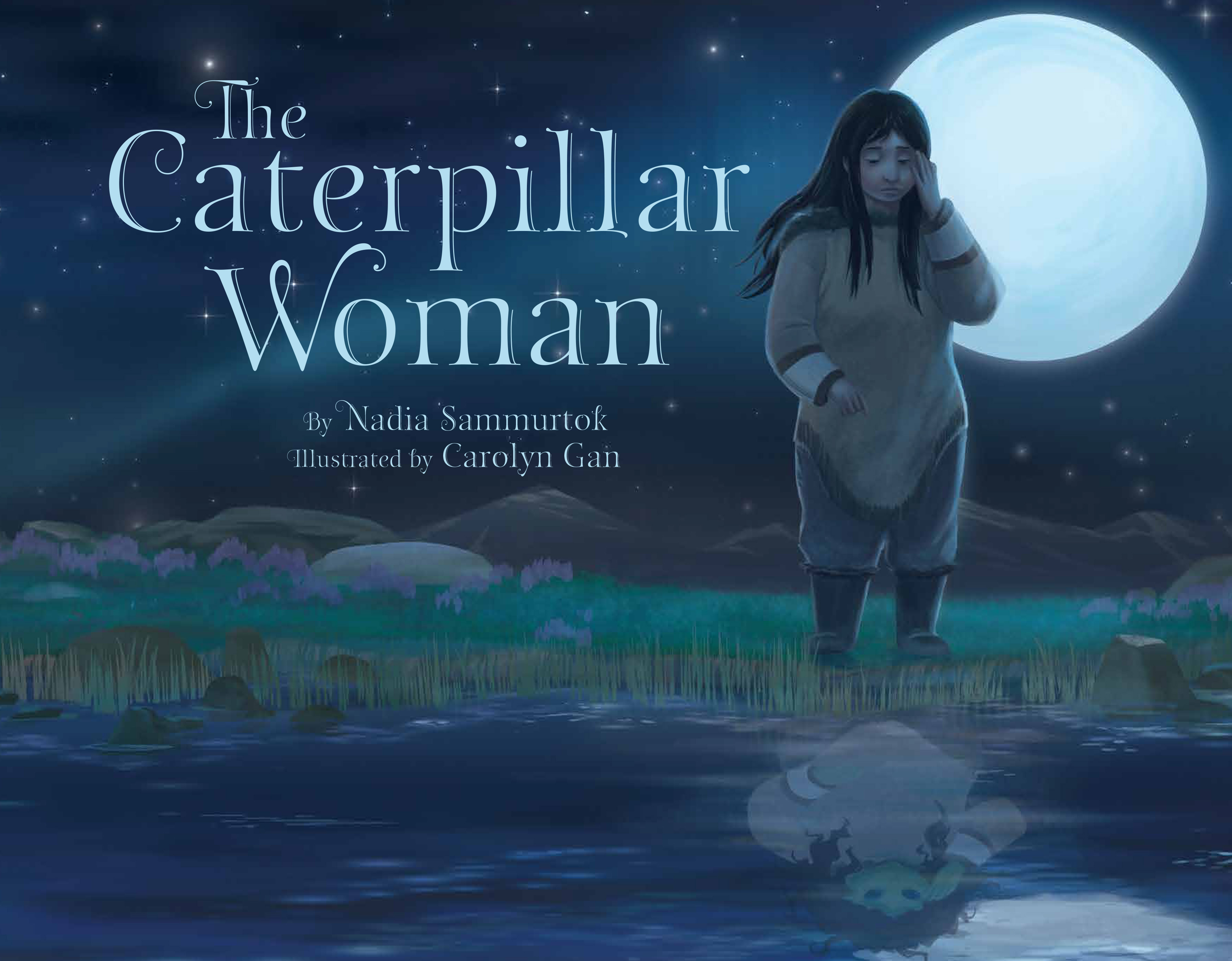
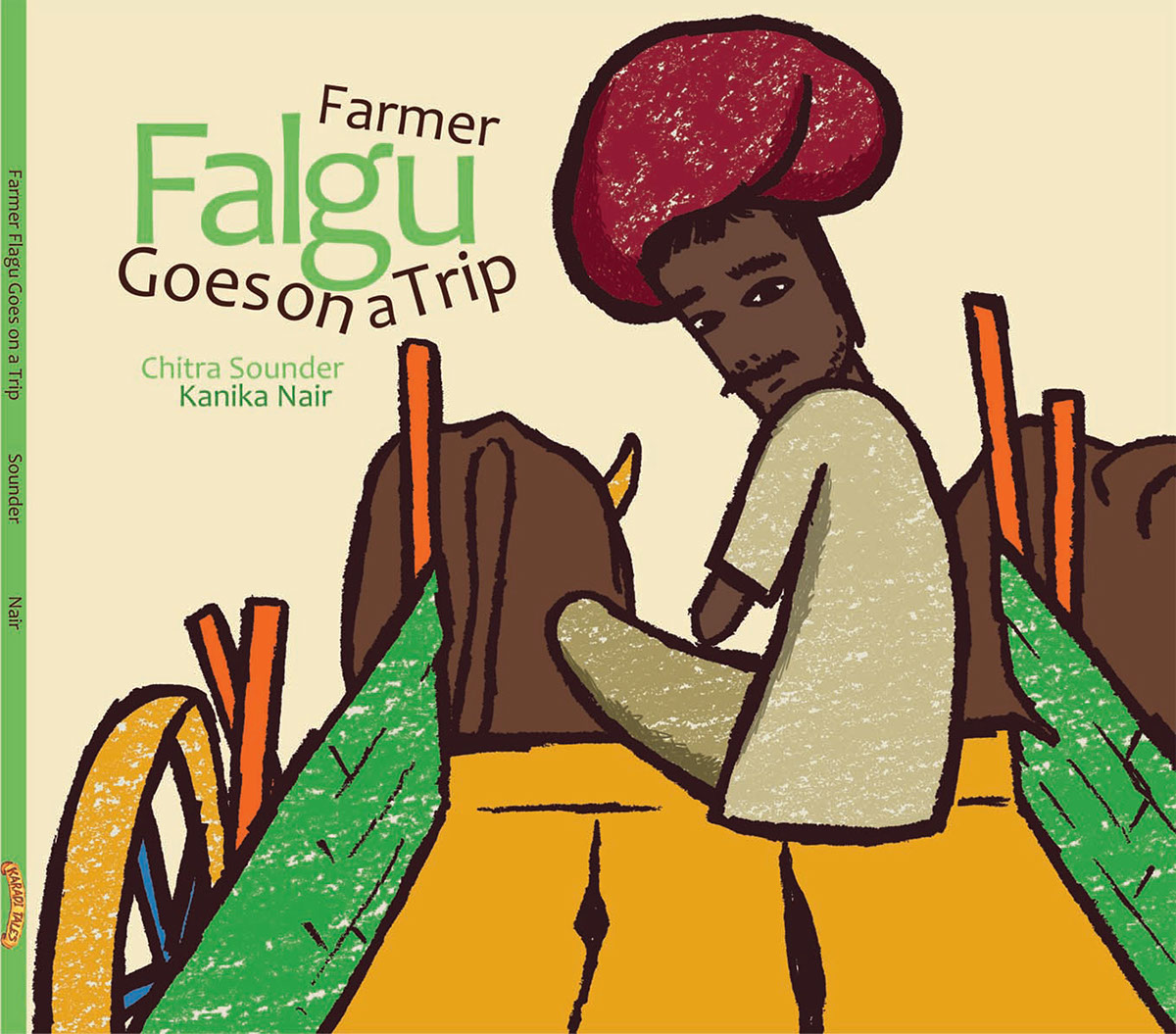
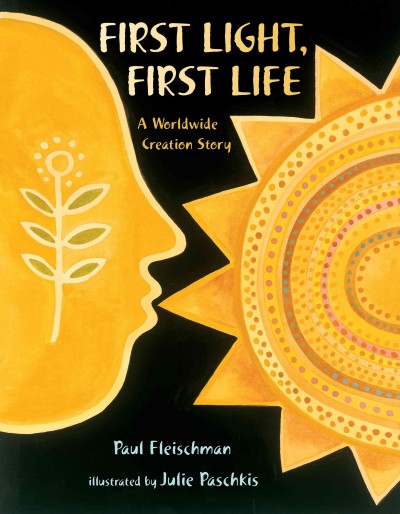
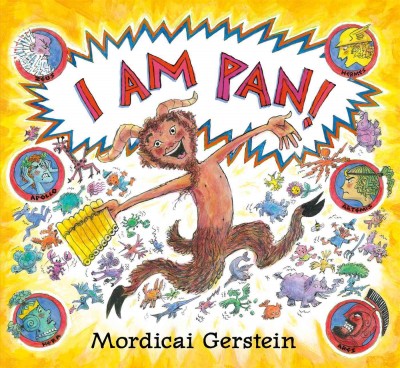
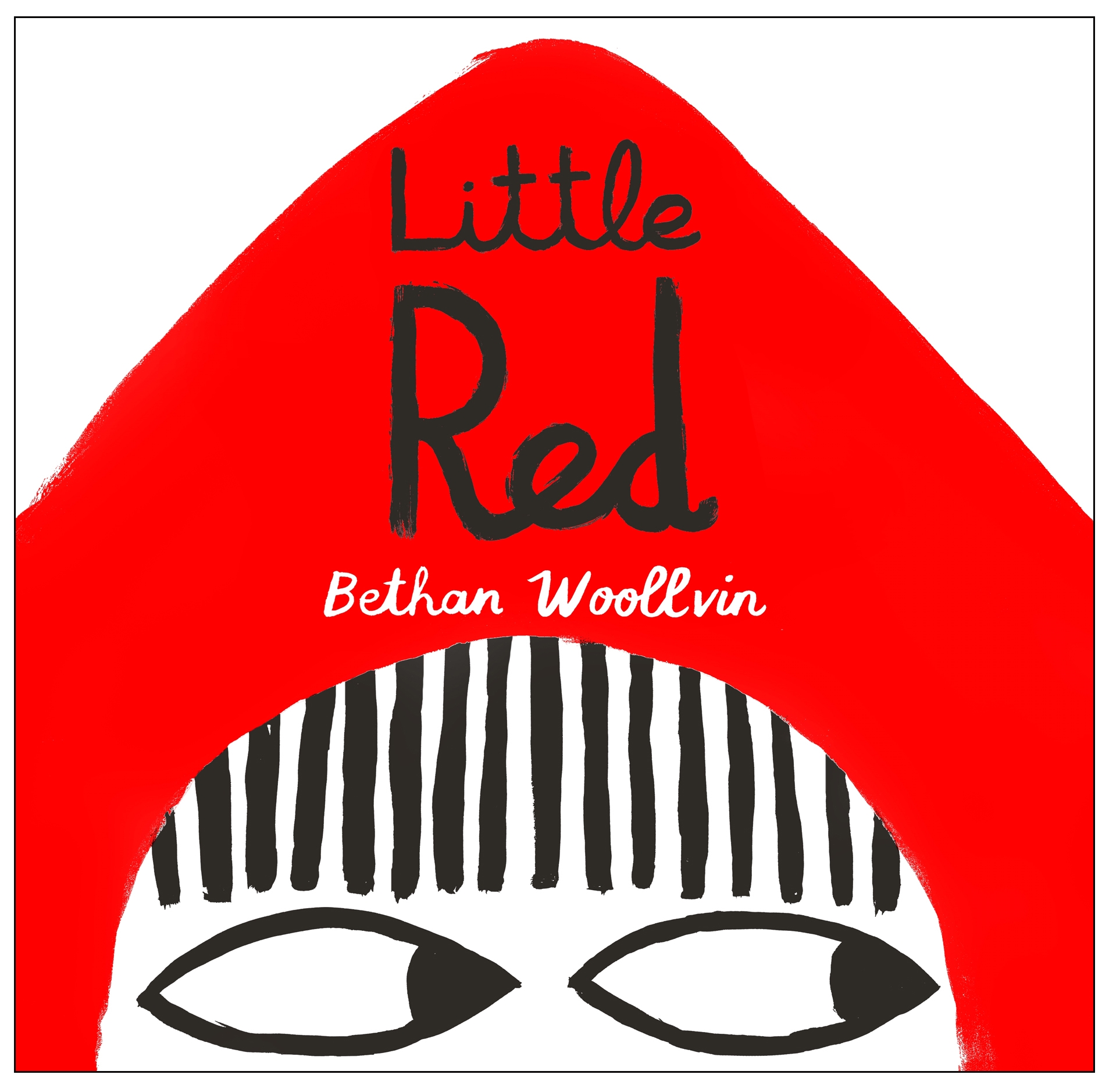
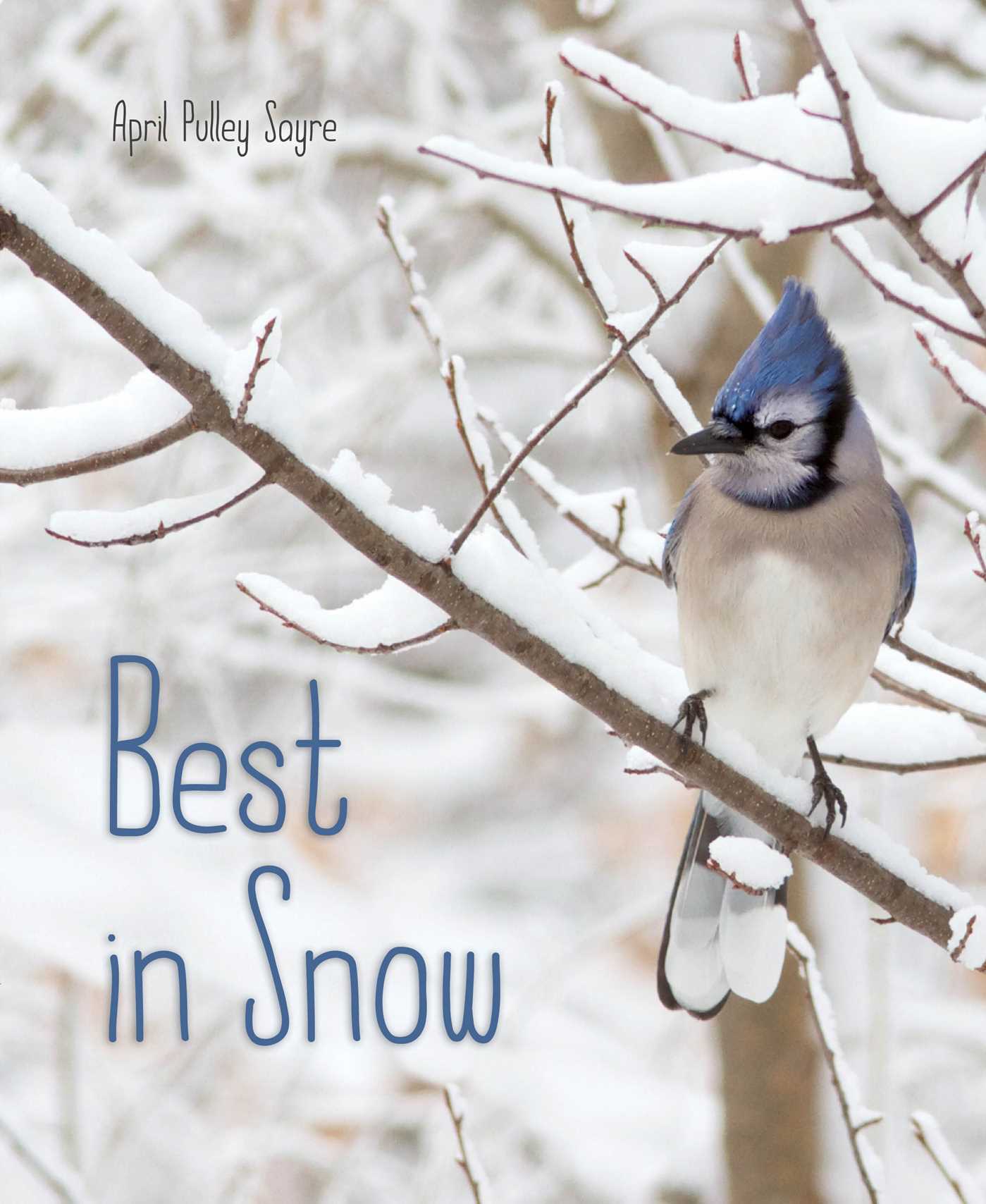
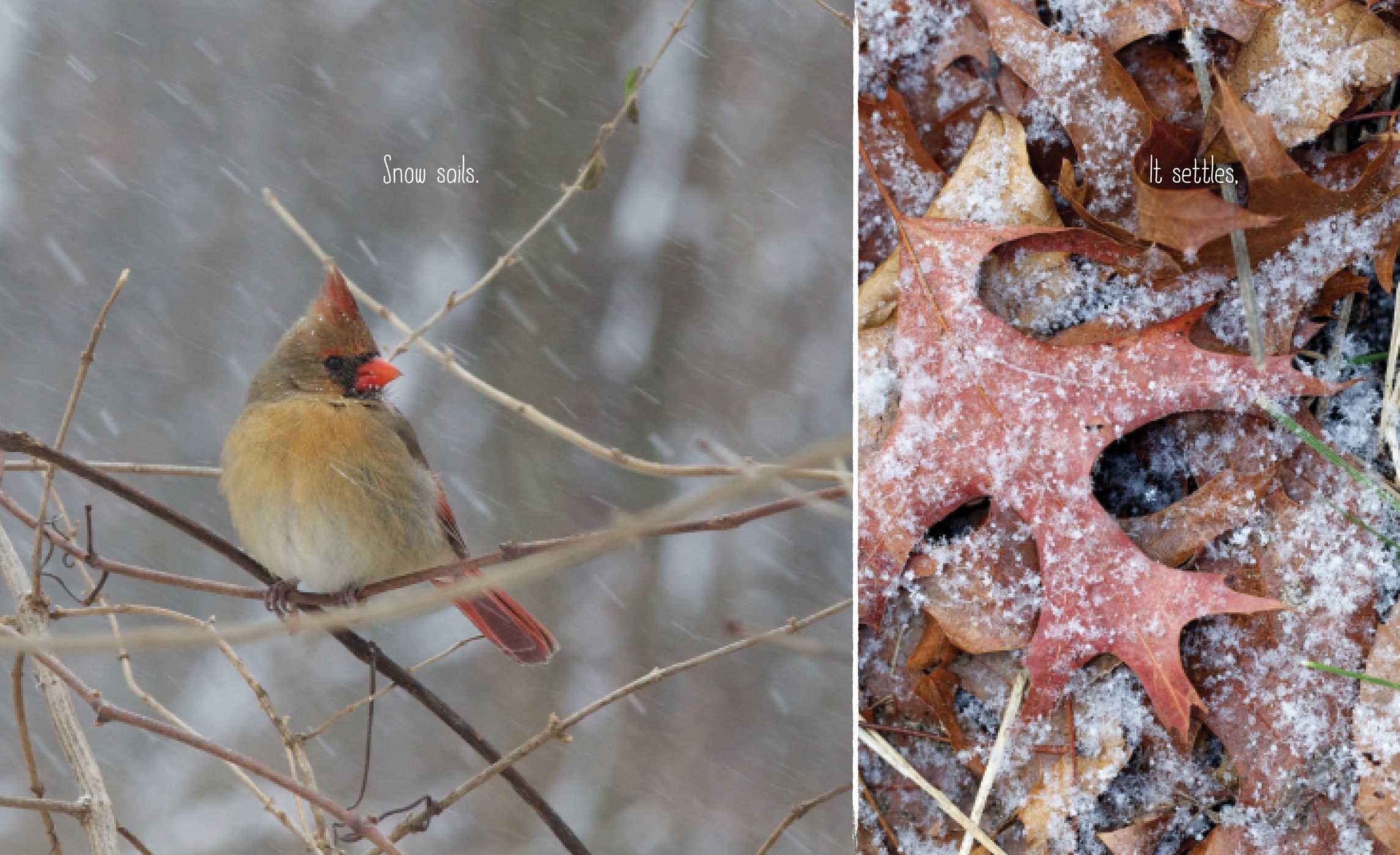
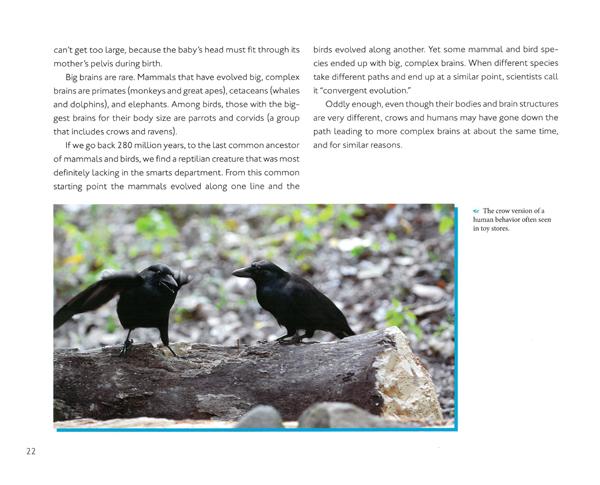

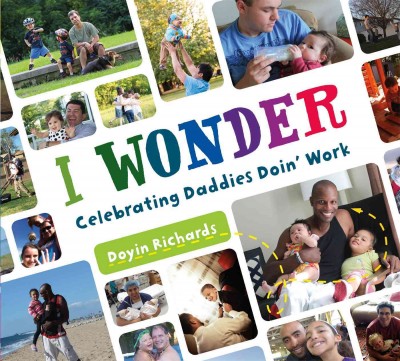
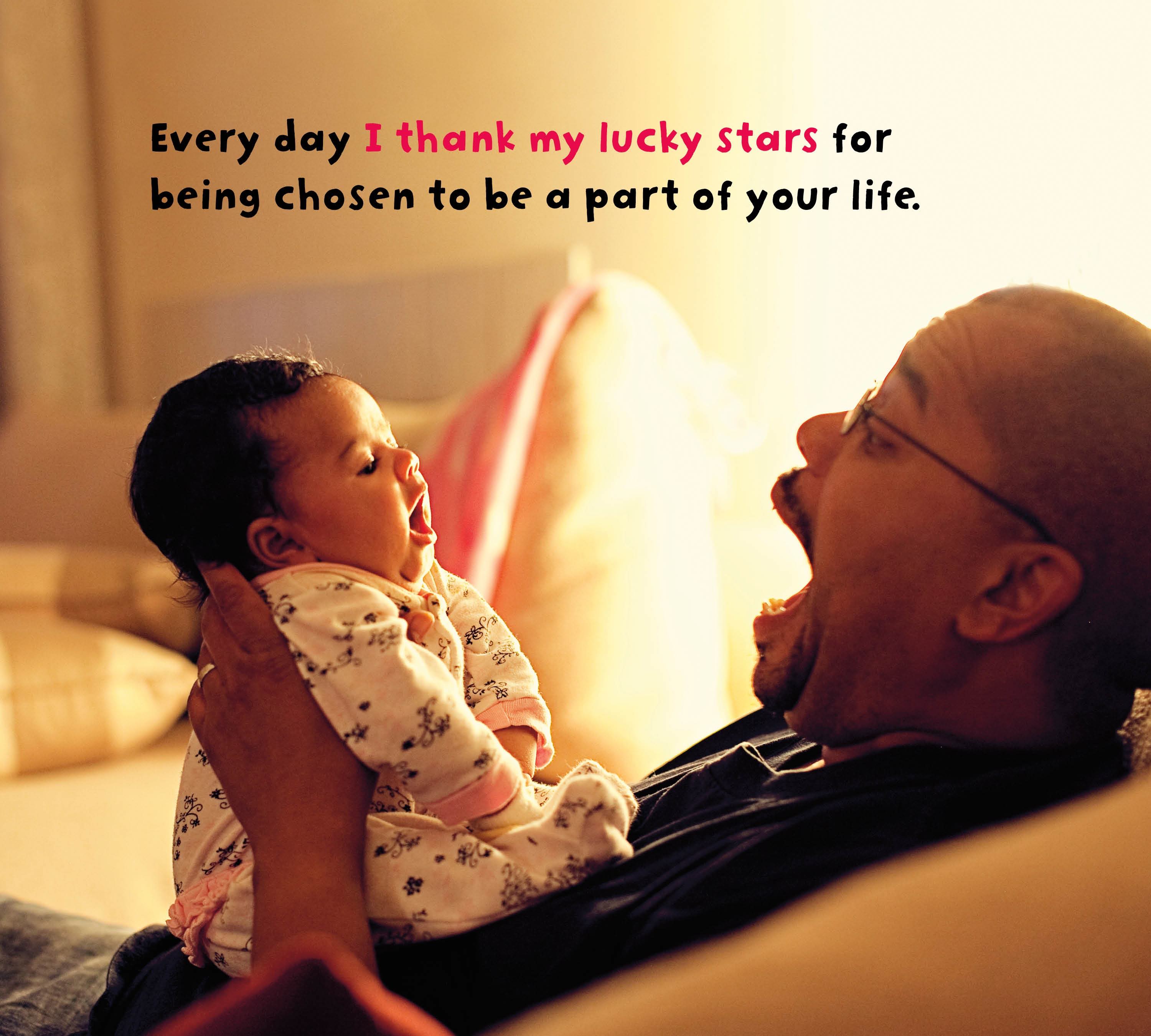

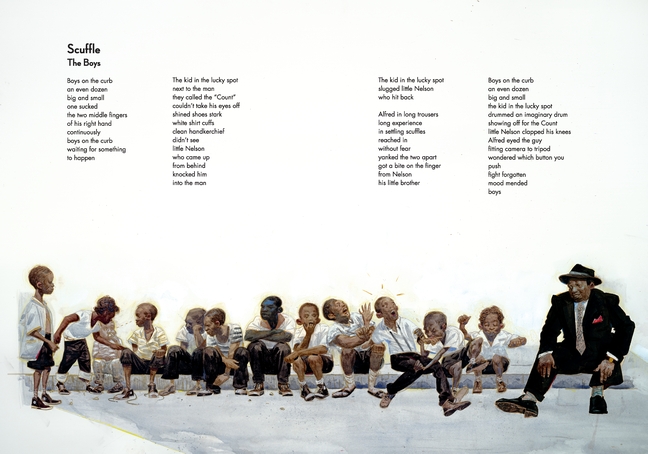
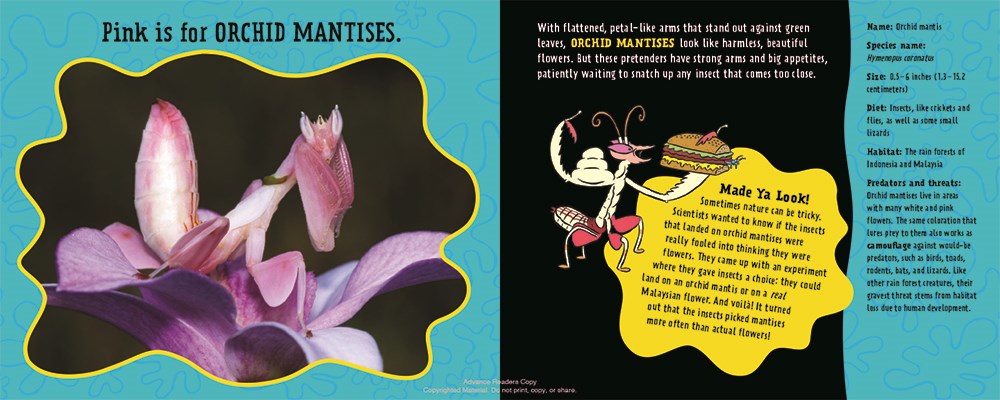

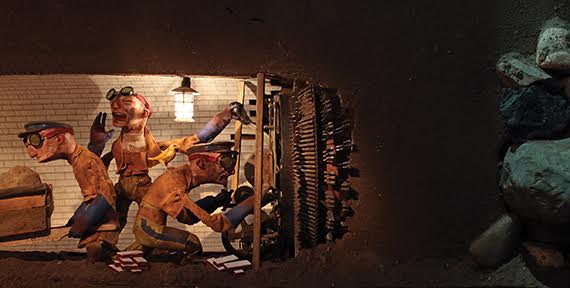
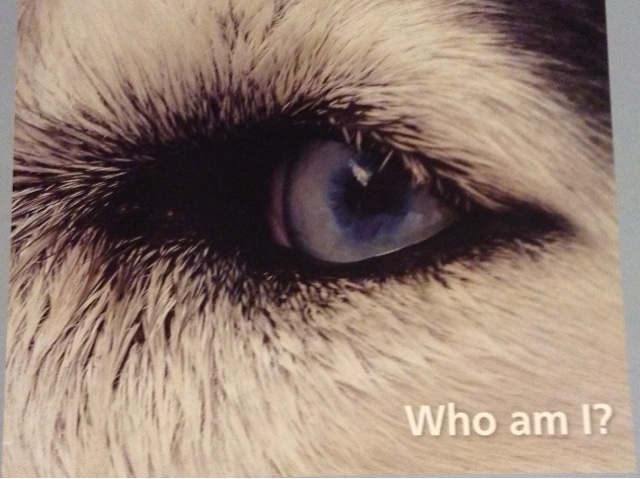
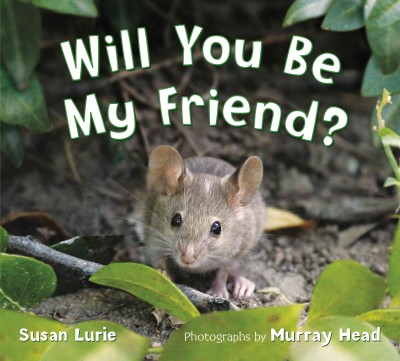
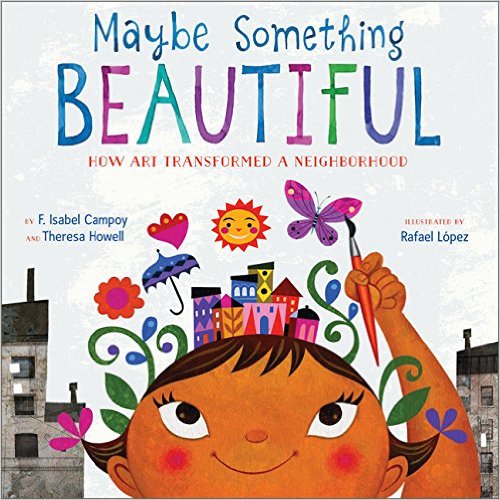
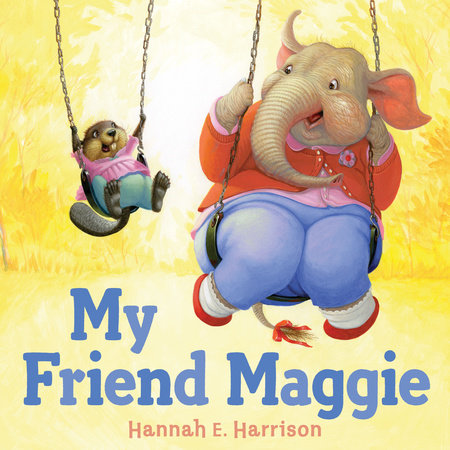
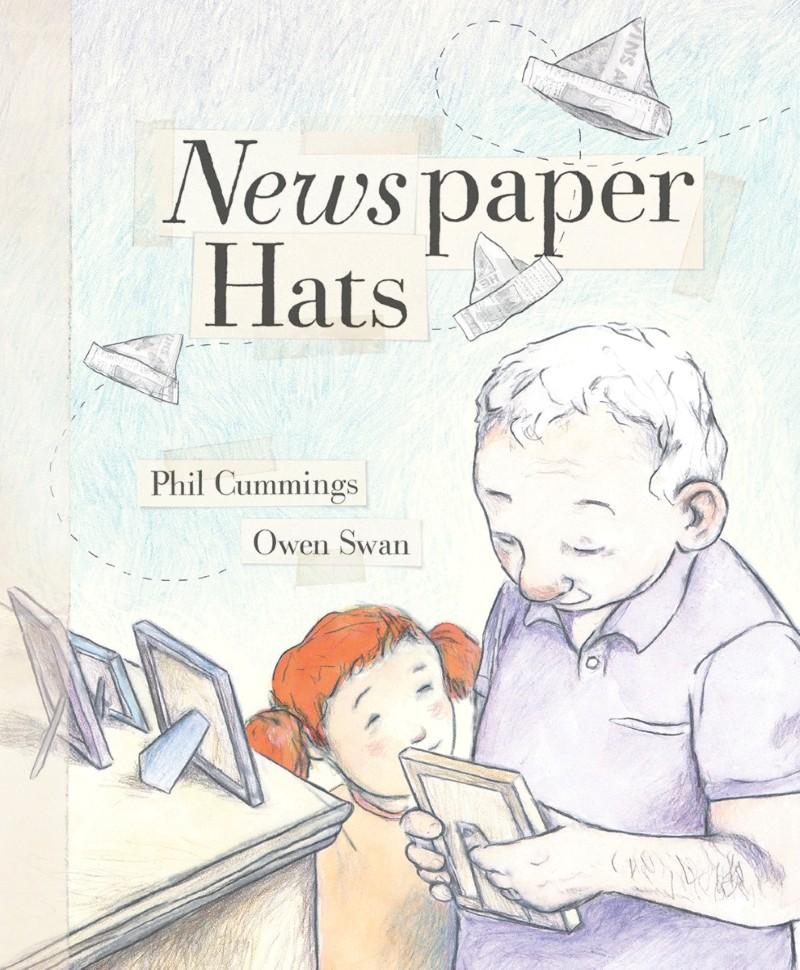
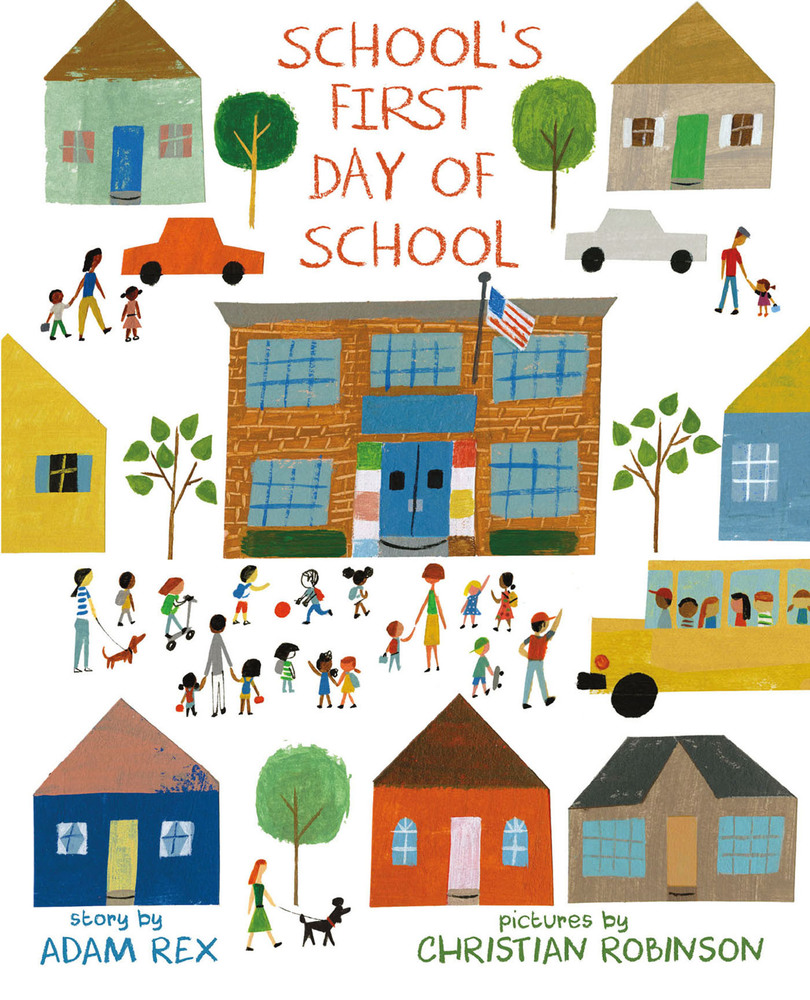

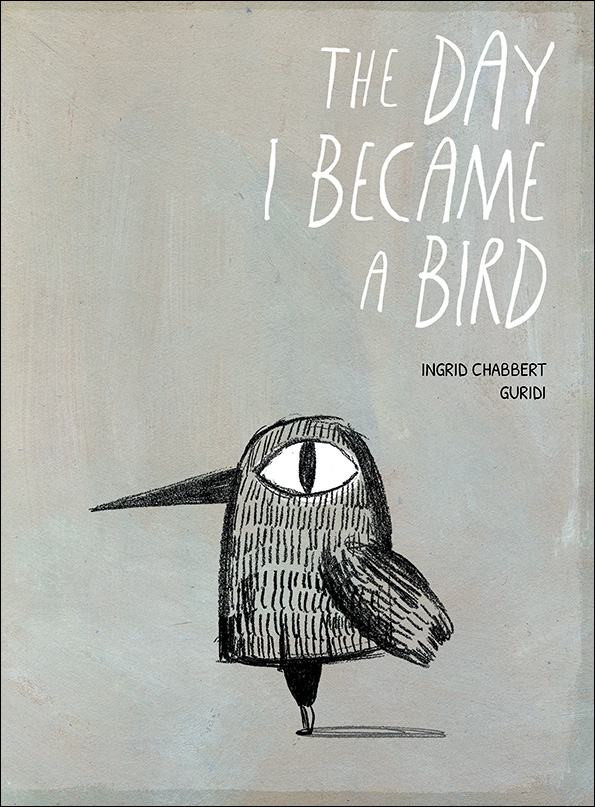
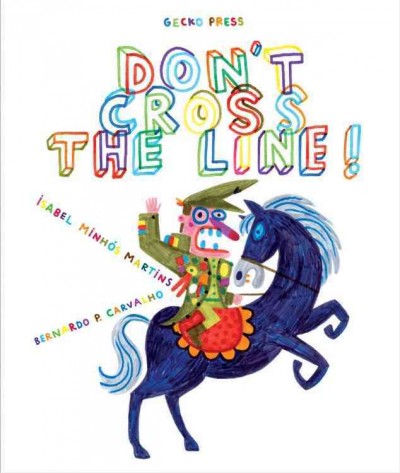
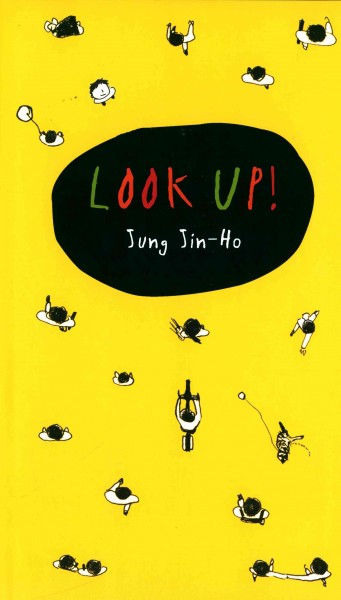
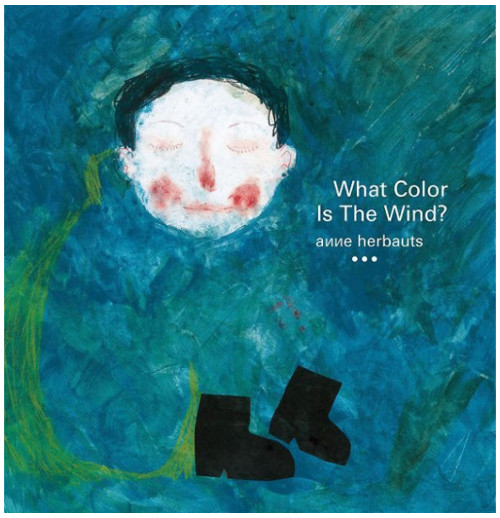
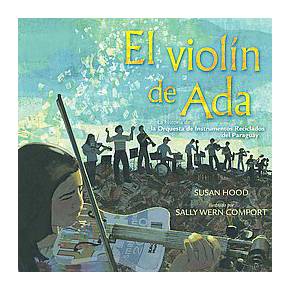
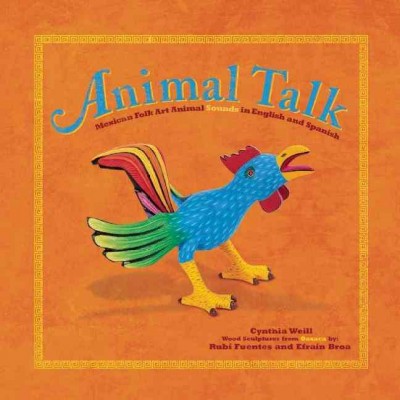

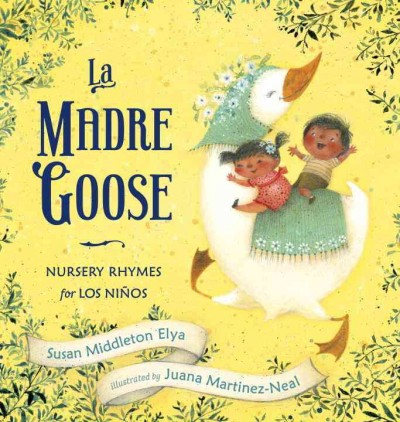
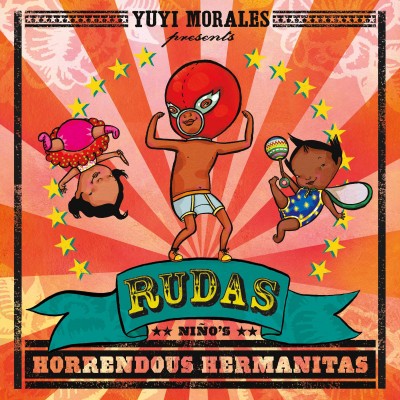
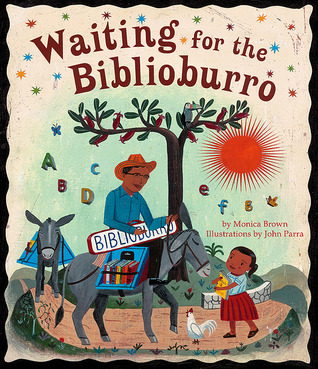
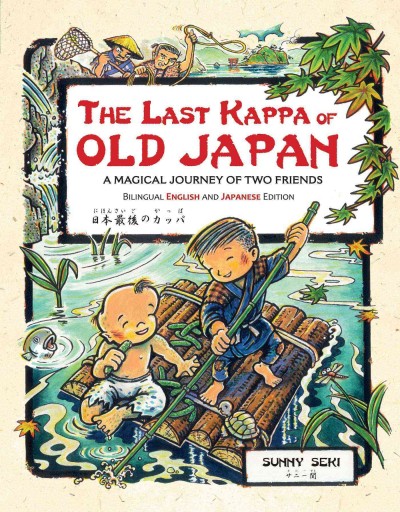
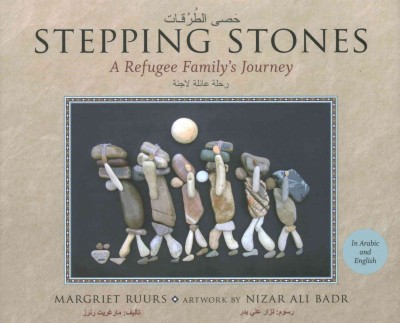



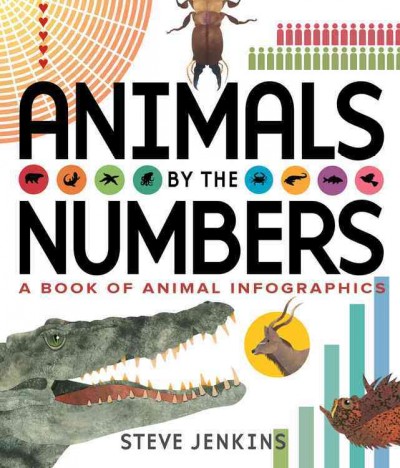
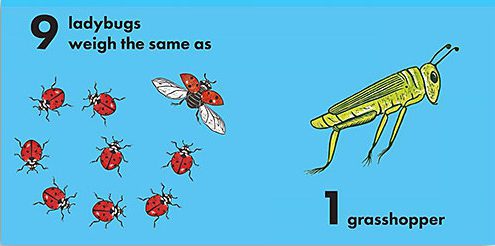

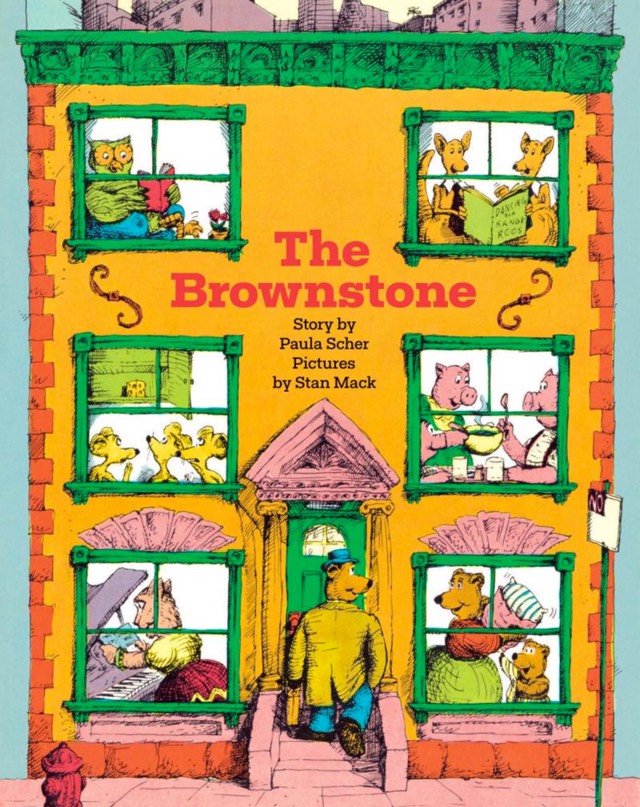

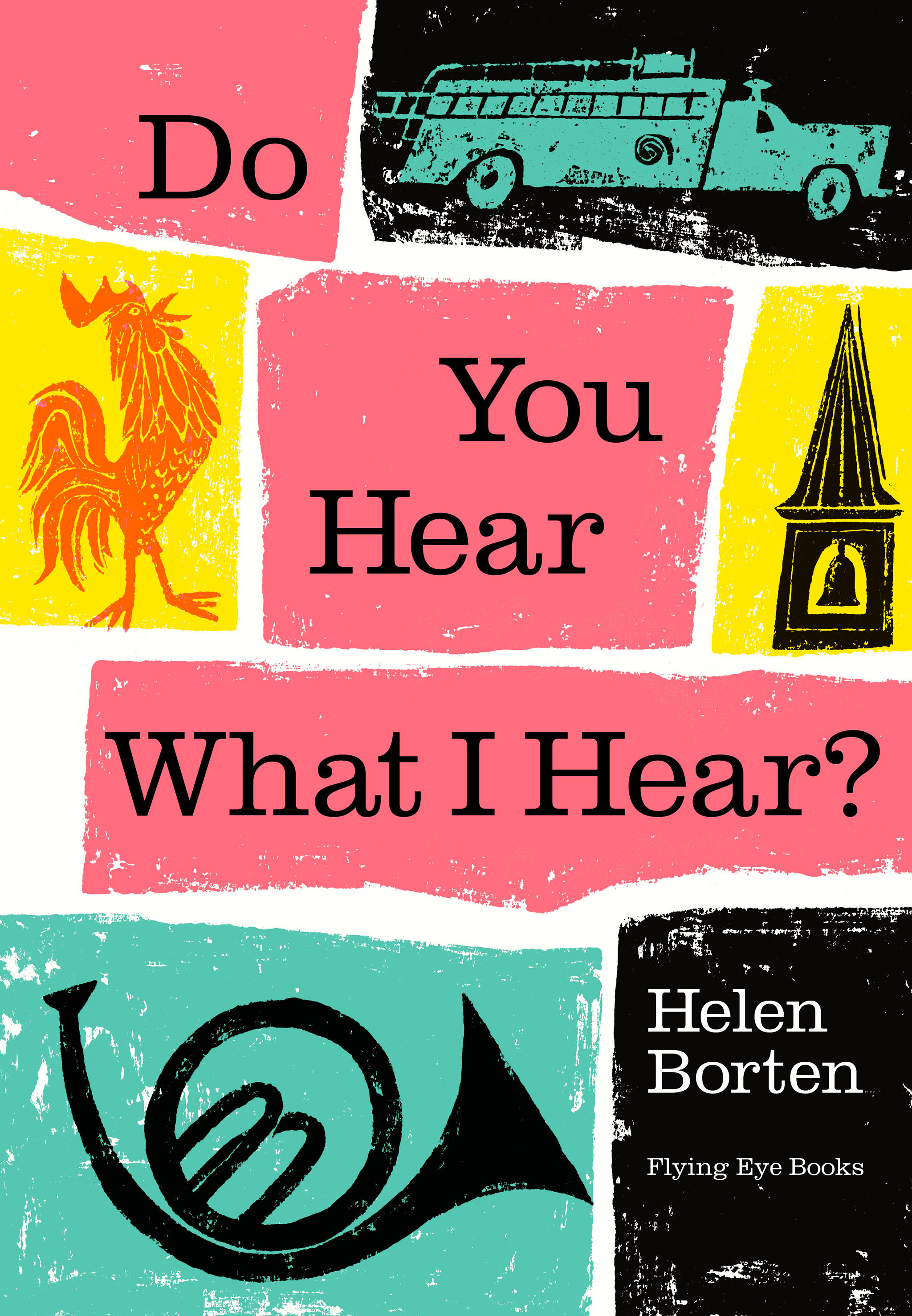
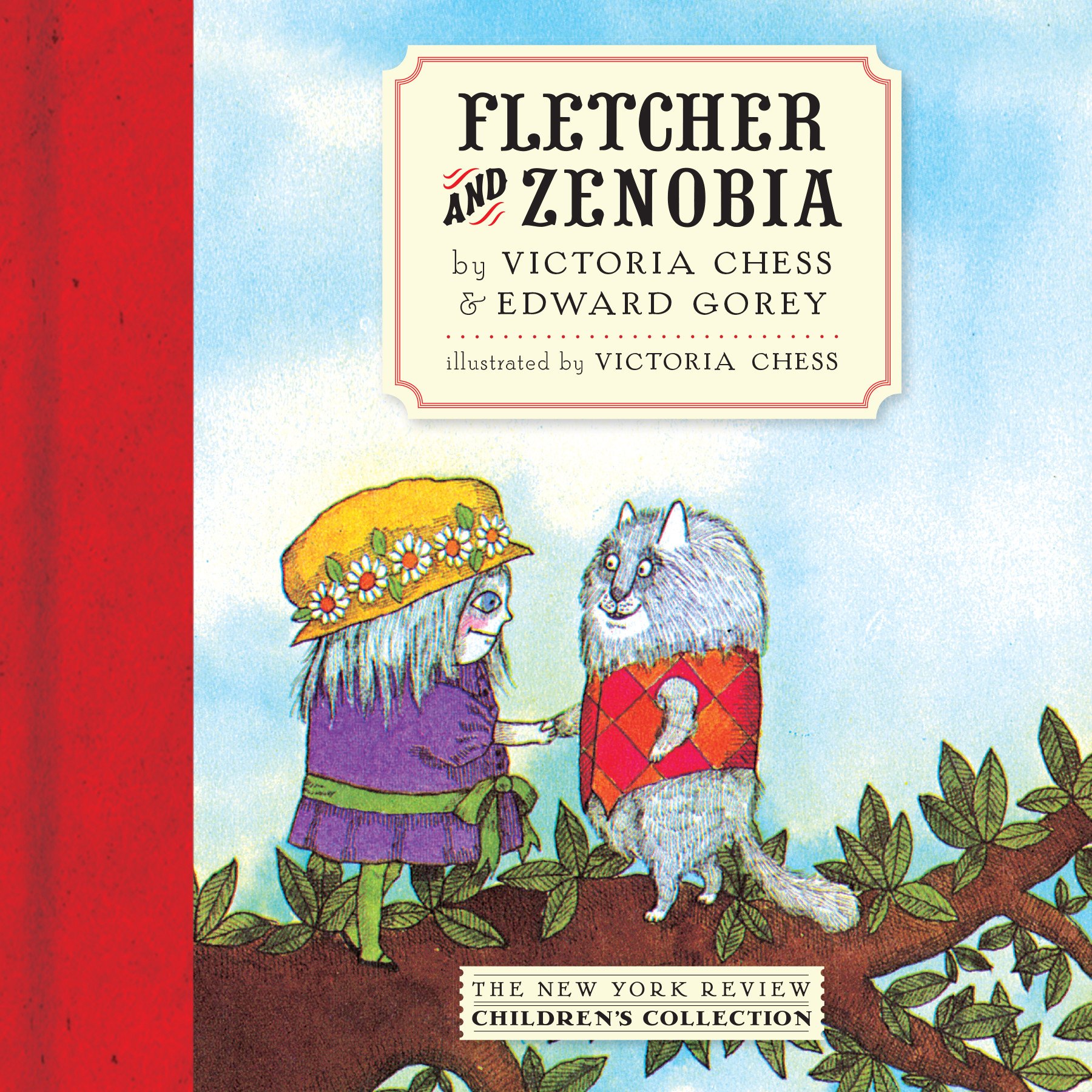


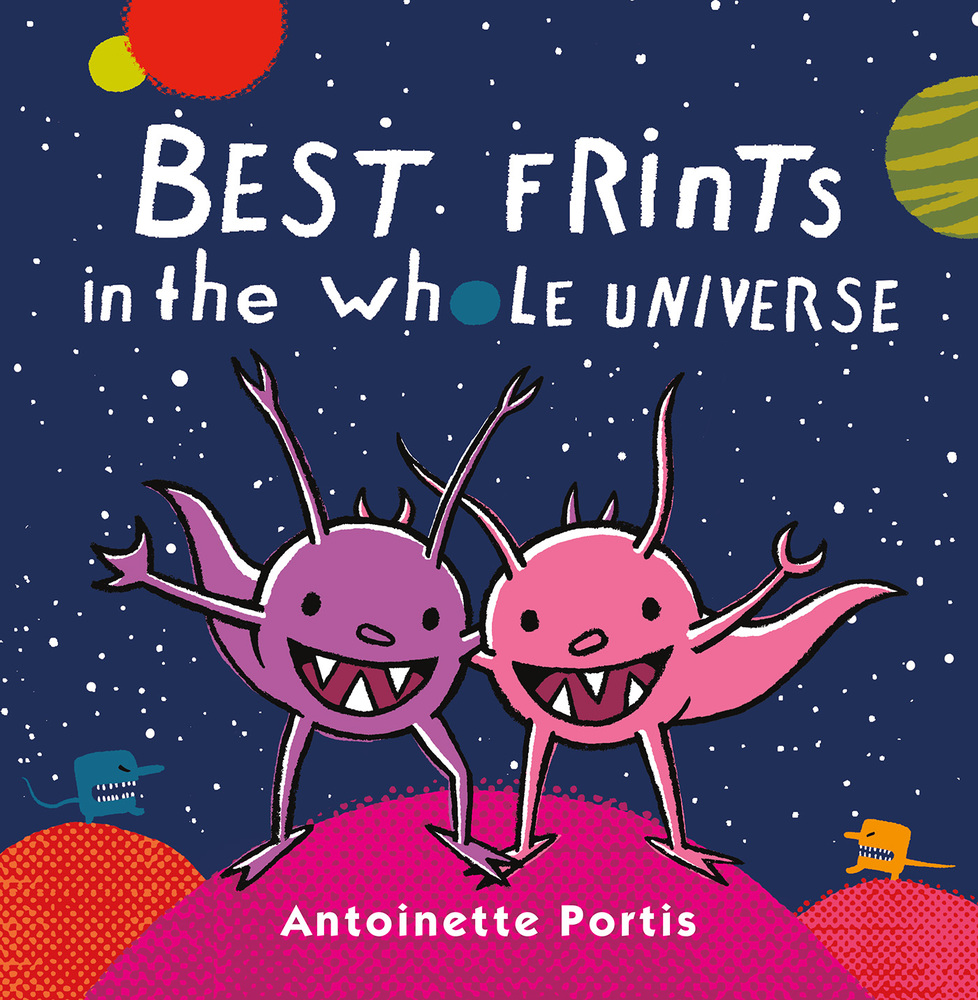


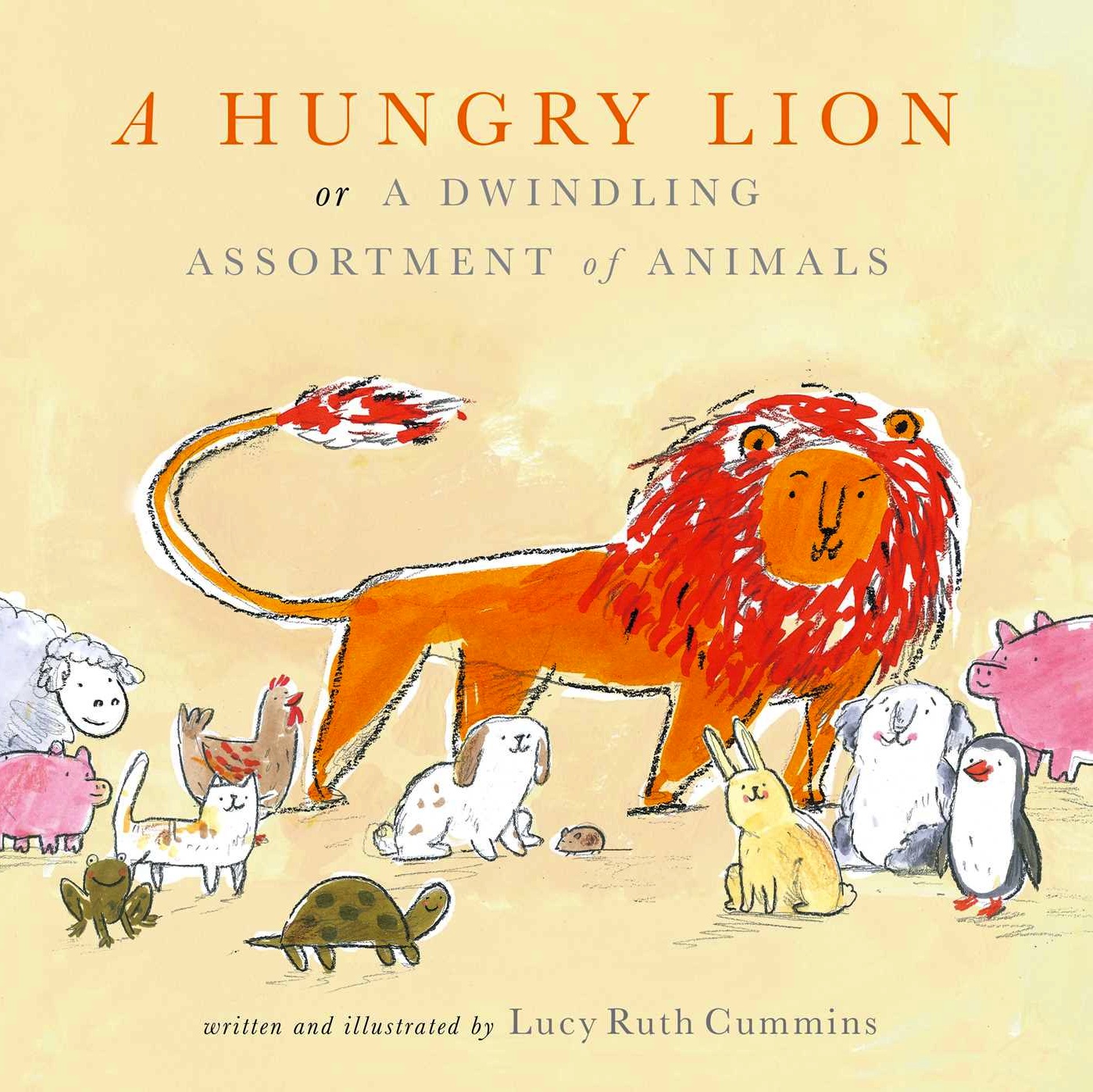

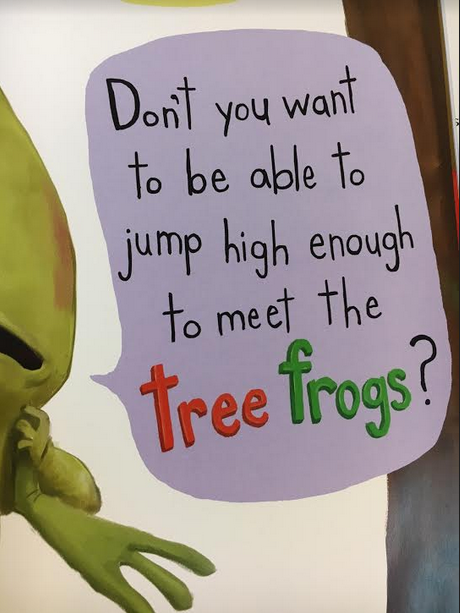
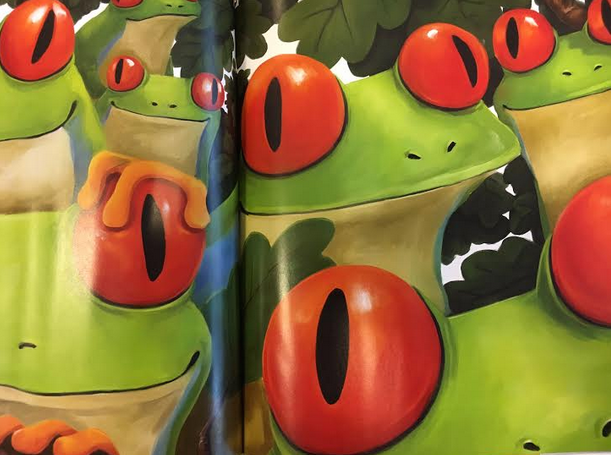







Thanks for the mentions!
I read aloud FIVE CHILDREN ON THE WESTERN FRONT to my 4th grade class last year and they loved it. None had read FIVE CHILDREN AND IT. I also gave it to a kid this year who reads literary sorts of things.
My Horn Book review of CLOUD AND WALLFISH is here: http://www.hbook.com/2016/11/choosing-books/review-of-the-week/review-of-cloud-and-wallfish/
Oh yeah! I had gotten out of reading middle school fiction because life intervened. Looks like a few here that will entice me to return. Thanks for the list.