new posts in all blogs
Viewing: Blog Posts from All 1564 Blogs, Most Recent at Top [Help]
Results 1 - 25 of 2,000How to use this Page
You are viewing the most recent posts from the 1564 blogs currently in the JacketFlap Blog Reader. These posts are sorted by date, with the most recent posts at the top of the page. There are hundreds of new posts here every day on a variety of topics related to children's publishing. We have provided a variety of ways for you to navigate through the blog posts. Click the dates in the calendar on the left to view blog posts from a particular date. Scroll down through the list of Recent Posts in the left column and click on a post title that sounds interesting. Click a tag in the right column to view posts about that topic. You can view all posts from a specific blog by clicking the Blog name in the right column, or you can click a "More Posts from this Blog" link in any individual post.
I've been reading a lot of mysteries lately, and this one caught my eye because it's about a guy with psychic abilities and my NaNoWriMo book is about a psychic PI! I definitely enjoyed this one, so check out Murder on the Mind by L.L. Bartlett.
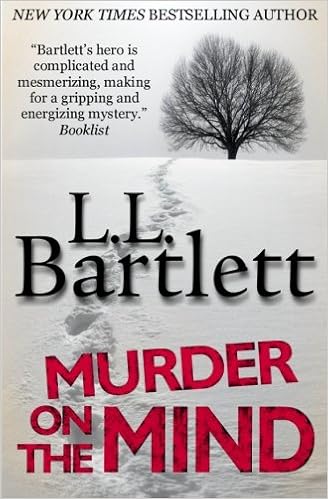
After a brutal mugging in Manhattan leaves him with a broken arm and fractured skull, insurance investigator Jeff Resnick reluctantly agrees to recover at the home of his estranged half brother, Richard. At first, Jeff believes his graphic nightmares of a slaughtered buck are just the workings of his traumatized mind. But when a local banker is found in the same condition, Jeff believes the attack has left him with a psychic sixth sense--an ability to witness murder before it happens.Piecing together clues he saw in his visions, Jeff attempts to solve the crime. His brother Richard is skeptical, but unsettling developments begin to forge a tentative bond. Soon, things that couldn't be explained by premonition come to light, and Jeff finds himself probing into dangerous secrets that touch his own traumatic past in wintry Buffalo—and the killer is ready to eliminate Jeff's visions permanently.
The immensely popular Booktown Mystery series is what put Lorraine Bartlett's pen name Lorna Barrett on the New York Times Bestseller list, but it's her talent—whether writing as Lorna, or L.L. Bartlett, or Lorraine Bartlett—that keeps her there. This multi-published, Agatha-nominated author pens the exciting Jeff Resnick Mysteries as well as the acclaimed Victoria Square Mystery series, the Tales of Telenia adventure-fantasy saga, and now the Lotus Bay Mysteries, and has many short stories and novellas to her name(s).
 No excuses! These are just the books that I read in 2016 that I thought knocked it out of the park. These aren’t the “best of the year”. These are just the books that were particularly good and that somehow crossed my radar. I read a lot more than what you’ll see here, but I loved these the best. For your consideration:
Wonderful 2016 Children’s Novels
Cloud and Wallfish by Anne Nesbet
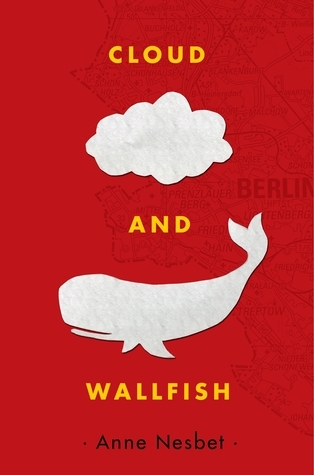
My dark horse Newbery front runner. I found it because Roger Sutton mentioned it off-handedly on his podcast, but it was Monica Edinger’s Horn Book review that got the most attention from the folks at Heavy Medal. It’s just the most delightful little Cold War, East Germany, book you could name. I’m gaga over it. If your kids read it, they will be too.
Five Children on the Western Front by Kate Saunders
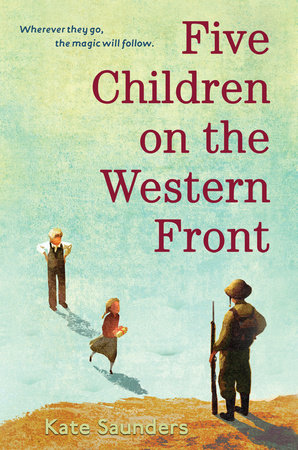
Again with the book recommendations from Monica! This time a couple years ago, when she found the English edition of this book. It came out this year with surprisingly little fanfare, but I just adored it. The question is whether or not kids unfamiliar with the works of E. Nesbit will get anything out of it. The eternal optimist, I vote yes! I mean, it’s about a tyrant finding its (his) soul. There’s something to that.
Full of Beans by Jennifer L. Holm
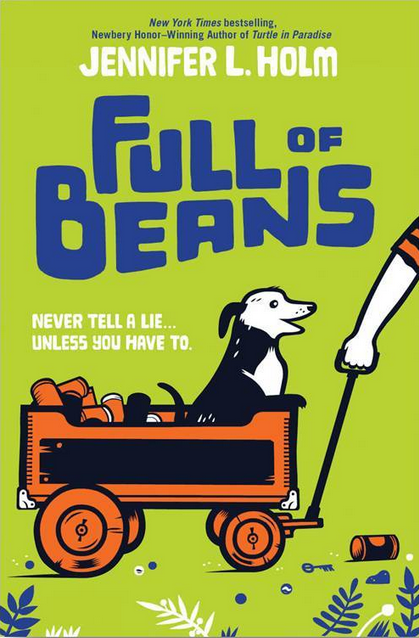
Funny that I never reviewed this one, but with Jenni Holm you sort of don’t have to. The woman’s masterful. To read her book is to marvel at how seemingly effortlessly she pulls various elements together. I will say that though this book is a prequel, you will not need to have read its predecessor to get anything out of it. It is, in a nutshell, sort of perfect.
Furthermore by Tahereh Mafi
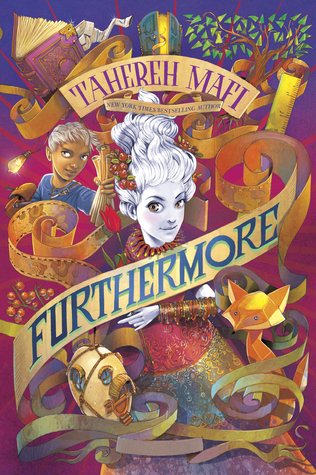
To ask anyone to craft a wholly original fantasy novel for kids is just setting that person up for a fall. If Mafi succeeds in any way here it is in her writing rather than her ideas. Not that her ideas aren’t interesting. They are, but it’s the characters, their interactions, and their personalities that sold it for me. It is infinitely readable and a lot of fun to boot. I like fun. I liked this book. I don’t hold it against it that it’s a New York Times bestseller either.
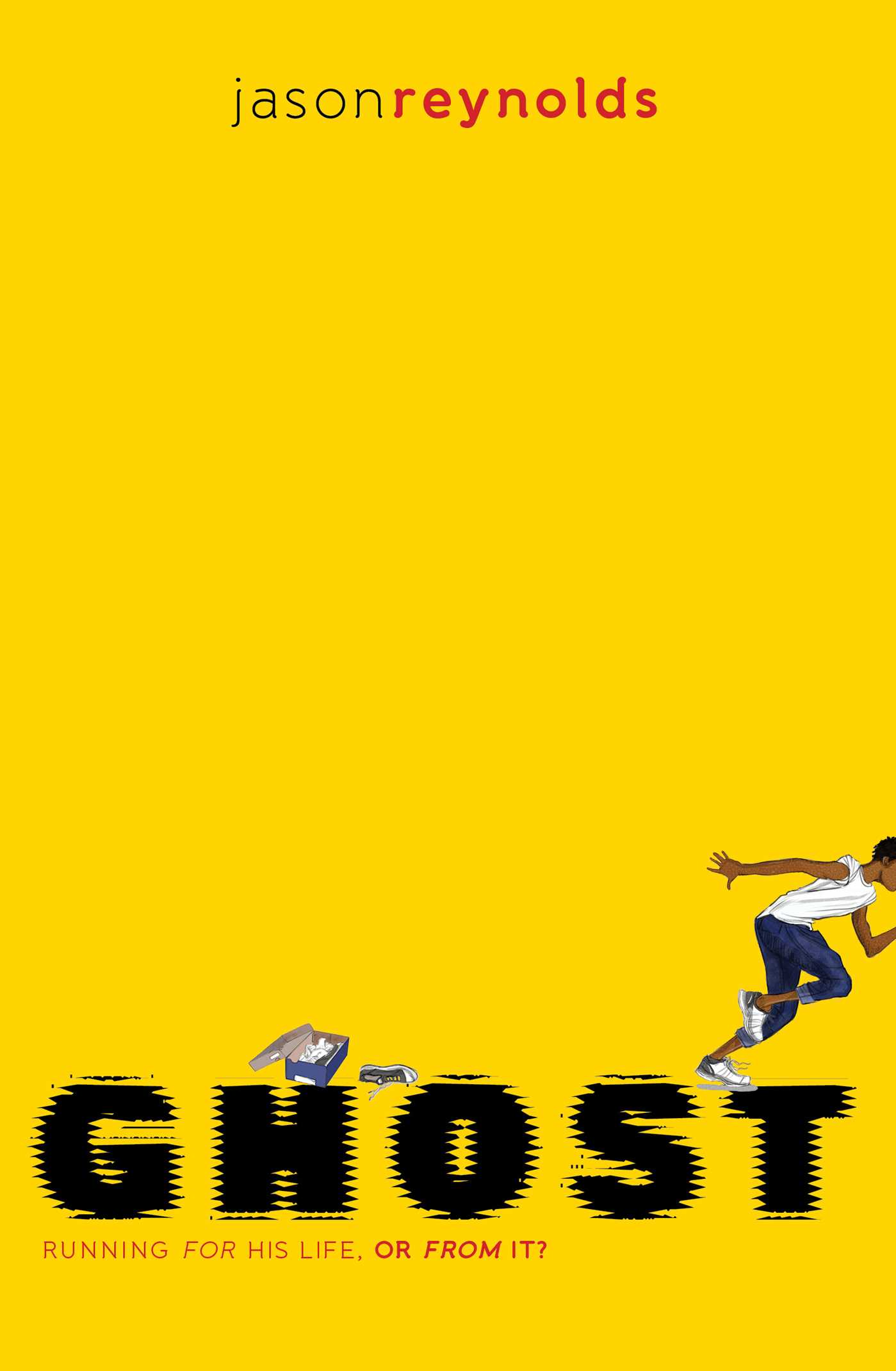
Ghost by Jason Reynolds
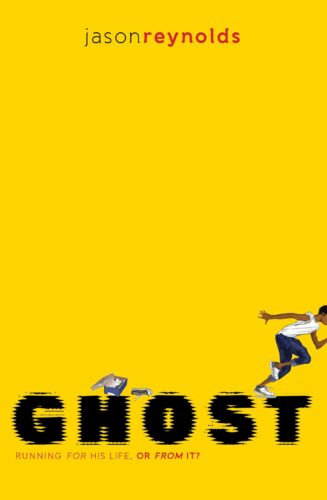
Years ago (three?) I said this Jason Reynolds guy was gonna be a star. I had a chance to hear him speak for the NYPL librarians after the publication of his first solo YA novel. In 2016 he started publishing middle grade in earnest and if he doesn’t win any major awards this year it’s simply a matter of time before he does in the future. I don’t know if Ghost is gonna take home a Newbery in any way, shape, or form. I just know that it was incredibly fun to read. One of my favorites of the year.
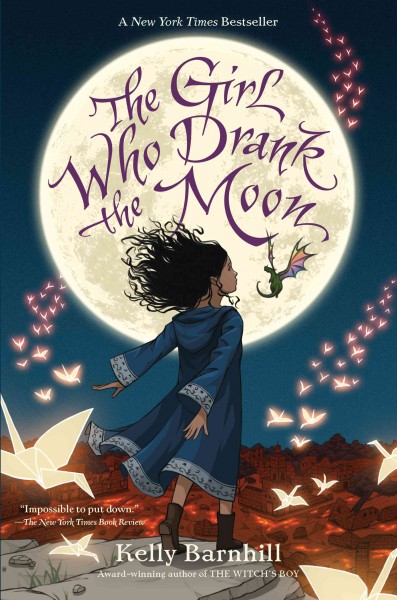
The Girl Who Drank the Moon by Kelly Barnhill
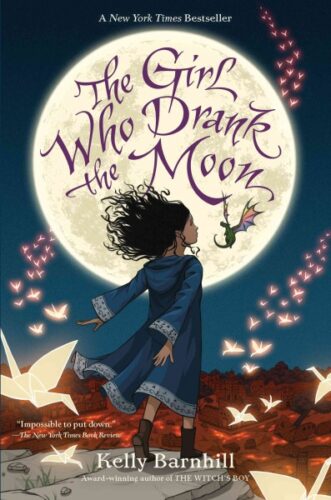
It’s anyone’s guess as to why it took me 8 months or so to finally pick this book up. When I saw Kelly speak at BookExpo here in Chicago this year I knew she was on to something. But to be perfectly frank, I’ve loved her work since she wrote The Mostly True Story of Jack (a book that I would contend still doesn’t get the attention and respect it deserves). I liked this one a lot. It’s a thick one, no question, but it also compelled me skip ahead a little just so that I could make sure that the villain wouldn’t win. There’s only one other book on this list this year that made me do that. I’ll let you guess what it was.
The Inn Between by Marina Cohen
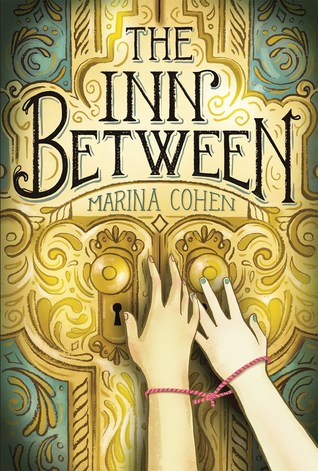
I include this book not because it’s some deep, insightful, heavily meaningful book fraught with consequence and award-worthy pain. No, this is just the kind of book I would have LOVED as a kid. I was the one who checked out all the Apple paperbacks that involved ghosts from my Scholastic Book Fair orders. So, naturally, this would have appealed. I mean, the back flap copy calls it “The Shining meets Hotel California” and that ain’t wrong. You’d never know it from the cutesy cover, though, would you? Someone needs a cover do-over.
The Inquisitor’s Tale by Adam Gidwitz
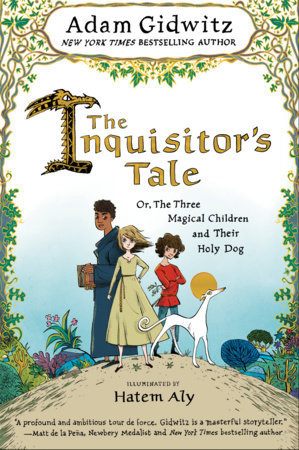
It doesn’t need my help. It never needed my help. But it’s wonderful and winning. Smarter than almost every other book on here by half. Gutsy. Challenging. And I can’t wait for the movie. I call dibs on Tom Hiddleston to play the King of France.
The Magic Mirror: Concerning a Lonely Princess, a Foundling Girl, a Scheming King and a Pickpocket Squirrel by Susan Hill Long
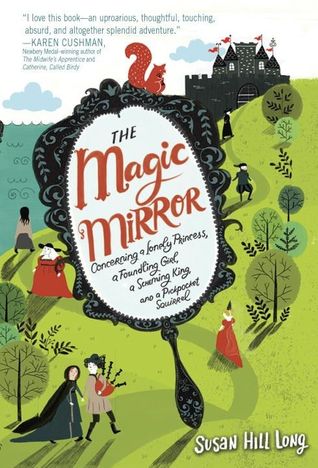
Poor little book. You were the first novel I read in 2016 and I came dangerously close to forgetting you here today. I liked this one very much, going so far as to say in my review that it was similar in tone to The Princess Bride. It actually makes a rather good pairing with THE GIRL WHO DRANK THE MOON, come to think of it. If you’ve a kid looking for light, frothy fantasy, this is the one to pick up.
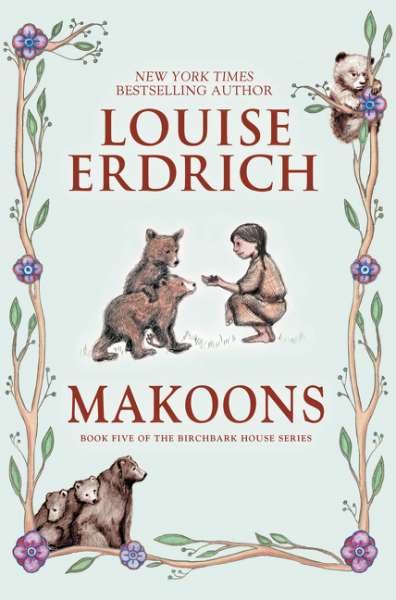
Makoons by Louise Erdrich
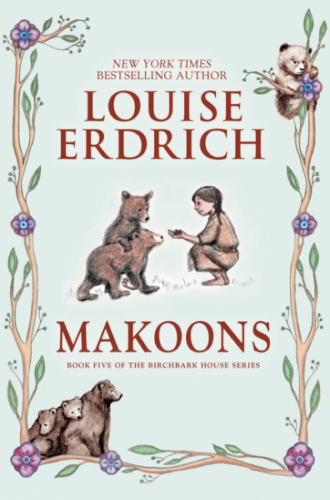
Does anyone ever point out how funny these books are? Yes, we all know Louise Erdrich to be a master writer, but she’s also incredibly hilarious when she wants to be. The latest book in the Birchbark House series did not disappoint and even gave us a few new characters. My favorite is the character done in by vanity, brought low, and ultimately redeemed. I’m a sucker for that kind of tale.
The Mighty Odds by Amy Ignatow
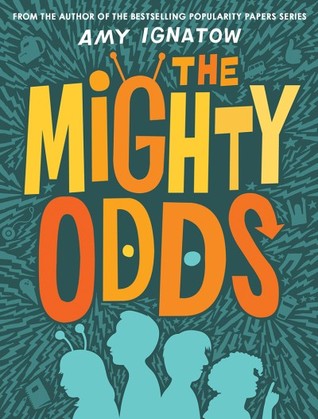
If you could have any superpower, would you choose the normal one or the weird one? If you chose the weird one then this book is for you. I think we’ve seen the outcasts-with-superpowers motif a lot (Spiderman, arguably, was one of the first) but I like Ignatow’s style so much that this is one of my current favs. How much do I love it? I actually bought a copy for my niece and I almost never ever buy books. What can I say? It was just that good.
Ms. Bixby’s Last Day by John David Anderson
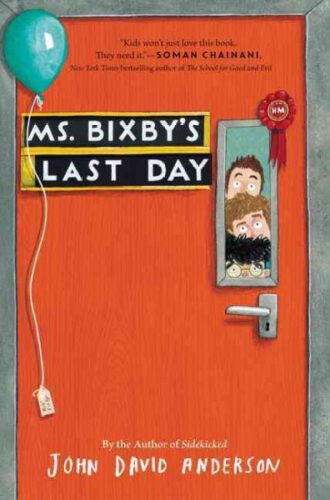
Not usually my kind of book but I liked Anderson’s Sidekicked years ago and figured that in spite of the description it might work for me. And it did! Granted, there’s more than a touch of Dead Poet’s Society to it, but all I cared was that it had an honest ending. An honest earned ending. This title doesn’t pander and I appreciate that. Worth discovering.
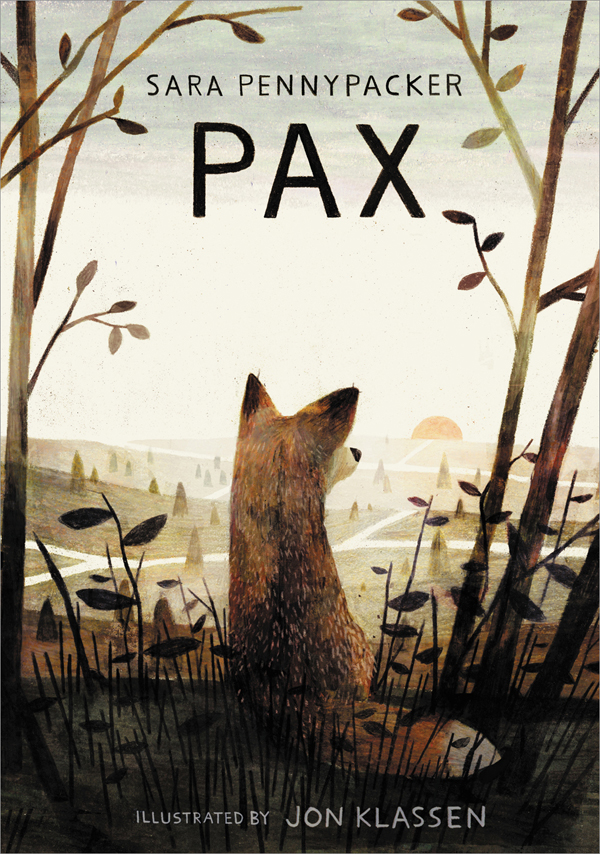
Pax by Sara Pennypacker
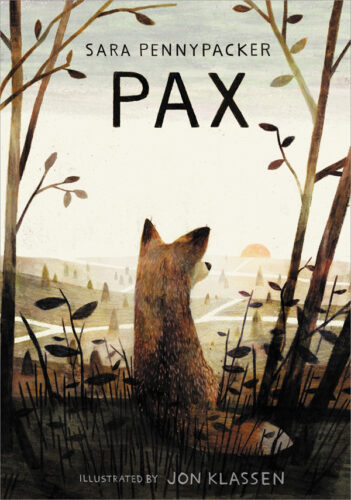
Can you believe this book came out in 2016? I feel as if we’ve been talking about it for two years. It’s still one of the strongest of the year, no matter what anybody says. When I was a child, I had a thing for foxes. Clearly I missed my era. If you’ve somehow managed to avoid reading this title, you have time to get your hands on it before award season. Do that thing.
Raymie Nightingale by Kate DiCamillo

While I would repeat that this book would be Because of Winn-Dixie if you dipped that book in a vat of sadness, that doesn’t mean it isn’t remarkable. I found it breathtakingly sad, but also smart. I didn’t care two bits for the main character (she’s remarkably forgettable) but the other characters just popped off the page. Quite a book.
Rebel Genius by Michael Dante DiMartino
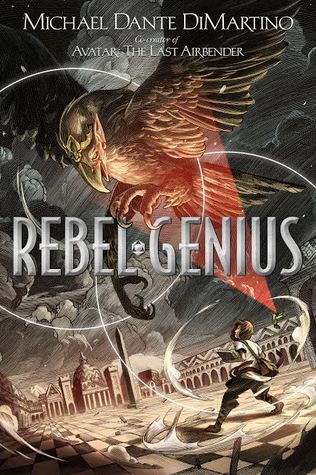
Poor action/adventure fans. What do I even have for you here today? Well, I have a fantasy novel coming from one of the co-creators of the Avatar: The Last Airbender television series, and that ain’t peanuts. Though it does come across as a slightly less scholarly His Dark Materials, I enjoyed the premise of Rebel Genius (a great title, if ever there was one). The big bad villain never makes an appearance but plenty of other baddies do. It’s compelling to its core.
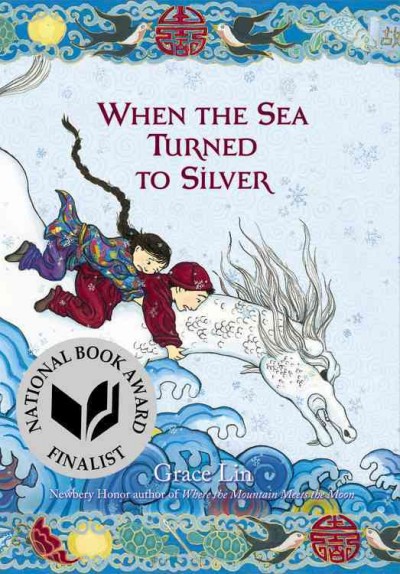
When the Sea Turned to Silver by Grace Lin
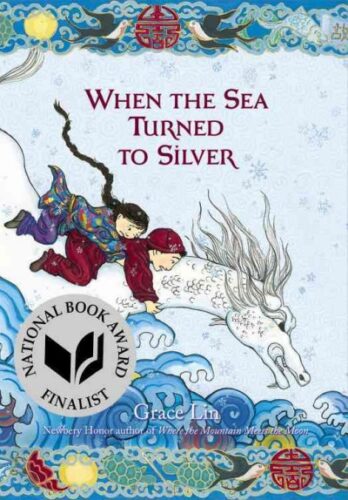
I just finished reading my daughter Where the Mountain Meets the Moon and wanted to just skip directly to this one, but Starry River of the Sky is next on our list and we shall not go out of order. Of the three books in the series, this is by far my favorite, and you certainly don’t have to have read the other books to enjoy it. Lin gets better and better with every book she writes. Annoying for her fellow authors, I’m sure, but great for the rest of us!
The Wild Robot by Peter Brown
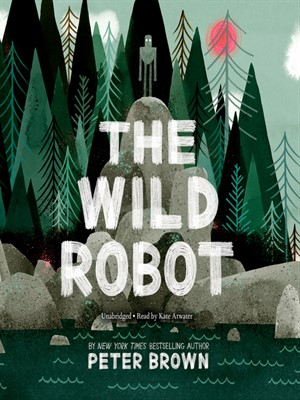
This marked Peter Brown’s debut as a novelist. Doesn’t seem quite fair that he should be able to write AND draw. Leave a little talent for the rest of us, won’t you, Peter? In any case, I’m all about the strong female heroines. So often in robot books the de facto pronoun is “he”. Brown made it “she” and it works for her. Better still, it works for us.
Wolf Hollow by Lauren Wolk
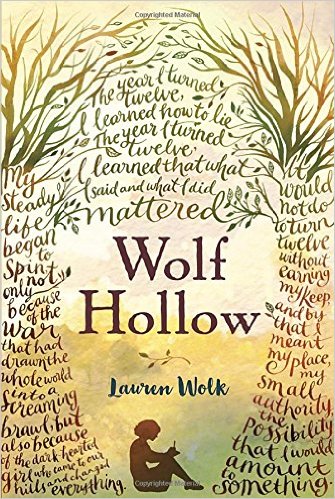
Remember earlier when I mentioned that there was one other book on this list that made me so tense I had to skip to the back to know precisely who would live, who would die, and what would become of the villain? Because the villain in this book does meet a terrible fate, but even so remains a cussed little wretch to the end. She is, without a doubt, the best villain I’ve encountered in a children’s book in years. A true blue psychopath. Best you know now.
Interested in the other lists of the month? Here’s the schedule so that you can keep checking back:

A giant crossword from The Times
Was in a special section
So puzzle lovers had a chance
At brain cell introspection.
I’ve worked for hours, on and off,
To get the thing completed.
The size is not enough to let
A wordsmith feel defeated.
To finish such a challenge,
Time and patience are required.
It’s fortunate for me I’ve gotten
Both since I retired!
Monster Puzzle: Which Monster has scoffed the most mouldy toast?
From my kindle ebook for kids, Silly Monsters ABC,
available for FREE on amazon today and tomorrow!
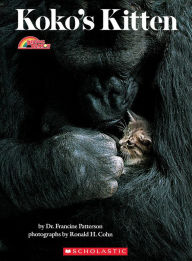
Koko's Kitten. Francine Patterson. Photographs by Ronald H. Cohn. 1985. 32 pages. [Source: Library]
First sentence: Koko's full name is Hanabi-Ko, which is Japanese for Fireworks Child.
Premise/plot: Koko's Kitten is a nonfiction picture book for elementary-aged readers. Though the book is called "Koko's Kitten," the picture book biography (of a gorilla) tells much more than just that one little snippet of her life. It tells of how Koko was/is the subject of a special project, how she started learning sign language, the special bonds she's formed with the humans in her life, etc. The climax of this one, is, of course, how she came to have a kitten of her own.
My thoughts: I remember learning about Koko in the 1980s. And I had fond but vague memories of Koko's Kitten. I remembered she had a kitten. A kitten named All Ball. I remembered that the kitten died and she wanted a new kitten. It turns out I remembered only *some* of this one. I still like it. But it is more wordy than I remembered.
Text: 4 out of 5
Illustrations: 4 out of 5
Total: 8 out of 10
© 2016 Becky Laney of
Becky's Book Reviews
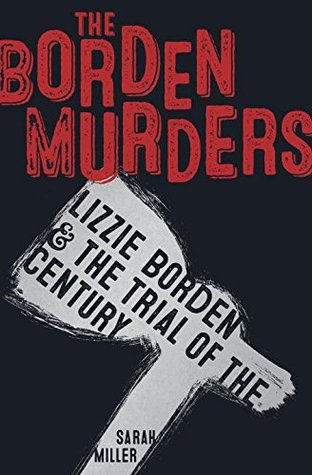
Borden Murders. Sarah Miller. 2016. 304 pages. [Source: Library]
First sentence: It happened every spring in Fall River, Massachusetts.
Premise/plot: Sarah Miller's newest book is a middle grade nonfiction book about Lizzie Borden and the 'trial of the century.' On August 4, 1892, Mr. and Mrs. Borden were murdered. Miller chronicles the events stage by stage. Her book is divided into sections: Lizzie Borden Took An Axe, Murder!, The Bordens, Investigation, Inquest, Arrest, Preliminary Hearing, The Waiting Time, The Trial of the Century, Aftermath, Epilogue.
My thoughts: This one was incredibly compelling and very well researched. (Over twenty pages of notes documenting among other things all the dialogue in the book.) Miller presents a balanced perspective of the case allowing readers to make up their own minds. Miller gives all concerned or connected the human touch. The press does not come out looking innocent.
Whether your interest is true crime, biography, or nonfiction set during the Victorian period, this one is worth your time.
© 2016 Becky Laney of
Becky's Book Reviews

By: Gavin McGuire,
on 12/29/2016
Blog:
First Book
(
Login to Add to MyJacketFlap)
JacketFlap tags:
Books & Reading,
Diversity,
Family Engagement,
First Book Partners,
Impact Stories,
Inspiring Stories,
AFT,
Albert Sh,
arkansas,
challenge,
citizen power,
climate change,
global warming,
holocaust,
massachusetts,
New Jersey,
tolerance,
Add a tag
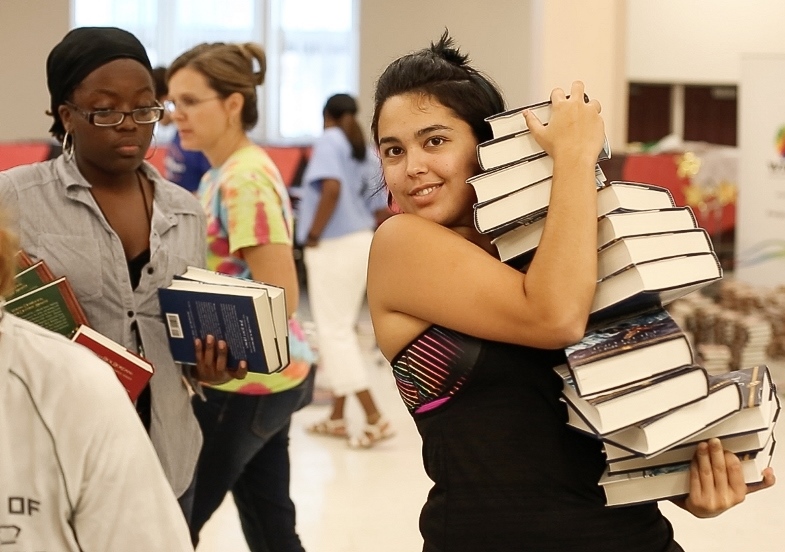
In November, First Book and its partners the American Federation of Teachers and the Albert Shanker Institute presented the Citizen Power Project; a challenge to educators nationwide to identify, plan, and implement a civic engagement project important to their students, school or community.
Fifteen projects received grants to help turn big plans into big impact.
The projects represent a wide range of civic engagement – from teaching empathy and healthy habits to supporting student voices and helping the environment.
So far, the civic impact of these projects has been phenomenal.
In Framingham, Massachusetts, middle school English teacher Lori DiGisi knows her students don’t always feel empowered. “They feel like the adults rule everything and that they don’t really have choices,” she explains. “The issue I’m trying to solve is for a diverse group of students to believe that they can make a difference in their community.”
Using the First Book Marketplace, Lori and her class chose to read books about young people who did something to change the world — books with diverse characters that each student could identify with. Through stories, Lori’s students have begun to understand that they too can make a difference.
From here, Lori plans to narrow the focus onto the issue of improving working conditions. Students will interview custodians, secretaries, and cafeteria workers in their school to understand what their working conditions are like and ask the all-important question: what can we, as middle schoolers, do to make your working conditions better?
 Meanwhile in Malvern, Arkansas, middle school English teacher Claudine James has used the Citizen Power Project to improve upon an already successful program. In 2011, Claudine visited the United States Holocaust Memorial Museum in Washington, DC and wanted to bring that experience back to her students.
That year her class studied the Holocaust and put together their own Holocaust Museum in their school and opened it to the public.
The reaction to the museum was something Claudine never expected.
“It was very well received by the community and in fact, we had an opening day reception on a Sunday afternoon and there was no room to even stand.”
Claudine has organized project-based learning initiatives like this every year since. The Malvern community has embraced them, and even come to expect them.
This year, powered by the Citizen Power Project, Claudine and her class are planning an exhibit called, ‘Writers from Around the World’. They are reading books by authors from all over the globe. Her goal is to promote tolerance and understanding among her students and for them to promote those ideas to the community.
“When my students are presented with problems that other people from other cultures have to overcome, they see the world in a new light,” explains Claudine, “then they go home and spread the word.”

Artwork by one student in Racheal’s class depicting the negative impacts of climate change.
In Newark, New Jersey, kindergarten teacher Racheal Safier has her young students thinking globally. “We wanted to figure out what climate change is,” she explains, “they took a really big interest in how global warming affects animals.”
Racheal has been amazed by her student’s enthusiasm for this topic and the project, but she knows where it comes from. “Books have been the launching point for so many of the ideas generated in my classroom.”
Now that ideas are being launched, Racheal wants to show her class the next step: what actions do we take?
And they have many planned. There will be brochures distributed to parents, a table at the school’s social justice fair, maybe a video, and even letters to the President.
“I want it to be their project — and some of the things they come up with, I am really blown away.”
These three projects are just a snapshot of all the important work educators are doing around the country for the Citizen Power Project. Lori, Claudine, and Racheal are shining examples of the impact that educators can have on their students and their communities.
For educators to create change though students they need access to educational resources. First Book is proud to help provide that access for the Citizen Power Project.
When these 15 projects are completed in early 2017 be sure to check the First Book blog to see videos and pictures, and read more impact stories of impact from across the United States.
If you’re an educator serving kids in need, please visit the First Book Marketplace to register and browse our collection of educational resources. Click here to learn more about the Citizen Power Project.
The post Changing Communities with Books: The Citizen Power Project appeared first on First Book Blog.

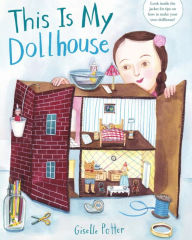
This is My Dollhouse. Giselle Potter. 2016. 40 pages. [Source: Library]
First sentence: This is my dollhouse. It used to be just a cardboard box. But then I painted bricks on the outside and divided the inside into rooms and made wallpaper with my markers and it became almost like a real little house.
Premise/plot: Readers meet an imaginative young girl who loves, loves, loves to play with a dollhouse she created by herself. Readers also meet her friend, Sophie, who has a store bought dollhouse. The two do work out how to play together despite their differences.
My thoughts: I could relate to this one! For me and my sister, it was Barbie doll houses. (She had one. I didn't. She had a *real* refrigerator, mine was out of blocks. She had a *real* bed, mine was an egg carton.) I loved the celebration of imagination AND friendship. I loved the focus on PLAY. Part of me does wonder if kids are allowed enough PLAY time and encouraged to PLAY creatively. I think there is a huge difference between PLAYING and playing on. (I want to play ON the computer. I want to play ON the ipad.)
Text: 4 out of 5
Illustrations: 3 out of 5
Total: 7 out of 10
© 2016 Becky Laney of
Becky's Book Reviews
I have several siblings (several- more than three, less than a dozen). For years, I gave every sibling a Christmas present. Then, I gave every sibling and his or her significant other a Christmas present. THEN, I gave every sibling, their S-O and their CHILDREN individual Christmas presents. THEN, I gave each family a box of Christmas presents. Finally, I sent some of my siblings a “family” Christmas present. Now, they are lucky to get a greeting card from me. This is the evolution of my family gift-giving.
( I did not expect nor did I often receive presents in return. Sometimes I was happily surprised. I just like giving gifts.)
A lot of these gifts were homemade. Because homemade gifts are super, right? Well, they are, if they come from my sisters, who all take great pride in crafting the most delightfully sewn, knitted, quilted items. I go for the Big Effect, and that sometimes means that my gifts fall apart 24 hours after they are unpacked. Still, it’s the thought.... Or, is it? (My food gifts are usually awesome!)
A gift can be as small as a button, as mysterious as an empty box, as ephemeral as a kiss.
Books about gift-giving and generosity that I love.The Best Christmas Ever by Chih-Yuan Chen. I will mention this book every Christmas season in some form or other, because I love it so much. I love the brown paper feel of the illustrations. I love the feeling of winter, darkness, and struggling hope. I love its simplicity. And I love the joyous resolution. The Bear family is so poor that they don’t even hope for presents this year. On Christmas morning, they find that “Toddler Christmas” visited in the night and brought them small, precious gifts.
Birthday Surprises edited by Johanna Hurwitz. Hurwitz asked 10 children’s authors to write a story about a birthday in which a child received an empty box. Sometimes, the box was the actual present. Sometimes, the box represented something else. In one case, the box was sent by mistake and the present was delivered in person. Imagine getting a box filled with air.
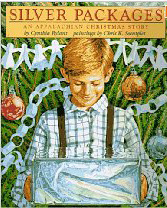
Silver Packages by Cynthia Rylant. First published in Rylant’s collection,
Children of Christmas, this story tells of a train that rolled through the mountains and gifts that were thrown from the back to the impoverished children. Every year, a boy wishes for one particular gift. Every year, he gets something he needs. He returns as an adult and we find out whether his wish ever came true.
The following website offers a list of books about gift-giving and generosity to share with your young ones.
The Best Childrens Books about Generosity.
So how was your Christmas? Ours was quieter than last yearbut very enjoyable. We spent Christmas day with our two grandsons and Terry’s parents. We laughed a lot, played games, ate too much and had a great time
The following two photos are a little blurry, which might be a good thing considering we are all wearing silly hats!
Terry with his mum and dad
Me with our grandsons Tris (on the left as you look at the photo) and Kip
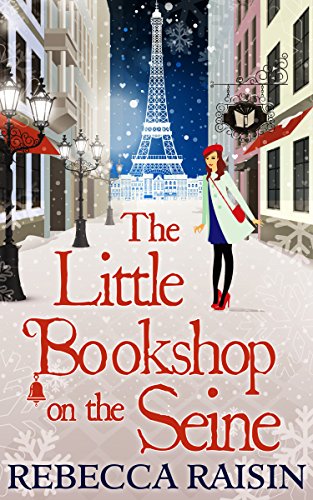
During the rest of the holidays we walked, read and caught up on films missed earlier in the year. The Little Bookshop on the Seine by Rebecca Raisin was the perfect holiday read. Wouldn’t you work in a bookshop in Paris if you had the chance? I certainly would. Days spent surrounded by books while snow falls on the Champs-Élysées – what’s not to like?
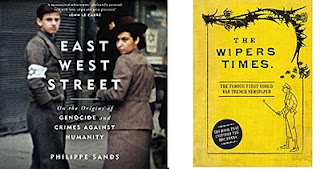
A little more serious reading is in order for the New Year starting with two books received as gifts this Christmas. East West Street weaves together historical, legal and familial narratives to reveal the origins of international law, beginning and ending with the last day of the Nuremberg trial. I’m excited to read this recent winner of the Baillie Gifford Prize for Non-Fiction. I think I’m in for a treat.
I’m also excited to read the complete edition of the Wipers Times, the famed trench newspaper of the First World War. It contains a unique record of life on the wartime frontline, together with an extraordinary mix of black humour, fake entertainment programmes and pastiche articles.
My favourite film of the year, watched just a few days before Christmas is: Sully.
On Jan. 15, 2009, Capt. Chesley "Sully" Sullenberger (Tom Hanks) tries to make an emergency landing in New York's Hudson River after US Airways Flight 1549 strikes a flock of geese. Miraculously, all of the 155 passengers and crew survive the harrowing ordeal, and Sullenberger becomes a national hero in the eyes of the public and the media.
Now for the top five:
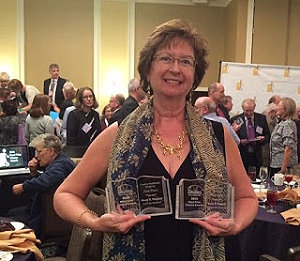
Mary shared her post with us in August and in October Finnigan was awarded a first-place finish at the Royal Palm Literary Awards in Florida. Congratulations Mary I can’t think of a more worthy winner.
Mary T Wagner at the Royal Palm Literary Awards
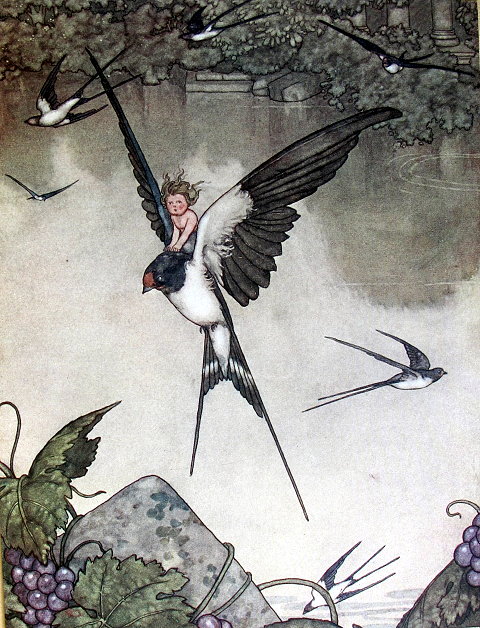
In Second Place is a book which occupies a special place in my heart and on my bookshelf. When found it was in a very dilapidated state but an excellent book restorer sprinkled a little magic book dust, and saved it from the clutches of the evil book pulping machine! This is just one of the beautiful images from Hans Andersen's Fairy Tales - see others here
In Third Place is our visit to the Titanic Museum in Belfast. The museum kindly shared the post on their social media streams, which certainly increased the number of visitors to my blog.
In Fourth Place: British Eccentricity on Show at: The Chelsea Flower Show.
Diarmuid Gavin creator of the above flower show garden has indicated he will be taking a break from Chelsea in 2017. Such a shame as I really love his designs as do a lot of people.
It’s almost time to wish you a very Happy New Year. I hope 2017 brings you all your heart desires.
Next week I will be sharing five of my favourite blogs from around the web. I would love to hear about the ones you enjoy so thinking caps on please.
Question: Do I leave my family names out knowing they hate me. afraid they will try to sue. plus who can be a ghost writer? Answer: Writing a book about

By:
Beth Kephart ,
on 12/29/2016
Blog:
Beth Kephart Books
(
Login to Add to MyJacketFlap)
JacketFlap tags:
Best American Essays 2015,
Caroline Paul,
Christopher Castellani,
James Gleick,
Kendra Atleework,
Mary Oliver,
The Art of Perspective,
The Gutsy Girl: Escapes for Your Life of Epic Adventure,
Time Travel,
Add a tag
I shall get to the end of this story momentarily, but I will begin with this: The other day, while running on one of those machines at the gym, I was accompanied by a young friend with whom I most often disagree. We sit on opposite sides of the political spectrum. Her tendency is to yell (she'd be the first to admit this; she's adorable when she admits this), while my tendency is to ask questions and listen. She is smart, fierce, interesting, and I don't mind. In her advocacy for the positions that will soon represent the U.S., I listen for facts I might not have otherwise encountered.
We were fifteen minutes into our workout when the conversation escalated. "You're what's wrong with America," she said, loud enough for the entire gym (okay, maybe only our section) to hear. "Nobody in this country reads."
"Are you suggesting I don't read?" I said, and for the first time in any of our conversations, I heard defensiveness creep into my tone. I thought of the hours upon hours, every day, that I spent during the election year—reading, watching, and listening. So many hours that my life had become knotted up with the news, that my conversations were always tilting toward the political, that my home life was growing obstructed by my dark glaring over the dinner table at a husband who was not responsible for the world tumult. So many hours that I was no longer reading the books that gave me comfort—the true works of art that stand above, and beyond.
I gave away so much time in 2016 to learning the issues and refining my point of view that I didn't just lose all kinds of professional ground. I lost one of the things that gives me joy—peaceful times with books that rise above the cacophony.
In this past week, in the post-Christmas quiet, I have returned, with force, to these many books that have been sitting here. I have a semester of memoir to teach at Penn, an honors thesis student whose fiction I will guide, four upcoming
Juncture memoir workshops to plan for, and a number of book projects of my own. I don't know what will happen with any of this—I have not met my students, I have not advertised the workshops, I am perched on the ledge of essential revisions—but I do know that I can do nothing that I'm supposed to be doing if I do not sit and read.
And so I have been reading, and now you have reached that place in this post place where I list some of the books I have been curled up with these past few days. One after the other, these books have made me glad. For their intelligence and craft. For their beacon shimmer. For the inspiration that they give me.
Everywhere I Look, Helen Garner. For my thoughts on this collection of essays, go
here.
Best American Essays 2015, edited by Ariel Levy. Within these pages I found old favorites (Roger Angell, Isiah Berlin, Sven Birkerts, Hilton Als, Justin Cronin, Rebecca Solnit, Zadie Smith, Anthony Doerr, Margo Jefferson) and new voices (Kendra Atleework, Tiffany Briere, Kate Lebo). Here is Atleework, in a gorgeous essay called "Charade," writing of her mother just before she died. Such simple words here. And so very moving.
A few months before, she was beautiful—you could still see it in flashes. Her hair was thick and blondish, and her body was round in some places and slender in others. Her hands, always cold, held pens and typed and cooked scrambled eggs. Her eyes were blue and her heels were narrow. She looked a lot like me.
The Art of Perspective, Christopher Castellani (Graywolf Press Series)—a refreshingly smart examination of narrative strategy and literary point of view. This may be a craft book, but there is, within the pages, a kind of suspense as the author presents his own quandaries about a story he might write. I could quote this entire book. But this should give you a taste for Castellani's smarts:
Why bother to write if you don't have a view worthy of sharing? I think we judge the literary merit of a text not merely by how closely we relate to the characters' experiences—that's the relatively easy part of the author's job—but by how strongly the author's ultimate vision compels us, provokes us, challenges us, or makes new the everyday.
The Gutsy Girl: Escapades for Your Life of Epic Adventure, Caroline Paul illustrated by Wendy MacNaughton. I'll be honest. I did not know about this
NYT bestseller until I read about it in
Brain Pickings. I bought it for my niece (to be perfectly honest), and I was just planning to scan enough of it so that we might speak of it later. Well. Hold the scissors. I could not stop. This is a memoir/history/how-to/diary journal with pictures, all in one. But it's not just the cleverness of the design that strikes me hard. It's the cleverness of the prose. Paul begins with a story from her youth, when she set out to build a boat out of milk cartons:
I envisioned a three-masted vessel, with a plank off to one side (of course) and a huge curved prow that ended in an eagle head. So I set about collecting milk cartons. I collected from my school cafeteria. I collected from my friends. I collected from my family. I soon became familiar with the look on their faces when I explained I was building a milk carton pirate ship. It was actually a combination of looks, all rolled into one. Hahaha, what a crazy idea, the expression said. And Good luck, kid, but I don't think it's going to happen. And, Well, at least I'm getting ride of my milk cartons. Then at the very end of this facial conga-dance, I always caught something else. Actually, that sounds like FUN. I wish I could do that, the final look exclaimed.
(Sorry, Niece Julia, I did not write in your book or dog ear its pages. I hope you like it as much as I do.)
Upstream: Selected Essays, Mary Oliver. Truth Alert! I just got this book yesterday, and I haven't finished reading yet. But I do love the three essays I've read, and I want to share this small bit from the first page. This is from the first paragraph, right at the end. It goes like this:
What a life is ours! Doesn't
anybody in the world anymore want to get up in the
middle of the night and
sing?
(Just like that, Oliver breaks into a song. Huzzah!)
Time Travel, James Gleick. Full Disclosure, Which is Bigger Than a Truth Alert. I bought this book for another niece, Claire, because I have a little tradition with Claire that includes the purchases of books. What are you seeking? I asked her this year. She said science, nonfiction, a good memoir were her new cup of tea (
a good memoir! did you see that?). I bought her a copy of this book and me a copy of this book, because I'm teaching concepts of time this year in my Penn classroom, and I might as well make myself cool and contemporary. Claire, I have not broken the spine on YOUR copy of this book. I hope we both love it and can talk of it someday.
Finally, sitting here during my many months of not reading much but that which I had to read, has been a book mailed to me by Carrie Pepper, a book called
Missing on Hill 700. This is Carrie's tribute to a brother lost in a firefight during the Vietnam War. She was thirteen when the telegram arrived. Her family ultimately crumbled from the news. Carrie's decision was to seek out news of the brother she had lost, and through the letters and photos that others send, a mosaic of a life emerges—a mosaic and also hope that Tony's remains will finally make their way home. The subtitle tells you much about Pepper's heart and purpose: "How Losing a Brother in Vietnam Created a Family in America."
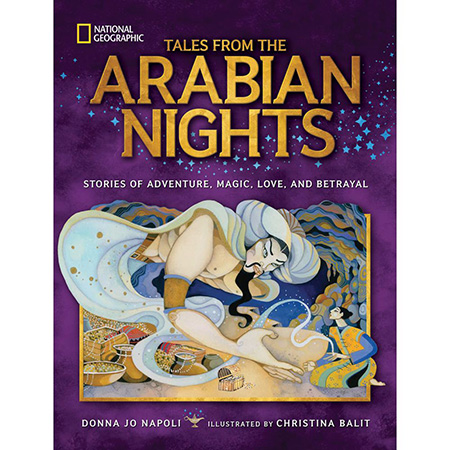
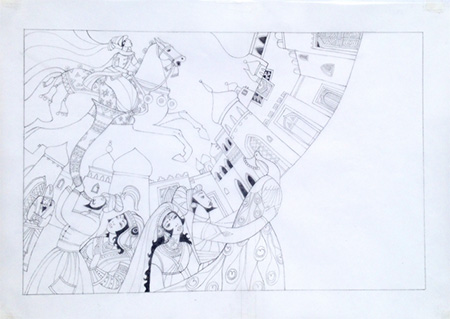
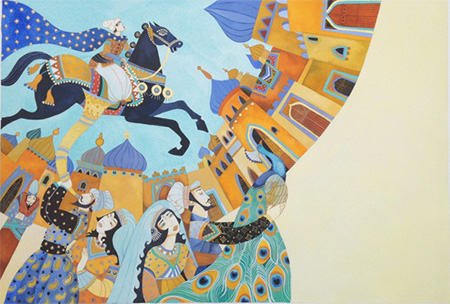
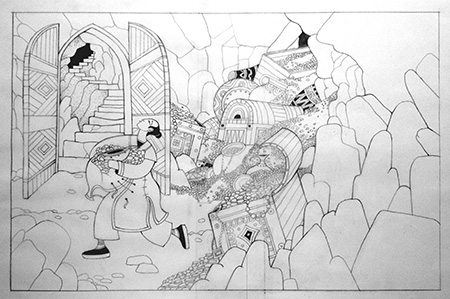
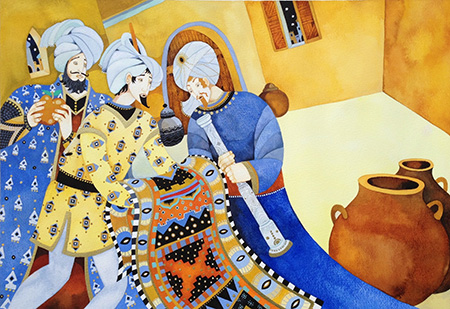
I adored THE ARABIAN NIGHTS as a kid, so I was thrilled when Nat Geo Children's Books asked if I'd like to see their recent incarnation, Tales from the Arabian Nights: Stories of Adventure, Magic, Love and Betrayal, written by Donna Jo Napoli and illustrated by Christina Balit. Christina stopped by to tell us a bit about how she works.
 e: Hi Christina, what is your creative process and what is your medium, can you walk us through it?
Christina: Well I work in a very tiny room at the top of an old stone house in the middle of the Kent countryside in England. Its packed to the rafters with everything I need and because of the way I work I don't need a great deal. Everything I illustrate is done by hand so first and foremost I need all my reference books (of which I have thousands on shelves throughout the entire house) and a table and a comfy chair. I have two chairs actually...so I make sure that I switch from one to the other throughout the day to change my position and keep my back moving.
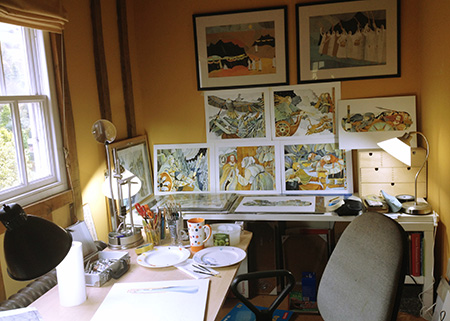
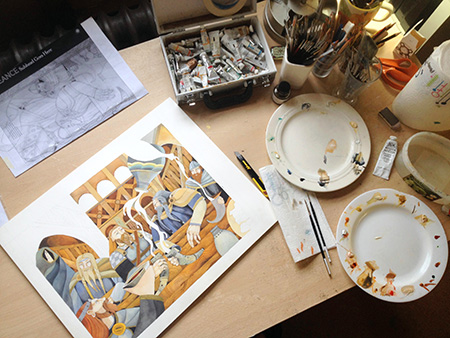
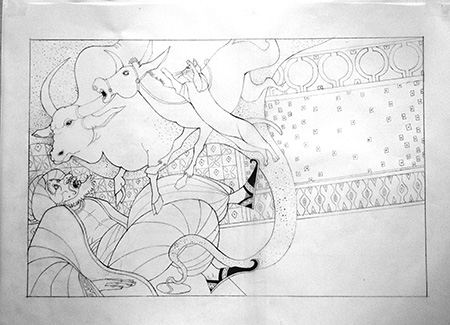
I have a very disciplined routine when making a book. I will have worked out in advance exactly how long I have been given to make each image in a book depending on the deadline that I have been set. First thing I do is read the story and then study the space that I have been given to fill with a picture. I also have various instructions that have been given to me sometimes by an Art Director or publisher that I also have to pay attention to and I start drawing. I used to make all my drawings on thick cartridge paper in the old days and deliver them by hand to my publishers here in the UK, but things have changed so much now with computers and I can now deliver sketches by email to anywhere in the world! I still draw everything by hand but now make them onto tracing paper instead so that I can lay out the drawing over the text panels that I have been sent to make sure my sketches fit correctly into the layout.
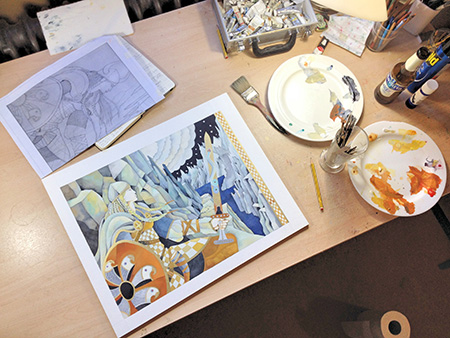
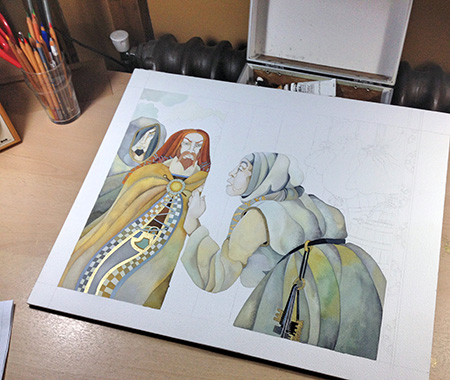
Once my drawings are complete I photograph them carefully using a good digital camera and I send these sketches via email to my designer. He/she then uses these sketches to place them within the books grid design and I then wait on feedback from 'the team' - which is the publishing house itself, the author ect., ect. I then make any changes requested and once the sketch is fully approved I prepare to paint. I do this onto watercolour blocks, which already have the edges gummed down in advance. It's very important to find the right paper as it has to absorb the water and not resist the paint in any way, which can happen and be a disaster. I then trace by hand my original drawing onto the water colour block and begin painting. I use Windsor and Newton watercolour paint tubes only as they have extremely pure pigments and are very concentrated. I also mix into the paint some gouache for opacity (to make the colours a bit thicker) and gold inks. I love using gold inks as they make the original art shimmer but of course re-producing the gold in print can be an expensive process for the printers unless they are planning to add a gold foil in reproduction.
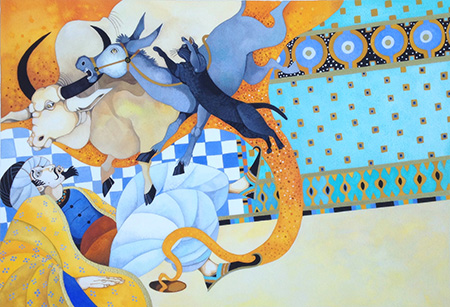
 e: What do you think makes an illustration magical, what I call "Heart Art” - the sort that makes a reader want to come back to look again and again? I’m looking for your definition of “Heart Art.”
Christina: 
Well to answer this I have to think back to what I always loved in illustrations when I was little and pouring through books. And that was beautiful drawing and exquisite detail. But then I didn't have access to all the computer art and digital animation that children have now and books were all we had. But regardless I really think little people love searching for the magic and finding all the little bits and pieces that are sometimes too small to see on a first look. The hidden treasure within the breath-taking awe and wonder of hand made work. Children instinctively draw onto paper and try to make art until they no longer believe they are any good at it, so they instinctively appreciate the loveliness of an illustration.
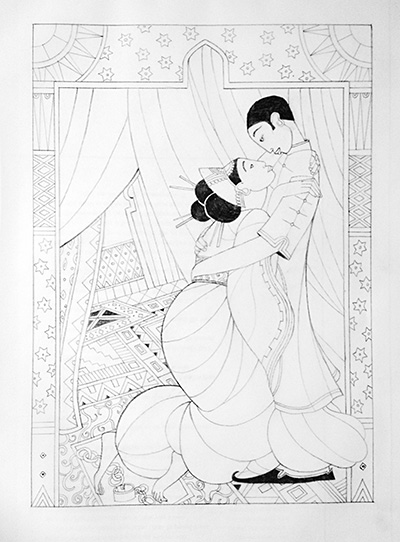
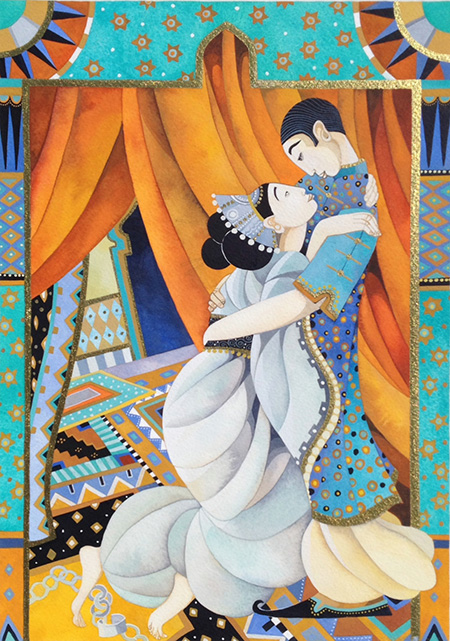 e: Did you have any tie to the Arabian Knights - what’s it like to illustrate such a classic?
Christina: Very much so! I actually spent large chunks of my childhood in various parts of the Mediterranean and the Middle East. I went to a small nursery run by some lovely nuns on the banks of the Euphrates in Baghdad, a primary school in the deserts of Abu Dhabi (long before it became a city and it was a small barasti village on a peninsula on the Arabian Gulf) and an extraordinary Quaker school nestled in the mountains of Lebanon. It was a great background to my visual memory.
 e: What are you working on next or what would be your dream project?
Christina: I've been working on two new stories for children - which are based on Babylonian myths and I've also been writing a play (for adults). Furthermore, National Geographic are hoping to produce a further Treasury of Bible Stories soon so that should be just great fun.

Thank you Christina! These are LUSCIOUS!

Back on December 9th I wrote a piece on those reprinted picture books I was happiest to encounter in 2016. Now I’ll say a word or two about the reprinted novels of this year. Naturally, if you look at the output from the publisher New York Review Books you’ll find a lovely array of titles. For more than are listed here, that’s for sure and for certain. The books I’m including today are ones I’ve read, so it’s fairly short. Still, don’t miss the books listed here today. The book market is not kind to reprints that could be called “forgotten”.
2016 Reprinted Children’s Novels
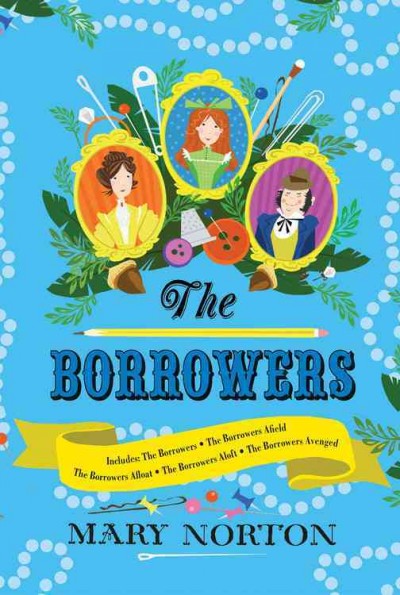
The Borrowers Collection by Mary Norton
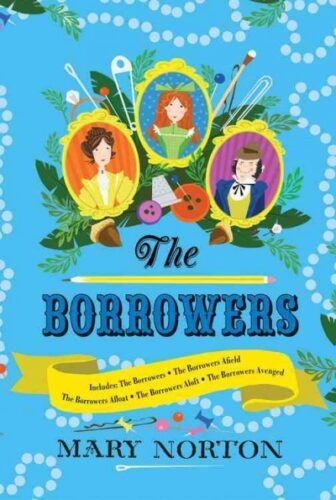
My knowledge of previous collections of all the Borrowers stories is not good enough to determine whether or not any previous versions also included the short story “Poor Stainless” or not. Whatever the case, this new bound volume of full stories is delightful. Chock full of illustrations, it’s the ultimate Borrowers collection.
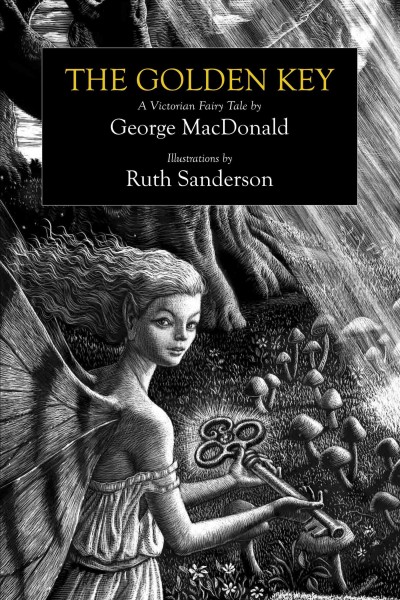
The Golden Key by George MacDonald, ill. Ruth Sanderson
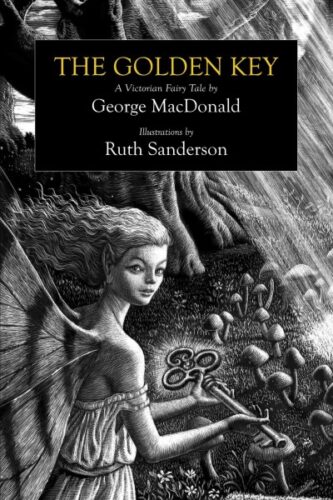
The title probably hasn’t been out-of-print before, but I do know that back in the day it was Maurice Sendak who illustrated it. Sanderson’s a different take than Sendak, that’s for sure, but it’s a lovely new edition.
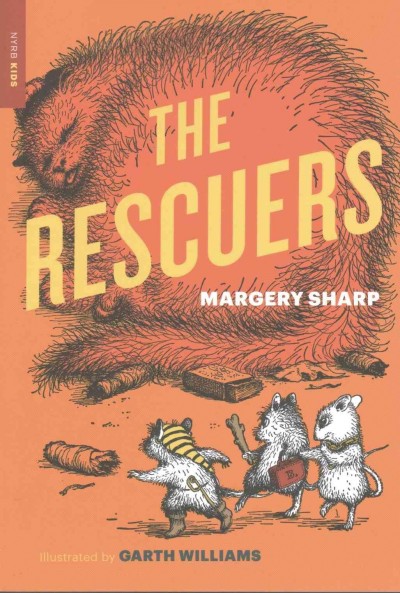
The Rescuers by Margery Sharp, ill. Garth Williams
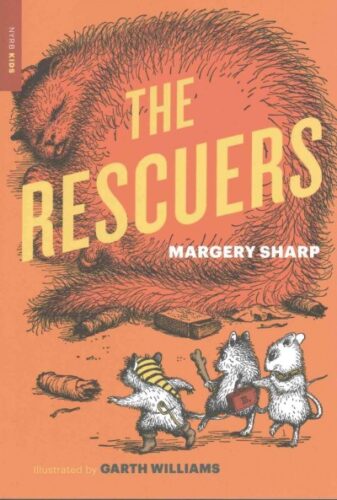
If Disney had any sense in its monolithic head it would have years ago grabbed the literary rights to every publication ever brought to the silver screen. Imagine, if you will, a children’s book collection that consists of books that are better known now for their Disney adaptations. 101 Dalmations by Dodie Smith, Old Yeller by Fred Gipson, Swiss Family Robinson by Johann Wyss, and, naturally, The Rescuers. As with most Disneyfied products, when I read this book as a kid I was struck both by how sharp the writing was (not cutesy in the least) and also by how good illustrator Garth Williams was at making horrific looking humans. Turns out the master of whimsy had a penchant for the grotesque as well.
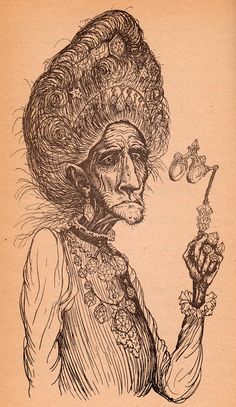
Never knew he had it in him.
For other celebrations of reprinted books, please check out the ShelfTalker piece Hello, Old Friends. I wish I’d seen the Lobel book mentioned there. Ah well. Can’t get them all.
Interested in the other lists of the month? Here’s the schedule so that you can keep checking back:
खान पान की बदलती तस्वीर – 2015 -16 का नेशनल हैल्थ फैमली सर्वे – पैदल कम चलना , शारीरिक मेहनत कम करना और संतुलित खाना न लेना हमारा लाईफ स्टाईल बनता जा रहा है…तो क्या ये सही है… ?? खान पान की बदलती तस्वीर – 2015 -16 का नेशनल हैल्थ फैमली सर्वे khan paan ki badalti […]
The post खान पान की बदलती तस्वीर – 2015 -16 का नेशनल हैल्थ फैमली सर्वे appeared first on Monica Gupta.
I want to send the arc of Audacity Jones Steals the Show to the first commenter on my previous post - Danielle H - but I have no way to contact.
Will you email me thru my website?
Went to a deli
And piled way up high
Was the sandwich I ordered –
Pastrami on rye.
I slathered on mustard
And savored each bite
Along with a pickle,
The sour just right.
If you’re feeling hungry
I’d urge you to try
(In a real New York deli)
Pastrami on rye.
Discover the art of Kevin Phung, Cartoon Brew's Artist of the Day!
The post Artist of the Day: Kevin Phung appeared first on Cartoon Brew.
Just finished this beauty.
So much to love.
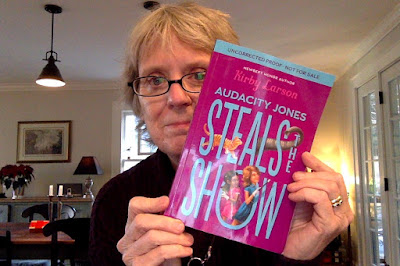 |
| Audacity Jones Steals the Show by Kirby Larson |
Two words: TOTAL PACKAGE
It has mystery and humor and adventure.
It has a cat and an elephant.
It has HOUDINI!!!
So many things to love about the writing.
I love how Kirby speaks to the reader so seamlessly, without pulling us out of the story. In fact, quite the opposite...she lets us in on the fun:
I know, dear reader, it causes you to shudder as it does me.
I love the absolute SEAMLESS incorporation of historical details:
Not a kid-leather boot nor starched pinafore to be seen in either direction.
Audie inhaled deeply of the automobile fumes, the horse dung, the frankfurter carts, the fishy aromas from the Hudson River. "Just smell all that life!" She turned in a complete circle, arms wide, opening herself to the wonders of Manhattan.
I adore the language, sometimes soft and lilting, sometimes just plain old sparkly:
It smelled of hay and apples and something else: The young thing reeked of sorrow.
A murmur wobbled its way through the crowd.
And Kirby has never been one to write down to young readers. She tosses in so many yummy words, like PERFIDY.
So much to love about this one.
AND.....I'll send this ARC along to the first person to tell me so in the comments.
View Next 25 Posts








.jpeg?picon=2691)










Thanks for the mentions!
I read aloud FIVE CHILDREN ON THE WESTERN FRONT to my 4th grade class last year and they loved it. None had read FIVE CHILDREN AND IT. I also gave it to a kid this year who reads literary sorts of things.
My Horn Book review of CLOUD AND WALLFISH is here: http://www.hbook.com/2016/11/choosing-books/review-of-the-week/review-of-cloud-and-wallfish/
Oh yeah! I had gotten out of reading middle school fiction because life intervened. Looks like a few here that will entice me to return. Thanks for the list.