new posts in all blogs
Viewing: Blog Posts Tagged with: Book Lists, Most Recent at Top [Help]
Results 1 - 25 of 504
How to use this Page
You are viewing the most recent posts tagged with the words: Book Lists in the JacketFlap blog reader. What is a tag? Think of a tag as a keyword or category label. Tags can both help you find posts on JacketFlap.com as well as provide an easy way for you to "remember" and classify posts for later recall. Try adding a tag yourself by clicking "Add a tag" below a post's header. Scroll down through the list of Recent Posts in the left column and click on a post title that sounds interesting. You can view all posts from a specific blog by clicking the Blog name in the right column, or you can click a 'More Posts from this Blog' link in any individual post.
As the year comes to a close, we here at First Book like to reflect on the things we did, the people we met, and (most of all) the books we read. Here are a few of our favorite children’s books that were published in 2016!
Pre-K –K (Ages 3-6):
 Love you, Hug You, Read to You! / ¡Te Amo, Te Abrazo, Leo Contigo! by Tish Rabe
“There are three things I’ll always do … love you, hug you, read to you!” The simple promise of togetherness offered in this bilingual (Spanish and English) board book is enhanced by interactive prompts throughout, encouraging parents to engage with their child while reading.
We love this book because: it has interactive prompts throughout the story that encourage listeners to really engage with it, and it helps young readers feel the joy of reading together with friends and family members.
For 1st and 2nd Grade (Ages 6-8):
 Penguin Problems written by Jory John and illustrated by Lane Smith
Do you think life in Antarctica is a paradise? Well, the main character of this book will tell you that life isn’t all fun and games for penguins. Penguins have problems just like we do!
We love this book because: the characters are engaging and adorable. The descriptions of the penguin’s “problems” makes the title a fun read aloud. The story may seem to have pessimistic themes at first, but has an uplifting ending. We love this book so much, we dressed up like the characters for Halloween this year!
For 1st – 3rd grade (Ages 6-9):
 One Vote, Two Vote, I Vote, You Vote! by Bonnie Worth
The Cat in the Hat knows about a lot of things! In this book, he introduces young readers to the concept and practice of voting for the American presidency. Written in simple rhyme, readers learn the basic principles of democracy, how political parties are formed, why Election Day is held in early November, and much, much more!
We love this book because: Memorable stanzas coupled with familiar illustrations make this title a fun way to introduce kids to the American electoral system. The title’s publisher, Random House Kids Books, even held an election to encourage the book readers to vote for a cause for The Cat to donate to – and we won!
For 4th – 6th grade (Ages 10-12):

As Brave As You
Genie’s summer is full of surprises. The first is that he and his big brother, Ernie, are leaving Brooklyn for the very first time to spend the summer with their grandparents all the way in Virginia—in the COUNTRY! The second surprise comes when Genie figures out that their grandfather is blind.
We love this book because: The book approaches heavy topics, but remains relate-able for young readers. Drawing from his own experiences growing up, author Jason Reynolds paints portraits of multi-dimensional characters. No matter what your background, you’ll empathize with Genie & Ernie as they get to know their grandfather and more about themselves.
Read & watch our Q&A with author Jason Reynolds.
Grades 7 & up (Ages 13+):
 March, Book 3 by John Lewis
Welcome to the stunning conclusion of the MARCH trilogy. Congressman John Lewis, an American icon and one of the key figures of the civil rights movement, joins co-writer Andrew Aydin and artist Nate Powell to bring the lessons of history to vivid life for a new generation, urgently relevant for today’s world.
We love this book because: The “March” series tells a first-person account of an important time in American history – a story that must be told, and remembered (Find book one here, and book two here). The “March” series is a must for every classroom.
So many wonderful books were published this year – it’s so hard to pick just five! If you’d like to see the full listing of our favorite books published in 2016 that we’ve made available for children in need, please visit the First Book Marketplace!
The post Monthly Book List: Our Five Favorite New Books of 2016 appeared first on First Book Blog.

Here's what I did yesterday.
1. Got up super early and took my Mom to the eye doctor for laser surgery.
2. Finished reading Lockwood and Co. #5, The Creeping Shadow, by Jonathan Stroud.★★★★
3. Read/skimmed A Song to Take the World Apart by Zan Romanoff.★★★
4. Hung out wash; did housework-y things.
5. Went to lunch with Hub and Mom. (I love these people!!!)
6. Read the first book in the series, The Extraordinary Journeys of Clockwork Charlie: The Kidnap Plot by Dave Butler.★★★★
7. Stuff.
8. Ate the wrong things.
9. Watched some Miss Fisher on Netflix. They're all reruns. Sigh.
10. Read The Best Man by Richard Peck.★★★★★
11. Went to sleep way late.
Reviews to come. I promise. I owe you a review of Wolf Hollow, as well.
Nothing says "I want to read that" more than making connections between teens and books. It's kind of like buy-in....you have to put something they can relate to into a booktalk to make that connection. And when that happens, you better stand back and let the stampede begin!
When I booktalk I always try to make sure there's a personal connection to the book that's interesting or even anecdotal. And you can do this many ways...through a picture, a video, a story, interesting facts...anything.
So here are some books I've booktalked and how I tried to connect them to teens:
The Season of You and Me by Robin Constantine. I LOVED that this novel had a main character who was handicapped...you don't see that much in YA lit.
Connector: mention the movie Me Before You...enough said.
The Women in the Walls by Amy Luakvics. You can't have an October booktalk without having a book about a creepy house, can you?
Connector: Ever dangled your foot beside your bed at night? Especially after watching a horror movie?
Mark of the Thief by Jennifer Nielsen: slaves, soldiers, and ceasars. Mix them up and put them in a fantasy Roman Empire, and you have got their attention.
Connector: Let them show off their knowledge by asking them who the most famous Ceasar was of all time. Then mention a salad was named after him followed by the true story of the ceasar salad. Corny joke, but that's how I roll
Book trailerThe Novice by Taran Matharu: An orphan at birth, the main character has more power than he knows what to do with, until he meets up with some very interesting characters.
Connector: What exactly are Pokemon? No, they aren't cute card characters, they are deadly WEAPONS! (this plays nicely into the "demons" the characters can manipulate)
Book trailer The Darkest Corners by Kara Thomas: small town and one horrible murder leads to eyewitnesses who aren't sure if they saw what they did or were persuaded to see what they did...
Connector: Give them the history of unsolved murders like the Black Dahlia (but not too much detail).
The Girl from the Well by Rin Chupeco: nothing gets creepier than Japanese folktales come to life. Especially if they seek revenge in the most ghoulish of ways.
Connector: Because I'm half-Asian, I tell them some folktales my mother told me and my sisters like the Peach Boy. And I also ask them if they've ever seen The Ring or The Grudge...
Book trailerEverything Everything: over ten year never stepping outside, never having friends, never falling in love. Well, that's what happens to the main character until a family moves in next door.
Connector: Ask people who do NOT have allergies to raise their hands. Then ask those who do and ask if anyone has an unusual allergy
Book trailerWith Malice by Eileen Cook: two best friends on a tour of Italy (and not the Olive Garden variety) end up in a car crash. One died, one survived but can't remember because of a concussion. Then the Italian police arrive to extradite her for murder.
Connector: tell them the story about Amanda Knox. Make sure they know this is a true story.
A Storm Too Strong by Michael. Tougias: Talk about the ride of a lifetime. Who wouldn't want to ride 80 foot waves in winds over 60 miles an hour on a rubber life raft in the middle of the night? Now multiply that by 100 and you have Hurricane Andrea meets Survivors
Connector: I start this one out by saying this is a story about two men who have witnessed and seen something no other man has lived to tell about. Then I show them what real waves look like via Youtube because the kids are a bunch of landlubber North Texans and don't understand life by the sea.
Show this video first Show this video second (just first 10 secs)Amazing Fantastic Incredible by Stan Lee: this is by far the most colorful (literally and figuratively) memoir I've read in a long long time. A comic book memoir by the king of all comic book characters!
Connector: do you really have to ask? The cover itself is enough to catch their attention...or at least the attention of comic book and Marvel fans! Comic books aren't just for nerds, and regardless, we will embrace our nerdiness anyway :)
book trailerfilm clips of Stan in Marvel movies (start at 12:48)
August and September went by in a blur! What I thought was the beginning of another school year has turned into fall, meaning Halloween (coincidentally, also birthday) is around the corner! With that said, it's time to find some some fiendishly scary YA reads to display!
For me, horror fiction for young adults seemed to wane in a time where werewolves and vampires were having illicit romantic affairs. But it began to rear its scary head in recent years, and there have been some AWESOME horror novels for teens published in the last few years.
A frequently asked question, is what is the definition of YA horror? And to me, it's anything terrifying that happens to you in real life or on a paranormal level. Of course, this opens the playing field to a LOT of perspectives, so this list of 10 definitely is more paranormal heavy. But I couldn't help putting in two terrifying novels that are VERY reminiscent of horror in the real world.
** watch only if you dare...movie trailers may not be suitable to all audiences
There are in no particular order....
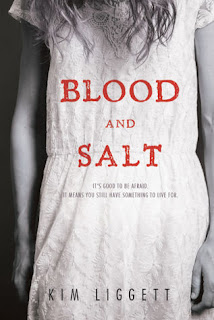
When you're covered with tattoos to protect you from evil, then encounter a huge flock of crows chasing you, you know something is about to happen. But it's when you show up at a cornfield knowing something evil lurks between the stalks...yes, it's that creepy!
book trailerHorror movie pair:
Children of the CornNothing screams horror more than an axe murder. And that's what you'll find between the covers of this great non-fiction book. Narrative style writing makes this read easy, and the pictures, eyewitness testimonies and life for Lizzie Borden will draw readers to the end.
book trailerHorror movie pair:
HalloweenThis is horror...when the characters of this book are abducted and put into an underground bunker with no way to escape, the psychological thrillfest for the sociopath that kidnaps them begins.
book trailerHorror movie pair:
Saw Entering a contest is easy, but living through it is a different matter altogether. This is what happens when the teen winners of a contest by horror movie director goes from awesome to creepy. Facing your fears is one thing, living to tell them is quite another...
book trailerHorror movie pair:
Final Destination
Okiku crawls out of the well, her black hair dangling in front of her deathly face. The next thing you know, she is hanging from the ceiling looking at the man who just committed murder. Then the lights go out and the terror begins...steeped in Japanese ghosts and Shinto exorcisms, this book will make you scream with pleasure.
book trailerHorror movie pair:
The RingJen and her father have just moved into Harmony House, home to several violent episodes, including the death of children. People in the small town seem to know what's going on, but Jen doesn't and the voices become more real with each day she lives and survives....
Horror movie pair:
House on Haunted HillEvil is on the hunt for those strange and peculiar people who hide from him. But it's what happens when the hiding place is revealed. It's up to Jacob to keep these peculiar, and sometimes dangerous, children alive, if possible. The old pictures alone are sure to touch a nerve and fill it with dread.
book trailerHorror movie pair: I actually couldn't think of one for this because it's just so different and...peculiar (bwaaa-haa-haaa) Here's the
movie trailer Two young women are trying to run to safety in a world filled with sharp knives. The one thing they can't shake off is the fact they see the dead all around them. Not only do they see them, but the dead won't leave them alone....ever...Are they here to help or hinder?
Horror movie
The Sixth SenseThe entire premise of this book is to take something sweet and turn it into something dark and horrible, and these writers hit the mark! Think you know Alice in Wonderland? How about Sleepless in Seattle? Think again....
Horror movie pair:
The Birds or Psycho
Going down a detour is irritating as best. But going down one in the middle of the woods can cause a little different mood, unless you're narcissistic and on a cell phone. But when the main character wakes up from an accident and finds herself in a basement, you know something bad is about to happen...
Horror movie pair:
MiseryBeautiful house, never for sale. It's been handed down through generations of a family, and it's special. But a lot of sadness has occurred within the walls of this house. Mom died, the aunt disappeared....but perhaps you can hear the scratching on the inside of the walls and the cry to let them out? CREEP FACTOR times TEN!
Horror movie pair:
The Conjuring
 How fantastic is it that the theme for this year's Banned Books Week (Sept. 25 - Oct. 1) is Frequently Challenged Books with Diverse Content? We are all about books with diverse content here (well, not ALL, but it's one of the themes we feature... Read the rest of this post

By: Marissa Wasseluk,
on 8/16/2016
Blog:
First Book
(
Login to Add to MyJacketFlap)
JacketFlap tags:
First Book Favorites,
5 favorites,
Inside First Book,
Our Recommendations,
5 faves,
school's first day of school,
Arctic Animals book,
Books on mental illness,
children's books on civil rights,
Girls Staring at the Ceiling,
Gwendolyn Hooks,
Raymie Nightengale,
Favorite books,
book list,
picture books,
Adam Rex,
children's book recommendations,
board books,
Kate DiCamillo,
Favorite Children's Books,
Tad Carpenter,
lucy frank,
children's book list,
diverse books,
Monthly book list,
Book lists,
Add a tag
Our favorite books this August are sure to capture imaginations with beautiful illustrations, unconventional characters, and fascinating true stories. Read on to see the titles that hooked our book experts this month!
For Pre-K –K (Ages 3-6):

Who’s That?: Arctic Animals (Board Book) by Tad Carpenter
We love all the vibrant and entertaining titles in the Who’s That? board book series – this one especially. Kids will love opening the sturdy flaps to meet creatures like a walrus and a polar bear. A cool read for a hot day!
For 1st and 2nd Grade (Ages 6-8):
 School’s First Day of School by Adam Rex
It’s the first day of school at Frederick Douglass Elementary and everyone’s just a little bit nervous, especially the school! What will the children do once they come? Will they like the school? Will they be nice to him? Find out what happens to the school on its first day! With charming illustrations, this delightful read-aloud picture book will have young readers reaching for it every day of the year!
For 3rd & 4th grade (Ages 8-10):

Tiny Stitches: The Life of Medical Pioneer Vivien Thomas by Gwendolyn Hooks
During the mid-twentieth century, Vivien Thomas overcame racism from his colleagues and developed a procedure that was used for the first successful open-heart surgery on a child. This is a fascinating biography of how one innovative doctor ushered in a new era of medicine.
For 5th & 6th grade (Ages 10-12):
 Raymie Nightengale by Kate DiCamillo
Raymie Clarke is convinced that winning the 1975 Little Miss Central Florida Tire contest would inspire her father to come home. To win, not only does Raymie have to do good deeds and learn how to twirl a baton; she also has to contend with the wispy, frequently fainting Louisiana Elefante, who has a show-business background, and the fiery, stubborn Beverly Tapinski, who’s determined to sabotage the contest. We couldn’t put down this coming-of-age novel as it beautifully explored the subjects of loneliness, loss, and friendship.
Grades 7 & up (Ages 13+):
 Two Girls Staring at the Ceiling by Lucy Frank
This novel-in-verse follows the unfolding friendship between two very different teenage girls who share a hospital room and an illness.
Chess, the narrator, is sick, but with what exactly, she isn’t sure. And to make matters worse, she must share a hospital room with Shannon, her polar opposite. How these teenagers become friends, helping each other come to terms with their illness, makes for a dramatic and deeply moving read.
The post Monthly Book List: Our Five Favorite Books for August appeared first on First Book Blog.


By:
hannahehrlich,
on 8/3/2016
Blog:
The Open Book
(
Login to Add to MyJacketFlap)
JacketFlap tags:
Educator Resources,
Common Core State Standards,
Holidays and Celebrations,
12 months of books,
plan your month,
Summer,
book lists,
book recommendations,
summer reading,
Add a tag
By: Marissa Wasseluk,
on 6/29/2016
Blog:
First Book
(
Login to Add to MyJacketFlap)
JacketFlap tags:
Todd Parr,
First Book Favorites,
new children's books 2016,
Book lists,
Books & Reading,
Marketplace,
Sherman Alexie,
Rick Riordan,
Kate DiCamillo,
Add a tag
Some of our favorite children’s book authors have been very busy in 2016. We are thrilled to share that their latest works are now available on the First Book Marketplace!
 Teachers Rock – written and illustrated by Todd Parr
From admiring the way teachers foster creativity in the classroom to how they ensure all children’s needs are met, author & illustrator Todd Parr offers an ode to everything teachers contribute to the world. Bursting with positivity about school and the people who make it special, this book is sure to become a classroom and at-home favorite.
 Thunderboy Jr. – written by Sherman Alexie, illustrated by Yuyi Morales
What’s in a name? Author Sherman Alexie explores naming rituals and Native American culture in his new picture book, beautifully illustrated by Yuyi Morales. This book is a great read-aloud, celebrating expressions of individuality and the unique relationship between a child and parent.
 Trials of Apollo – written by Rick Riordan
Being a teenager is tough – especially for Apollo (maybe because he’s actually four thousand years old). In the latest book from author Rick Riordan, Apollo, the Greek god of the sun, is cast down from Olympus to earth after insulting his father Zeus. Without his powers, he must learn to survive in modern-day New York City until he can somehow find a way to regain Zeus’s favor.
 Raymie Nightingale – written by Kate DiCamillo
Kate DiCamillo’s middle-grade coming-of-age novel follows young Raymie Clarke in her quest to win the 1975 Little Miss Central Florida Tire contest. But as the competition approaches, loneliness, loss, and unanswerable questions draw her into an unlikely friendship with two other contestants — and challenges each of them to come to the rescue in unexpected ways.
Have you read any of these new titles yet? Give us your book review in the comments, and take a look at all the new titles on the First Book Marketplace!
The post New Books by our Favorite Authors appeared first on First Book Blog.

By: Samantha McGinnis,
on 6/23/2016
Blog:
First Book
(
Login to Add to MyJacketFlap)
JacketFlap tags:
action books,
Boston Globe Horn Award,
coding for kids,
Good Nigh Owl,
Greg Pizolli,
Jazz Day: The Making of a Famous Photograoh,
Samurai Rising: The Epic LIfe of Minamoto Yoshitune,
The Quickest Kid in Clarksville,
Book Lists,
bedtime stories,
Harlem,
Summer Olympics,
Pamela S. Turner,
Blogathon 2009,
Gene Luen Yang,
Jazz age,
Pat Zietlow Miller,
Roxane Orgill,
Young Adult Library Services Association,
Frank Morrison,
Wilma Rudolph,
summer book lists,
Secret Coders,
Francis Vallejo,
Inside First Book,
Our Recommendations,
Add a tag
Are you looking for a giggle-filled bedtime story? A book about friendship and the summer Olympics? You’ll find that and so much more in our favorite books this month…
Teach kids to coding this summer with a fun story, learn about the history of jazz musicians in the 1950s or turn through the pages of a historical action book. Read on to find out more about of June favorites.
For Pre-K –K (Ages 3-6):
 Good Night Owl – written and illustrated by Greg Pizzoli
This funny and charming read aloud makes a perfect, funny read for bedtime or anytime! Kids will enjoy searching for the mouse on every page and laughing as owl attempts to find the source of the squeak that’s keeping him awake. We love it!
For 1st and 2nd Grade (Ages 6-8):
 The Quickest Kid in Clarksville – written by Pat Zietlow Miller, illustrated by Frank Morrison
In this lively picture book about friendship, competition, and perseverance, two girls take inspiration from the same hero – Olympic athlete Wilma Rudolph. This is a great book to read in the lead-up to the summer Olympics! Pair it with the nonfiction book Wilma Unlimited if you want to extend your students’ learning.
For 3rd & 4th grade (Ages 8-10):
 Secret Coders – written and illustrated by Gene Luen Yang
Comics + coding = this awesome book. Kids will dive easily into the plot of this clever graphic novel, learning the basics of coding and programming along the way. It’s the first book in terrific new series from award-winning author Gene Luen Yang who was a long-time computer science teacher. He knows just how to teach a complex subject in a fun and accessible way.
For 5th and 6th Grade (Ages 10-12):
 Jazz Day: The Making of a Famous Photograph – written by Roxane Orgill, illustrated by Francis Vallejo
Nonfiction and poetry merge in this fantastic new book that was just awarded the Boston Globe Horn Book Award! Gorgeous illustrations mingle with rich poems focused on a summer day in 1958, when more than 50 great Jazz musicians came together in Harlem for a photo that would become world-famous. Each poem reveals a bit about the musicians, their music, and a key era in our nation’s history. Truly beautiful!
Grades 7 & up (Ages 13+):
 Samurai Rising: The Epic Life of Minamoto Yoshitsune – written by Pamela S. Turner, illustrated Gareth Hinds
Action, adventure, and fascinating facts fill the pages of this gripping nonfiction book that will appeal to anyone with an interest in history, war, or the ancient world. Pam Turner’s writing keeps the tone light and the plot racing. We couldn’t put it down!
The post Monthly Book List: Our Favorite Books this June appeared first on First Book Blog.

Greetings, Book People of Earth! I kind of enjoyed doing that previous post on my TBR pile, so here's another one with a few more recent acquisitions. Comments, opinions, and ancillary recommendations are welcome!Clockwise from Upper Left: Out on... Read the rest of this post
By:
vschneider46,
on 6/2/2016
Blog:
The Open Book
(
Login to Add to MyJacketFlap)
JacketFlap tags:
Uncategorized,
Diversity,
Summer,
book lists,
summer reading,
Educators,
summer vacation,
summer reading lists,
summer slide,
summer learning,
Educator Resources,
Book Lists by Topic,
summer book lists,
2016 book list,
2016 summer lists,
Add a tag
Memorial Day Weekend has come and gone, which can only mean one thing. The end of June is right around the corner (hang in there teachers!).
Now, we are all well aware of the importance of having access to books and the harmful effects of the slippery slope that is the summer slide.
So, to keep the kids reading all summer long, LEE & LOW has put  together a Diverse Summer 2016 Reading List for Grades PreK-8 and printables which you can freely download here or find listed below. Each list contains books that not only highlight different grade-appropriate interests, such as sports, music, sci-fi/fantasy, and the environment, but also explore diverse cultural backgrounds and traditions.
These lists are not only an excellent tool to help you include diverse books in your summer suggested reading lists, but a way to begin diversifying the books available to students in your classroom libraries. It is important to remember that diverse books are not only for diverse readers. Reading books featuring diverse characters and communities mirror experiences in their own lives, allowing children to see themselves reflected in the stories they love, but they also provide windows into other life experiences to understand and be more accepting of the world around them.
Finally, there are many great organizations compiling and creating Summer Reading Book Lists and offering free, exciting programs for the summer. Be sure to check out your local library as well as the following groups for additional summer reading tips, suggestions, and ideas:
 Veronica has a degree from Mount Saint Mary College and joined LEE & LOW in the fall of 2014. She has a background in education and holds a New York State childhood education (1-6) and students with disabilities (1-6) certification. When she’s not wandering around New York City, you can find her hiking with her dog Milo in her hometown in the Hudson Valley, NY.
By:
Bianca Schulze,
on 5/22/2016
Blog:
The Children's Book Review
(
Login to Add to MyJacketFlap)
JacketFlap tags:
Ages 4-8,
Ages 9-12,
Book Lists,
Nature,
Science,
Butterflies,
Bugs,
featured,
DK Publishing,
Animal Books,
National Geographic Children's Books,
Nature Studies,
Sterling Children's Books,
Environment & Ecology,
Detective Books,
Bugs & Spiders,
Princeton Architectural Press,
Nancy Honovich,
Backyard Books,
Books About Flies,
Charlotte Caldwell,
Christine Berrie,
Darlyne Murawski,
Kathrina Iris,
Maggie Li,
Rachel Elizabeth Cole,
Tangled Oak Press,
University of South Carolina Press,
Add a tag
We've curated a list of some truly wonderful and entertaining bug books for kids ages 4 to 99. We've also included the game Bug Bingo, and it's the bees-knees.
By: Samantha McGinnis,
on 5/17/2016
Blog:
First Book
(
Login to Add to MyJacketFlap)
JacketFlap tags:
graphic novels,
Book Lists,
science,
Caldecott,
The Liberation of Gabriel King,
Loree Griffin Burns,
summer reads,
Citizen Scientists,
Mariko Tamaki,
Deborah Underwood,
Johanna Kerby,
A Balloon for Isabel,
graduation gifts,
This One Summer,
Inside First Book,
Our Recommendations,
K.L.Going,
Little Pink Pup,
Add a tag
The school year is coming to a close and it’s time to stock up for summer reading. We have five great books for you!
This month, our book list features a sweet story about an unconventional animal family, an adorable picture book that celebrates determination, a nonfiction guide to becoming a backyard scientist, and a book that teaches you how to stand up to their fears. For mature readers, the first-ever graphic novel to receive a Caldecott Honor will make for an engrossing read.
For Pre-K –K (Ages 3-6):
 Little Pink Pup by Johanna Kerby
Get ready to say “Awww!” every time you turn the page! The real-life photos of a tiny little pig being raised by dachshunds is a heart-warming story that promotes acceptance and reminds us that everyone deserves love.
For 1st and 2nd Grade (Ages 6-8):
 A Balloon for Isabel by Deborah Underwood
This adorable picture book is both a perfect read-aloud and an ideal graduation gift! It’s a joyful celebration of creativity, determination, and creative problem-solving. We can’t get enough of this one!
For 3rd & 4th grade (Ages 8-10):
 Citizen Scientists by Loree Griffin Burns
Anyone can be a scientist in this kid-friendly, non-fiction gem! Kids will learn how to observe, conduct research, collect data, and be part of four unique scientific discoveries that can happen anywhere — in a backyard, a field, or even a city park.
For 5thand 6th Grade (Ages 10-12):
 The Liberation of Gabriel King by K.L. Going
Warm, wonderful, and unforgettable, this is the terrific story of a boy whose best friend teaches him to stand up to his fears – from spiders to bullies and more. A perfect read for summer!
Grades 7 & up (Ages 13+):
 This One Summer by Mariko Tamaki
Both hopeful and heartbreaking, this beautiful book is the first graphic novel to be awarded a Caldecott Honor. Mature teens will find it captivating and will readily relate to its coming-of-age explorations of complex friendship and family relationships.
The post Monthly Book List: Our Favorite Books For May appeared first on First Book Blog.

Of all of the books I've read, there are just some that stand out from the pack. They're what I call renegades, rebels, and non-conformists. Once I started reading these bad books, I was HOOKED. But don't think they aren't workhorses either. In today's educational world, students who can interpret and understand a variety of texts are the pros. It's not so much about the written word, but also how you can "read" different formats.
So here's a list of naughty but very nicely written YA novels that don't follow the rules:
1. Illuminae by Amy Kaufman and Jay Kristoff. 2015Like the cover says, this is a compendium of files from charts, to layouts of space ships, government documents to personal texts, decoded voice and video files. Don't let the thickness daunt the reader, it's a FAST read with an excellent plot and conflict!!
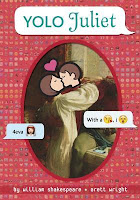
2. YOLO Juliet by William Shakespeare and Brett Wright. 2015When a generation comes up with their own langauge, why not write a novel with it? Better yet, why not only write a novel, but let is be a translation of one of the greatest works of all time!! It may help to have background knowledge, but even if you don't, it's definitely a FUN read!
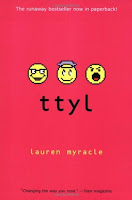 3. TTYL, YOLO (Internet Girls series) by Lauren Myracle 2004-2015
Before emoticons, there were acronyms, and the beginning of some very interesting ones too. The list keeps growing, just like this series that is all about friendship, text, and three girls from junior high to college. Keep in mind (always!) - you can't read emotions in text...until emojis were born!
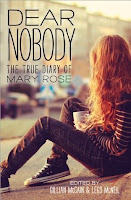
4. Dear Nobody: The True Diary of Mary Rose by Gillian Cain and Legs McNeil. 2014First-person perspective of a young girl whose life goes from okay to bad to downright sad. In non-fiction diary format, you will experience her pain, her joys, and her frustrations all the way until the last day she writes. But what captures the reader's heart is her self-portraits. Wide-eyed innocence or a look of being overwhelmed? Wow....powerful
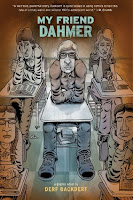
5. Non-fiction Graphic Novels ( My Friend Dahmer by Derf Backderf) 2012Graphic novels, a cousin of the comic book, brought non-fiction to a whole 'nother level. While teens may say there's nothing as boring as a non-fiction book (they should try narrative non-fiction!) this is THE antidote to boring. Pictures fill the pages along with the short storyline. Little do teens know interpreting graphic novels is all about reading waaaaay deeper than a regular novel. Gotcha!!
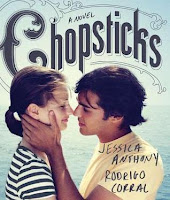 6. Chopsticks by Jessica Anthony. 2012
This is definitely not your avereage graphic novel, although it is considered one. First of all, there are no drawings. This is more like a scrap book filled with pictures, notes and a storyline all about elicit love and music. Difficult to read? No. Emotionally fulfilling?ABSOLUTELY!
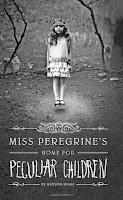 7. Miss Peregrine's Home for Peculiar Children 2012
It doesn't matter how old you are, there will always be something comforting about reading a picture book. Until you read this one with some really crazy scary pictures in it! The storyline is impeccable and how the author weaves his story with these eerie images is a thrillfest. Love at first sight...or read...
 8. The Notebook Girls by Julia Baskin. 2006
Who hasn't ever wanted to pick up someone's diary and read all about their lives? What you get with this novel is called a two-fer. The first is that first forbidden look into one of three girls' notebooks. The second is that this isn't a made-up story but a real one. Talk about living vicariously through characters in a book! 10 years later, visiting NYC, I couldn't HELP but think about this book and the teens who live there!
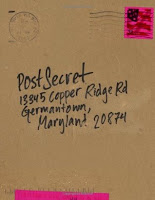 9. Post Secret by Frank Warren. 2005
Sometimes, all it takes is a small snippet to either suck the air out of the room or make you sigh with happiness. The premise is brilliant - share a secret with complete anonymity. There are more books in the series, and you'll want to read them after tasting the first one full of real-life and real people.
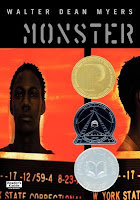 10. Monster by Walter Dean Myers 1999
When you're sitting behind bars, waiting to see what happens next, your mind can whirl with all kinds of thoughts. So why not create an alternate ending to life in the form of a movie? Myers nailed it in this fiction book and I contend that is why this is still such a favorite. Myers actually gets kids to read a movie script of an excellent YA story through a classic format not much widely read by young adults.
By:
Guest Posts,
on 4/16/2016
Blog:
The Children's Book Review
(
Login to Add to MyJacketFlap)
JacketFlap tags:
HarperCollins,
Ages 9-12,
Young Adult,
Young Adult Fiction,
Book Lists,
Chapter Books,
featured,
Rachel Caine,
Cindy Pon,
Henry Holt and Co.,
Disney-Hyperion,
Teens: Young Adults,
Lyndsay Faye,
Leigh Bardugo,
Best Kids Stories,
Best YA,
Soman Chainani,
Alexander Bracken,
Lilah Bowen,
Month9Books LLC,
Paul Trembly,
Add a tag
We're living in a golden age of great fiction ... so many beautiful works being published every month, and it's become a real paradise for readers, whatever they like to read.
By:
Bianca Schulze,
on 4/15/2016
Blog:
The Children's Book Review
(
Login to Add to MyJacketFlap)
JacketFlap tags:
Ages 0-3,
Ages 4-8,
Dr. Seuss,
Book Lists,
Cars,
featured,
Transportation,
Peggy Rathmann,
Random House Books for Young Readers,
Roy McKie,
Greenwillow Books,
Sandra Boynton,
Annette Tison,
Talus Taylor,
G.P. Putnam's Sons Books for Young Readers,
Donald Crews,
Sue Fliess,
Family Favorites,
Best Kids Stories,
Sourcebooks Jabberwocky,
Workman Publishing Company,
A & P Books,
Sarah Beise,
Theo. LeSieg,
Add a tag
Author Sue Fliess selects "Five Family Favorites" to share with readers ...
Read the rest of this post
By:
Bianca Schulze,
on 4/5/2016
Blog:
The Children's Book Review
(
Login to Add to MyJacketFlap)
JacketFlap tags:
Harry Potter,
HarperCollins,
J.K. Rowling,
Ages 4-8,
Ages 9-12,
Book Lists,
The New York Times,
Kids Series,
featured,
Arthur A. Levine Books,
Jeff Kinney,
Best Sellers,
Diary of a Wimpy Kid,
Amulet Books,
Ransom Riggs,
Quirk Books,
Andrews McMeel Publishing,
Lincoln Peirce,
Veronica Roth,
Divergent,
Teens: Young Adults,
Best Kids Stories,
Best Selling Books,
Carole P. Roman,
Best Selling Books For Kids,
Captain No Beard,
Big Nate,
Bonnie Lemaire,
Miss Peregrine’s Peculiar Children,
Add a tag
This month’s best selling kids series from The Children’s Book Review’s affiliate store Captain No Beard, by award-winning author Carole P. Roman, is an imaginative picture book series loved by all.
By:
Bianca Schulze,
on 4/4/2016
Blog:
The Children's Book Review
(
Login to Add to MyJacketFlap)
JacketFlap tags:
Young Adult,
Young Adult Fiction,
Book Lists,
Chapter Books,
YA Books,
The New York Times,
HarperTeen,
Best Sellers,
Philomel Books,
Ruta Sepetys,
Teens: Young Adults,
Leigh Bardugo,
Rainbow Rowell,
Best Kids Stories,
Best Selling Books,
Best YA,
St. Martin's Griffin Books,
Victoria Aveyard,
Henry Holt & Co,
Add a tag
This is a solid list that we're not budging on from last month! Our hand-picked list from the Best Selling Young Adult books listed on The New York Times includes both Glass Sword and Red Queen, by Victoria Aveyard.
By:
Guest Posts,
on 3/27/2016
Blog:
The Children's Book Review
(
Login to Add to MyJacketFlap)
JacketFlap tags:
J.K. Rowling,
Ages 9-12,
Book Lists,
Chapter Books,
featured,
Wendy Lamb Books,
Jacqueline Woodson,
Arthur A. Levine Books,
Polly Horvath,
Middle Grade Books,
Laura Shovan,
Sarah Dooley,
G.P. Putnam's Sons Books for Young Readers,
Teens: Young Adults,
Nancy Paulsen Books,
Best Kids Stories,
Speak Books,
Square Fish Books,
Add a tag
It’s always difficult to narrow down the teetering pile of “Books I Loved” and the tottering pile of “Books to be Read” to a manageable number. Here are just a few middle grade novels author Sarah Dooley loved, and a few more she's looking forward to reading.
By:
Guest Posts,
on 3/25/2016
Blog:
The Children's Book Review
(
Login to Add to MyJacketFlap)
JacketFlap tags:
HarperCollins,
Young Adult,
Young Adult Fiction,
Book Lists,
Chapter Books,
Harlequin,
featured,
Julie Murphy,
Houghton Mifflin Harcourt,
Alloy Entertainment,
Teens: Young Adults,
Leigh Bardugo,
Best Kids Stories,
Skyscape,
Best YA,
Adi Alsaid,
Estelle Laure,
Cheyanne Young,
Deirdre Riordan Hall,
Henry Holt & Co,
Add a tag
During her teens, Deirdre Riordan Hall, author of PEARL, traveled throughout the United States and Europe, developing a love for stories and a desire to connect with worlds imagined or real on the page.
By:
Guest Posts,
on 3/10/2016
Blog:
The Children's Book Review
(
Login to Add to MyJacketFlap)
JacketFlap tags:
Ages 4-8,
Sports,
Book Lists,
Yoga,
featured,
Golden Books,
Candlewick,
Mark Teague,
Audrey Wood,
Simon & Schuster Books for Young Readers,
Blue Sky Press,
Judy Schachner,
Puffin Books,
Jon Stone,
Michael Smollin,
Family Favorites,
Kay Thompson,
Best Kids Stories,
Mariam Gates,
Sounds True Books,
Sarah Jane Hinder,
Mart Crowley,
Add a tag
Mariam Gates, author of Good Morning Yoga, selected these five family favorites.
via GIPHY
Recently, there had been a discussion about STEM/STEAM related YA books, which prompted this blog post. I chose the categories first and then searched for books I've read as well as some I haven't and categorized them to what I thought the book best suited. Some of them, of course, could possibly go into more than one category but alas! I had to choose but one. And interestingly enough, I didn't know I had read so many science related books! This was especially surprising as science isn't my forte at all! So here's a link to the Mindomo infographic I created. If you use the arrows at the bottom, it'll zoom into each one better :) https://www.mindomo.com/mindmap/a8f462216179467b97e02f857f50c749
If you know of any others I may have missed (or even categories) please comment and share with everyone because I'm SURE I've missed something STEM-MY
 I am about a week and a half overdue in posting this, but better late than never: DID YOU KNOW TANITA'S NEW BOOK IS OUT? WOO HOO! Released on Feb. 9, it's about being a foster sister and finding a family in today's complex social and racial... Read the rest of this post
By:
Guest Posts,
on 2/14/2016
Blog:
The Children's Book Review
(
Login to Add to MyJacketFlap)
JacketFlap tags:
Lisbeth Zwerger,
Family Favorites,
John Archambault,
Best Kids Stories,
Dutton Books for Young Readers,
HarperCollins,
Ages 0-3,
Ages 4-8,
Ages 9-12,
Giveaways,
Garth Williams,
Book Lists,
Book Giveaway,
featured,
Lois Ehlert,
Paul O. Zelinsky,
Bill Martin Jr.,
Beverly Cleary,
Simon & Schuster Books for Young Readers,
E. B. White,
Add a tag
Oh wait, wait, wait, am I cut off? So many other favorites!
By:
Guest Posts,
on 2/11/2016
Blog:
The Children's Book Review
(
Login to Add to MyJacketFlap)
JacketFlap tags:
Wilkie Collins,
Sir Arthur Conan Doyle,
Teens: Young Adults,
Best Kids Stories,
Carina Axelsson,
Model Undercover series,
Brain Twisters,
Mysteries,
Philip Pullman,
Ages 9-12,
Book Lists,
Chapter Books,
Fashion,
Nancy Drew,
London,
England,
featured,
Great Britain,
Agatha Christie,
Books into Movies,
Add a tag
Mysteries and London go together like tea and cake or jeans and Converse. Although not all of my favourite English mysteries take place in London, many do. Here are three (okay, maybe a few more than just three) of my top mystery novels set in London.
View Next 25 Posts




.jpeg?picon=3015)


