new posts in all blogs
Viewing: Blog Posts from All 1564 Blogs, Most Recent at Top [Help]
Results 26 - 50 of 664,869How to use this Page
You are viewing the most recent posts from the 1564 blogs currently in the JacketFlap Blog Reader. These posts are sorted by date, with the most recent posts at the top of the page. There are hundreds of new posts here every day on a variety of topics related to children's publishing. We have provided a variety of ways for you to navigate through the blog posts. Click the dates in the calendar on the left to view blog posts from a particular date. Scroll down through the list of Recent Posts in the left column and click on a post title that sounds interesting. Click a tag in the right column to view posts about that topic. You can view all posts from a specific blog by clicking the Blog name in the right column, or you can click a "More Posts from this Blog" link in any individual post.

By: Jerry Beck,
on 12/28/2016
Blog:
Cartoon Brew
(
Login to Add to MyJacketFlap)
JacketFlap tags:
Feature Film,
Ideas/Commentary,
Brenda Chapman,
Cars 3,
Emily Dean,
Jennifer Yuh,
The Lego Batman Movie,
The Lego Ninjago Movie,
The Star,
Add a tag
91 of 92 of major American animation releases in the current decade have had a male director.
The post Sorry, Women: You Won’t Be Directing Any Major U.S. Animation Releases in 2017 appeared first on Cartoon Brew.
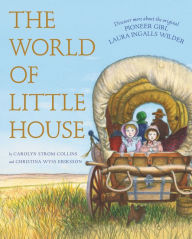
The World of Little House. Carolyn Strom Collins and Christina Wyss Eriksson. 1996. 160 pages. [Source: Library]
First sentence: We know Laura Ingalls Wilder best through her nine Little House books, which tell the story of her life as a pioneer girl.
Premise/plot: This biography of Laura Ingalls Wilder would be perfect for upper elementary or middle schoolers. In some ways it's "just" a biography, but, in other ways it's so much more than that. One thing that I loved about it, for example, is the inclusion of HOUSE PLANS for all the houses Laura Ingalls Wilder lived! That plus the inclusion of crafts and recipes and extension activities really just made me happy.
For any reader who loves the book series or even the television series, this one is a fun and easy-going read.
My thoughts: While I didn't learn anything "new" about Laura Ingalls Wilder, I found it a fun, delightful presentation of what I already knew. The only book that truly was packed with I-didn't-know that information was the recently released PIONEER GIRL. This biography shares an intended audience range of the actual books. So one could go from the series to this biography smoothly. (I can't imagine a fourth or fifth grader picking up PIONEER GIRL and finishing it. Pioneer Girl just has SO MANY footnotes.)
Easy to recommend this one!
© 2016 Becky Laney of
Becky's Book Reviews
Louise and Andie. The Art of Friendship. Kelly Light. 2016. 40 pages. [Source: Library]
First sentence: Art, this is the BEST day ever! I'm so excited to meet our new neighbor. I hope she loves art too.
Premise/plot: Louise and Art are back in a second book! (Though the focus is on Louise and not her adorable, little brother Art!) Louise and Andie, the girl next door, become good friends quickly. But things don't stay wonderful long, soon, these two realize they have artistic differences. Can this friendship be saved?!
My thoughts: Loved this one. I did. I really loved it!!! It is so important--no matter your age--that you learn how to resolve conflict! I love seeing this friendship endure the stress of a big argument. I love that these two are able to work things out and really come to know and appreciate each other better.
Text: 5 out of 5
Illustrations: 5 out of 5
Total: 10 out of 10
© 2016 Becky Laney of
Becky's Book Reviews
I've set the monsters free!
SILLY MONSTERS ABC is FREE 28th-30th December!
An ABC ebook for little monsters everywhere!
Download for your kindle here:
A is for the amblemoose,
who ambles aimlessly.
B is for the buzzlesnout,
who buzzes like a bee.
C is for the crocododo,
who eats carrot cake.
D is for the drooling dampwottle,
who dribbles by the lake.
By: Jerry Beck,
on 12/27/2016
Blog:
Cartoon Brew
(
Login to Add to MyJacketFlap)
JacketFlap tags:
chris meledandri,
Garth Jennings,
Harvey Mason Jr,
Illumination,
Joby Talbot,
Jojo Villanueva,
Mike Knobloch,
Sing,
Feature Film,
Music,
Add a tag
The complete list of songs that appear in Illumination's "Sing."
The post A Complete List of Every Song in Illumination’s ‘Sing’ appeared first on Cartoon Brew.
 I peer into the darkness and at long last I see the light at the end of the tunnel. We’re almost there! Almost at the end of this month’s 31 Days, 31 Lists challenge. I’m certainly delighted, not least because I’ve managed to keep it up so far (knocking on wood now as hard as my brittle knuckles can knock).
As with some of the lists, today’s is not by any means complete. I fell down on the job of reading as many chapter nonfiction books as I should have. And since I refuse to place any books on these lists that I haven’t actually read myself, it’s going to be far too short. For a variety of far more complete lists featuring nonfiction, please check out the Best of the Year compilations from all the major review journals (SLJ, Kirkus, Horn Book, etc.) as well as libraries like NYPL, Chicago Public Library, and others.
2016 Great Nonfiction Chapter Books for Kids
A Celebration of Beatrix Potter: Art and Letters by More Than 30 of Today’s Favorite Children’s Book Illustrators, edited by The Stewards of Frederick Warne & Co.
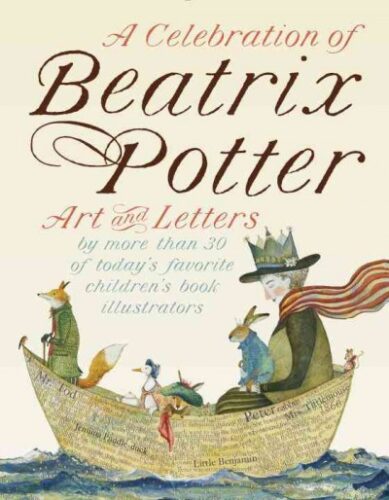
It seems a pity that I’m only just now mentioning this book, but I honestly couldn’t figure out if there was any other list it would slot into easily. In truth, it’s probably made for adult enthusiasts and not actual kids, but who knows? There could be some Potter loving children out there. Maybe they’d be interested in the wide variety of takes on one classic Potter character or another. Whatever the case, this book is a beautiful ode to the works of Beatrix and anyone would be pleased to receive it.
Crow Smarts: Inside the Brain of the World’s Brightest Bird by Pamela S. Turner, photos by Andy Comins, ill. Guido de Flilippo
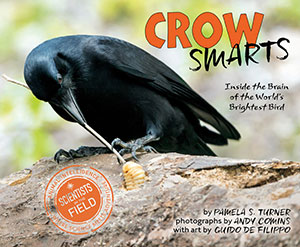
This is right up there with Sy Montgomery’s Kakapo book as one of my favorite books about obscure birds out there. Of course, the Kakapo is dumb as a box of rocks while these birds are smarter than human 4-year-olds, but who’s counting?
Deep Roots: How Trees Sustain Our Planet by Nikki Tate
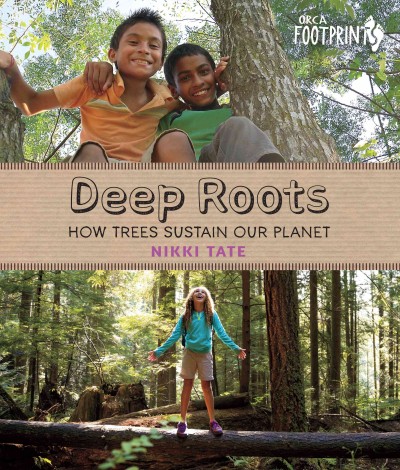
Orca consistently produces fun nonfiction titles on serious subjects in a voice that never patronizes its young readers. This latest is no exception.
The Hello Atlas by Ben Handicott, ill. Kenard Pak
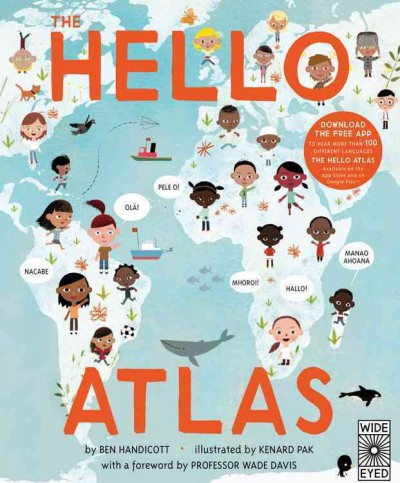
I really wasn’t sure where to put this one either, and it just feels like it has a bit too much content to consider it a picture book. The publisher calls this, “A celebration of humanity’s written and verbal languages is comprised of fully illustrated word charts depicting children of diverse cultures participating in everyday activities, in a reference complemented by a free downloadable app for iOS and Android that allows readers to hear the book’s phrases as recorded by native speakers”. Cool, right? Well, says Kirkus, “This will be a necessity for just about everybody, as there are no phonetic spellings”. So word to the wise. It’s still a pretty amazing book.
Presenting Buffalo Bill: The Man Who Invented the Wild West by Candace Fleming
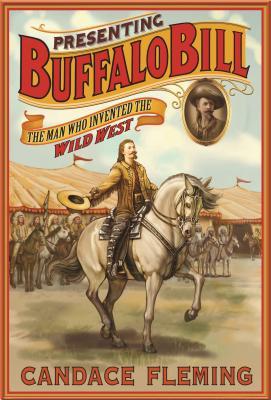
Did I mention I liked it yet?
I liked it.
Sachiko: A Nagasaki Bomb Survivor’s Story by Caren Stelson
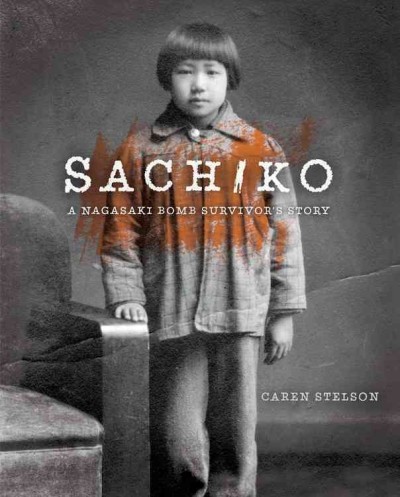
Still one of the most powerful books of the year.
Samurai Rising: The Epic Life of Minamoto Yoshitsune by Pamela S. Turner, ill. Gareth Hinds
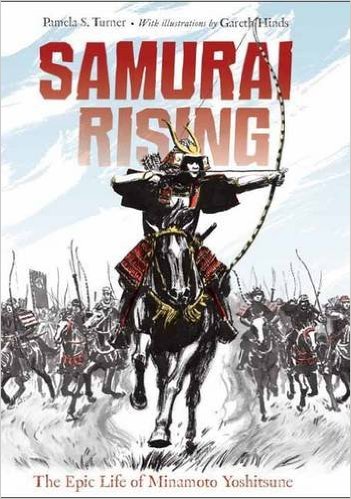
This one came out so early in the year that I almost forgot it was a 2016 title. Then I remembered that there’s this crazy outside chance that it could win a Newbery for its fantastic writing. So there’s that.
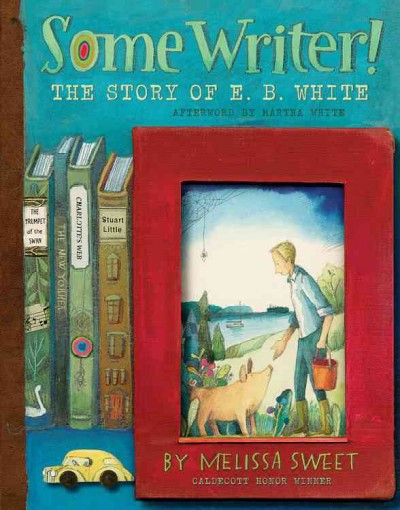
Some Writer! The Story of E.B. White by Melissa Sweet
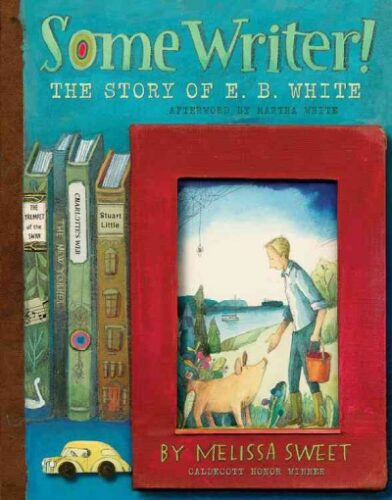
It took me a while to jump on the bandwagon with this one, since I’m sometimes slow on the uptake. Now that I’ve read it, I’m gratified to write that it really is quite amazing. I’m not sure what kid would pick it up on their own, but it does a really lovely job of encapsulating White’s life and spends a good amount of time on his writing for children. Visually arresting from start to finish, this is one of the best bios of the year. Glad I followed the crowd on this one.
What Milly Did by Elise Moser, ill. Scot Ritchie
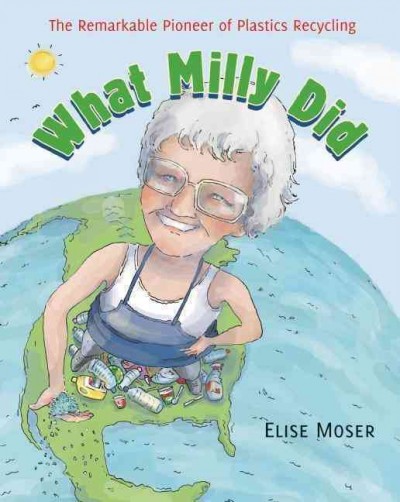
I’m not a huge fan of the cover, but I think the book’s worth its weight in gold. FYI.
Interested in the other lists of the month? Here’s the schedule so that you can keep checking back:
December 1 – Board Books
December 2 – Board Book Adaptations
December 3 – Nursery Rhymes
December 4 – Picture Book Readalouds
December 5 – Rhyming Picture Books
December 6 – Alphabet Books
December 7 – Funny Picture Books
December 8 – Calde-Nots
December 9 – Picture Book Reprints
December 10 – Math Picture Books
December 11 – Bilingual Books
December 12 – International Imports
December 13 – Books with a Message
December 14 – Fabulous Photography
December 15 – Fairy Tales / Folktales
December 16 – Oddest Books of the Year
December 17 – Older Picture Books
December 18 – Easy Books
December 19 – Early Chapter Books
December 20 – Graphic Novels
December 21 – Poetry
December 22 – Fictionalized Nonfiction
December 23 – American History
December 24 – Science & Nature Books
December 25 – Transcendent Holiday Titles
December 26 – Unique Biographies
December 27 – Nonfiction Picture Books
December 28 – Nonfiction Chapter Books
December 29 – Novel Reprints
December 30 – Novels
December 31 – Picture Books

Maybe I should have titled this post, "What I Learned in 2016." It was a tough year, but I did learn a few very important things. Here they are in no particular order:
- Cover design ~ I've been designing covers (in secret) for years, but this year I learned a lot about cover design and even did my own cover for Fading Into the Shadows, which I love.
- ebook formatting ~ I've been doing paperback formatting for a while, but this year, I learned fancy ebook formatting thanks to some awesome programs.
- Self-Publishing is the way to go for me ~ I've been traditionally published, but I'm not interested in that route anymore. I've worked on both sides of publishing for years now, and I'm ready to take my future in my own hands and self-publish from here on out. (I'm very excited about this!)
- I love writing adult mysteries ~ For years I swore I wouldn't write adult books, but look at me now. I don't know why I didn't think I'd like it, but I find the 25-30 age group really fun to write about.
- Balance ~ I'm particularly proud of this one because I've had the goal of finding balance between editing for clients and working on my own books for the longest time. I just couldn't figure out how to pull it off until I participated in NaNoWriMo this year. Now, I know I can balance the two and get all my work done on time.
Those are my top five writing lessons learned in 2016. What did you learn this year?
How to celebrate New Year 2017 – नया साल दस्तक दे रहा है इसे आप कैसे मनाएगें … नया साल कैसे मनाएंगें आप – नव वर्ष की शुभकामनायें, नया साल मुबारक हो, नये साल की हार्दिक शुभकामनायें, नववर्ष की शुभकामनाएँ, नव वर्ष की शुभकामना , how to celebrate new year, how to celebrate new year […]
The post How to celebrate New Year 2017 appeared first on Monica Gupta.
My Two
Latest Picture Books
As well as Kobi and Oscar, many other unique Down Under animals
share the adventures in both these books.
An Aussie Word Glossary and animal information are at the back of each book, plus fun details about Koalas and Tasmanian Devils.
Kobi is a young koala who thinks he knows everything about
surviving in the Aussie Bush. He soon discovers he is lost,
scared, and REALLY misses his mom.
Oscar is a Tasmanian Devil who looks like his relatives--mean and ugly.
All the Aussie bush critters are afraid of him. Yet Oscar longs to be
friends with everyone--you see, he REALLY is different.
How he makes the other animals see his friendly
nature becomes a grand adventure.
16x books to choose from ( PB to Young Teen)
Ages 5 through 14 years.
AUTOGRAPHED--with DISCOUNT
(Direct from my Website) $2.50 POSTAGE
Add 50c for each extra book.
**************
Magic Carpet of Books
SKYPE Author Visits to Schools
************
There once was a clumsy attorney
Who wanted to go on a journey
But lacking some grace
He fell on his face
And soon was stretched out on a gurney.
He’d wanted to taste the exotic
But work made his life so chaotic
That the thrills he did seek
Like conversing in Greek
Were replaced by an antibiotic.
When he healed he went back by degrees
For he missed his gargantuan fees
But the lesson he learned
Was when trips are concerned
He should stay home and speak legalese!
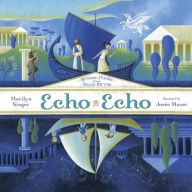
Echo Echo: Reverso Poems About Greek Myths. Marilyn Singer. Illustrated by Josee Masse. 2016. 32 pages. [Source: Library]
First sentence: Ancient Greece: an age of marvelous myths, gone, but not forgotten. Heroes that rise and fall.
Premise/plot: This is the third collection of reverso poems by Marilyn Singer. The first two were: Mirror, Mirror and Follow, Follow. Both of those were fairy tale inspired poetry collections. This third book is inspired by Greek mythology.
So what is a reverso poem? A poem that is both read top to bottom, and bottom to top. The two 'versions' of the poem might tell completely different stories! Word order and punctuation can accomplish a LOT. Much more than I ever thought about!!! Most of the reverso poems in this collection have two narrators. For example, with "King Midas and His Daughter," the first poem is from the daughter's perspective (top to bottom), and the second poem (bottom to top) is from the King's perspective.
My thoughts: I really enjoyed this one. I'm not sure I loved, loved, loved it as much as the previous volumes. But. It's been a few years since I've read them, and, I'd have to reread all three closer together to truly decide which is my favorite. I can tell you that I do like Greek mythology. (Thanks in small part to Edith Hamilton and good old Percy Jackson.)
I think my favorite poem might be "Pygmalion and Galatea."
Wondrous!/ How/ life-/ like! There is nothing in this world/ so perfect. Oh, these lips, hands, eyes!/ The artist/ is in love with/ his creation./ Let a heartfelt wish be granted,/ kind Venus:/ Only you could make this stone breathe!
Only you could make this stone breathe!/ Kind Venus/ let a heartfelt wish be granted./ His creation/ is in love with/ the artist./ Oh, these lips, hands, eyes--/ so perfect!/ There is nothing in this world/ like/ life! How/ wondrous!
*The book does have at least one typo. And I wouldn't have noticed it if I hadn't chosen to share it. I would have just auto-corrected in my head without thinking twice. "There is nothing is this world." I include it here just in case it hasn't been caught yet and fixed already for future editions.
© 2016 Becky Laney of
Becky's Book Reviews
Many things have to happen after you hand in the final text of your manuscript and its publication.
http://www.writersdigest.com/whats-new/no-one-tells-page-proofs-blurb-requests
The Anthropology of Gifts - Part One
Look what I got in the mail right before Christmas!
-a beautiful slip-covered
copy of
Alice in Wonderland and Through the Looking Glass with the original illustrations by Sir John Tenniel.
(The book pictured comes from Atlas Books, a book marketing company. The mention of this company is not an endorsement. The Atlas Books catalog offers lots of lovely looking books. However, I suggest that authors looking for a marketing company do a thorough investigation on their own.)This is an example of a traditional "gift" book - lovely to behold and to hold. Other traditional gift books are coffee table books, heavy with color plates, or educational tomes to enrich the recipient's mind, or inspirational volumes. Gift books look impressive on display.
Every major publisher puts out books in the Fall that are designed to catch the eye and to answer the needs of the gift-giver.
Most book review sites produce Best of... lists before the holidays so that no one goes ungifted. I prefer to let people do their own choosing. I am not alone in having received book gifts that were not to my liking. I have GIVEN books as gifts that ended up in yard sales.
This brings me to something I have been mulling over during this season of grabbing, getting, gifting, griping, to say nothing of wrapping, worrying and wondering - the anthropology of gifts.
Part One:
Did you get what you wanted this holiday? Did you give the perfect gift? Are you wishing that you had spent more...or less? Did your friend get a better gift from you than you got from him?
Does it matter?
Why do you give gifts, anyway?We learn that there are two acceptable reasons to give gifts;
to show affection,
to earn affection.
(The second reason is, ahem, less acceptable than the first.)
It follows that gift-giving should be completely altruistic. There should be no thoughts of, “Whoa, she will be blown away when she sees my awesome gift.” Nor, should we be worrying that, “This gift won’t seem too brown-nosey, will it?”
In the history of gift giving there are so many other reasons;
to show power, - as in, “No gift you give me is worth as much as the gift I give you. So watch it. I might take it back.”;
to earn prestige, - “Look how very important and special I am. I can give so much.”;
to flatter, - “YOU deserve this wonderful gift.”;
to insult, - “YOU barely even merit this tiny awful gift.”;
because it’s expected, - “I got invited to my cousin’s step-son’s wedding and I never even met him. I don’t want to look cheap.”;
because it meets a need - “I noticed that your socks are worn. Here, have some socks.”
The feelings that accompany gift-giving and getting are also significant -
insecurity,
hope that the recipient will be pleased,
envy over what others receive,
worry that we haven’t quite discharged our gift-giving duty,
worry that someone will be empty-handed,
worry that we will be disappointed,
hurt that the giver has no idea what we like - or who we are - even what colors we hate!
Yep, it’s a mine field, this giving of gifts.
A young friend once complained that her relatives, whom she barely saw, gave her a beautiful Christmas stocking.
“As if I was a little kid,” she snorted. She was in her late teens. “They have no interest in me, at all.”
By the way, the stocking was absolutely gorgeous. It was not appreciated. The relatives did not want to show up empty handed, especially when they spent so little time with my friend.
And this brings up the politics of RECEIVING gifts.... Whoo, Nellie! Do we really want to go into that, right now?
The ONLY acceptable way to receive gifts is happily and with a “Thank you.” Jumping up and down with glee is acceptable if you are small enough to jump up and down without shaking the floors. Sulking is never a good thing.
If the gift is insulting, the giver has been thwarted. You seem pleased. They will have to try harder.
If the gift attempts to impress, well, act impressed if you want to, but it is not obligatory.
If the gift was meant to flatter, don’t make much of it - unless you want to flatter back.
If the gift feels obligatory, remember, the giver didn’t have to give you anything.
If the gift seems insignificant, perhaps it is all the giver could give you.
As mothers, and grandmothers, and maiden aunts, and crotchety old uncles are always telling us, “It’s the thought that counts.” (Except when it IS the thought that counts, - and the thought is nasty - then we are not supposed to notice.)
This holiday season, I decided not to worry about it. I asked my loved ones what they wanted and gave them what I could to meet those requests.
I love every gift I receive, because I love the givers.
The best gift we have is our friends and family. So, if we remember that, it’s all good - (in the words of Pete the Cat).
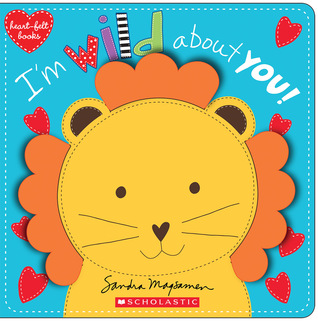
I'm Wild About You. Sandra Magsamen. 2016. Scholastic. 10 pages. [Source: Review copy]
First sentence: I love the way you monkey around. I love the way you stomp up dand down! I love the way you waddle when you walk.
Premise/plot: An animal-themed board book for parents to read aloud to their little ones. The message from cover to cover is very sweet and affectionate. (Some readers might think it a little over the top with sweetness.)
My thoughts: I definitely like this one. It's for little ones--babies, toddlers--no doubt. I like the animals. I especially like the elephant!
Text: 3 out of 5
Illustrations: 4 out of 5
Total: 7 out of 10 © 2016 Becky Laney of
Becky's Book Reviews

By: Kathy Mirkin,
on 12/27/2016
Blog:
The Write Words
(
Login to Add to MyJacketFlap)
JacketFlap tags:
Add a tag
I'm taking a hiatus from blogging. Please look me up on Twitter at https://twitter.com/KathyMirkin.
I may stop by now and then to share books news and tips, so please do come back.
It's nearly time to sum up the year's reading, and I have a great deal to talk about on that front. Unfortunately, I've been felled by a flu, so I'm hoping I'll be back my feet and in a state to write meaningfully about, well, anything by the time the 31st rolls around (which, as everyone knows, is the only proper time to talk about the year's best anything). In the meantime, however, here are
By: Jerry Beck,
on 12/27/2016
Blog:
Cartoon Brew
(
Login to Add to MyJacketFlap)
JacketFlap tags:
Feature Film,
Animal Crackers,
Another Day of Life,
Ballerina,
Beast of Burden,
Blame,
Blazing Samurai,
Bunyan and Babe,
Captain Underpants,
Cars 3,
Chuck Steel Night of the Trampires,
Cinderella the Cat,
Clara,
Coco,
Crayon Shin-chan: Invasion!! Alien Shiriri,
Despicable Me 3,
Spark,
Tadeo Jones 2,
The Boss Baby,
The Breadwinner,
The Emoji Movie,
The Girl Without Hands,
The Last Fiction,
The Lego Batman Movie,
The Lego Ninjago Movie,
The Nut Job 2,
The Red Turtle,
The Star,
The Three Heroes and the Sea King,
Underdog,
Fedinand,
Foodiverse,
Godzilla,
Here Comes the Grump,
Hirune Hime: Shiranai Watashi no Monogatari,
Kikoriki: Deja Vu,
Kung Food,
Kuroshitsuji: Book of the Atlantic,
Loving Vincent,
Manou the Swift,
Mary and the Witch's Flower,
Morten on the Ship of Fools,
Mune Guardian of the Moon,
Mutafukaz,
My Cool Dad,
My Life As A Zucchini,
My Little Pony: The Movie,
Night is Short,
Ping Pong Rabbit,
Pokémon the Movie: I Choose You!,
Punyakoti,
Red Shoes and The 7 Dwarfs,
Resident Evil: Vendetta,
Richard the Stork,
Sadko,
Sahara,
Smurfs: The Lost Village,
Urfin Jus and His Wooden Soldiers,
Walk On Girl,
Wish,
Your Name,
Add a tag
The most comprehensive list of 2017 theatrical animated features!
The post Preview: 60+ Animated Feature Films to Look for in 2017 appeared first on Cartoon Brew.
Incredible News! Amazing Christmas eBook Bestseller!
Stinky Santa has only gone and got to Number 2 in Children's Christmas eBooks on Amazon.co.uk!
 |
SCREENSHOT OF BESTSELLING SUCCESS!
|
Buy, share or preview below:
Itsy-Bitsy I Love You! Sandra Magsamen. 2016. Scholastic. 10 pages. [Source: review copy]
First sentence: My itsy-bitsy spider climbed up to snuggle me. Down came my arms, we hugged so happily.
Premise/plot: This board book reworks the classic song "Itsy Bitsy Spider."
My thoughts: I liked this one. I did. This is definitely for little ones, and, not so much preschoolers. (Although if you have preschoolers and little ones, then both might enjoy it.) The illustrations are very bright and bold. The text is cute. You can still sing it as a song. This one begs to be acted out. (As did the original song!)
Text: 4 out of 5
Illustrations: 3 out of 5
Total: 7 out of 10 © 2016 Becky Laney of
Becky's Book Reviews
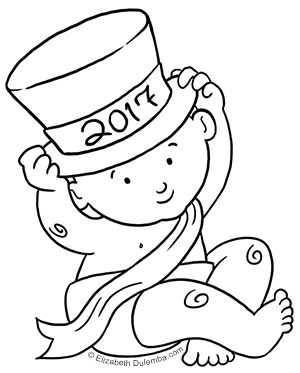
IThank you to all of you for your kind emails and loyal support throughout 2016. I'm so grateful for every one of you and I wish you all a new year filled with hope, wisdom, peace and joy.
CLICK HERE for more coloring pages! CLICK HERE to sign up to receive alerts when a new coloring page is posted each week and... Please check out my books! Especially...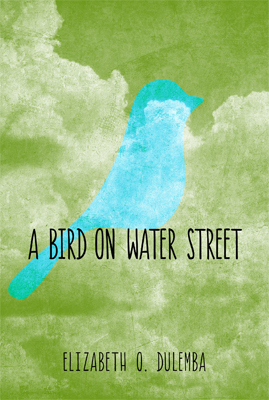
my debut novel,
A BIRD ON WATER STREET - winner of over a dozen literary awards, including Georgia Author of the Year. Click the cover to learn more!
When the birds return to Water Street, will anyone be left to hear them sing? A miner's strike allows green and growing things to return to the Red Hills, but that same strike may force residents to seek new homes and livelihoods elsewhere. Follow the story of Jack Hicks as he struggles to hold onto everything he loves most. I create my coloring pages for teachers, librarians, booksellers, and parents to enjoy for free with their children, but you can also purchase rights to an image for commercial use, please contact me. If you have questions about usage, please visit my Angel Policy page. 
पानी कितना पीना चाहिए सर्दी के मौसम में – सर्दी के मौसम में चाय हम भले ही दिन में पांच या छ: बार पी ले पर पानी ??? पानी कितना पीते हैं याद कीजिए ….. !!! जरा सोचिए !! पानी कितना पीना चाहिए सर्दी के मौसम में – दिन में कितना पानी पीना चाहिए – सर्दी […]
The post पानी कितना पीना चाहिए सर्दी के मौसम में appeared first on Monica Gupta.
It’s finally come! The list is nearing its end. So it is with great delight that I present to you some of the last of the lists. Today’s is particularly long, celebrating what I consider to be some of the best books of 2016. Since so many of them have shown up on my other lists I’ll leave off the comments this time around except for those that haven’t appeared here before.
These are the nonfiction titles I was most impressed by in 2016:
2016 Nonfiction Picture Books
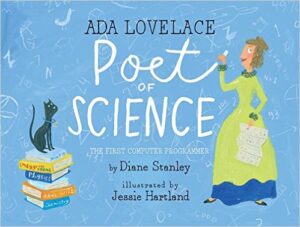
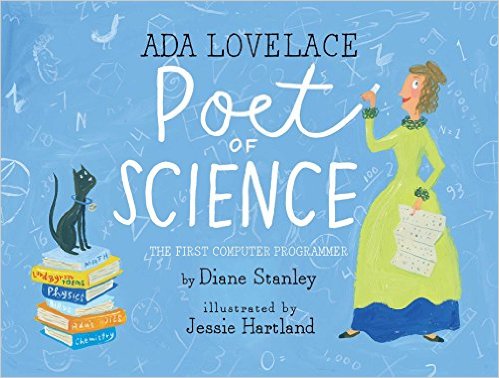
Ada Lovelace, Poet of Science: The First Computer Programmer by Diane Stanley, ill. Jessie Hartland
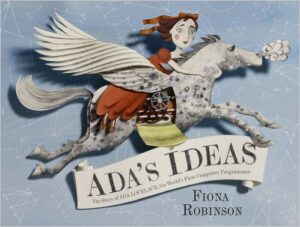
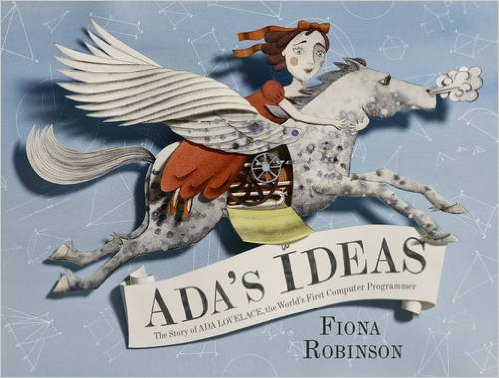
Ada’s Ideas: The Story of Ada Lovelace, the World’s First Computer Programmer by Fiona Robinson
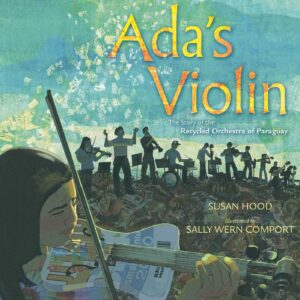
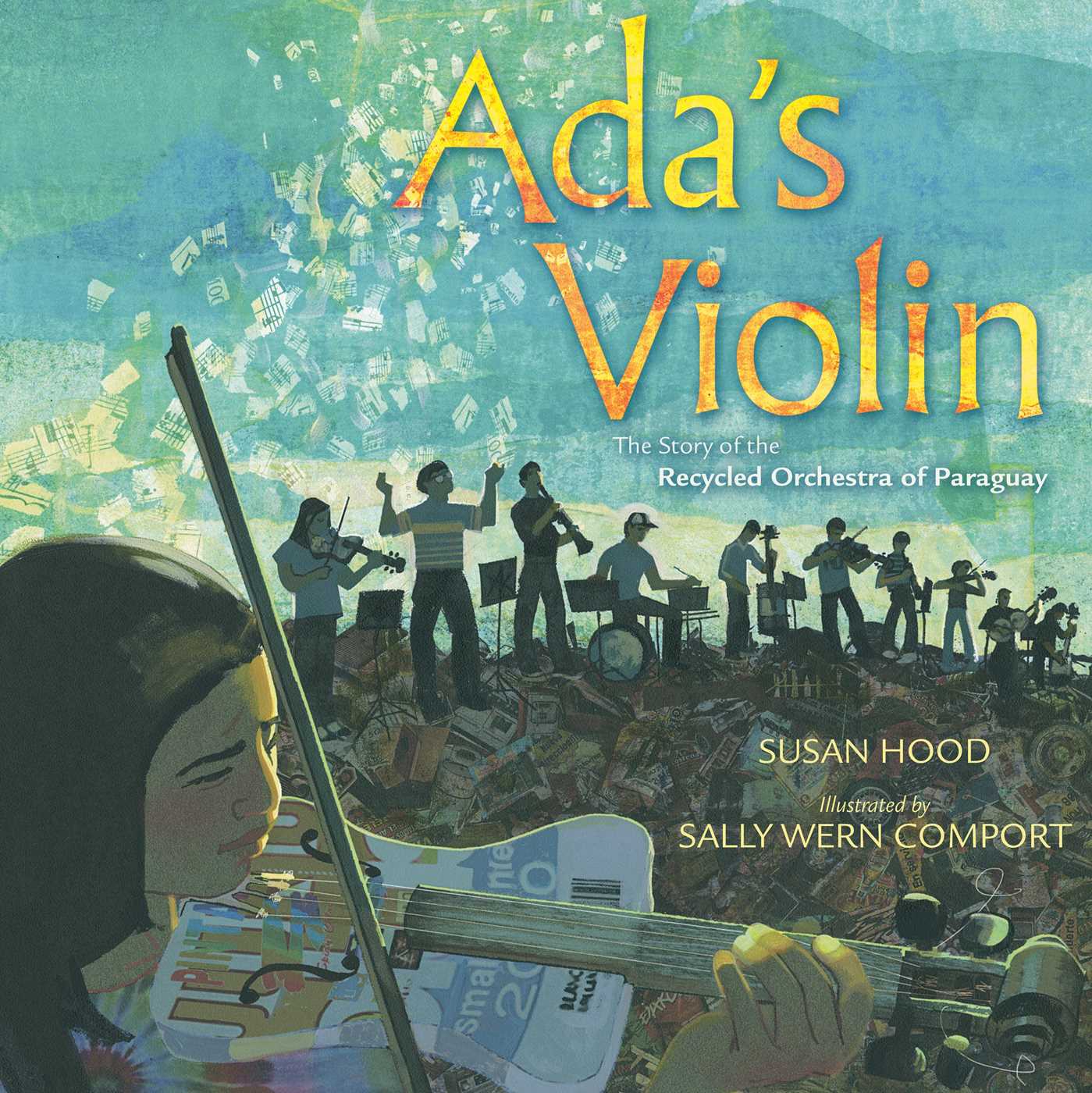
Ada’s Violin: The Story of the Recycled Orchestra of Paraguay by Susan Hood, ill. Sally Wern Comport
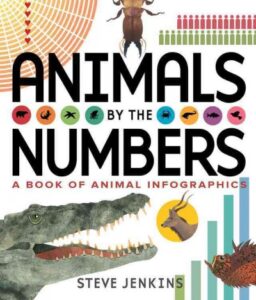
Animals by the Numbers: A Book of Infographics by Steve Jenkins
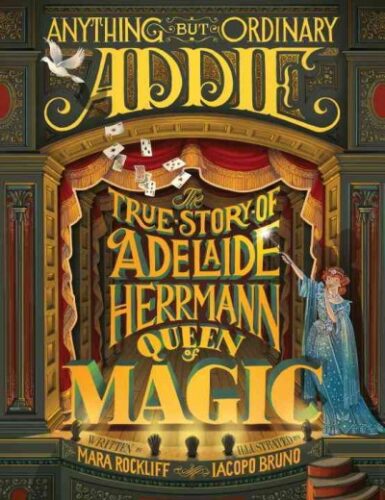
Anything But Ordinary: The True Story of Adelaide Herman, Queen of Magic by Mara Rockliff, ill. Iacopo Bruno
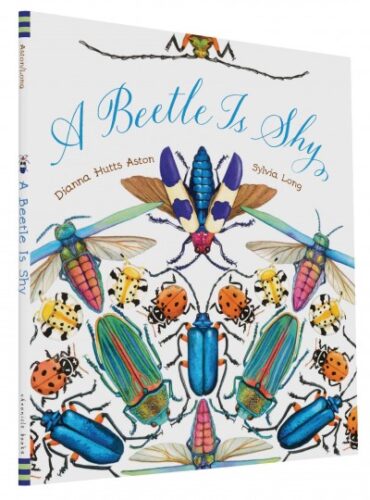
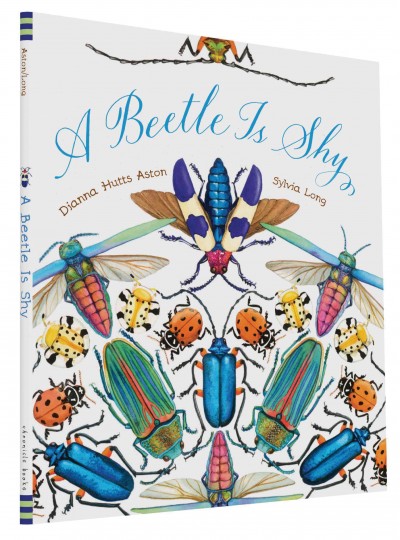
A Beetle Is Shy by Dianna Hutts Aston, ill. Sylvia Long
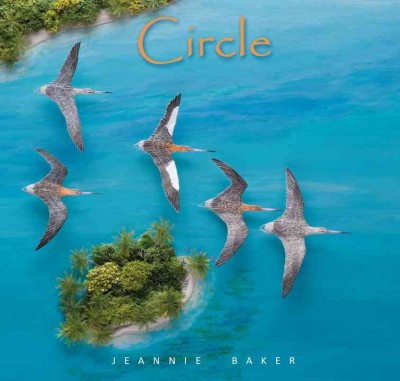
Circle by Jeanne Baker
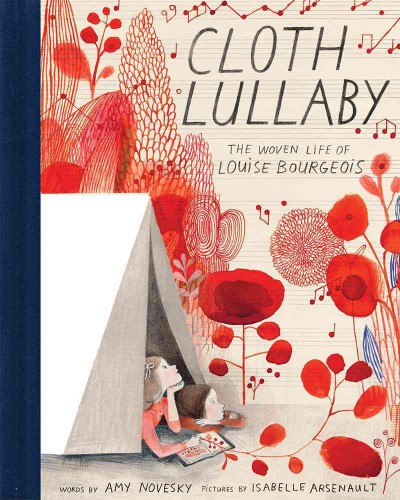
Cloth Lullaby: The Woven Life of Louise Bourgeois by Amy Novesky, ill. Isabelle Arsenault

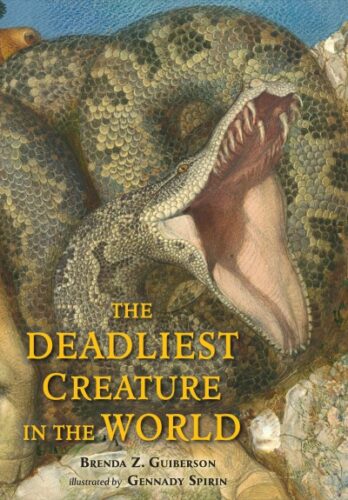
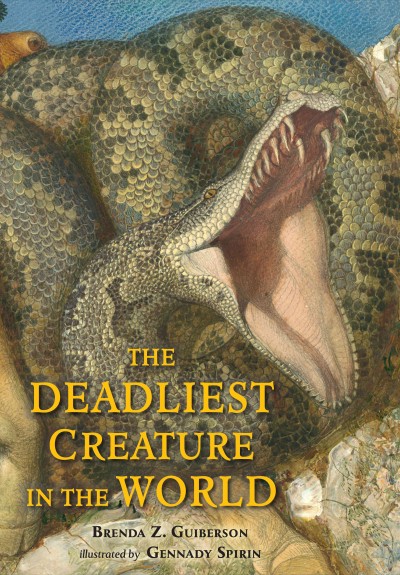
The Deadliest Creature in the World by Brena Z. Guiberson, ill. Gennady Spirin
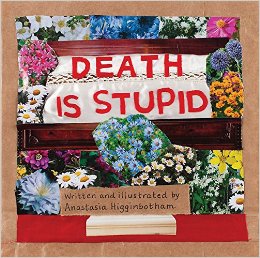
Death Is Stupid by Anastasia Higginbotham
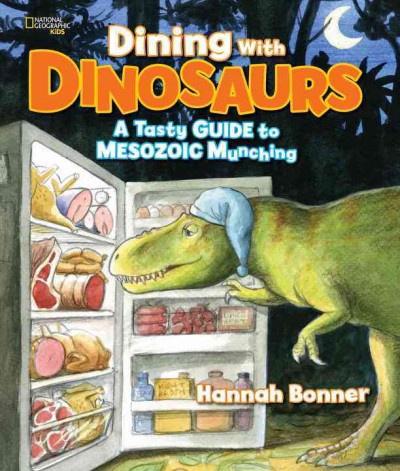
Dining With Dinosaurs: A Tasty Guide to Mesozoic Munching by Hannah Bonner
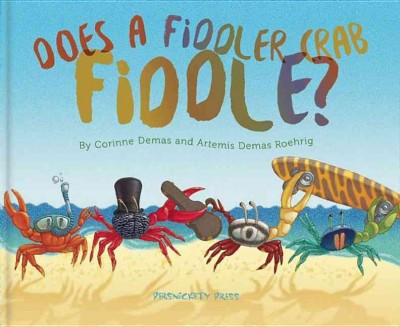
Does a Fiddler Crab Fiddle? by Corinne Demas & Artemis Roehrig, ill. John Sandford
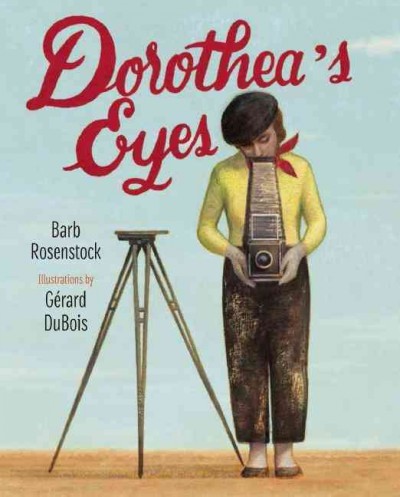
Dorothea’s Eyes by Barb Rosenstock, ill. Gerard DuBois
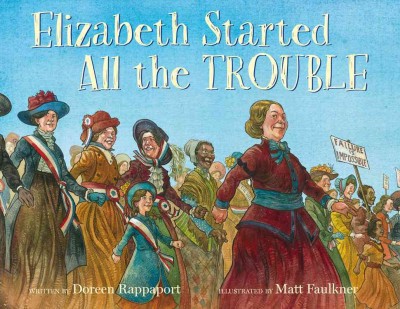
Elizabeth Started All the Trouble by Doreen Rappaport, ill. Matt Faulkner
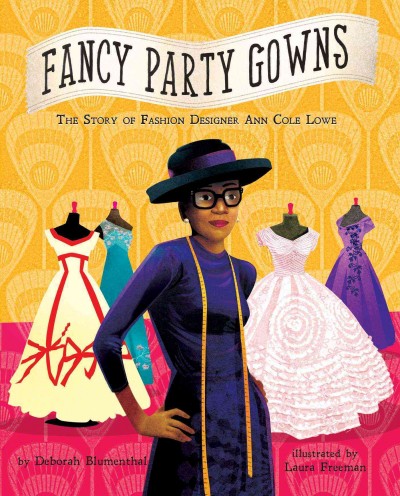
Fancy Party Gowns: The Story of Ann Cole Lowe by Deborah Blumenthal, ill. Laura Freeman
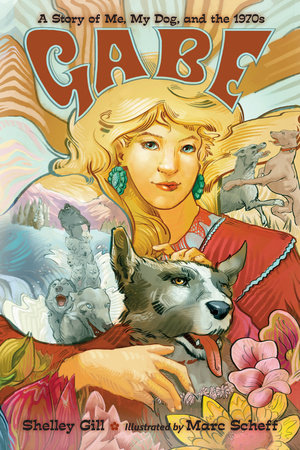
Gabe: A Story of Me, My Dog, and the 1970s by Shelley Gill, ill. Marc Scheff
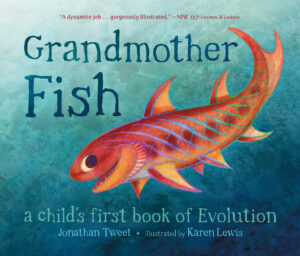
Grandmother Fish: A Child’s First Book of Evolution by Jonathan Tweet, ill. Karen Lewis
Growing Peace: A Story of Farming, Music, and Religious Harmony by Richard Sobol

If this hasn’t appeared on a list before it’s only because I’ve never found a place to slot it. Though it has elements of biography to it, it’s mostly about sustainable farming, overcoming religious differences, and working together. And since I never made a peace and global studies list (next year?) it shall go here instead.
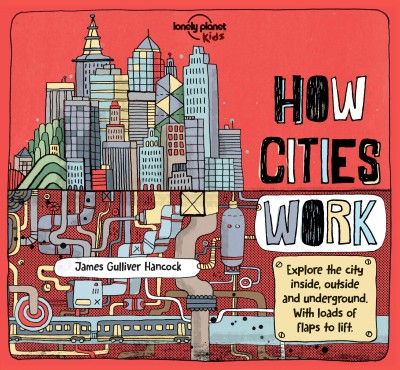
How Cities Work by James Gulliver Hancock
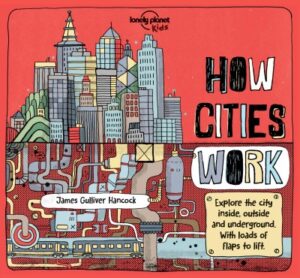
Very keen. It’s a good book to use if you want to describe to a kid how cities form, what they contain, their problems, their solutions, and their future. Lots of lift-the-flap elements as well.
One note – if you’re buying this book for your system through Baker & Taylor, they’ll have a warning note attached saying that there are small parts and that it’s not appropriate for children under the age of three. They sometimes will put this warning on books with small lift-the-flap flaps. I personally think the book is safe, but you may be strict in your policies. FYI.
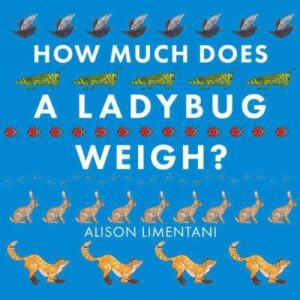
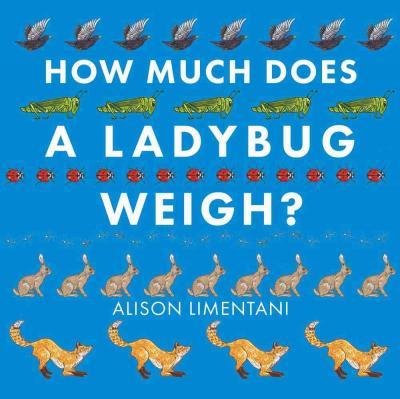
How Much Does a Ladybug Weigh? by Alison Limentani
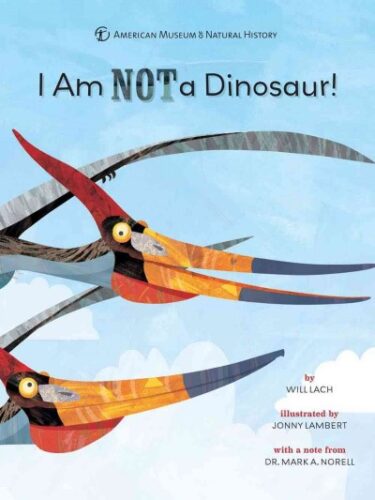
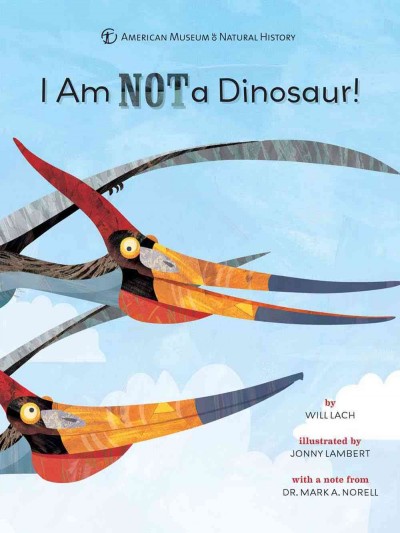
I Am NOT a Dinosaur! by Will Lach, ill. Jonny Lambert
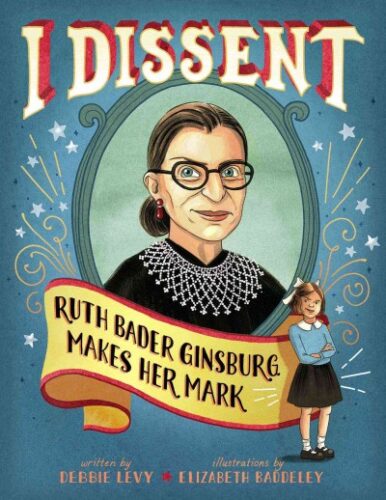
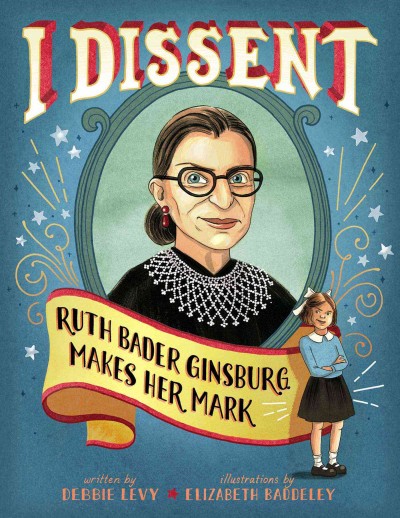
I Dissent: Ruth Bader Ginsburg Makes Her Mark by Debbie Levy, ill. Elizabeth Baddeley
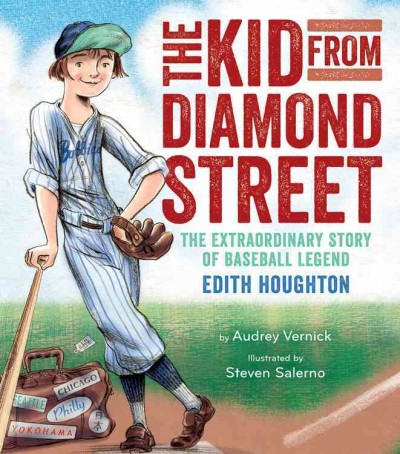
The Kid from Diamond Street: The Extraordinary Story of Baseball Legend Edith Houghton by Audrey Vernick, ill. Steven Salerno
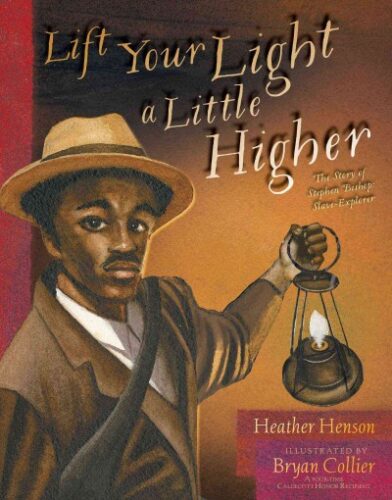
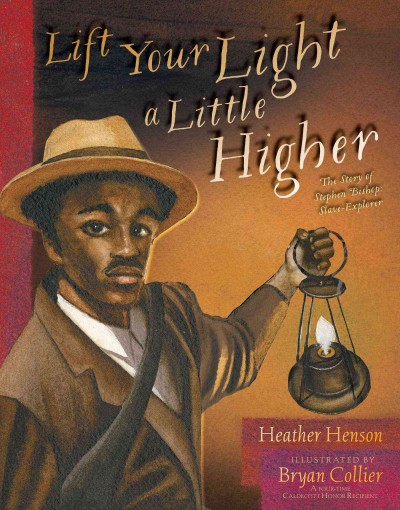
Lift Your Light a Little Higher: The Story of Stephen Bishop: Slave-Explorer by Heather Henson, ill. Bryan Collier
Martin Luther “Here I Stand” by Geraldine Elschner, translated by Kathryn Bishop

The Marvelous Thing That Came from a Spring: The Accidental Invention of the Toy That Swept the Nation by Gilbert Ford
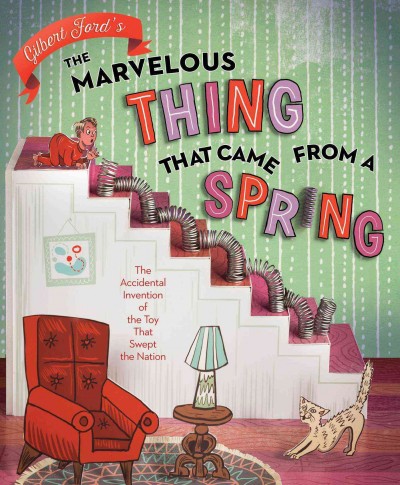
Since the book is focused far more on the invention than the inventor, I couldn’t really put it on the biographical list. So for all that it’s fun and funny and interesting and beautiful (really beautiful) I’ve had to wait until now to put it on any lists. That said, it was worth the wait.
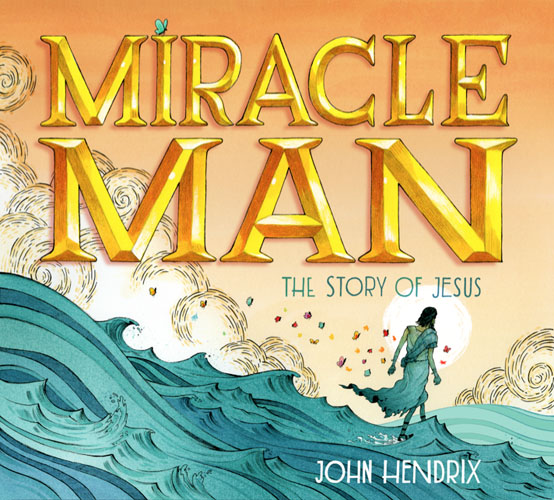
Miracle Man: The Story of Jesus by John Hendrix
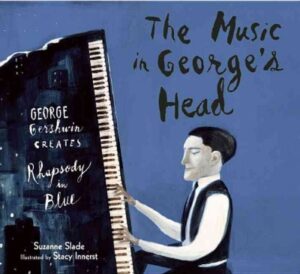
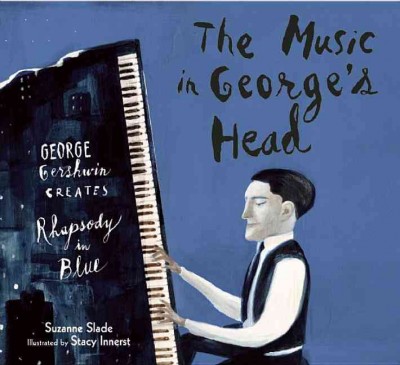
The Music in George’s Head: George Gershwin Creates Rhapsody in Blue by Suzanne Slade, ill. Stacy Innerst
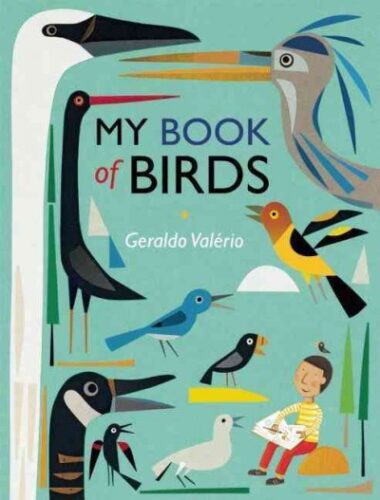
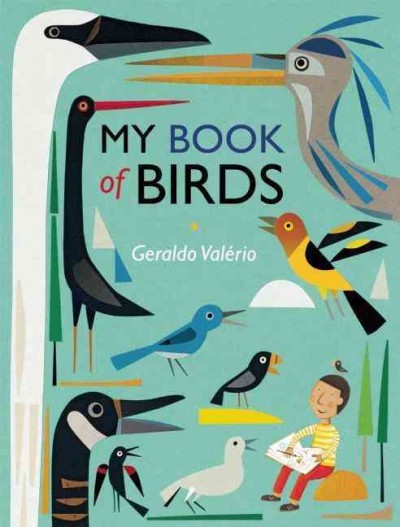
My Book of Birds by Geraldo Valerio
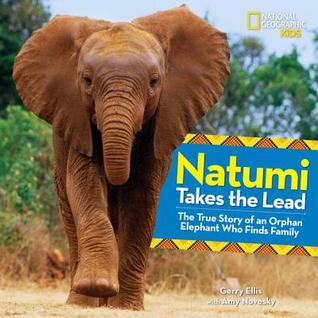
Natumi Takes the Lead: The True Story of an Orphan Elephant Who Finds Family by Gerry Ellis with Amy Novesky
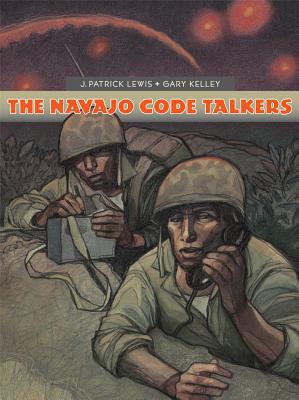
The Navajo Code Talkers by J. Patrick Lewis, ill. Gary Kelley
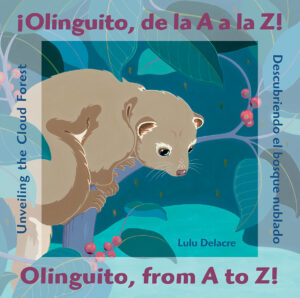
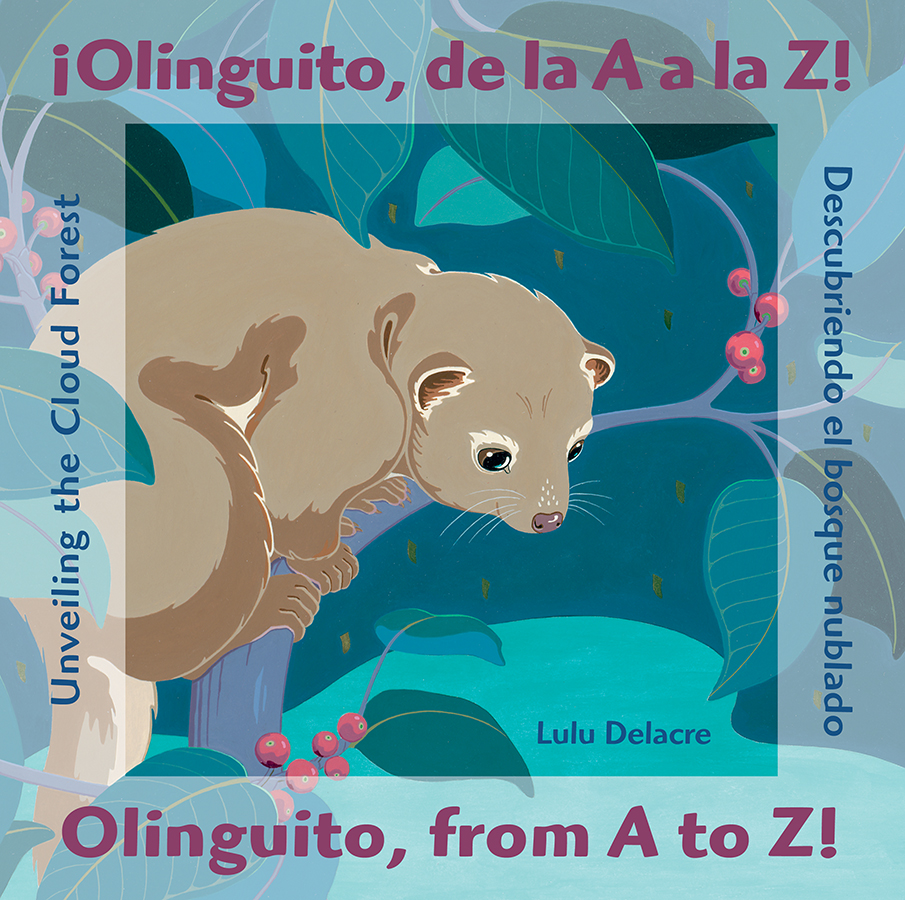
Olinguito, from A to Z! / Olinguito, de la A a la Z! by Lulu Delacre
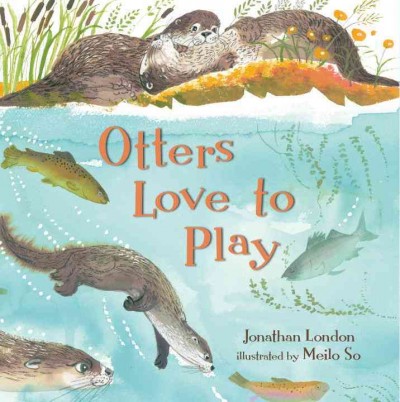
Otters Love to Play by Jonathan London, ill. Meilo So

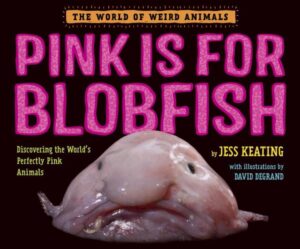
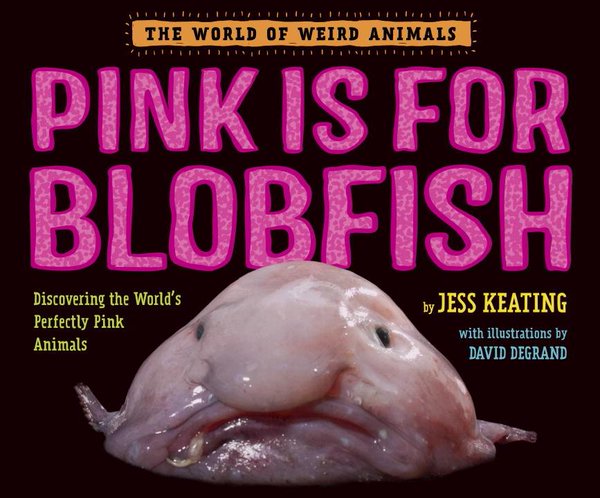
Pink Is for Blobfish: Discovering the World’s Perfectly Pink Animals by Jess Keating, ill. David DeGrand
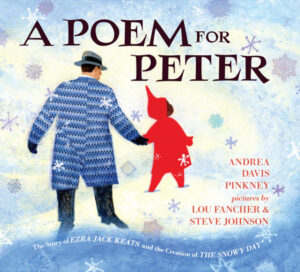
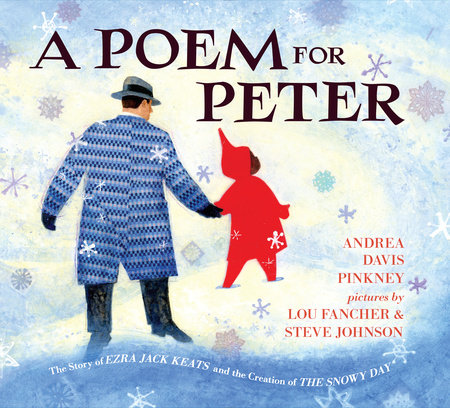
A Poem for Peter: The Story of Ezra Jack Keats and the Creation of The Snowy Day by Andrea Davis Pinkney, ill. Lou Fancher & Steve Johnson
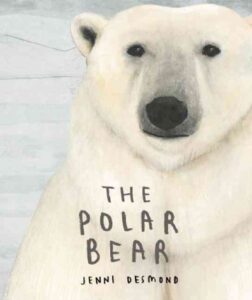
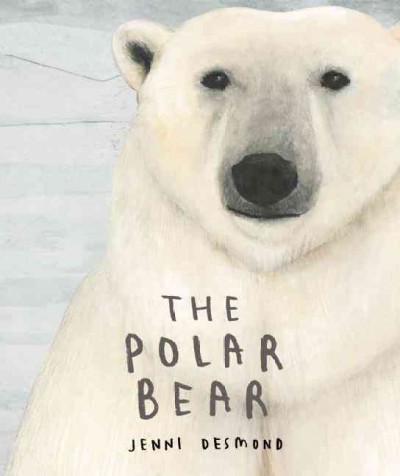
The Polar Bear by Jenni Desmond
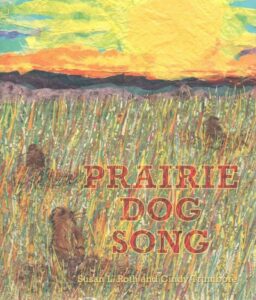
Prairie Dog Song by Susan L. Roth and Cindy Trumbore
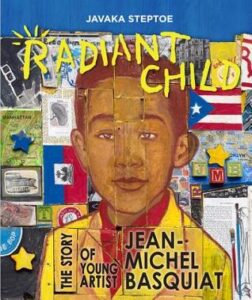
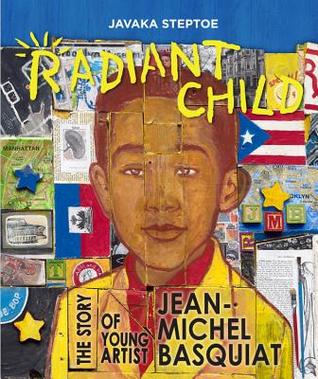
Radiant Child: The Story of Young Artist Jean-Michel Basquiat by Javaka Steptoe
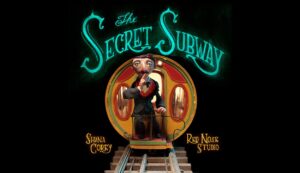
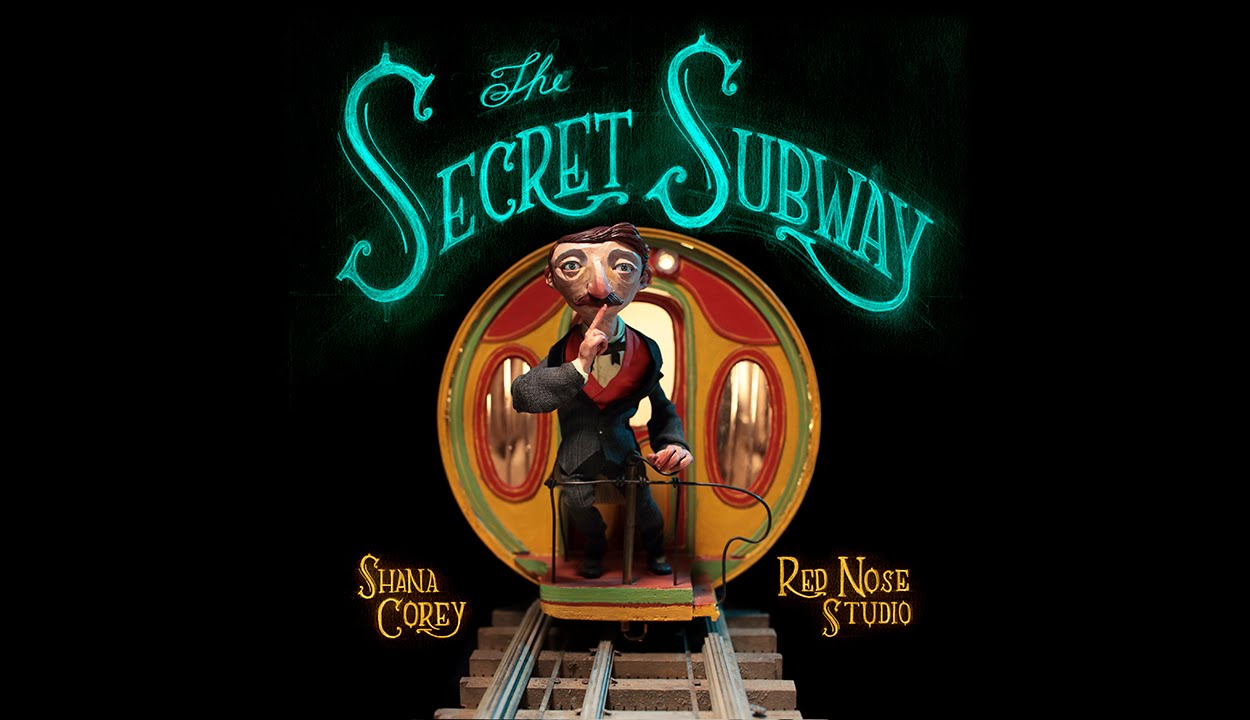
The Secret Subway by Shana Corey, ill. Red Nose Studio
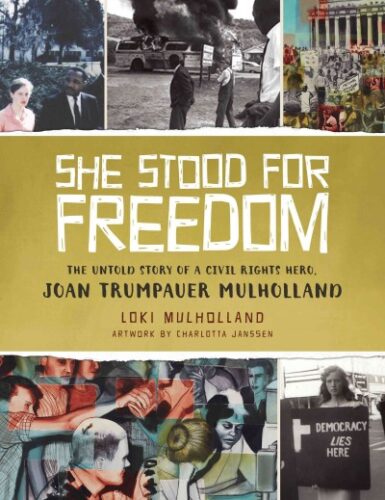
She Stood for Freedom: The Untold Story of a Civil Rights Hero, Joan Trumpauer Mulholland by Loki Mulholland & Angela Fairwell, ill. Charlotta Janssen
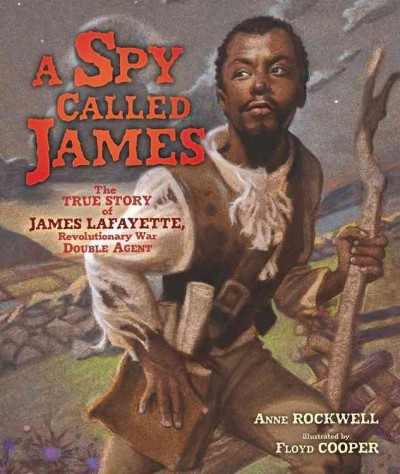
A Spy Called James: The True Story of James Lafayette, Revolutionary War Double Agent by Anne Rockwell, ill. Floyd Cooper
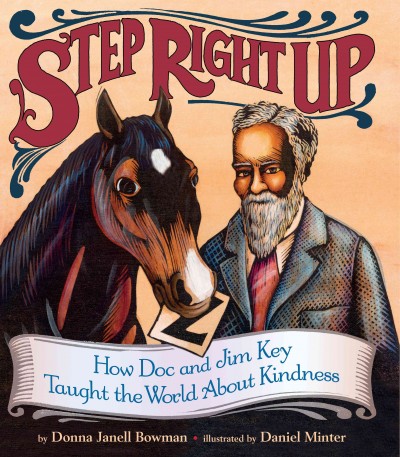
Step Right Up: How Doc and Jim Key Taught the World About Kindness by Donna Janell Bowman, ill. Daniel Minter
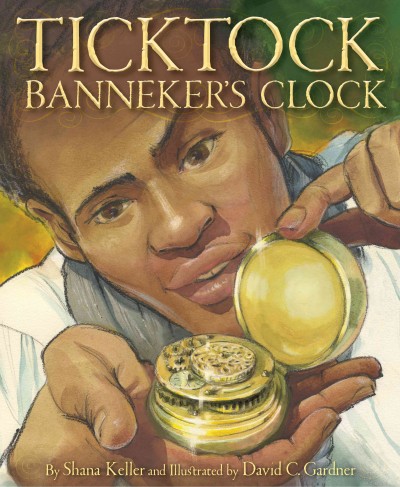
Ticktock Banneker’s Clock by Shana Keller, ill. David C. Gardner
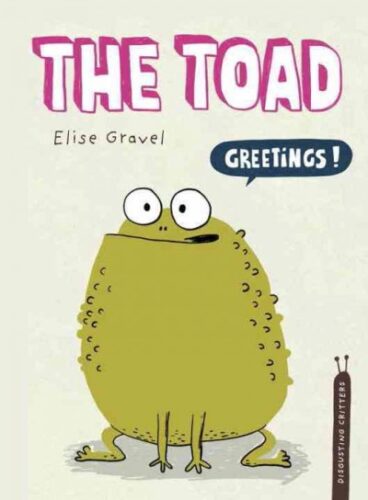
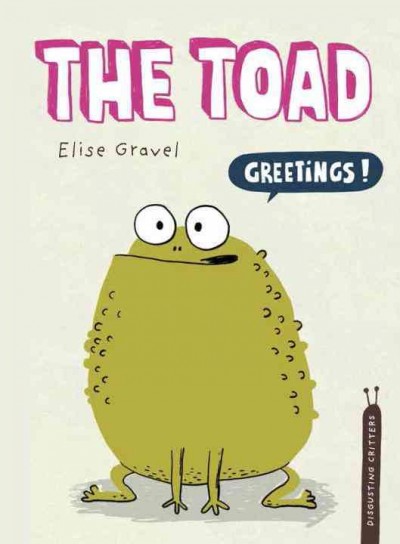
The Toad by Elise Gravel
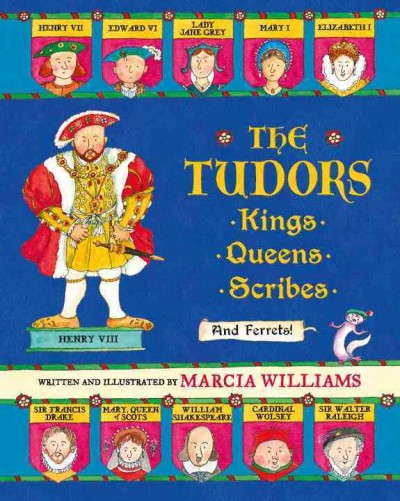
The Tudors: Kings, Queens, Scribes, and Ferrets! by Marcia Williams

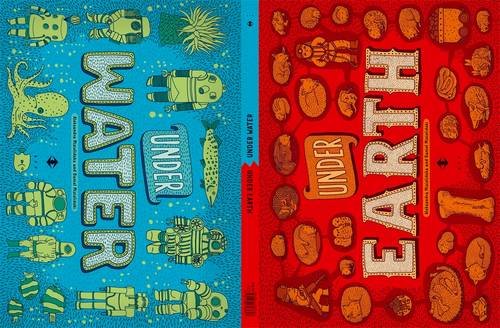
Under Earth / Under Water by Aleksandra Mizielinska and Daniel Mizielinski

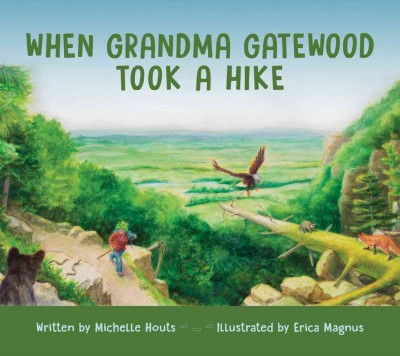
When Grandma Gatewood Took a Hike by Michelle Houts, ill. Erica Magnus
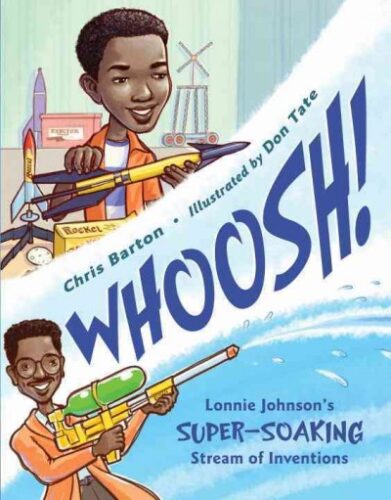
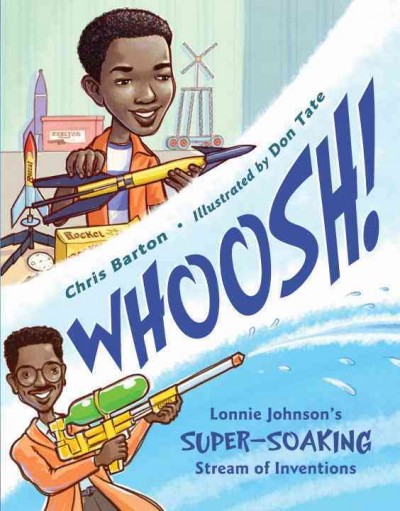
Whoosh! Lonnie Johnson’s Super-Soaking Stream of Inventions by Chris Barton, ill. Don Tate
Whose Eye Am I? by Shelley Rotner
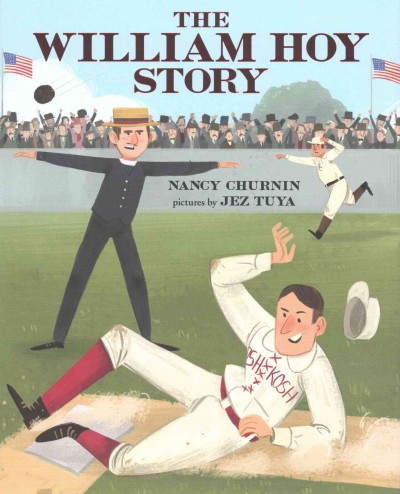
The William Hoy Story by Nancy Churnin, ill. Jez Tuya
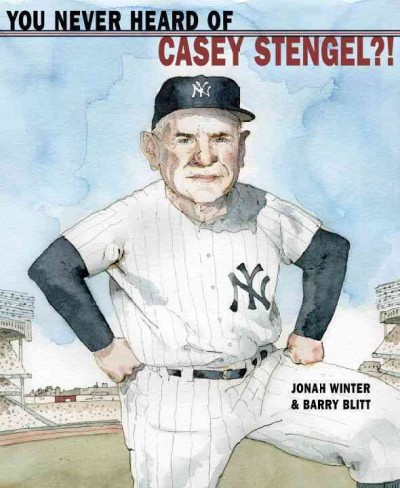
You Never Heard of Casey Stengel?! by Jonah Winter, ill. Barry Blitt
Interested in the other lists of the month? Here’s the schedule so that you can keep checking back:
December 1 – Board Books
December 2 – Board Book Adaptations
December 3 – Nursery Rhymes
December 4 – Picture Book Readalouds
December 5 – Rhyming Picture Books
December 6 – Alphabet Books
December 7 – Funny Picture Books
December 8 – Calde-Nots
December 9 – Picture Book Reprints
December 10 – Math Picture Books
December 11 – Bilingual Books
December 12 – International Imports
December 13 – Books with a Message
December 14 – Fabulous Photography
December 15 – Fairy Tales / Folktales
December 16 – Oddest Books of the Year
December 17 – Older Picture Books
December 18 – Easy Books
December 19 – Early Chapter Books
December 20 – Graphic Novels
December 21 – Poetry
December 22 – Fictionalized Nonfiction
December 23 – American History
December 24 – Science & Nature Books
December 25 – Transcendent Holiday Titles
December 26 – Unique Biographies
December 27 – Nonfiction Picture Books
December 28 – Nonfiction Chapter Books
December 29 – Novel Reprints
December 30 – Novels
December 31 – Picture Books
It's Tuesday! Write. Share. Give. 
Today I bought my calendars
And boxes full of cards
To send next year conveying
My best holiday regards.
For after Christmas, things like these
Are sold at half the price,
A little gimmick stores employ
To clear their merchandise.
It’s become, to me, tradition
For as long as I remember,
I’ve bought calendars and cards
The 26th day of December.
View Next 25 Posts



 By: Becky Laney,
on 12/28/2016
By: Becky Laney,
on 12/28/2016

 By: Gerald Hawksley,
on 12/28/2016
By: Gerald Hawksley,
on 12/28/2016


 By: Betsy Bird,
on 12/27/2016
By: Betsy Bird,
on 12/27/2016
 I peer into the darkness and at long last I see the light at the end of the tunnel. We’re almost there! Almost at the end of this month’s 31 Days, 31 Lists challenge. I’m certainly delighted, not least because I’ve managed to keep it up so far (knocking on wood now as hard as my brittle knuckles can knock).


 By: Monica Gupta,
on 12/27/2016
By: Monica Gupta,
on 12/27/2016
 By: Margot Finke,
on 12/27/2016
By: Margot Finke,
on 12/27/2016


.jpeg?picon=2691) By: LAURIE WALLMARK,
on 12/27/2016
By: LAURIE WALLMARK,
on 12/27/2016
 By: DIWAKAR,
on 12/27/2016
By: DIWAKAR,
on 12/27/2016
 By: bookkm,
on 12/27/2016
By: bookkm,
on 12/27/2016

 By: Abigail Nusbaum,
on 12/27/2016
By: Abigail Nusbaum,
on 12/27/2016


 By: Elizabeth O. Dulemba,
on 12/27/2016
By: Elizabeth O. Dulemba,
on 12/27/2016







 By: Kathleen Neagle Sokolowski,
on 12/26/2016
By: Kathleen Neagle Sokolowski,
on 12/26/2016


I choose to focus on what you have accomplished this month. I’m grateful for every title and cover you have featured. Today’s list might not be the most extensive, but the quality of those books you did read and shared with us is exceptional. I anticipated that this daily gift from you would be phenomenal, based on the quality of your daily posts. However, you have exceeded any and all my expectations several times over. What fun it has been to look forward to a new list every day this month. Thank you so very much.
Aw. Thank you. That alone makes all this worth it.